EN
EN

- Overview
- Recommended Products
- High-Temperature Resistance: The melt pressure transducer features an exceptionally wide operating temperature range and is constructed with premium heat-resistant materials, enabling direct contact with high-temperature melts without material degradation or measurement compromise.
- High Pressure and High Viscosity Resistance: The high temperature pressure sensor incorporates a wide measuring range with a robust probe capable of withstanding intense impact pressures from melt flow. Optimized probe structures—including flat film and wedge film designs—effectively prevent adhesion and blockage from high-viscosity materials, significantly reducing measurement errors and ensuring consistent performance.
- Corrosion and Interference Resistance: The pressure transmitter PT112 employs corrosion-resistant alloys and ceramic coatings on all contact surfaces to withstand aggressive erosion from corrosive melts including acids, alkalis, and organic solvents. An integrated electromagnetic shielding module provides comprehensive protection against power grid interference and vibration-induced noise, specifically designed to handle high-frequency vibrations generated by equipment such as extruders and injection molding machines.
- High Precision and Repeatability: The high temperature melt pressure sensor delivers measurement accuracy ranging from ±0.1%FS to ±0.25%FS, with linearity and repeatability specifications both under ±0.2%FS and ±0.1%FS respectively. This exceptional precision ensures data consistency and fulfills the stringent requirements of modern precision manufacturing operations.
- Temperature Compensation Feature: The built-in multi-point temperature compensation algorithm effectively counteracts temperature drift effects on measurement accuracy in demanding high-temperature environments, maintaining reliable data stability across the full operating temperature range.
- Flexible Signal Output: The pressure transmitter PT112 supports comprehensive industrial standard signals including analog outputs (4-20mA, 0-10V, 0-5V) and digital protocols (HART, RS485-Modbus, Profibus), enabling seamless direct integration with PLC systems, DCS platforms, and industrial PC environments for complete automation compatibility.
- Integrated and Modular Design: The melt pressure transducer features a compact footprint with fully customizable probe lengths to accommodate different equipment barrel and die depths. Flexible installation options include M14/M18/M22 threaded mounting, flange mounting, and clamp mounting configurations, requiring minimal equipment modifications during deployment.
- Overload and Explosion Protection: This high temperature pressure sensor incorporates 150%-200%FS overload protection to prevent sensor damage from unexpected pressure surges. Select models comply with the Ex d II CT4 explosion-proof certification standard, making them suitable for flammable and explosive melt processing applications such as solvent-based rubber manufacturing.
- Real-Time Display: Premium models of the pressure transmitter PT112 feature integrated LCD/LED display heads for intuitive pressure visualization, eliminating reliance on external control systems for basic pressure indication.
- Alarm Output: Configurable upper and lower pressure threshold settings trigger switch alarm outputs (such as relay signals) to control equipment shutdown or automatic adjustment functions when pressure limits are exceeded.
- Remote Calibration: HART protocol-enabled remote calibration capability allows field technicians to perform sensor calibration without physical disassembly, substantially simplifying routine maintenance procedures.
- Environmental Adaptation: Resolves the thermal burning and material aging problems caused by inadequate heat resistance in traditional pressure transmitters, delivering reliable performance in extreme conditions such as extruder die heads, injection molding machine barrels, and molten steel pipelines.
- Measurement Accuracy: Eliminates data drift and significant errors caused by high-viscosity melt adhesion and pressure fluctuations, ensuring uniform product specifications including consistent plastic film and pipe thickness and uniform rubber product density.
- Equipment Safety: Enables continuous real-time monitoring of melt pressure to prevent catastrophic failures including material overflow, die head rupture, or pipeline leakage from excessive pressure conditions, while simultaneously preventing material delivery inadequacies and product shortages from insufficient pressure.
- Maintenance Cost Reduction: The specialized corrosion-resistant and clogging-resistant design architecture minimizes requirements for frequent sensor disassembly, cleaning, and replacement operations, thereby substantially reducing production downtime. While traditional pressure sensors typically require monthly maintenance checks, the high temperature pressure sensor PT112 extends maintenance intervals to quarterly or semi-annual schedules.
- Automation Integration Solution: Standardized signal output formats enable seamless integration with existing industrial control systems, resolving traditional sensor signal incompatibility issues and enabling synchronized multi-system control, thereby accelerating industrial automation capability upgrades.
- Easy Installation:Multiple mounting options accommodate diverse equipment interface configurations, requiring only standard tools with installation and debugging completed in 10-30 minutes. The flush probe design effectively prevents melt residue accumulation, making subsequent cleaning procedures straightforward and efficient.
- Reliable and Stable:With a mean time between failures (MTBF) exceeding 20,000 hours and minimal annual data drift (≤±0.1%FS/year), the high temperature pressure sensor significantly reduces calibration and adjustment requirements, delivering consistent long-term performance.
- User-Friendly Operation:Analog signal models offer true plug-and-play simplicity, while digital signal versions support remote parameter configuration capabilities. Display-equipped models permit on-site pressure reading without computer or control cabinet connections, facilitating convenient facility inspections.
- High Compatibility:Full compatibility with mainstream PLC platforms (Siemens, Mitsubishi, Rockwell) and DCS systems eliminates requirements for additional signal conversion equipment, substantially reducing total system integration costs and complexity.
- Outstanding Durability:Comprehensive overload protection, advanced vibration resistance, and robust corrosion-resistant design architecture work synergistically to extend operational service life, maintaining stable measurement performance even under harsh industrial conditions while reducing long-term replacement costs.
- Extruder Applications: For manufacturing PE/PVC/PP pipes, plastic film blow molding operations, and rubber sealing strips, the melt pressure transducer monitors melt pressure in the die or barrel to precisely control extrusion speed and final product thickness specifications.
- Injection Molding Machine Monitoring: The pressure transmitter PT112 monitors barrel and nozzle pressure during injection molding processes to prevent defects including material shortage, flash formation, and shrinkage marks, ensuring dimensional accuracy of precision molded components.
- Vulcanizing Machine Control: Maintains uniform pressure control during rubber product vulcanization processes, enhancing both material strength characteristics and elasticity properties.
- Spinning Machine Operations: During polyester, nylon, and spandex chemical fiber production, the high temperature melt pressure sensor monitors spinneret melt pressure to control filament diameter uniformity and prevent common problems including broken filament and woolly fiber defects.
- Polyester Melt Transport: Continuous pressure monitoring of PET melt pipelines ensures stable material delivery to downstream spinning components, preventing flow interruptions and quality variations.
- Molten Metal Pressure Monitoring: Real-time pressure measurement of molten metal pipelines (steel, aluminum, copper) and casting mold systems prevents overflow incidents or insufficient casting conditions that compromise product quality.
- Fire-Resistant Material Processing: Precise pressure control during ceramic slurry and glass melt molding operations ensures uniform final product density and material properties.
- High-Temperature Food Processing: The melt pressure sensor monitors pressure during high-temperature cooking and conveying operations of materials including chocolate, syrup, and jam to ensure production safety and consistent product quality specifications.
- Pharmaceutical Excipient Processing: Pressure control of pharmaceutical resin materials in high-temperature molten states and suppository matrix formulations ensures full GMP compliance and product consistency.
- Reaction Vessel Monitoring: Comprehensive pressure measurement systems for high-temperature and high-pressure reaction vessels used in chemical synthesis and polymerization processes.
- Coating and Adhesive Application: Pressure control of molten coating and adhesive materials during application ensures uniform distribution and consistent end-product quality.
Product Introduction
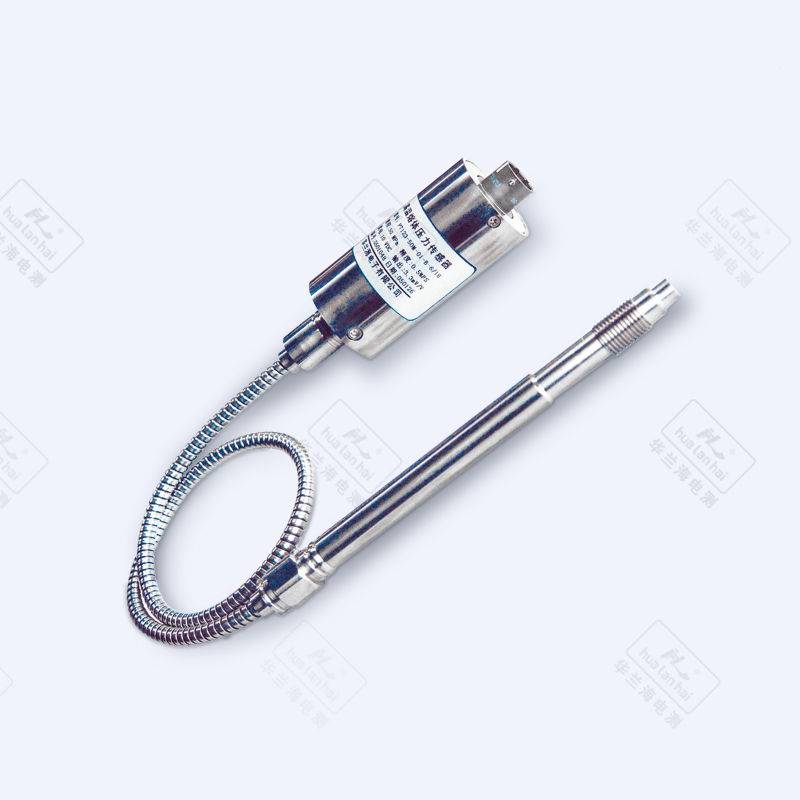
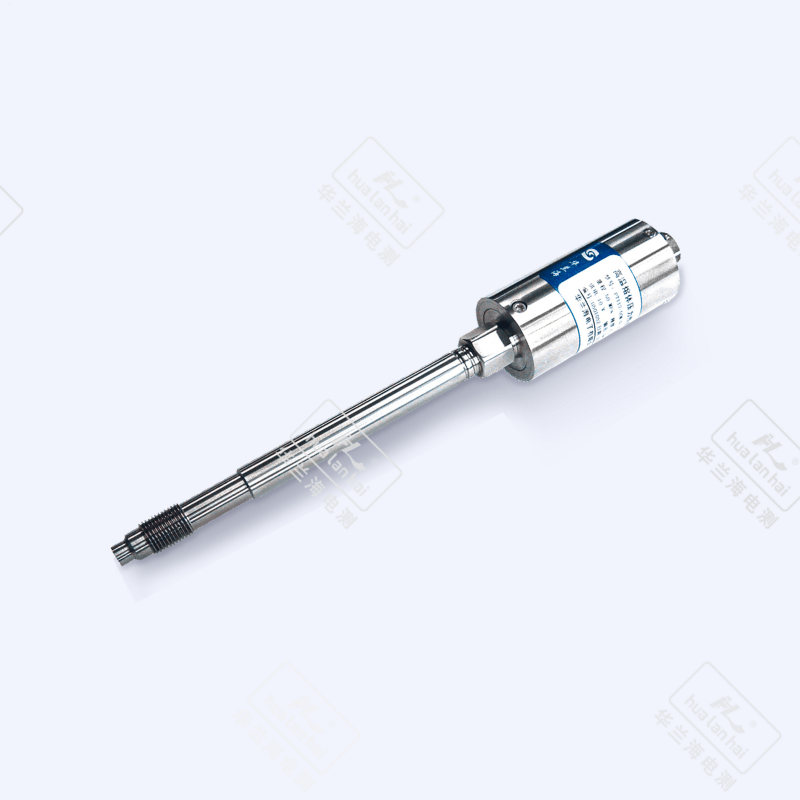
The PT112 high temperature melt pressure sensor/transmitter represents an advanced industrial measurement solution engineered specifically for extreme high-temperature, high-pressure, high-viscosity, and corrosive media environments. This high temperature pressure sensor is purpose-built to continuously monitor critical pressure parameters of industrial melts—including plastics, rubber, molten metals, and chemical fiber raw materials—delivering essential data support for production process control, quality assurance, and equipment safety. The pressure transmitter PT112 finds widespread application across rubber and plastics processing, metallurgical operations, and chemical fiber manufacturing industries where reliable melt pressure measurement is fundamental to operational success.
1. Core Features and Functions
1) Extreme Condition Adaptability (Core Feature)
2) Precise Measurement and Stable Output
3) Structural and Installation Advantages
4) Additional Features (Available on Select High-End Models)
2. Core Industry Pain Points Addressed
In high-temperature melt processing environments, conventional pressure sensors—such as strain gauge sensors or ceramic-based alternatives—frequently exhibit critical issues including thermal instability, susceptibility to clogging, accuracy drift, and shortened operational lifespan. The high temperature melt pressure sensor PT112 directly addresses these persistent industry challenges:
3. Highlights of User Experience
4. Typical Use Cases
1) Rubber and Plastic Industry (Core Application Field)
2) Chemical Fiber Industry
3) Metallurgical Industry
4) Food and Pharmaceutical Industries
5) Other Specialized Applications
Summary
The fundamental value proposition of high temperature melt pressure sensors and the pressure transmitter PT112 lies in their demonstrated capability to deliver precise, reliable measurements under the most demanding extreme operational conditions. By systematically addressing the complex challenges associated with monitoring high-temperature, high-pressure, and high-viscosity industrial media, these high temperature pressure sensor devices ensure both production safety and product consistency. They function as indispensable equipment for achieving automated and intelligent manufacturing processes across rubber and plastics processing, chemical fiber production, and metallurgical industries. The flexible installation methods, exceptional system compatibility, and rugged long-lasting design architecture collectively reduce total operating expenses and meaningfully enhance overall production efficiency for industrial facilities.
Detail Display
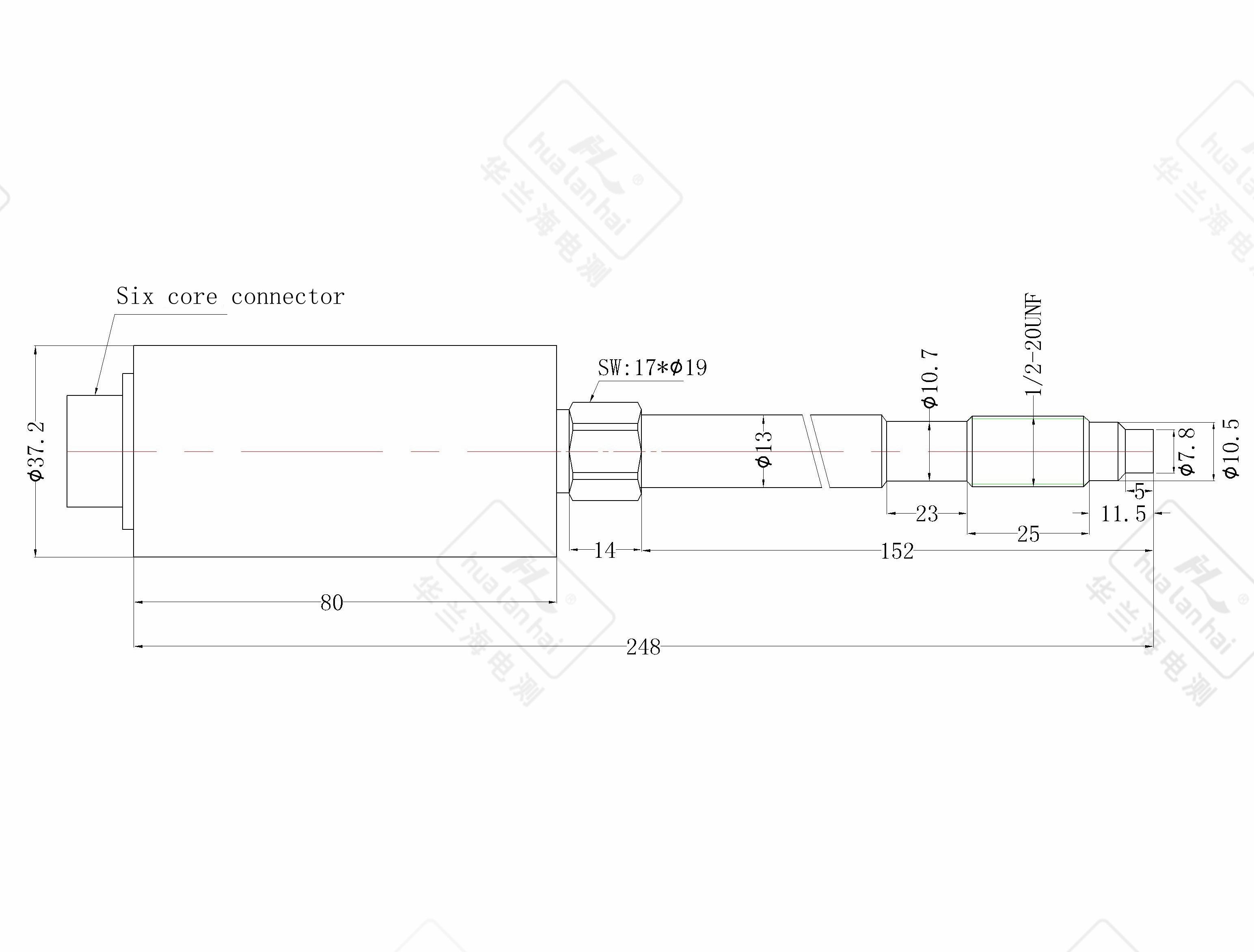
Parameters
| Parameter Name | Parameter Value |
| Pressure Range | 0-10MPa ~ 0-150MPa |
| Accuracy | 0.3% FS;0.5% FS;1.0% FS;1.5% FS |
| Output Signal | 2mV/V;3.3mV/V |
| Excitation Voltage | 10(6 ~ 12)VDC |
| Electric Connection | 6 Pins plug |
| Diaphragm Temp | 0 ~ 200-400℃ |
| Environment Temperature | -10℃ ~ 80℃ |
| Thermocouple Model | ------- |
| Thread Connection | M14×1.5;M22×1.5;M12×1.5;1/2-20UNF;Customize |