EN
EN

- Overview
- Recommended Products
Product Introduction
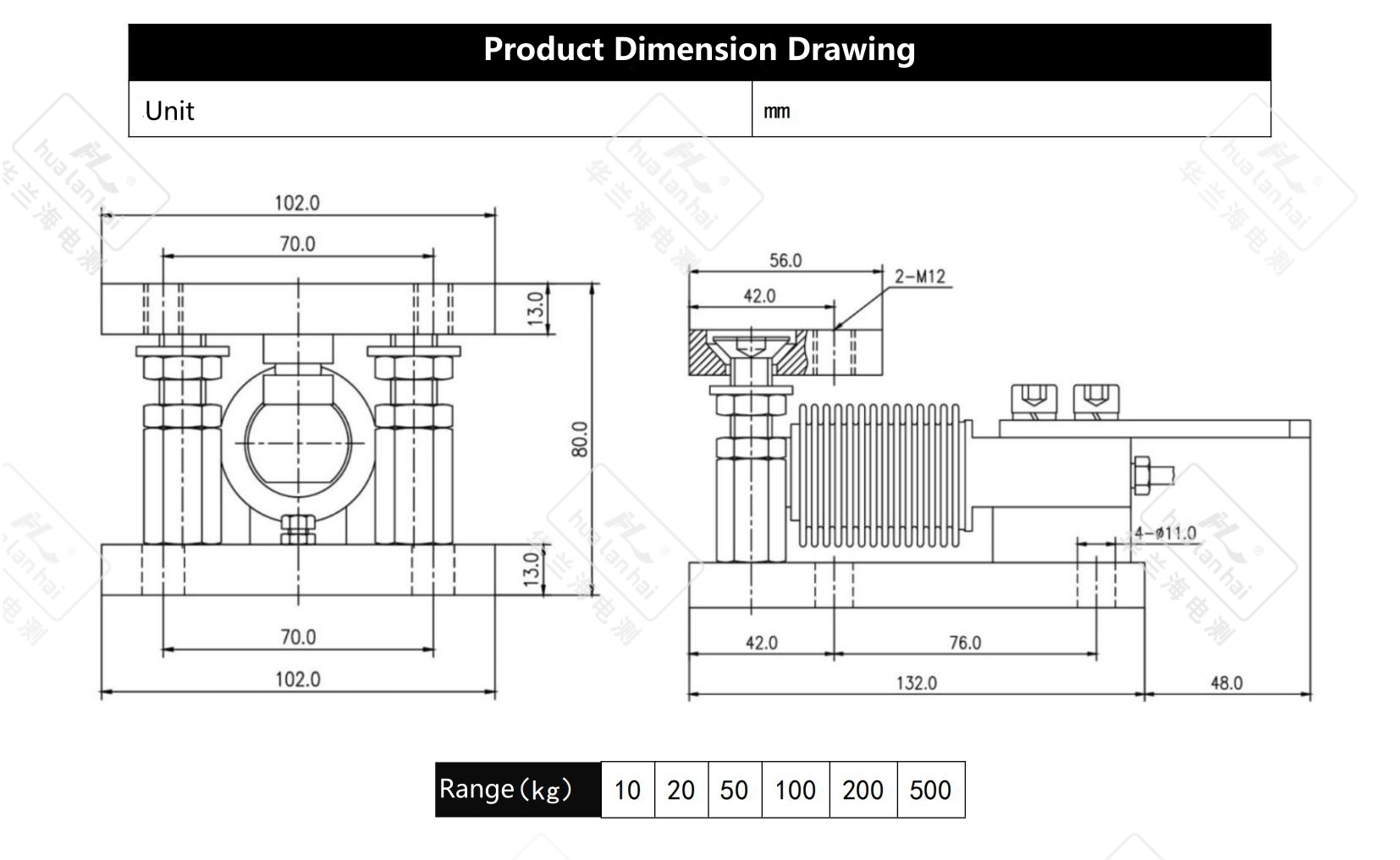
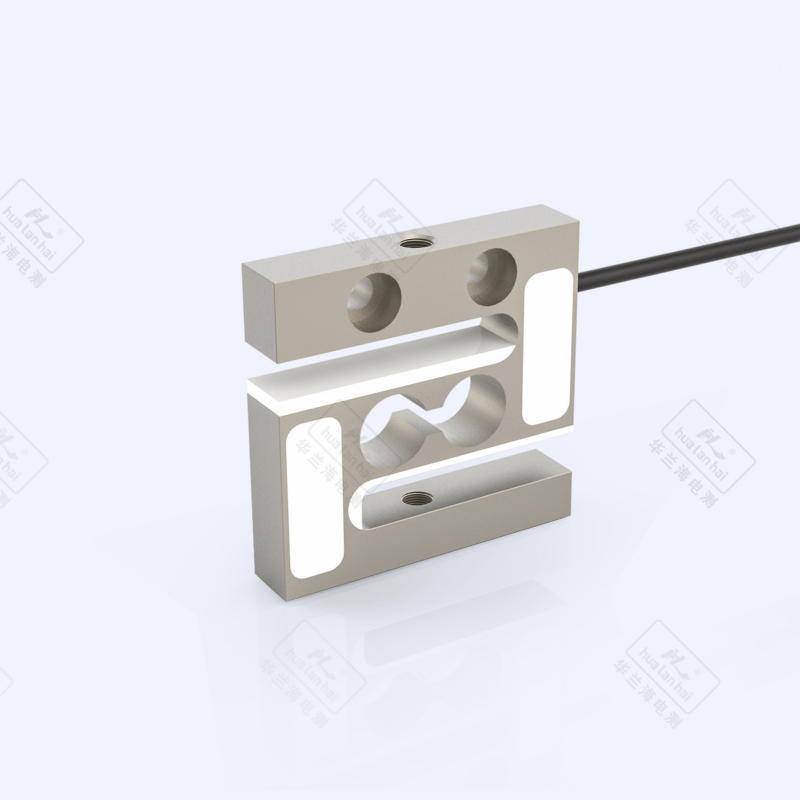
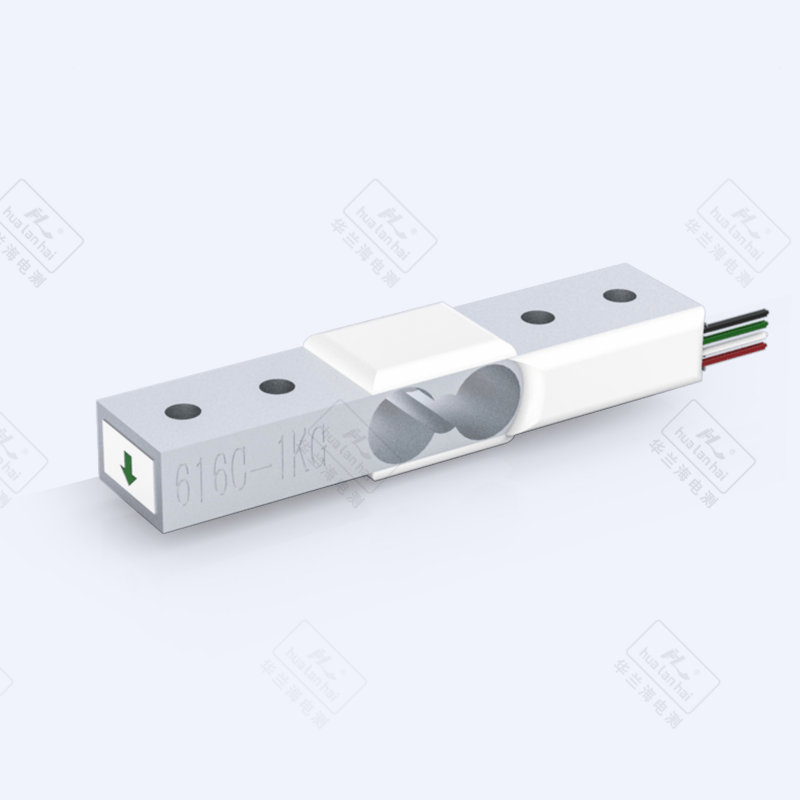
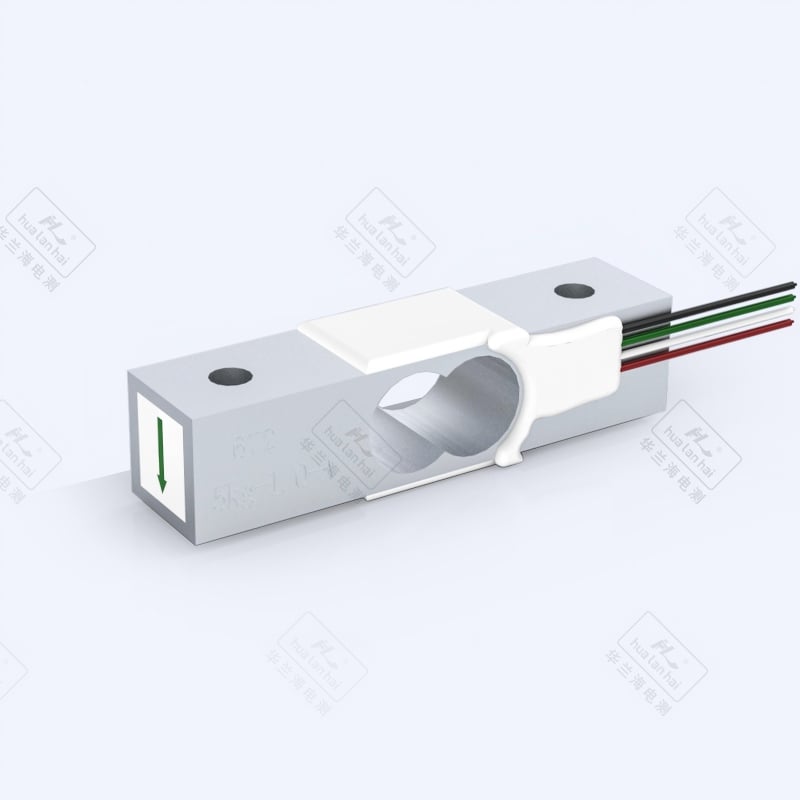
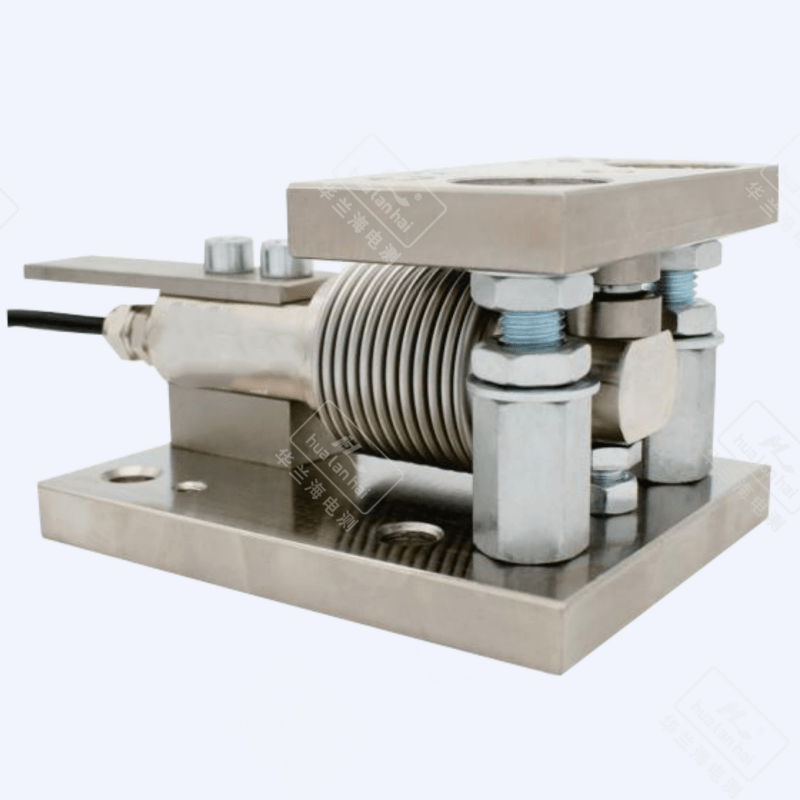
The Weighing Module CZL810DM is an integrated weighing solution that combines a load cell module, mounting connectors, protective structure, and signal conditioning unit into a single pre-calibrated assembly. This digital weighing sensor represents a standardized design approach that rapidly adapts precision load cells to industrial equipment. When subjected to force, the built-in sensor completes force-to-electricity conversion, and after signal conditioning, outputs a stable electrical signal. The CZL810DM integrates advantages such as high integration, convenient installation, and strong stability, making it widely used in industrial storage tanks, reaction kettles, platform scales, and automated production lines requiring rapid weighing implementation. The following details present core dimensions to support product selection, system integration, and solution implementation for the Weighing Module CZL810DM.
1. Product Features and Functions
Core Features
• Integrated Structure: The Weighing Module CZL810DM adopts an integrated design combining "sensor + mounting base + junction box + protective shell," with intelligent models integrating signal transmitters, eliminating the need for additional accessories. The load cell module typically weighs 5–50 kg with compact dimensions (typically 100mm × 80mm × 150mm), fitting seamlessly into various equipment installation spaces.
• Precision and Stability: Built-in C3–C2 grade weighing sensors deliver non-linear error ≤ ±0.02%FS, repeatability error ≤ ±0.01%FS, and zero drift ≤ ±0.003%FS/℃. The digital weighing sensor is pre-calibrated before leaving the factory, achieving nominal accuracy without complex on-site debugging.
• Strong Environmental Adaptability: Sensors are manufactured from alloy steel, 304, or 316L stainless steel, with module protection levels reaching IP67–IP68. Explosion-proof variants are certified to Ex d IIB T4/Ex ia IIC T6 standards. The CZL810DM operates reliably across -20℃ to 80℃, resisting dust, moisture, minor corrosion, and vibration impact.
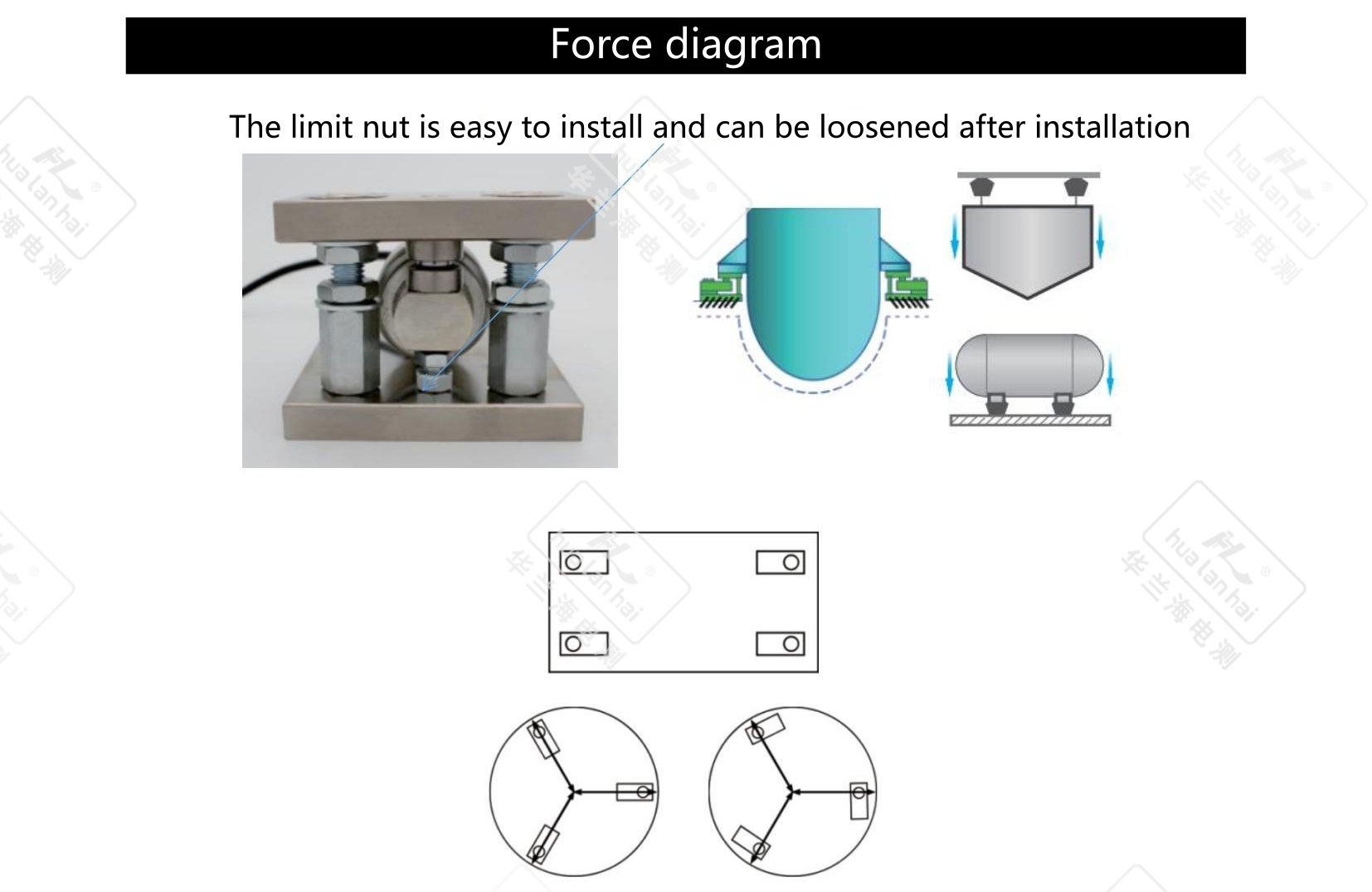
• Wide Installation Compatibility: The Weighing Module CZL810DM provides three installation modes—fixed, floating, and semi-floating—suitable for different force characteristics in storage tanks and platforms. Connection methods support bolt fastening and flange docking, compatible with mounting holes from M16–M30, enabling seamless integration with various industrial devices.
Core Functions
• Accurate Weight Measurement: The load cell module supports static and quasi-dynamic weighing, covering 50 kg to 100 t ranges with typical applications in 1–50 t capacity. Built-in sensor response time ≤ 8 ms meets weight monitoring needs for intermittent feeding and continuous conveying scenarios.
• Standardized Signal Output: The CZL810DM provides analog signals (4–20 mA, 0–5 V, 0–10 V), digital signals (RS485/Modbus RTU, Profinet), and intelligent variants support HART protocol. Direct connection to PLCs, DCSs, weighing instruments, and industrial IoT platforms eliminates need for additional signal converters.
• System-level Protection Function: Integrated overload protection (rated load 150%–250%), short-circuit protection, and overvoltage protection safeguard operation. Temperature compensation modules ensure stable measurement accuracy across wide temperature environments, while floating variants automatically compensate for thermal expansion and contraction displacement errors.
• Multi-module Collaborative Control: Supports parallel networking of 2–8 modules with uniform load distribution through address coding. Intelligent models feature data synchronization between modules, resolving weight superposition and consistency issues in distributed force applications like large storage tanks and platform scales.
2. Core Problems Solved
• Complex Sensor Integration Problem: Traditional sensors require separate pairing with mounting parts, junction boxes, and transmitters. The CZL810DM pre-integrates and pre-calibrates multiple components through unified design, reducing installation and debugging time from 1–2 days to 2–4 hours through simple on-site fixing and wiring.
• Poor Equipment Adaptability: Different industrial equipment varies significantly in installation dimensions and force-bearing methods. The Weighing Module CZL810DM provides multiple installation modes and connection specifications, enabling rapid weighing function integration without modifying main equipment structure, reducing transformation costs.
• Accuracy Attenuation Under Complex Working Conditions: Vibration, temperature fluctuations, and material impact easily cause single sensor accuracy drift. The digital weighing sensor controls measurement errors within ±0.03%FS through integrated protective structures, temperature compensation, and anti-impact design.
• Coordination Errors Among Multiple Modules: Large-scale equipment using multiple sensor groups encounters uneven load distribution and signal conflicts. The CZL810DM ensures inter-module error ≤ ±0.01%FS through standardized networking protocols and automatic load distribution technology, improving overall system weighing accuracy.
• High Operation and Maintenance Costs: Dispersed sensor installation complicates fault troubleshooting and maintenance. The modular design supports independent module replacement, with intelligent variants featuring fault diagnosis functions that accurately locate overload, wire breakage, and signal abnormalities, reducing operational costs.
3. User Experience
• Efficient and Convenient Installation: Standardized installation interfaces and positioning references, combined with dedicated installation tools and gaskets, enable equipment maintenance personnel to complete installation without professional weighing engineers. Floating modules automatically adjust level without repeated installation angle calibration.
• Simplified Commissioning Process: The Weighing Module CZL810DM completes sensor calibration and signal commissioning pre-delivery; on-site work requires only zero-point and range calibration (≤15 minutes). Intelligent models support remote calibration via mobile APP or host computer, eliminating on-site operation requirements.
• Worry-free Operation and Maintenance: Fully sealed protective structure reduces dust and moisture intrusion, with annual average failure rate ≤0.3%. Integrated junction box eliminates cable failure risks; fault diagnosis via indicator lights or software quickly locates problem modules, requiring only zero-point recalibration after replacement.
• Reliable Data Feedback: Static weighing data fluctuation ≤ ±0.005%FS with minimal quasi-dynamic lag. Intelligent modules upload weight data and operating status in real-time, facilitating remote management monitoring and improving production process transparency.
• High Flexibility in Expansion: Expand weighing system range by increasing module quantity without replacing core equipment. Direct integration with existing production management systems enables data utilization for inventory management and production report generation, improving overall data efficiency.
4. Typical Application Scenarios
1) Weighing of Industrial Storage Tanks and Reactors
• Chemical raw material storage tanks: Weighing 10–50t chemical storage tanks using 3–4 "fixed + floating + semi-floating" module combinations automatically compensates temperature displacement and material unload. IP68 protection suits humid workshop environments; ±0.02%FS accuracy ensures precise inventory measurement.
• Pharmaceutical reactors: Weighing 1–10t pharmaceutical reactors with 316L stainless steel modules complying with GMP standards. Explosion-proof variants suit flammable reaction environments, enabling real-time feeding weight and material change monitoring during processes when integrated with DCS systems for precise material control.
2) Transformation of Platform Scales and Truck Scales
• Workshop platform scales: 5–20t workshop turnover platform scales with 4 fixed modules installed at four corners directly replace old sensors. Installation cycle ≤4 hours with immediate calibration availability; anti-shock design handles workpiece hoisting impact.
• Upgrade of old weighbridges: 50–100t old weighbridges upgraded using 8 heavy-duty modules replacing original sensing systems. Built-in signal conditioning functions remain compatible with original weighing instruments; upgrade costs represent only 1/3 new weighbridge cost while restoring C3 level accuracy.
3) Weighing in Automated Production Lines
• Ingredient batching production line: Food and feed industries employ 2–4 modules at ingredient bin bottom providing real-time weight feedback linked with PLC control systems for automatic feeding. ±0.01%FS accuracy ensures precise ingredient proportions.
• Finished product sorting line: Automotive parts and home appliance industries embed modules in sorting platforms detecting product weight and distinguishing qualified/unqualified items. Response time ≤8ms adapts to high-speed sorting rhythms (≤10 pieces/minute).
4) Special Industrial Scenarios
• Explosion-proof scenario: Coal mining and oil/gas industries utilize Ex d IIB T4 explosion-proof CZL810DM modules on explosion-proof weighing platforms meeting explosive environment safety requirements and supporting coal mine safety monitoring system connections.
• Corrosion scenario: Electroplating and metallurgy industries employ 316L stainless steel + PTFE coated modules resistant to strong acid/alkali corrosion. IP68 protection withstands spray cleaning, supporting electroplating solution weight monitoring and composition control.
5. Usage Instructions (Practical Guide)
1) Installation Process
• Preparation: Clean equipment installation surface (flatness error ≤0.1mm/m), determine module quantity based on equipment weight and size (typically ≥3), and plan "fixed + floating + semi-floating" combination scheme (e.g., 3 modules: 1 fixed + 1 floating + 1 semi-floating).
• Module Fixing: Secure fixed modules to ground foundation with bolts, lightly fix floating/semi-floating modules (leaving 5–10mm displacement space), and ensure tight module-to-equipment contact without gaps.
• Wiring and Networking: Connect module signal wires to main junction box (intelligent modules directly parallel-connected) per specification: "red–power +, black–power –, green–signal +, white–signal –". Digital modules require unique address assignment through software to prevent signal conflicts.
• Protection Treatment: Outdoor installations require rain/sun protection covers; corrosive environments require anti-corrosion coating on non-loaded surfaces, waterproof junction box sealing, and proper marking.
2) Calibration and Debugging
• Zero Calibration: Power on and preheat 30 minutes, ensure unloaded equipment, execute zero calibration command achieving system zero output within ±0.002%FS. Excessive deviation indicates loose installation or foreign objects.
• Range Calibration: Use standard weights or force sources (loading ≥50% rated load), record system display deviation from standard values, and correct linear error through weighing instruments or software ensuring error ≤C3 allowable value (±0.02%FS).
• Eccentric Load Test: Place identical weights at different equipment positions, observe system reading consistency (deviation ≤±0.02%FS). Excessive deviation requires adjusting floating module displacement space for uniform load distribution.
3) Routine Maintenance
• Regular Inspection: Monthly surface cleaning (dust and oil removal), bolt tightness checks (especially fixed modules); quarterly wiring integrity verification, protective structure inspection, and zero-point recalibration.
• Fault Handling: Data drift investigation begins with power supply voltage verification (stable 12–24V DC) and ambient temperature checks. Abnormal readings trigger fault indicator light or software diagnosis for problem module identification. Select matching model/batch replacements requiring only zero-point recalibration.
6. Selection Method (Precise Matching Requirements)
1) Core Parameter Determination
• Range Selection: Single module range equals total equipment weight divided by module quantity (multiplied by 1.2–1), with reserved impact load and safety margin (e.g., 4 modules for 50t equipment: 15–19t single module range).
• Accuracy Level: Industrial metrology requires C3 level built-in sensors; laboratory/pharmaceutical applications need C2 level; general monitoring scenarios use C6 level. Dynamic weighing requires module response time ≤8ms.
• Signal Type: Traditional control systems use analog signal modules; smart factories/IoT scenarios employ RS485/Profinet digital modules matching existing PLC/instrument communication protocols.
2) Environmental Adaptability Selection
• Temperature: Standard scenarios (-20℃–60℃) use ordinary modules; high temperature (60℃–120℃) requires compensation type; low temperature (-40℃–-20℃) needs resistant modules.
• Medium: Dry environments use alloy steel; humid/food industries use 304 stainless steel; strong corrosive environments use 316L stainless steel or Hastelloy modules.
• Protection and Explosion-proof: Indoor dry environments require ≥IP67; outdoor/humid environments need ≥IP68; explosion-proof scenarios require corresponding level modules per regional standards.
3) Installation and System Compatibility
• Installation Mode: Fixed equipment uses "1 fixed + multiple floating" combinations; mobile platforms use fully fixed type. Equipment with thermal expansion requires floating modules comprising minimum 1/3 total quantity.
• Compatibility: Confirm module installation hole specifications match equipment support legs and signal output compatibility with existing control systems. Multi-module networking requires unified protocol models from same manufacturers to minimize integration complexity.
4) Additional Requirement Confirmation
• Certification Requirements: Measurement scenarios require built-in sensor CMC certification; food/pharmaceutical industries require GMP/FDA certification; export products require OIML/NTEP certification. Special features include intelligent models with NB-IoT/LoRa wireless capability, response time ≤5ms for high-speed dynamic weighing, and horizontal adjustment functions for large equipment.
Summary
The Weighing Module CZL810DM represents "integrated design, convenient installation, and high stability" advantages, solving industrial weighing challenges including cumbersome sensor integration, difficult equipment adaptation, and poor accuracy in complex environments. User experience emphasizes efficient installation, worry-free maintenance, and flexible expansion capabilities. Successful selection prioritizes equipment weight, installation environment, accuracy requirements, and system compatibility before determining module type and additional functions. Proper usage requires reasonable fixed/floating module matching, strict installation specification adherence, and regular calibration to ensure long-term system stability. The CZL810DM suits industrial material tanks, platform scales, automated production lines and related fields, representing the preferred solution for rapid equipment weighing implementation, particularly for efficient old equipment upgrades and new project deployment.
Detail Display