EN
EN

- Overview
- Recommended Products
Product Introduction
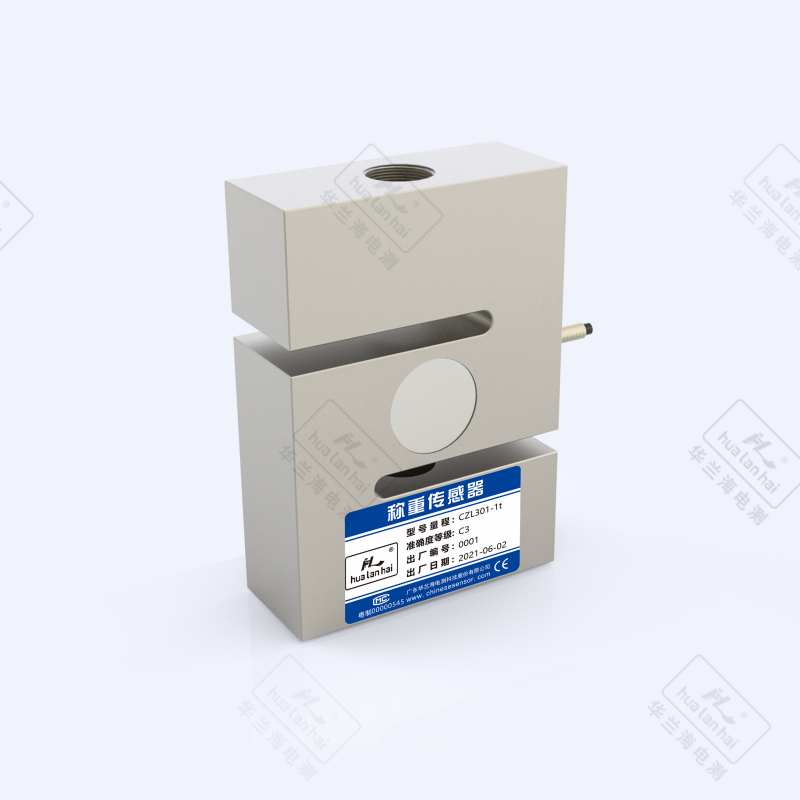
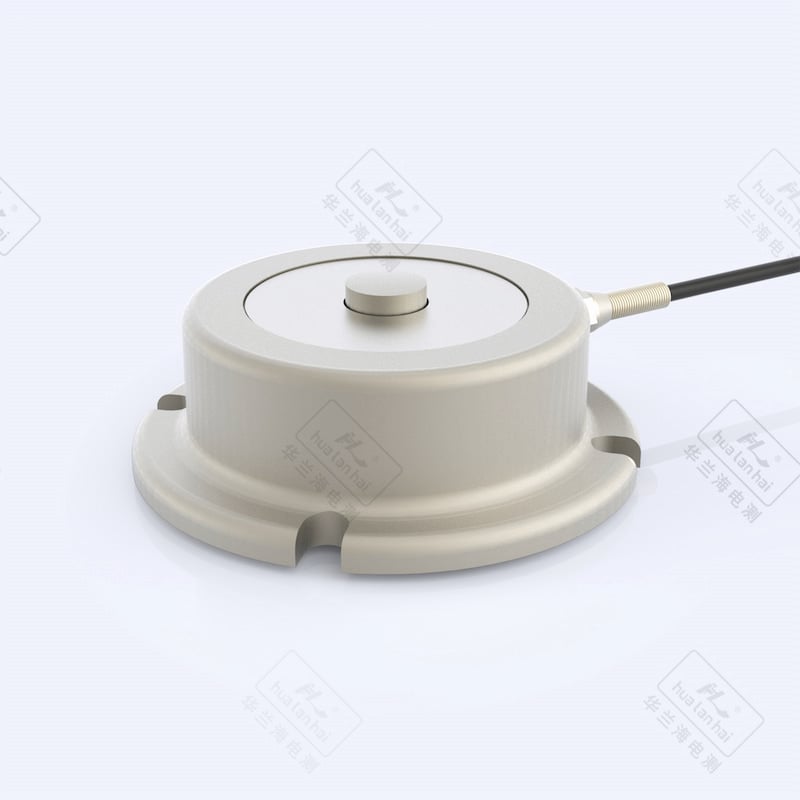
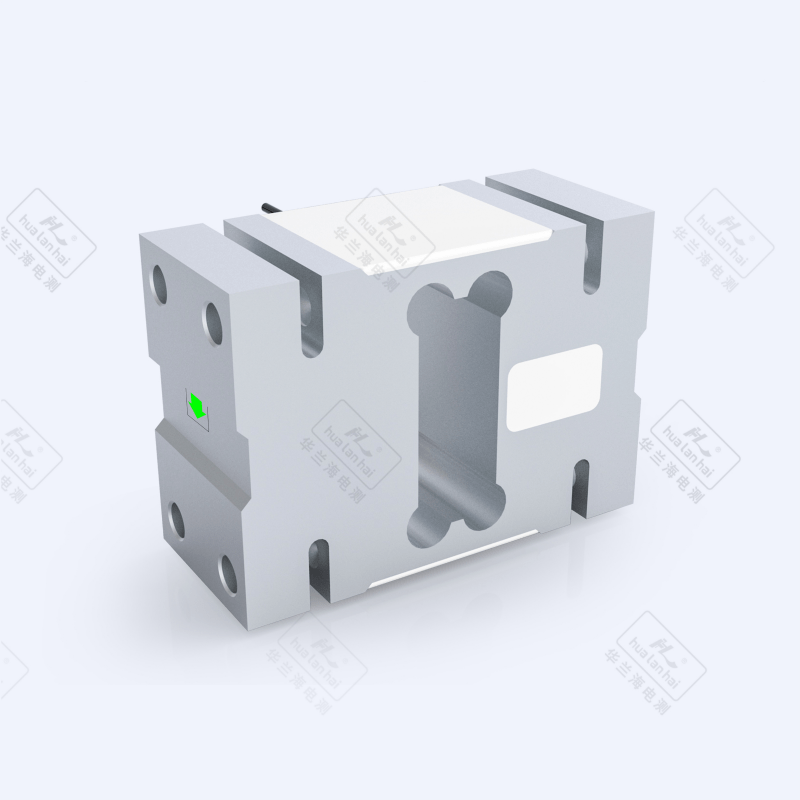
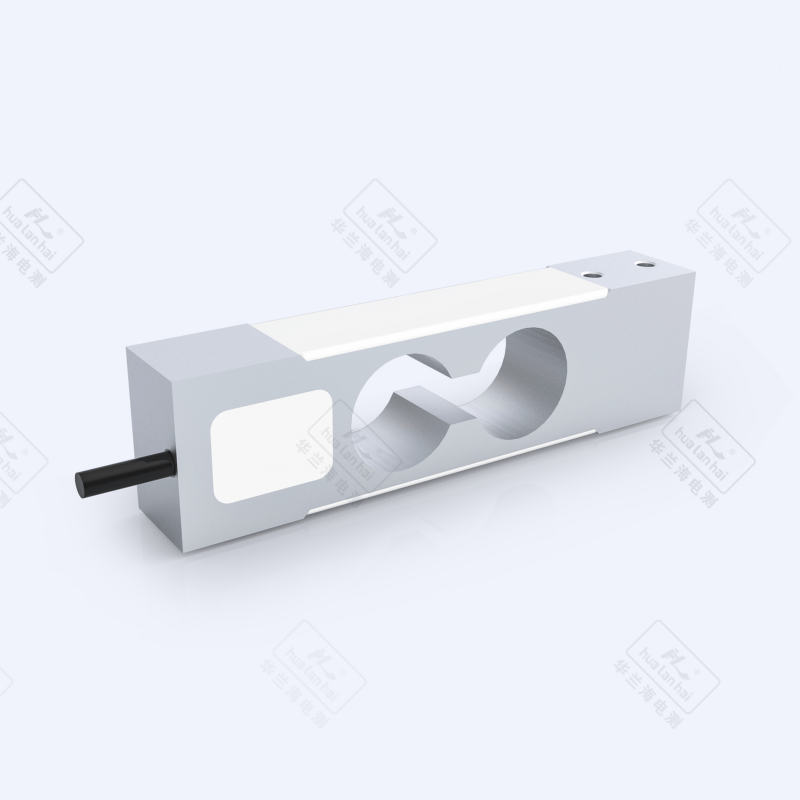
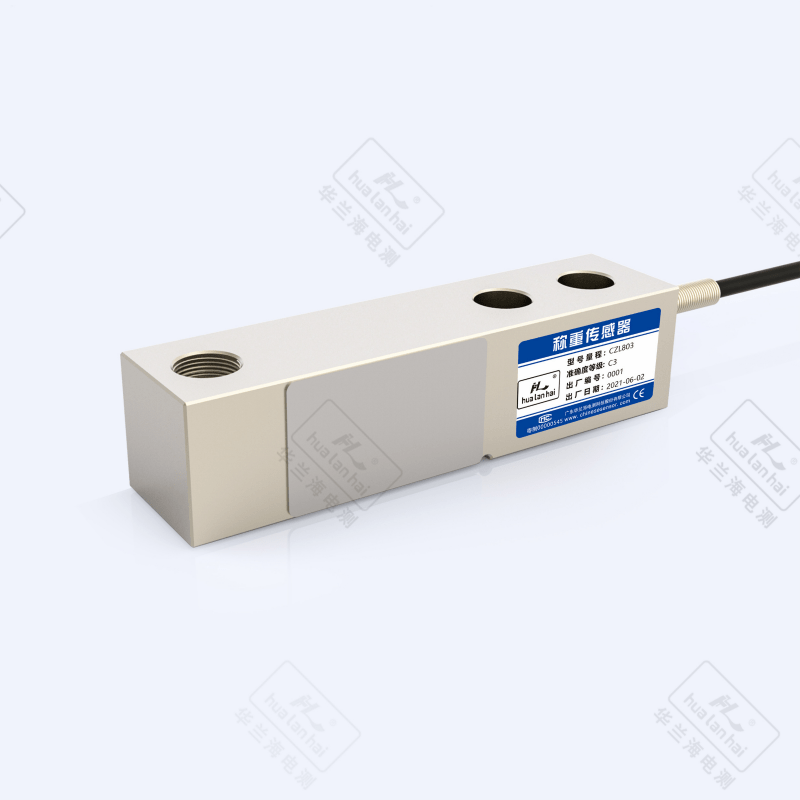
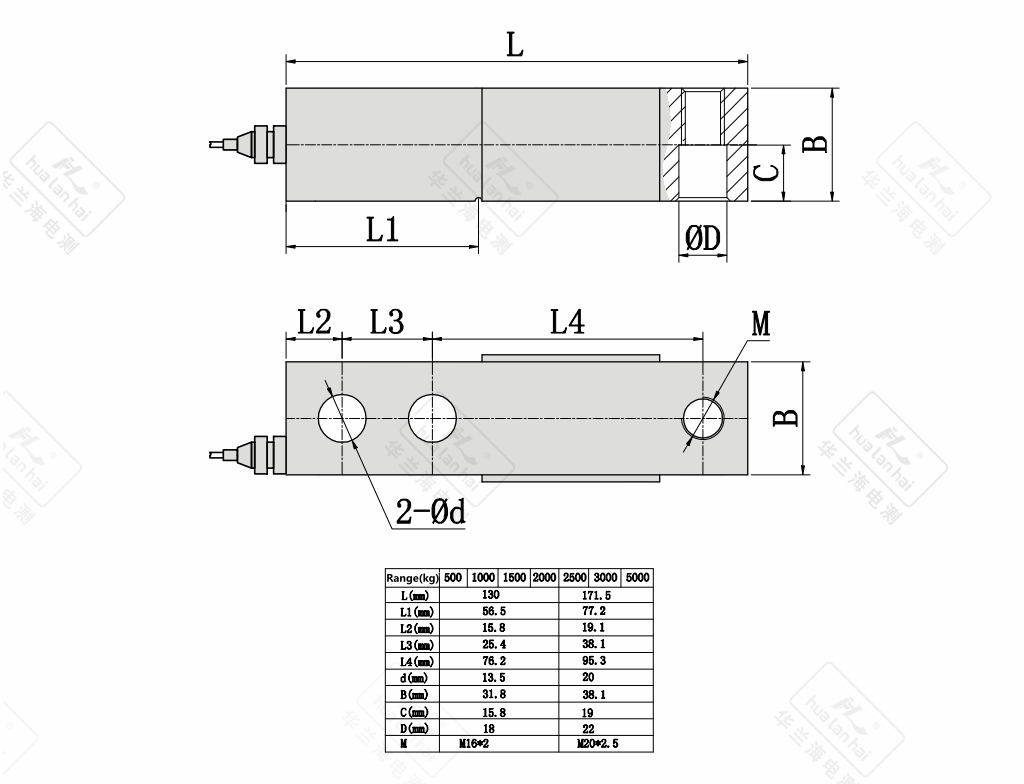
The cantilever beam weighing sensor CZL803 is a force-sensitive detection element engineered on strain resistance principles, featuring a cantilever beam-shaped elastic body fixed at one end and suspended at the other. This innovative design defines the core architecture of the CZL803 cantilever beam load cell. When subjected to force, the bending deformation of the beam activates strain gauges to produce resistance changes, which are then converted into standardized electrical signals. The cantilever beam sensor combines exceptional advantages including medium-range load capacity, flexible installation space, and strong impact resistance. These attributes make it ideal for scenarios with concentrated forces in medium and low load applications, such as industrial material tanks, platform scales, and belt scales. This comprehensive guide provides detailed information spanning core dimensions to technical specifications, enabling informed product selection and system integration.
1. Product Features and Core Functions
Core Features
1) Structural Design: The cantilever beam sensor adopts an integrated cantilever beam structure with beam thickness ranging from 8 to 50mm and length spanning 50 to 300mm. Multiple mounting holes at the fixed end significantly enhance structural stability. The stress concentration at the loaded end focuses in the beam's middle section, supporting vertical downward concentrated load measurement with outstanding impact resistance. This CZL803 weighing sensor can withstand instantaneous impact loads of 200% to 300% of the rated load while maintaining exceptional stress transfer efficiency.
2) Precision Performance: The cantilever beam load cell accuracy class spans C3 to C6, with mainstream models achieving C3 classification. Superior precision metrics include nonlinearity error ≤ ±0.02%FS, repeatability error ≤ ±0.01%FS, and zero drift ≤ ±0.003%FS/℃. This accuracy stability significantly outperforms comparable sensors in medium-range scenarios spanning 50kg to 5t applications.
3) Materials and Protection: The elastic body material commonly utilizes alloy steel grades Q235 or 40CrNiMoA, or alternatively 304/316L stainless steel compositions. Surface treatment involves shot blasting and rust removal followed by nickel plating for alloy steel, or passivation treatment for stainless steel variants. The protection class typically reaches IP66/IP67, with industrial heavy-duty models achieving IP68 ratings. This robust protection ensures reliable performance in complex industrial environments featuring dust, humidity, and chemical exposure.
4)Installation Compatibility: The fixed end supports both bolt fastening and welding attachment methods, while the loaded end connects via threads, flanges, or pressure heads. This CZL803 industrial load cell suits multi-position installation at equipment bottom, side, or bracket locations. Single or multiple cantilever beam sensors can operate in parallel configuration, delivering exceptional combination flexibility and system scalability.
Core Functions
1) Medium-Range Force Measurement: The CZL803 cantilever beam load cell focuses on static and quasi-dynamic weighing of medium and low loads with response time ≤ 7ms. The measurement range covers 50kg to 20t, with typical applications concentrated in the 1t to 10t range. Certain heavy-duty models extend to 50t capacity, comprehensively addressing most industrial medium-load measurement requirements.
2)Standardized Signal Output: The cantilever beam weighing sensor provides analog signals including 4-20mA, 0-5V, and 0-10V outputs, complemented by digital signals such as RS485/Modbus RTU. Select industrial-grade models support the HART protocol, enabling direct integration with PLC, DCS, and weighing management systems without requiring additional signal conditioning modules.
3)Safety Protection Function: The CZL803 load cell integrates comprehensive wide-temperature range compensation spanning -20℃ to 80℃, providing reliable operation across seasonal variations. Overload protection accommodates 150% to 250% of rated load, with alloy steel models reaching 300% capacity. Explosion-proof variants carry Ex d IIB T4/Ex ia IIC T6 certifications, while certain models include cable anti-pull-off connectors for enhanced safety.
4) Long-Term Reliability: The cantilever beam sensor demonstrates fatigue life ≥ 10⁶ load cycles, with annual drift ≤ ±0.015%FS under rated load conditions. This exceptional durability suits long-term continuous operation in industrial production lines, material tank monitoring systems, and demanding process control applications.
2. Core Problems Solved
1) Difficulty in Edge Installation of Equipment: The cantilever beam load cell architecture addresses traditional sensor limitations requiring symmetrical installation. The one-end-fixed structure enables direct installation on equipment bottom edges or bracket sides, solving insufficient installation space challenges in silos, platform scales, and similar equipment where central mounting proves impractical.
2) Measurement of Concentrated Load in Medium Range: Within the 1t to 10t medium range, optimized cantilever beam stress design confines concentrated load measurement error within ±0.02%FS, fulfilling accuracy requirements for industrial batching and finished product weighing applications.
3) Damage from Dynamic Impact Load: The cantilever beam elastomer buffer deformation characteristics effectively absorb instantaneous impacts from material drops and equipment vibration, preventing the accuracy drift and premature failure common in traditional sensors operating under dynamic conditions.
4) Multi-sensor Combined Weighing: The cantilever beam sensor exhibits excellent batch consistency with error ≤ ±0.01%FS, supporting 2 to 4 parallel combination configurations. This capability resolves weight superposition and accuracy uniformity challenges in distributed force scenarios including large platform scales and multi-point silo installations.
5) Adaptation to Harsh Industrial Environments: Advanced alloy steel material selection combined with IP67 and higher protection level design effectively addresses sensor corrosion and signal abnormalities in harsh environments featuring dust exposure, high humidity, and chemical corrosion risks inherent to mining, chemical processing, and electroplating operations.
3. User Experience
1) High Installation Flexibility: Standardized mounting holes at the fixed end ensure compatibility with diverse equipment structures, eliminating specialized positioning tools. Installation and calibration procedures utilize only a standard level, enabling single technician completion of sensor fixing and wiring within 20 minutes per unit.
2) Easy Operation and Calibration: The cantilever beam sensor supports one-key zeroing functionality on weighing instruments. The three-point calibration process at 25%, 50%, and 100% of rated load proves ideal for medium-range scenarios, while digital model variants enable remote parameter configuration and calibration through host computer software.
3) Controllable Maintenance Cost: The fully sealed cantilever beam structure minimizes dust intrusion, delivering average annual failure rates ≤ 0.5%. Core components including strain gauges and terminals feature independent packaging, allowing localized fault repair without complete sensor replacement.
4) Stable Data Feedback: Static measurement data exhibits fluctuation ≤ ±0.005%FS with rapid response in quasi-dynamic scenarios such as belt conveyor applications. Digital model variants incorporate built-in fault diagnosis providing real-time alerts for abnormal conditions including overload and supply voltage irregularities.
5) Strong Combination Adaptability: Multiple parallel-connected cantilever beam load cells feature automatic load distribution capability, eliminating separate equalizer requirements. This adaptation suits platform scales and silo installations of varying sizes while significantly reducing system integration complexity.
4. Typical Application Scenarios
1) Weighing of Industrial Silos/Hoppers
• Chemical Raw Material Tanks: The CZL803 cantilever beam load cell measures 1 to 10t chemical storage tanks with 2 to 4 sensors symmetrically installed on tank bottom brackets. Alloy steel material provides excellent corrosion resistance while IP67 protection suits humid workshop environments. Accuracy of ±0.02%FS ensures precise inventory measurement and process control.
• Feed/Flour Hoppers: The cantilever beam weighing sensor measures batching hoppers in grain processing with sensors installed on bottom support legs. Anti-impact design withstands material drop forces while integrating with control systems for accurate automated feeding operations.
2) Weighing of Belt Scales/Conveyors
• Industrial Belt Scales: The cantilever beam sensor measures bulk material conveying in mining and power generation with installation on idler brackets. Supporting combined load from belt and materials, response time ≤ 7ms suits continuous conveying while ±0.1% measurement accuracy meets operational requirements.
• Conveyor Integration: Applied for in-line weighing and sorting in electronics and food manufacturing. Embedded cantilever beam sensors at conveyor bottoms detect real-time product weight and interact with sorting mechanisms, delivering medium-range accuracy suitable for mass production demands.
3) Small and Medium-sized Platform Scales
• Workshop Platform Scale: The CZL803 load cell supports 1-5t workshop platform scales with four sensors installed at corners. Fixed end fastens to ground while load-bearing ends support scale platform load. Anti-off-center load capacity ensures consistent weighing accuracy regardless of load positioning.
• Forklift Truck Scale: Portable forklift weighing devices utilize cantilever beam sensors on fork carriage to measure goods vertical load. Alloy steel impact-resistant material suits dynamic weighing demands during active forklift operations.
4) Force Control of Automation Equipment
• Pressure Monitoring of Stamping Equipment: Cantilever beam load cells monitor small stamping machine pressure between stamping head and machine body, providing real-time stamping force feedback to prevent mold overload damage. Accuracy of ±0.01%FS ensures stamping quality standards.
• Force Control of Robot Assembly: The cantilever beam sensor integrates at industrial robotic arm ends for assembly pressure detection and force adjustment during automotive and electronic component assembly processes.
5) Special Industry Applications
• Explosion-proof Scenarios: Coal mine and oil/gas industry explosion-proof weighing equipment utilizes Ex d IIB T4 certified cantilever beam sensors installed in explosion-proof enclosures meeting explosive environment safety regulations.
• Corrosive Environments: Electroplating and chemical industry applications employ 316L stainless steel cantilever beam sensors with passivation surface treatment, providing superior acid-base corrosion resistance for electroplating solution and chemical reagent weighing applications.
5. Usage Instructions (Practical Guide)
1) Installation Process
• Preparation: Clean installation surfaces ensuring flatness, absence of oil contamination, with flatness error ≤0.1mm/m. Inspect sensor appearance for beam deformation or cable damage. Select M12-M24 specification mounting bolts appropriate for the load range.
• Positioning and Fixing: Securely fasten the fixed end to equipment bracket with bolts, ensuring firm attachment without looseness. Align load-bearing end with load-bearing structure directing load vertically on beam body, avoiding lateral or torsional forces.
• Wiring Specification: For analog signals, follow "red - power +, black - power -, green - signal +, white - signal -" wiring protocol. Connect digital signals per corresponding Modbus protocol pins. Maintain ≥15cm distance from interference sources including frequency converters.
• Protection Treatment: Install rain covers for outdoor deployment. Seal cable joints with waterproof junction boxes in humid environments. Apply specialized anti-corrosion coating to non-load-bearing sensor surfaces in corrosive settings.
2) Calibration and Debugging
• Zero Calibration: Enable power supply and preheat 30 minutes, then execute "zero calibration" command ensuring zero output within ±0.002%FS range. Investigate excessive deviation by checking installation firmness and lateral force presence.
• Load Calibration: Sequentially place standard weights at 25%, 50%, and 100% of rated load, recording output signal values at each point. Correct linear error through calibration software ensuring error ≤ Class C3 allowable value of ±0.02%FS.
• Linear Test: Select 5 uniformly-distributed test points within measurement range verifying output signal linearity. Linearity error must remain ≤ ±0.015%FS ensuring full-scale accuracy stability across the measurement band.
3) Routine Maintenance
• Regular Inspection: Monthly cleaning of sensor surface dust and oil with tightness verification of fixing bolts. Quarterly zero-point calibration execution with annual full-scale calibration and performance testing completion.
• Fault Handling: Data drift investigation begins with power supply voltage stability verification (maintain 12-24V DC). Abnormal reading investigation includes overload detection (exceeding 300% rated load may cause damage) and beam deformation assessment with sensor replacement if necessary.
6. Selection Method (Precisely Match Requirements)
1) Determination of Core Parameters
• Range Selection: Select cantilever beam load cell models with range 1.3-1.6 times actual maximum load (for 5t maximum load, select 6.5-8t sensor) reserving capacity for impact load and safety margin.
• Accuracy Class: Select Class C3 (error ≤ ±0.02%FS) for industrial metrology, Class C6 (error ≤ ±0.03%FS) for general monitoring, and Class C3 model with response time ≤ 7ms for dynamic weighing applications.
• Signal Type: Choose analog signals (4-20mA) for traditional control systems, digital signals (RS485) for intelligent systems, and wireless transmission module models for industrial IoT scenarios.
2) Environmental Adaptability Selection
• Temperature: Select ordinary cantilever beam sensor models for normal scenarios (-20°C~60°C), high-temperature compensation models for elevated temperatures (60°C~120°C), and low-temperature-resistant models for cold scenarios (-40°C~-20°C).
• Medium: Choose alloy steel (nickel-plated) for dry environments, 304 stainless steel for humid/slightly corrosive conditions, and 316L stainless steel for highly corrosive environments featuring acid-base solutions.
• Protection Class: Select ≥IP66 for indoor dry environments, ≥IP67 for outdoor/humid conditions, and ≥IP68 for underwater or dust-intensive applications.
3) Installation and System Compatibility
• Installation Method: Select bolt fixing for equipment bottom installation, flange connection for side mounting. For multi-sensor weighing systems, choose digital cantilever beam models supporting address coding avoiding signal conflicts.
• Compatibility: Confirm sensor signal compatibility with existing meter/PLC communication protocols. For Siemens PLC integration, preferentially select cantilever beam sensor models supporting Profibus protocol reducing integration complexity.
4) Confirmation of Additional Requirements
• Certification Requirements: Explosion-proof applications require corresponding explosion-proof certification (Ex d I for coal mines, Ex ia IIC T6 for chemical industries). Metrology scenarios require CMC certification while export products need OIML certification.
• Special Features: Dynamic weighing applications should select impact-resistant enhanced cantilever beam models (impact load ≥300%FS). Remote monitoring scenarios require models with NB-IoT/LoRa modules. High-temperature applications demand dedicated models with temperature compensation chips.
Summary
The cantilever beam weighing sensor CZL803 delivers core advantages of "precision in medium range, flexible installation, and strong impact resistance", specifically addressing edge installation challenges, concentrated load measurement requirements, and dynamic impact protection in industrial medium-load applications. User experience emphasizes convenient installation, worry-free maintenance, and excellent system compatibility. Proper model selection requires clarifying four core requirements: range, accuracy, installation location, and operational environment, followed by system compatibility and feature evaluation. During operation, avoid lateral forces and overloading while strictly adhering to regular calibration specifications for sustained stable long-term performance. The CZL803 cantilever beam load cell suits industrial material tanks, belt scales, small and medium-sized weighing systems, and comparable applications, representing the mainstream sensing solution for industrial low to medium-load weighing scenarios requiring robust, reliable measurement.
Detail Display
Parameters
| Parameter Name | Parameter Value |
| Sensor range | 500kg ~ 5000kg |
| Accuracy class | C2/C3 |
| Comprehensive error | ±0.03 & ±0.02% FS |
| Output sensitivity | 2.0±0.003 mV/V |
| creep | ±0.023 & ±0.016% FS/30min |
| Zero output | ±1.5% FS |
| Input impedance | 350±5Ω |
| Output impedance | 350±3Ω |
| insulation resistance | ≥5000 MΩ(100VDC) |
| Influence of zero temperature | ±0.029 & ±0.019% FS/10℃ |
| Sensitivity temperature effect | ±0.017 & ±0.011% FS/10℃ |
| Temperature compensation range | -10℃ ~ +40 ℃ |
| Operating temperature range | -30℃ ~ +70 ℃ |
| Excitation voltage | 5VDC ~ 12VDC |
| Safe overload range | 150% |
| Limit overload range | 200% |
| Material Science | Alloy Steel |
| Protection level | IP66 |