EN
EN

- Overview
- Recommended Products
- High-Temperature Resistance: The PT123 pressure transmitter features a wide operating temperature range with advanced high-temperature-resistant materials, enabling direct contact with extreme-temperature melts without performance degradation or material damage.
- High-Pressure Resistance and Viscosity Management: Engineered to cover broad measurement ranges, the melt pressure sensor withstands impact pressures from intense melt flow dynamics. Optimized probe structures—including flush diaphragm and wedge-shaped diaphragm designs—prevent adhesion and clogging from high-viscosity melts, significantly reducing measurement errors and ensuring reliable data acquisition.
- Corrosion and Interference Resistance: Medium-contacting components utilize premium corrosion-resistant alloys and ceramic coatings to resist erosion from acidic, alkaline, and organic solvent-based melts. Integrated electromagnetic shielding modules effectively counter grid interference and vibration interference, making the high temperature pressure sensor ideal for high-frequency vibration environments such as extruders and injection molding machines.
- High Precision and Repeatability: Measurement accuracy reaches ±0.1%FS to ±0.25%FS with linearity ≤±0.2%FS and repeatability ≤±0.1%FS, ensuring consistent data performance that meets the stringent demands of precision production applications.
- Temperature Compensation Function: The PT123 transmitter incorporates multi-point temperature compensation algorithms that offset temperature drift under high-temperature conditions, maintaining stable and accurate pressure readings across an extended temperature operating range.
- Flexible Output Signals: Supporting industrial standard signals including analog outputs (4-20mA, 0-10V, 0-5V) and digital signals (HART, RS485-Modbus, Profibus), this pressure transmitter integrates seamlessly with PLCs, DCS systems, and industrial computers, facilitating effortless automation integration and system compatibility.
- Integrated and Modular Design: The PT123 melt pressure sensor features a compact form factor with customizable probe lengths to accommodate different equipment barrel and die depths. Flexible installation methods—including threaded installation (M14/M18/M22), flange installation, and clamp installation—require minimal equipment modifications, streamlining deployment across diverse manufacturing setups.
- Overload and Explosion Protection: Equipped with 150%–200%FS overload protection to prevent damage from sudden pressure fluctuations, the high temperature melt pressure sensor includes optional Ex d II CT4 explosion-proof certification, making it suitable for applications involving flammable and explosive melt processing, such as solvent-based rubber production environments.
- Real-Time Display: Premium models feature integrated LCD/LED display heads enabling direct pressure reading without dependence on external control systems, facilitating on-site inspections and diagnostics.
- Alarm Output: Configurable pressure threshold limits trigger switch alarms (relay output) upon exceedance, enabling automatic equipment shutdown or process adjustment to prevent product quality degradation and equipment damage.
- Remote Calibration: HART protocol support enables remote calibration capabilities, eliminating the need for sensor disassembly and substantially reducing maintenance complexity and production downtime.
- Environmental Condition Adaptation: Eliminates sensor burnout and accelerated aging caused by inadequate high-temperature resistance, successfully adapting to extreme environments including extruder dies, injection molding machine barrels, and molten metal transport pipelines.
- Measurement Precision Enhancement: Addresses critical data drift and large measurement errors resulting from high-viscosity melt adhesion and pressure fluctuations, ensuring consistent product parameters such as uniform plastic film thickness, consistent pipe dimensions, and reliable rubber product density.
- Equipment Safety Assurance: Enables real-time melt pressure monitoring to prevent catastrophic equipment failures including die explosion, pipeline rupture from excessive pressure, material transport blockages, and product shortages from insufficient pressure conditions.
- Maintenance Cost Reduction: Superior corrosion and clogging resistance dramatically reduce sensor disassembly, cleaning, and replacement frequency, lowering operational downtime and maintenance expenses. Traditional sensors may require monthly maintenance intervals, while the PT123 transmitter extends service intervals to quarterly or annual schedules.
- Automation Integration Support: Standardized signal outputs ensure compatibility with established industrial control systems, resolving legacy sensor incompatibility issues and enabling seamless production automation upgrades.
- Convenient Installation: Multiple installation options accommodate various equipment interfaces, enabling installation and commissioning in 10–30 minutes without specialized tools. The flush probe design prevents melt residue accumulation, simplifying post-installation cleaning procedures.
- Stable and Reliable Performance: Mean Time Between Failures (MTBF) ≥20,000 hours with minimal annual data drift (≤±0.1%FS/year) significantly reduces calibration frequency and process adjustments.
- User-Friendly Operation: Analog signal outputs provide plug-and-play functionality, while digital signal variants support remote parameter configuration. Display-equipped models enable direct on-site pressure reading without connecting to computer systems or control cabinets.
- Strong System Compatibility: The high temperature melt pressure sensor integrates seamlessly with mainstream industrial controllers including Siemens, Mitsubishi, and Rockwell PLCs alongside modern DCS platforms, eliminating requirements for additional signal conversion hardware and reducing system integration costs.
- Outstanding Durability: Comprehensive overload protection, vibration resistance, and advanced corrosion resistance extend operational service life while maintaining consistent performance under severe processing conditions, substantially reducing sensor replacement frequency and lifecycle costs.
- Extruders: The PT123 high temperature melt pressure sensor monitors pressure in extrusion dies and barrels during PE, PVC, and PP pipe extrusion, plastic film blowing, and rubber seal production, controlling extrusion velocity and product wall thickness.
- Injection Molding Machines: The pressure transmitter monitors barrel and nozzle pressure during injection molding processes, preventing product defects including material shortfalls, burr formation, and sink marks while ensuring dimensional precision of injection-molded components.
- Vulcanizers: Controls pressure throughout rubber product vulcanization cycles, ensuring uniform vulcanization completion and maximizing product strength and elasticity characteristics.
- Spinning Machines: This high temperature pressure sensor monitors melt pressure at spinnerets during polyester, nylon, and spandex fiber production, controlling filament diameter uniformity and preventing breakage or fuzz formation.
- PET Melt Transportation: Monitors pressure within PET melt distribution pipelines, ensuring stable delivery to spinning components and preventing flow disruptions.
- High-Temperature Molten Metals: The melt pressure sensor monitors pressure within molten steel, aluminum, and copper transport pipelines and casting molds, preventing catastrophic melt overflow or insufficient casting scenarios.
- Refractory Material Molding: Controls pressure during ceramic slurry and glass melt molding operations, guaranteeing consistent product density and structural integrity.
- Reactors: Monitors medium pressure within high-temperature, high-pressure reactor vessels used in chemical synthesis and polymer material polymerization processes.
- High-Temperature Coatings: Controls transportation pressure of molten coatings and adhesives, ensuring uniform application characteristics across target surfaces.
Product Introduction
High-Temperature Melt Pressure Sensors and Transmitters
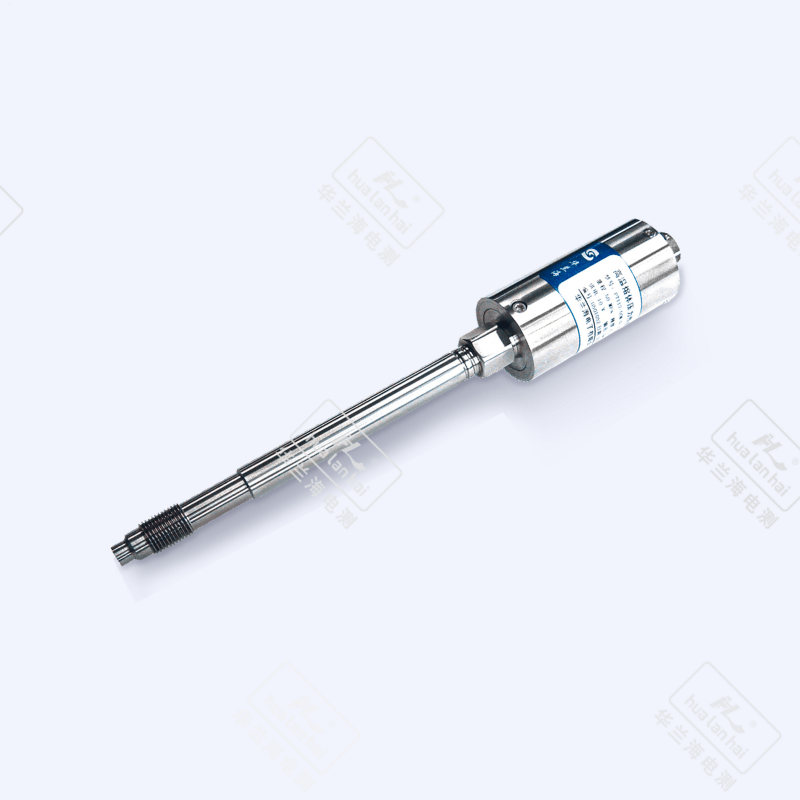
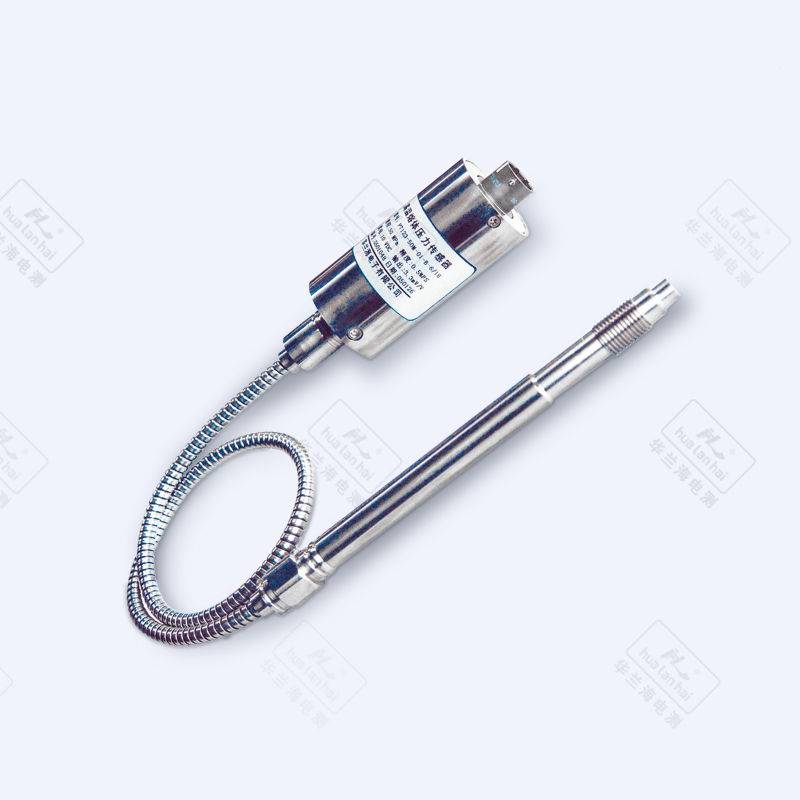
The PT123 high temperature melt pressure sensor represents a breakthrough in industrial measurement technology, engineered specifically for demanding high-temperature, high-pressure, high-viscosity, and corrosive medium applications. This advanced melt pressure sensor continuously monitors critical pressure parameters of various melts—including plastics, rubber, molten metals, and chemical fiber raw materials—delivering essential data to support precise process control, maintain quality stability, and ensure equipment safety. Widely recognized across rubber/plastic processing, metallurgical, and chemical fiber industries, the high temperature pressure sensor plays an indispensable role in modern production environments, enabling manufacturers to optimize output while minimizing equipment downtime and maintenance costs.
1. Core Features and Functions
1) Adaptability to Extreme Working Conditions
2) Precise Measurement and Stable Output
3) Structural and Installation Advantages
4) Additional Functions (Select High-End Models)
2. Core Industry Pain Points Addressed
In high-temperature melt processing environments, conventional pressure sensors—such as standard strain-gauge sensors and basic ceramic sensors—demonstrate critical limitations including insufficient high-temperature durability, susceptibility to clogging, measurement precision deterioration, and shortened operational lifespan. The PT123 high temperature pressure sensor directly resolves these industry challenges:
3. User Experience Highlights
4. Typical Application Scenarios
1) Rubber and Plastic Industry
2) Chemical Fiber Industry
3) Metallurgical Industry
5) Other Specialized Applications
Summary
The PT123 high temperature melt pressure sensor delivers exceptional value through precise and stable measurement performance under extreme operational conditions. By comprehensively addressing pressure monitoring challenges inherent in high-temperature, high-pressure, and high-viscosity media processing, this advanced pressure transmitter ensures production safety while enhancing product consistency and quality outcomes. As critical infrastructure for automated and intelligent production systems across rubber/plastic processing, chemical fiber manufacturing, and metallurgical industries, the PT123's flexible installation options, exceptional system compatibility, and extended service life capabilities reduce comprehensive operational costs while boosting manufacturing efficiency and equipment uptime.
Detail Display
Parameters
| Parameter Name | Parameter Value |
| Pressure Range | 0-10MPa ~ 0-150MPa |
| Accuracy | 0.3% FS;0.5% FS;1.0% FS;1.5% FS |
| Output Signal | 2mV/V;3.3mV/V |
| Excitation Voltage | 10(6 ~ 12)VDC |
| Electric Connection | 6 Pins Plug |
| Diaphragm Temp | 0 ~ 200-400℃ |
| Environment Temperature | -10℃ ~ 80℃ |
| Thermocouple Model | ------- |
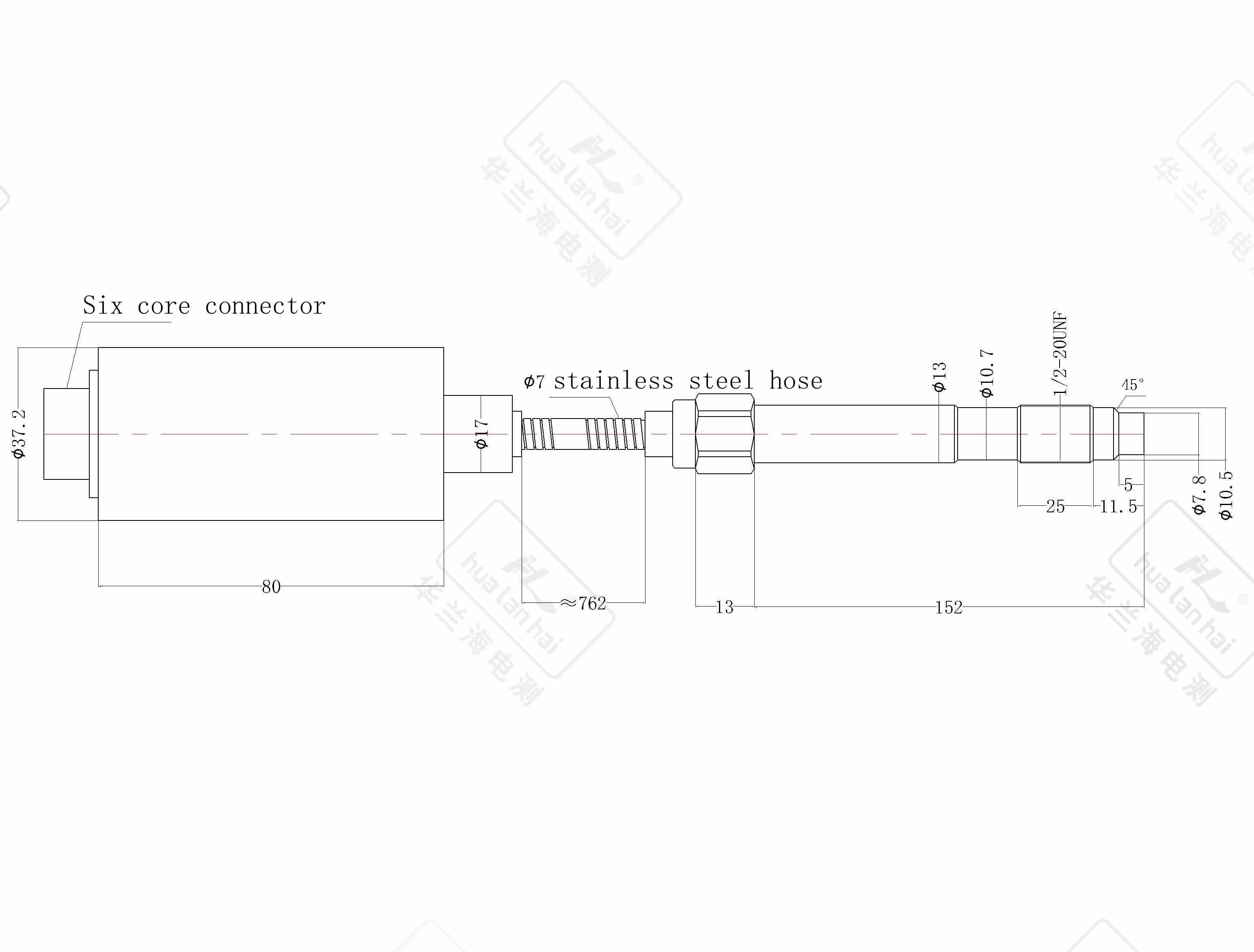
| Thread Connection | M14×1.5;M22×1.5;M12×1.5;1/2-20UNF;Customize |