EN
EN

- Overview
- Recommended Products
Product Introduction
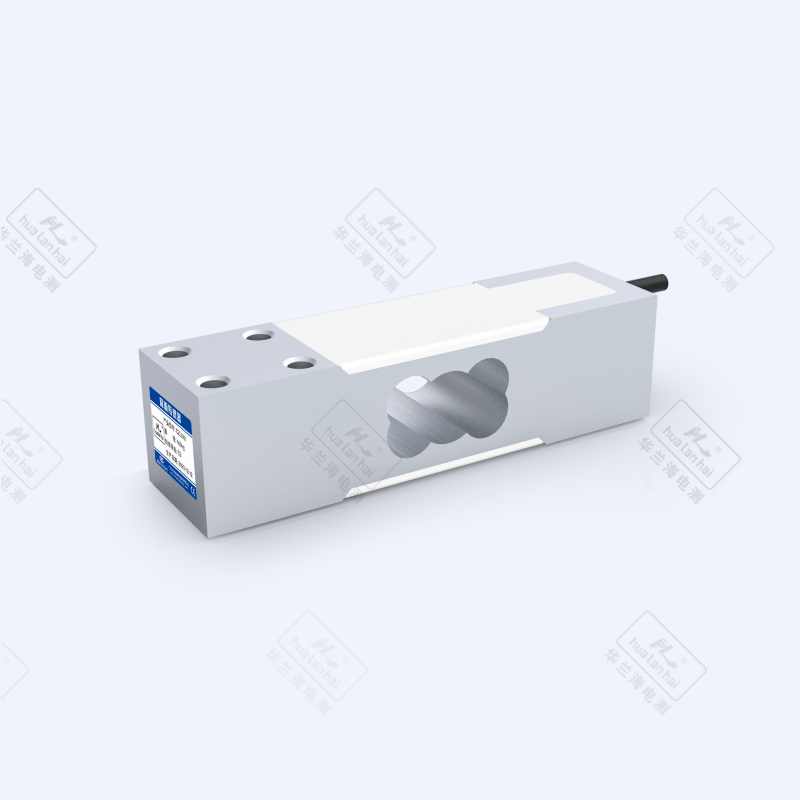
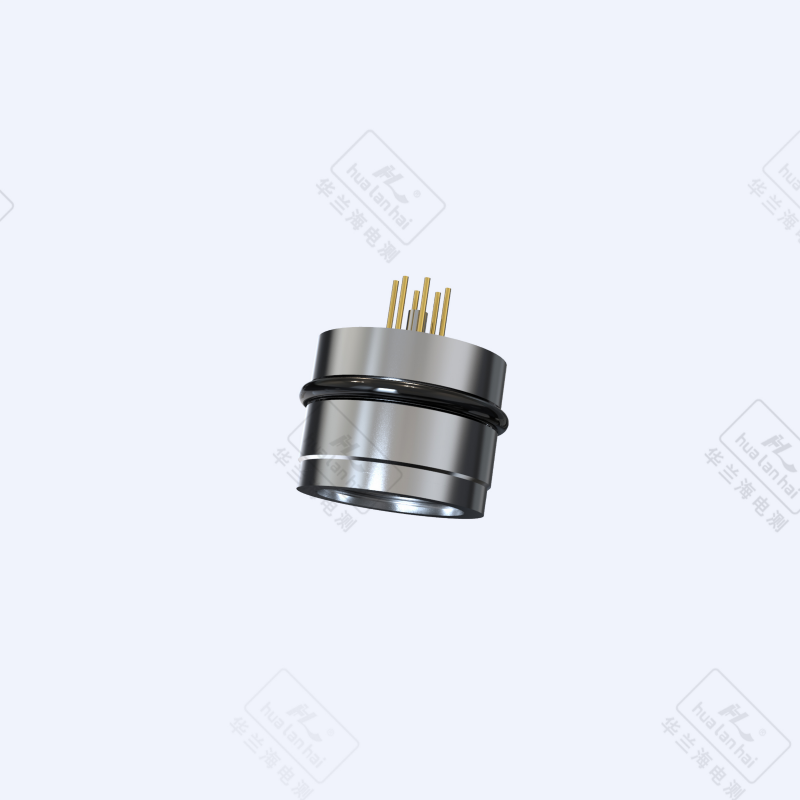
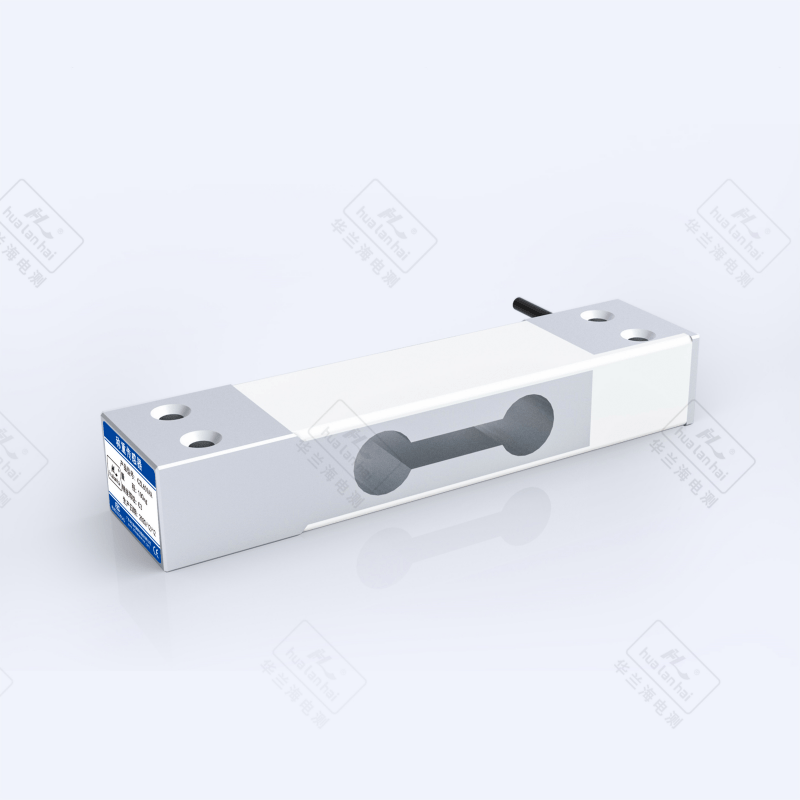
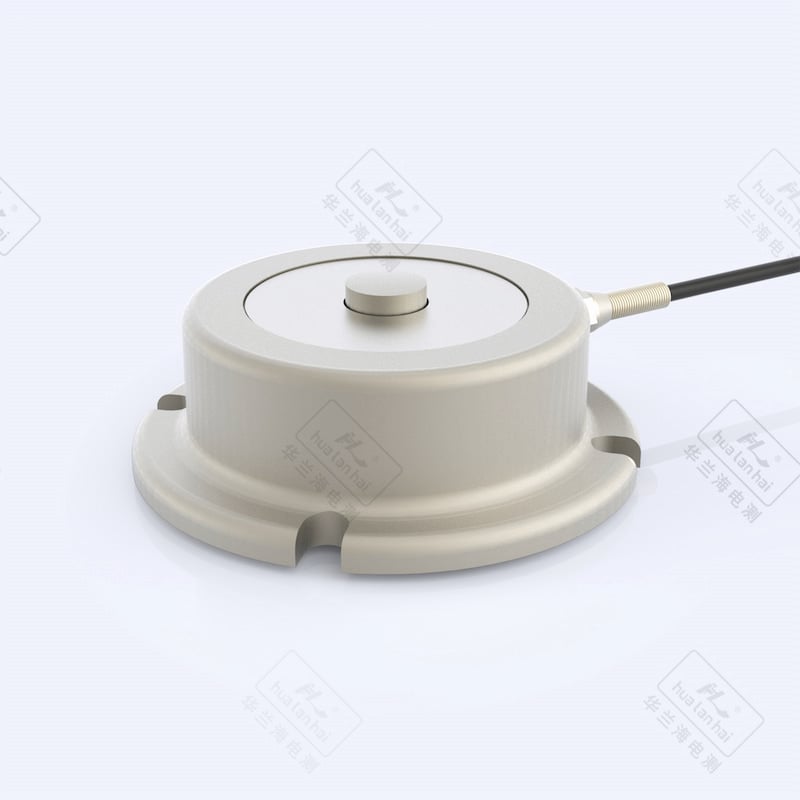
The Sensor Elastomer CZL201 is a force-sensitive detection element engineered on the principle of strain resistance, featuring a distinctive spoke-shaped elastomer core structure. When subjected to force, the elastomer's deformation activates the strain gauge to produce a measurable change in resistance, which converts into a reliable electrical signal. The CZL201 sensor elastomer combines exceptional advantages including compact structural design, outstanding anti-eccentric load capacity, and superior durability. This load cell elastomer is widely deployed in medium to low load weighing scenarios where space is limited. The following comprehensive guide details core dimensions and specifications to support product selection, technical evaluation, and solution development.
1. Product Features and Functions
Core Features
• Structural Design: The CZL201 sensor elastomer adopts a sophisticated spoke-type integrated structure where the rim and hub are connected by precision-engineered spokes, with height typically ranging from 20 to 80 mm. This design delivers uniform rigidity distribution, exceptional resistance to eccentric load and lateral force (capable of withstanding eccentric load forces of ±15% to ±20% of rated load), and effective dispersion of non-axial load impacts, ensuring robust force-bearing stability.
• Precision Performance: The CZL201 load cell elastomer delivers precision levels spanning C2 to C6, with mainstream models achieving C3 classification. Nonlinear error remains ≤ ±0.02%FS, repeatability error ≤ ±0.01%FS, and zero drift is controlled within ≤ ±0.003%FS/°C. The sensor demonstrates excellent precision retention during dynamic intermittent load scenarios.
• Materials and Protection: The elastomer commonly utilizes alloy steel with yield strength ≥ 900 MPa or premium 304/316L stainless steel. Surfaces are passivated or nickel-plated to enhance corrosion resistance. Protection ratings typically achieve IP66/IP67, with specialized customized models reaching IP68, making the CZL201 ideal for humid and dusty industrial environments.
• Installation Compatibility: Upper and lower end faces feature bolt fixing or flange connection options, with certain models supporting thread adaptation. The load cell elastomer maintains minimal installation height (as low as 18 mm), perfectly suited for narrow spaces subject primarily to vertical forces. Multiple units can be used independently or combined for enhanced capacity.
Core Functions
• Weight/Force Value Detection: The CZL201 supports static weighing and quasi-dynamic weighing with response time ≤ 8 ms. Measurement range covers 0.1 t to 200 t, with typical applications concentrated in the 1 t to 50 t range. Specialized customized models can accommodate requirements exceeding 200 t.
• Signal Output: This sensor elastomer provides standard analog signals (4-20 mA, 0-5 V, 0-10 V) and digital signals (RS485/Modbus RTU), with select intelligent models supporting the CANopen protocol. Direct connection to PLC, DCS, and weighing management systems is seamlessly enabled.
• Additional Functions: The CZL201 integrates wide temperature range compensation (-30°C to 80°C), incorporates overload protection (150% to 250% of rated load), and explosion-proof variants are certified Ex d IIB T4 Ga/Ex ia IIC T6 Ga. Certain models feature built-in cable anti-pull design for enhanced durability.
• Long-Term Reliability: This elastomer load cell demonstrates fatigue life ≥ 10⁷ cycles, excellent continuous operation stability under rated load, and annual drift ≤ ±0.015%FS, making it ideal for long-term continuous operation in demanding industrial scenarios.
2. Core Problems Solved
• Inaccurate Measurement Under Eccentric Load Conditions: The Sensor Elastomer CZL201 addresses measurement error issues in traditional sensors under non-axial loads through optimized force transmission in the spoke-type structure. Eccentric load error is controlled within ±0.03%FS, effectively resolving accuracy challenges in scenarios such as silo eccentricity and material impact.
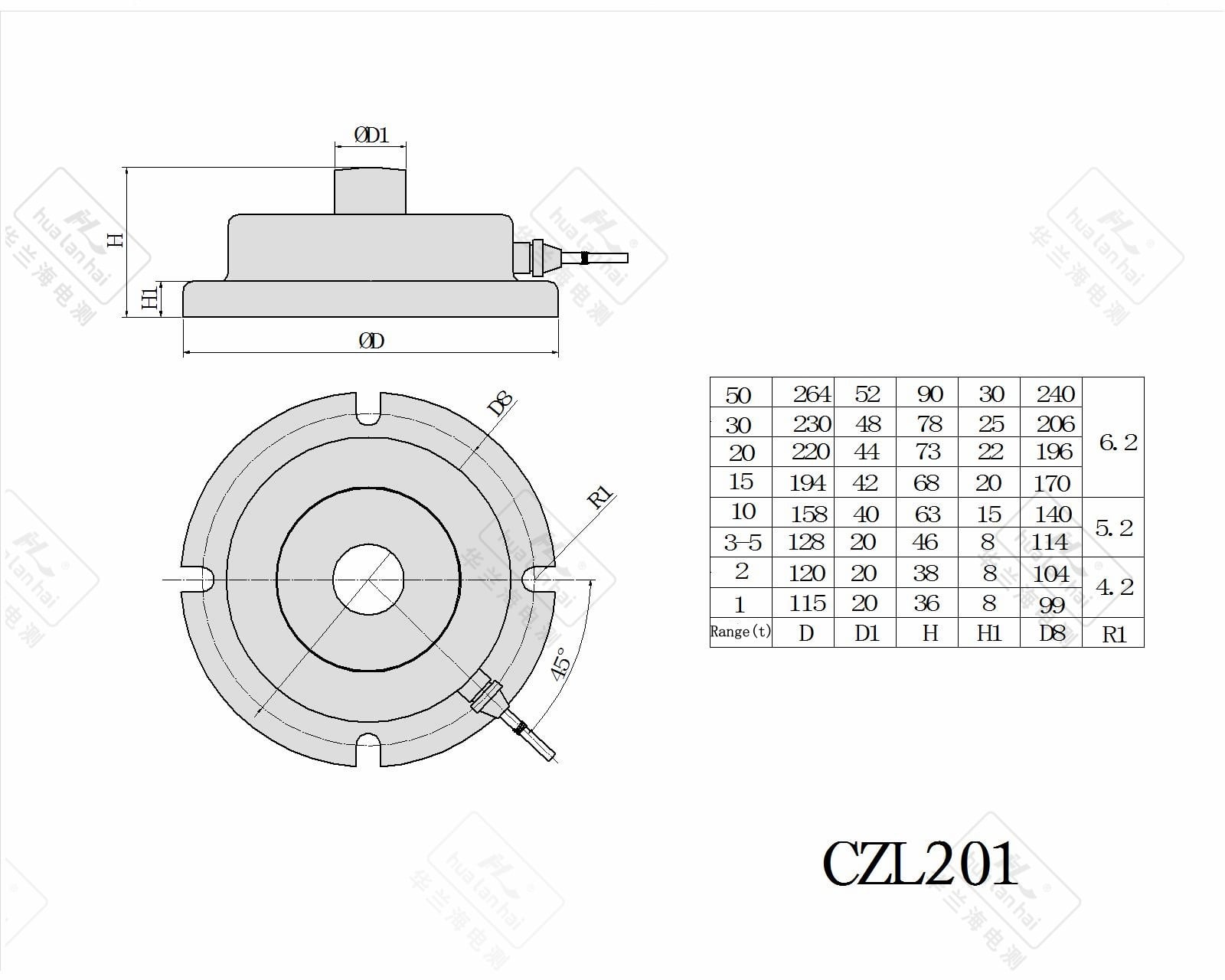
• Difficult Installation in Confined Spaces: The CZL201's "short and thick" structural characteristics (diameter 50-200mm, height 20-80mm) solve adaptation problems in space-constrained environments including equipment interiors, compact weighing instruments, and embedded weighing modules, eliminating the need for additional redundant space.
• Prone to Damage Under Vibration and Impact: The elastomer's uniform stress distribution improves impact resistance by over 30% compared to column-type sensors. This effectively prevents permanent deformation in scenarios involving mechanical vibration and material drop impacts, significantly extending service life.
• Insufficient Adaptability to Multiple Scenarios: Material upgrades (316L stainless steel) and enhanced protection (IP68) resolve sensor corrosion issues in humid and corrosive environments including food processing and chemical batching. The explosion-proof model variant meets safety requirements for flammable and explosive atmospheres.
• Cumbersome System Integration and Docking: The CZL201 supports multiple signal output types and mainstream industrial protocols, solving compatibility challenges with different PLC brands (Mitsubishi, Schneider) and weighing instruments. This reduces investment in intermediate equipment such as signal converters.
3. User Experience
• Installation Convenience: Standardized end-face mounting holes and positioning reference surfaces, combined with dedicated mounting gaskets and fastening bolts, enable rapid horizontal positioning without professional calibration tools. A single technician can complete installation and commissioning within 30 minutes.
• Operation and Calibration: One-key zeroing and two-point calibration are supported through the instrument interface, significantly simplifying the calibration process. Only standard weights representing 20% and 100% of rated load are required. Digital models enable remote calibration and parameter configuration through host computer software, reducing operational complexity.
• Low Maintenance Cost: The fully sealed structure minimizes dust and moisture intrusion, with annual average failure rate ≤ 0.3%. Terminal blocks feature anti-loosening design, and cable interfaces include waterproof and dustproof sealing. Daily maintenance requires only quarterly cleaning and zero-point inspection.
• Data Feedback: Static weighing data fluctuation remains ≤ ±0.005%FS with no observable lag in quasi-dynamic scenarios. The digital model incorporates a built-in fault diagnosis module providing real-time feedback on overload, disconnection, and abnormal temperature conditions, facilitating rapid problem identification.
• Compatibility Experience: The CZL201 is compatible with over 95% of weighing control devices on the market. When multiple sensors operate in parallel, automatic load distribution is supported without requiring additional equalizers. Intelligent models connect directly to industrial Internet of Things platforms for remote data monitoring.
4. Typical Application Scenarios
1) Industrial Weighing Equipment Manufacturing
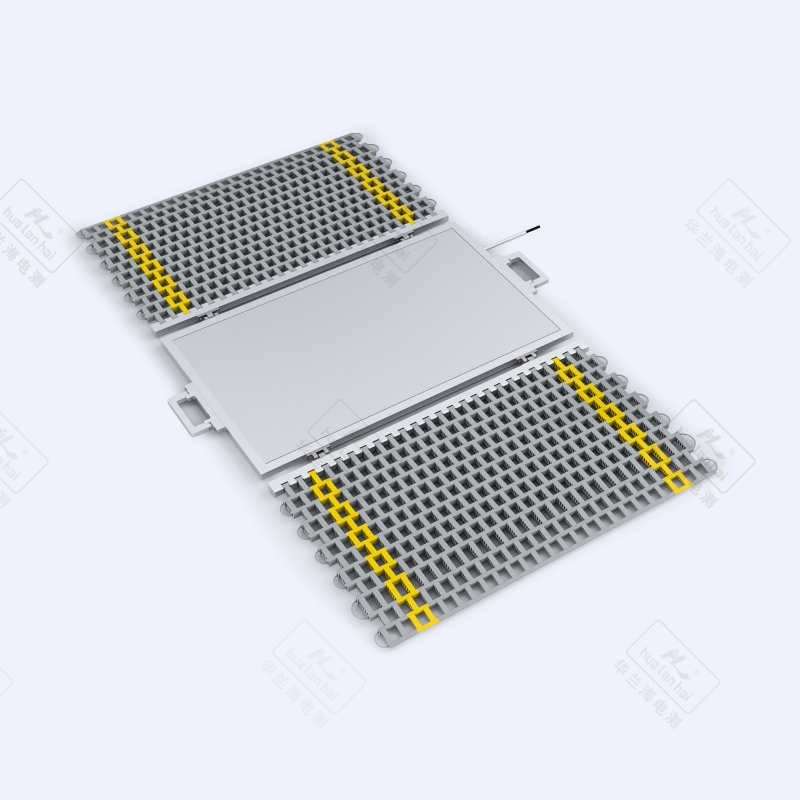
• Small and Medium-sized Platform Scales/Floor Scales: The CZL201 sensor elastomer serves as the core sensing unit for 1-50t platform and floor scales. Its compact structure suits internal installation, while anti-eccentric load characteristics ensure accuracy consistency across different weighing positions, such as supermarket pricing platforms and workshop turnover floor scales.
• Customized Weighing Equipment: This load cell elastomer is deployed in explosion-proof electronic scales and corrosion-resistant chemical scales. The 316L material combined with explosion-proof certification meets specialized industry requirements, while the spoke structure adapts to diverse weighing equipment designs.
2) Engineering and Construction Machinery
• Weighing of Loaders/Shovels: When installed in hydraulic bucket systems, the CZL201 indirectly weighs materials by detecting hydraulic pressure. Its spoke-type structure provides strong anti-vibration and impact capabilities, adapting to harsh construction environments while achieving ±0.5%FS accuracy.
• Pressure Monitoring of Hydraulic Supports: The sensor elastomer monitors working resistance of hydraulic supports in coal mining operations. With explosion-proof certification and IP67 protection, it enables long-term stable operation in dusty and humid environments, providing critical safety data.
3) Industrial Process Control
• Weighing of Small and Medium-sized Material Tanks/Silos: The CZL201 weighs batching tanks and buffer silos in pharmaceutical and food industries. With four sensors symmetrically installed, anti-eccentric load characteristics resolve center-of-gravity shift problems, enabling accurate material feeding in coordination with control systems.
• Weighing of Packaging Machinery: This elastomer load cell serves as a dynamic weighing module for particle packaging machines and liquid fillers. With response time ≤ 8ms and accuracy within ±0.1%FS, it meets high-speed packaging requirements and packaging metrology compliance.
4) Material Testing and Scientific Research Equipment
• Tensile/Compression Testing Machines: The CZL201 provides static force measurement in material mechanics testing. C2-level accuracy satisfies research-level testing requirements, while the spoke structure's uniform stress distribution ensures data repeatability and accuracy.
• Fatigue Testing Equipment: This sensor elastomer monitors loads in component fatigue testing. With cycle life ≥ 10⁷ times and stable mechanical properties, it supports extended testing experiments reliably.
5) Special Industry Applications
• Food and Pharmaceutical Industries: Hygienic-grade 316L stainless steel construction with polished surfaces (Ra ≤ 0.8μm) ensures GMP compliance. The load cell elastomer suits raw material weighing and finished product metering, facilitating easy cleaning and disinfection.
• Mining and Metallurgy: High-temperature variants with compensation range of -40°C to 120°C address ore sorting equipment and metallurgical furnace hopper weighing, adapting to high-temperature and dusty operational requirements.
5. Usage Instructions (Practical Guide)
1) Installation Process
• Preparation: Clean the installation surface ensuring flatness and absence of burrs (flatness error ≤ 0.05mm/m). Inspect sensor appearance for elastomer deformation and cable damage. Verify installation bolt specification compatibility.
• Positioning and Fixing: Place the sensor vertically on the mounting base ensuring axial load transmission. Use torque wrench tightening per specifications (15-40N·m for alloy steel sensors, 10-30N·m for stainless steel). Avoid over-tightening to prevent elastomer damage.
• Wiring Specifications: For analog signals, follow color coding: red for power +, black for power -, green for signal +, white for signal -. For digital signals, connect according to Modbus protocol specifications. Maintain ≥15cm distance from electromagnetic interference sources including frequency converters and high-voltage cables.
• Protection Treatment: In outdoor or humid environments, use waterproof junction boxes for cable joint sealing. Install dust covers on exposed sensor parts. Apply anti-corrosion coating on non-stressed surfaces in corrosive environments.
2) Calibration and Debugging
• Zero Calibration: Enable power and preheat for 20 minutes. Execute "zero calibration" command through weighing instrument or host computer ensuring zero output within ±0.002%FS. If deviation exceeds tolerance, verify installation levelness.
• Load Calibration: Place standard weights sequentially at 20% and 100% of rated load. Record sensor output signal values. Correct linear error through calibration software ensuring error at each point ≤ tolerance for applicable accuracy class (≤±0.02%FS for C3 class).
• Dynamic Debugging: In quasi-dynamic scenarios, adjust instrument filtering parameters (8-15Hz frequency). Test sensor response speed and data stability preventing signal fluctuations from material impact.
3) Routine Maintenance
• Regular Inspection: Clean dust and oil monthly; verify wiring terminal tightness. Perform zero calibration semiannually and complete full-scale calibration with performance testing annually.
• Fault Handling: If data drift occurs, verify power supply voltage stability (10-30V DC) and installation surface flatness. For abnormal signals, inspect cable integrity and strain gauge overload status. Replace sensor if necessary.
6. Selection Method (Precisely Matching Requirements)
1) Determination of Core Parameters
• Range Selection: Select model range 1.3-1.6 times actual maximum load (for 10t max load, select 13-16t sensor). This margin prevents impact load damage.
• Accuracy Class: For industrial metrology, select C3 class (error ≤ ±0.02%FS). For research testing, select C2 class (error ≤ ±0.01%FS). For general monitoring, select C6 class (error ≤ ±0.03%FS).
• Signal Type: Select analog signals (4-20mA) for traditional systems. Choose digital signals (RS485) for intelligent IoT systems. Select CANopen protocol models for construction machinery applications.
2) Selection Based on Environmental Adaptability
• Temperature: For normal scenarios (-30°C to 60°C), select ordinary models. For high-temperature scenarios (60°C to 120°C), select high-temperature compensation variants. For low-temperature scenarios (-50°C to -30°C), select cold-resistant models.
• Medium: For dry environments, select alloy steel. For humid/slightly corrosive conditions, select 304 stainless steel. For highly corrosive environments, select 316L stainless steel or Hastelloy materials.
• Protection Class: For indoor dry environments, specify ≥IP66. For outdoor/humid conditions, specify ≥IP67. For underwater or dust-intensive environments, specify ≥IP68.
3) Installation and System Compatibility
• Installation Method: For narrow spaces, select end-face bolt connections. For large-load applications, select flange connections. When significant eccentric load exists, prefer enhanced models with eccentric load error ≤ ±0.01%FS.
• Compatibility: Confirm sensor signal matches existing instrument/PLC communication protocol. When combining multiple sensors, select digital models supporting address coding to prevent signal conflicts.
4) Confirmation of Additional Requirements
• Certification Requirements: Explosion-proof scenarios require corresponding certifications (Ex d I for coal mining, Ex ia IIC T6 for chemical industries). Food industry applications require FDA/GMP certification. Metrology applications require CMC certification.
• Special Functions: For dynamic weighing, select models with response time ≤ 5ms. For remote monitoring, select intelligent models with LoRa/NB-IoT wireless modules. For high-temperature applications, select specialized models with temperature compensation chips.
Summary
The Sensor Elastomer CZL201 represents advanced spoke-type load cell technology with core advantages including strong anti-eccentric load capability, compact structure, and exceptional stability. This elastomer load cell resolves medium and low load accurate weighing challenges, accommodates limited installation space, and handles biased load conditions. The user experience prioritizes convenient installation, worry-free maintenance, and reliable data feedback. Selection should prioritize range, accuracy, installation space, and environmental requirements, combined with system compatibility and specialized function decisions. During operation, strict adherence to axial force installation and regular calibration protocols ensures long-term stable performance. The CZL201 sensor elastomer serves as an ideal weighing solution for industrial scales, engineering machinery, process control, and specialized applications requiring medium to low load measurement in constrained environments.
Detail Display
Parameters
| Parameter Name | Parameter Value |
| Sensor range | 1t ~ 50t |
| Accuracy class | C1/C2 |
| Comprehensive error | ±0.05 & ±0.03% FS |
| Output sensitivity | 2.0±0.01 mV/V |
| creep | ±0.038 & ±0.023% FS/30min |
| Zero output | ±1.5% FS |
| Input impedance | 700±10Ω |
| Output impedance | 700±5Ω |
| insulation resistance | ≥5000 MΩ(100VDC) |
| Influence of zero temperature | ±0.047 & ±0.029% FS/10℃ |
| Sensitivity temperature effect | ±0.028 & ±0.017% FS/10℃ |
| Temperature compensation range | -10℃ ~ +40 ℃ |
| Operating temperature range | -30℃ ~ +70 ℃ |
| Excitation voltage | 5VDC ~ 12VDC |
| Safe overload range | 150% |
| Limit overload range | 200% |
| Material Science | Alloy Steel or Stainless Steel |
| Protection level | IP66 |