EN
EN

- Overview
- Recommended Products
- Wide Pressure Range Adaptability: The gauge pressure transmitter and industrial pressure sensor accommodate multiple measurement types including absolute pressure, gauge pressure, and differential pressure, with ranges spanning from micro-pressure (0–1kPa) to high pressure (0–100MPa or higher). This versatility makes the strain gauge pressure sensor suitable for diverse applications, from low-pressure monitoring in medical devices to high-pressure measurement in industrial hydraulic systems.
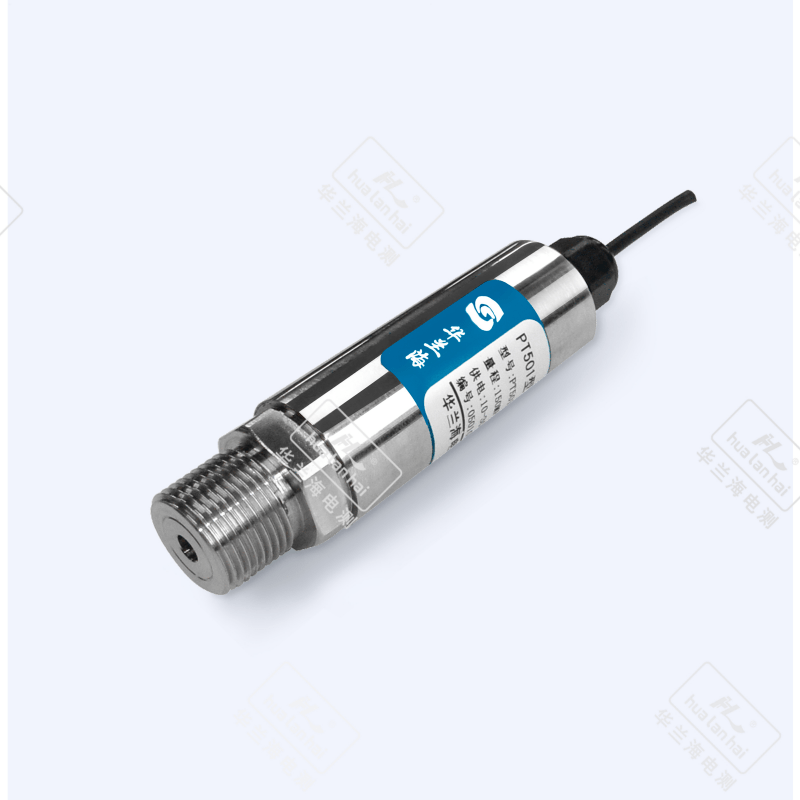
- High Precision and Linearity: Utilizing precision strain gauges and optimized bonding processes, the industrial pressure sensor achieves measurement accuracy of ±0.05%FS–±0.25%FS with linearity performance ≤±0.1%FS. This capability enables the pressure transmitter PT501 to capture subtle pressure fluctuations, meeting precision production and metrology requirements.
- Good Medium Compatibility: The elastic sensing elements of the strain gauge pressure sensor are manufactured from materials including 316L stainless steel, titanium alloy, or Hastelloy, combined with sealed structural designs. This ensures the gauge pressure transmitter remains compatible with water, oil, acid/alkaline solutions, high-temperature steam, and other media, preventing corrosion damage.
- Multi-Type Signal Output: The industrial pressure sensor typically outputs resistance signals, while the pressure transmitter PT501 supports analog signals (4-20mA, 0-10V, 0-5V) and digital signals (RS485-Modbus, HART). These standardized outputs enable direct connection to PLCs, DCS systems, and data loggers for real-time data transmission.
- Full-Condition Compensation Function: Integrated temperature compensation modules in the strain gauge pressure sensor effectively offset the impact of ambient temperatures ranging from -40°C to 120°C (with special models reaching 200°C) on measurement accuracy. Many models feature automatic zero drift compensation and non-linear compensation for enhanced long-term stability of the gauge pressure transmitter.
- Anti-Interference and Protection Capability: The pressure transmitter PT501 employs electromagnetic shielding to resist electromagnetic radiation and grid fluctuations typical in industrial environments. Protection ratings reach IP65–IP68, providing dustproof and waterproof performance suitable for harsh conditions including moisture, dust, and vibration in mines and outdoor pipe networks.
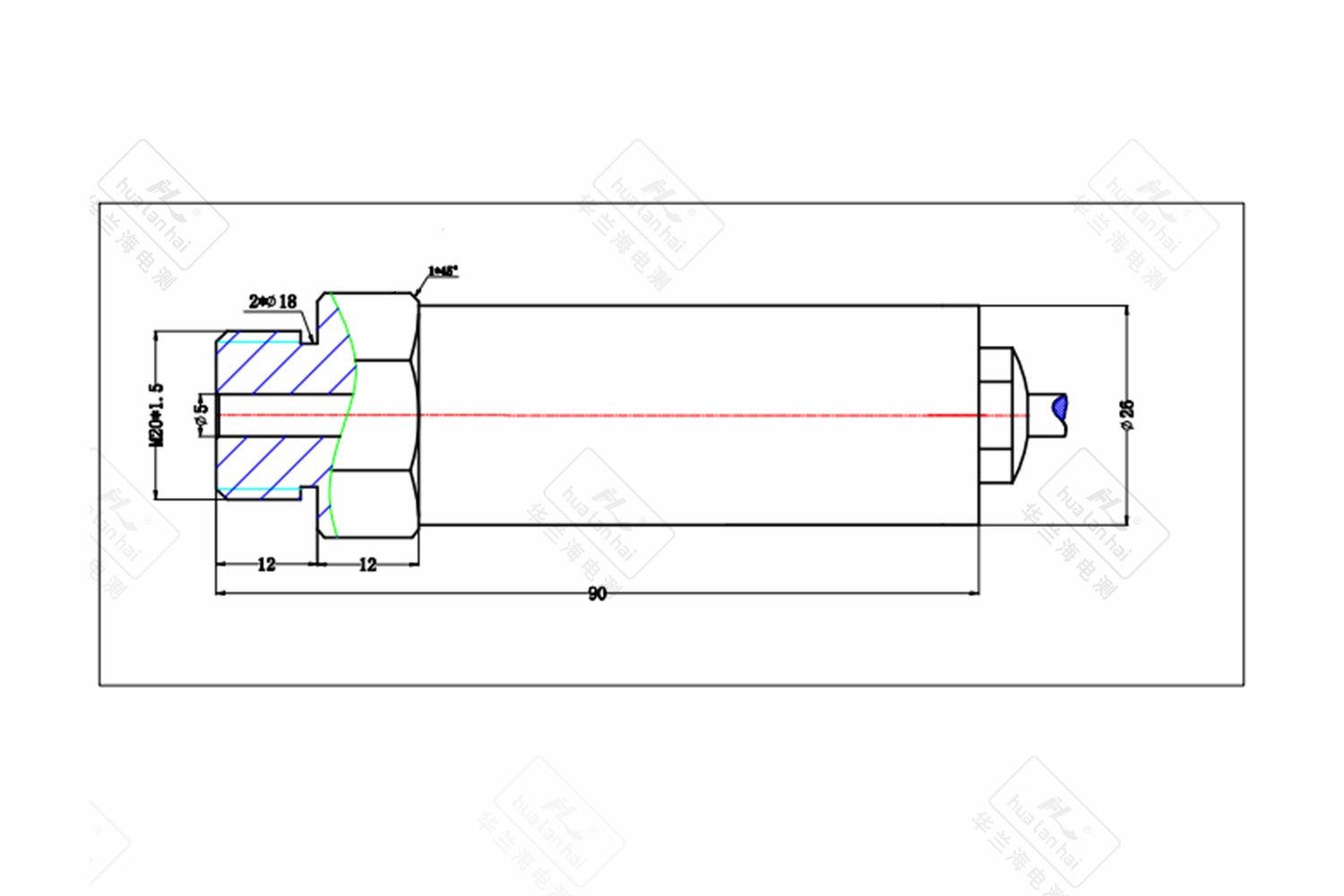
- Flexible Installation Design: The strain gauge pressure sensor supports multiple installation methods including threads (M20×1.5, G1/2) and flange connections. Installation structures can be customized based on pipeline or equipment dimensions without requiring large-scale modifications.
- Overload and Explosion-Proof Protection: The industrial pressure sensor withstands 150%–300%FS overload to prevent damage from sudden pressure changes. Explosion-proof models of the pressure transmitter PT501 comply with standards such as Ex d II CT6, making them suitable for flammable and explosive environments in petroleum and chemical industries.
- Additional Smart Functions: High-end models of the gauge pressure transmitter include LCD display heads for on-site pressure reading and support remote calibration and self-diagnosis capabilities. Some advanced versions allow parameter configuration and data monitoring through mobile applications or cloud platforms.
- Complex Working Condition Adaptation: The pressure transmitter PT501 solves the problem of traditional instruments being prone to damage and experiencing short lifespans under high-temperature, high-pressure, or strongly corrosive media conditions, such as high-temperature pressure monitoring in chemical reactors, preventing production interruptions.
- Inadequate Pressure Measurement Precision: The gauge pressure transmitter addresses large reading errors and slow dynamic response issues of mechanical instruments, such as pressure control in precision hydraulic systems, ensuring pressure stability and improving product quality rates.
- Automation Integration Barriers: The industrial pressure sensor resolves signal incompatibility issues between traditional sensors and modern measurement systems. The transmitter's standardized signals integrate directly into industrial automation networks, supporting digital upgrades of production processes.
- Environmental Interference Impact: The strain gauge pressure sensor mitigates measurement data distortion caused by temperature drift or electromagnetic interference, such as in metallurgical workshops, ensuring stable and reliable data in complex environments.
- High Operation and Maintenance Costs: The pressure transmitter PT501 reduces the need for frequent calibration and replacement of traditional instruments through extended lifespan (MTBF ≥80,000 hours) and low-maintenance design, significantly lowering lifecycle costs.
- Convenient Installation and Debugging: Standardized interfaces and universal installation methods enable the strain gauge pressure sensor to be completed within 15–30 minutes. Simple zero and range calibration during debugging requires minimal technical expertise, lowering implementation barriers.
- Intuitive Data Acquisition: Models with displays allow real-time on-site pressure reading without relying on control systems. Digital signal versions of the industrial pressure sensor support remote data transmission, facilitating monitoring by managers from control rooms or mobile devices.
- Worry-Free Long-Term Use: Excellent stability characteristics limit annual drift to ≤±0.1%FS, eliminating frequent calibration requirements. Self-diagnosis functions provide timely feedback on equipment status, simplifying pre-emptive maintenance strategies.
- Reasonable Cost Control: Mature production processes reduce procurement costs of the pressure transmitter PT501, offering superior cost-effectiveness compared to piezoelectric or capacitive pressure devices. Extended lifespan and minimal maintenance further reduce total lifecycle expenses.
- Strong System Compatibility: The gauge pressure transmitter seamlessly connects with PLCs and DCS systems from mainstream manufacturers including Siemens, Mitsubishi, and Rockwell without requiring additional signal converters, reducing integration costs.
- Hydraulic and Pneumatic Systems: The industrial pressure sensor monitors hydraulic pump outlet pressure and cylinder operating pressure in injection molding machine hydraulic systems to ensure stable molding and prevent defects.
- Chemical Production: The pressure transmitter PT501 provides pressure monitoring and control in reactors and distillation columns used in ammonia synthesis and other high-pressure processes. Integration with safety valves enables overpressure protection.
- Oil and Gas: The strain gauge pressure sensor monitors pressure at oil wellheads and throughout pipeline systems to detect leaks or blockages, safeguarding transportation safety and operational efficiency.
- Power Generation: The gauge pressure transmitter monitors boiler steam pressure and turbine oil pressure in thermal power plant operations to ensure stable equipment operation and power generation reliability.
- Water Supply Systems: The industrial pressure sensor monitors pressure in water supply pipelines and secondary water supply equipment to prevent pipe bursts from excessive pressure or insufficient water supply conditions.
- Wastewater Treatment: The pressure transmitter PT501 monitors pressure in sewage pumps and reaction tanks to ensure smooth sewage transport and prevent equipment overload conditions.
- Medical Equipment: The strain gauge pressure sensor provides airway pressure monitoring in ventilators and pressure control in infusion pumps to ensure patient treatment safety and equipment reliability.
- Food Processing: The gauge pressure transmitter monitors pressure and temperature in food sterilization kettles to ensure sterilization effectiveness while preventing packaging damage.
- Aviation Equipment: The industrial pressure sensor monitors aircraft hydraulic system pressure and fuel pipeline pressure to ensure stable control systems during flight operations.
- Military Testing: The pressure transmitter PT501 provides pressure measurement in weaponry testing applications to deliver precise performance data for equipment optimization.
Product Introduction
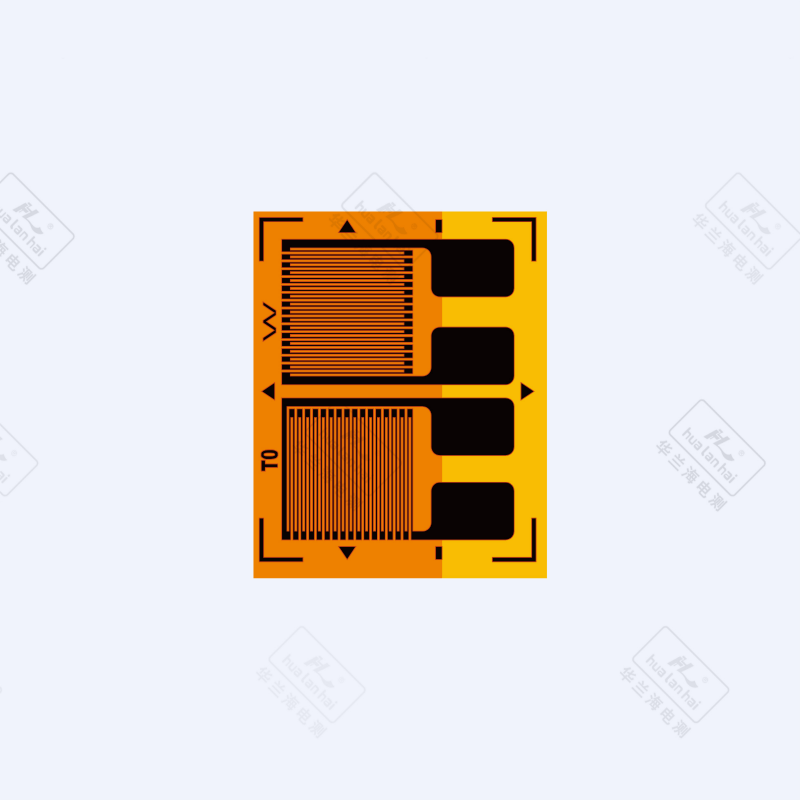
The strain gauge pressure sensor and pressure transmitter PT501 represent advanced pressure measurement devices engineered on the principle of strain effect technology. These industrial pressure sensors utilize strain gauges bonded to elastic sensing elements that convert mechanical deformation under pressure into precise resistance changes. These electrical signals are then processed through sophisticated signal conditioning circuits. While sensors focus on pressure signal detection, transmitters integrate signal amplification, compensation, and conversion functions, enabling direct integration into measurement and control systems. The strain gauge pressure sensor and pressure transmitter PT501 are widely deployed across petrochemical, hydropower, industrial control, aerospace, and related sectors, serving as essential components for pressure monitoring in industrial automation applications.
1. Core Features And Functions
1) Core Characteristics of Pressure Measurement
2) Key Functional Performance
3) Structural And Usage Characteristics
2. Core Industry Pain Points Addressed
In pressure measurement scenarios, traditional pressure instruments such as mechanical pressure gauges and basic sensors often suffer from inaccurate measurement, poor adaptability, difficult integration, and frequent maintenance requirements. The strain gauge pressure sensor and industrial pressure sensor address these critical issues through advanced engineering:
3. User Experience Highlights
4. Typical Application Scenarios
1) Industrial Control Field
2) Energy And Power Field
3) Water Conservancy And Municipal Fields
4) Medical And Daily Life Fields
5) Aerospace And Military Fields
Summary
The strain gauge pressure sensor and pressure transmitter PT501, with core competitiveness in precision, reliability, strong adaptability, and high cost-effectiveness, have become indispensable devices in industrial automation across multiple sectors. By addressing pressure measurement challenges in diverse scenarios, the industrial pressure sensor delivers robust capabilities from basic pressure sensing to intelligent signal transmission and remote monitoring. These advanced features not only ensure production safety and product quality but also drive digital transformation across industries, providing essential support for efficient operations and enhanced product performance.
Detail Display
Parameters
| Parameter Name | Parameter Value |
| Pressure Range | 0-6MPa ~ 0-150MPa |
| Accuracy | 0.2% FS;0.3% FS;0.5% FS;1.0% FS |
| Output Signal | 4mA ~ 20mA;0V ~ 5V;0V ~ 10V |
| Excitation Voltage | 24VDC |
| Thread Connection | M20*1.5;Customize |
| Use Temp Range | -10℃ ~ 80℃ |
| Burden Resistance | Electric Current output:≤800Ω;Voltage output:≥50KΩ |
| Defend Grade | IP65 |
| Safe Overload | 120% |
| Ultimate Overload | 150% |