EN
EN

- Overview
- Recommended Products
Product Introduction
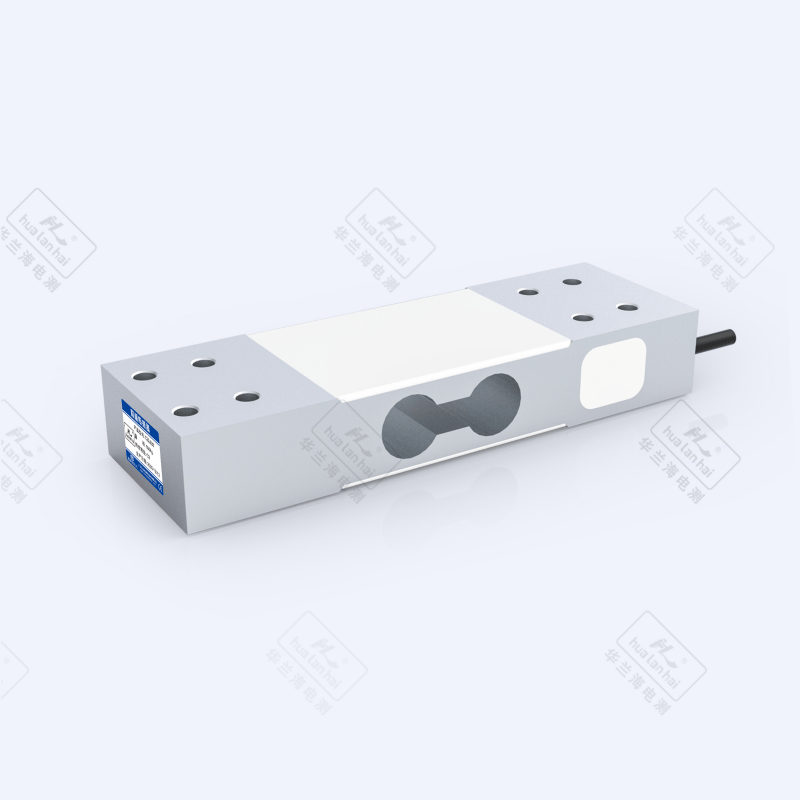
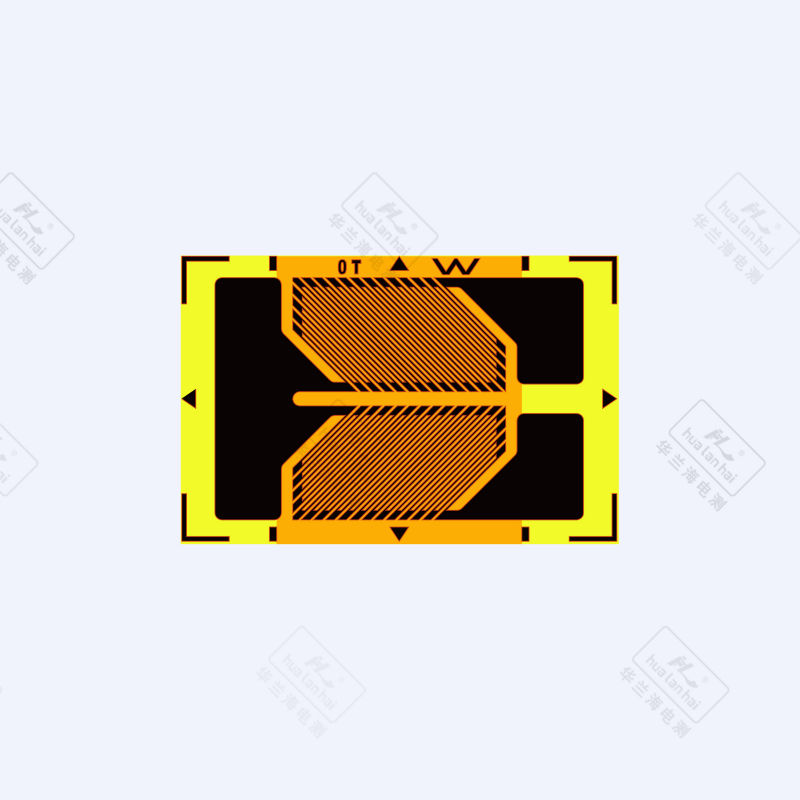
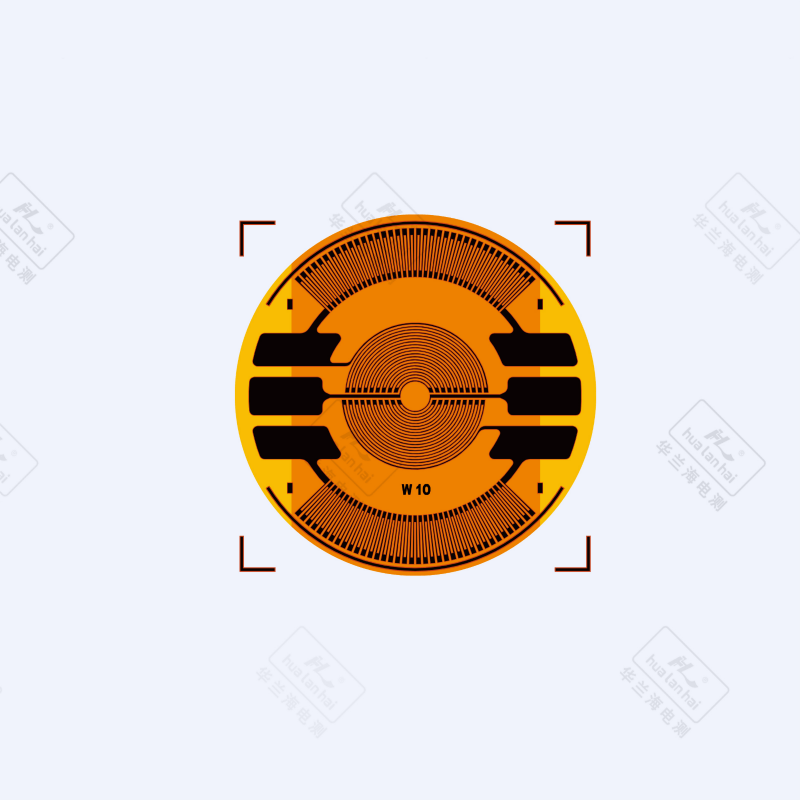
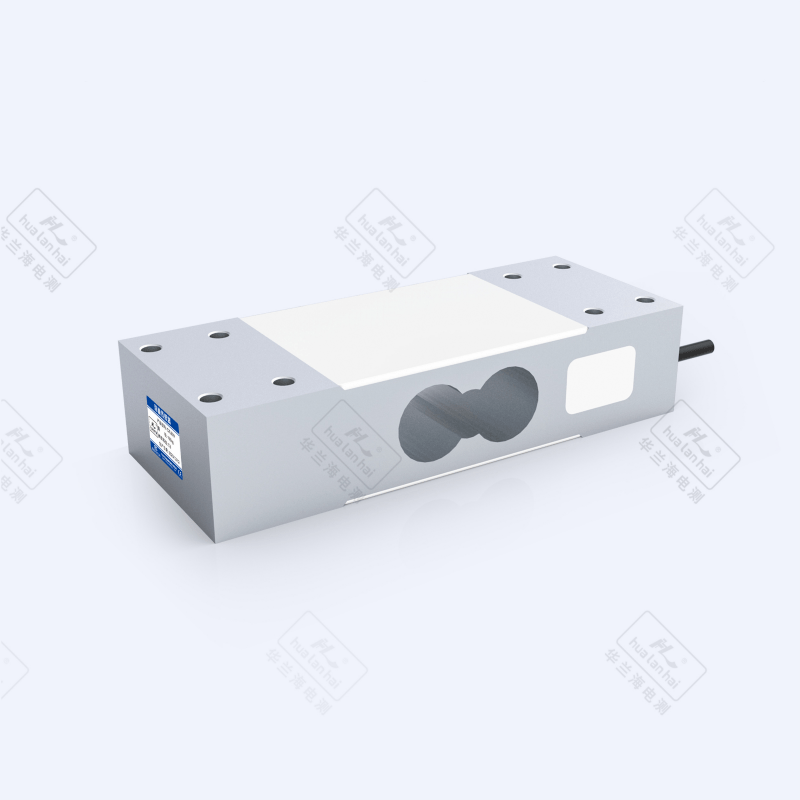
The Parallel Beam Weighing Sensor CZL630 is a force-sensitive detection element based on the strain resistance principle, featuring a double parallel beam or single parallel beam elastomer as its core structure. When subjected to force, the bending deformation of the beam drives the strain gauge to produce resistance changes, which are then converted into standardized electrical signals. The Parallel Beam Load Cell CZL630 combines advantages such as high precision under light loads, planar anti-off-center load capacity, and convenient installation. This Load Cell CZL630 is widely used in small-range weighing, planar force measurement, and embedded measurement scenarios. The Industrial Weighing Sensor is particularly suited for applications requiring compact design and reliable performance. The following comprehensive details are presented from core dimensions to meet the needs of product selection, technical evaluation, and solution development.
1. Product Features and Functions
Core Features
• Structural Design: The Parallel Beam Weighing Sensor CZL630 adopts an integrated parallel beam structure with beam thickness ranging from 2-15mm and length from 20-150mm. This design ensures uniform stress distribution concentrated in the middle section of the beam, supporting multi-angle forces in the plane with outstanding anti-off-center load capacity. The sensor can withstand planar off-center loads of ±20%-±30% of the rated load, ensuring there are no obvious stress blind spots.
• Precision Performance: Precision levels of the Parallel Beam Load Cell span C1-C3, with mainstream models achieving C2 classification. The Load Cell CZL630 delivers nonlinearity error ≤±0.01%FS, repeatability error ≤±0.005%FS, and zero drift ≤±0.002%FS/℃, providing superior precision performance compared to similar sensors in small-range scenarios from 0.1kg to 500kg.
• Materials and Protection: The Industrial Weighing Sensor utilizes elastomers constructed from aluminum alloy for lightweight applications, alloy steel for general industrial scenarios, or 304/316L stainless steel for corrosive environments. Surface treatment options include anodizing, nickel plating, or passivation. Protection levels typically reach IP65/IP67, with food-grade models capable of achieving IP68, making the Parallel Beam Weighing Sensor suitable for various complex environments.
• Installation Compatibility: The Load Cell CZL630 features standardized mounting holes—both threaded and plain—at the base, supporting bolt fixing or adhesive installation. Certain micro models enable embedded installation, ideal for the narrow installation spaces of desktop weighing instruments and automated equipment. A single Parallel Beam Load Cell can satisfy planar weighing requirements without additional components.
Core Functions
• Light Load Force Measurement: The CZL630 specializes in static and quasi-dynamic light load weighing with response time ≤4ms, covering a range from 0.1kg to 500kg. Typical applications concentrate in the 1kg-200kg range, with micro models achieving ultra-small range measurement down to 0.01kg.
• Multiple Signal Output Types: The Industrial Weighing Sensor provides analog signals including 4-20mA, 0-3V, and 0-5V, plus digital signals such as RS485/Modbus RTU and I2C. Micro intelligent models integrate signal conditioning modules and connect directly to single-chip microcomputers and IoT modules.
• Safety Protection Function: The Parallel Beam Weighing Sensor CZL630 integrates wide temperature range compensation from -10℃ to 70℃, features overload protection at 150%-200% of rated load (typically 150% for aluminum alloy models), and includes anti-shock buffer structures in certain variants.
• Long-Term Stability: With fatigue life ≥10⁷ cycles under load, the Load Cell CZL630 maintains annual drift ≤±0.01%FS under rated load conditions, making it ideal for long-term continuous operation in supermarkets, laboratories, and industrial facilities.
2. Core Problems Solved
• Insufficient Precision in Light Load Scenarios: Addressing the problem of excessive error in traditional sensors for small-range applications below 10kg, the Parallel Beam Weighing Sensor CZL630 features optimized beam stress design that controls measurement error within ±0.005%FS, solving high-precision requirements for food weighing and pharmaceutical counting applications.
• Inaccurate Measurement of Planar Eccentric Load: The uniform stress distribution characteristic of the Parallel Beam Load Cell structure effectively offsets measurement errors caused by off-center placement of weighing objects, solving accuracy problems in desktop weighing instruments and sorting equipment where material positioning is not fixed.
• Difficulties in Equipment Integrated Installation: The compact structure and flexible installation methods of the Load Cell CZL630 solve embedded installation requirements for automated equipment and smart appliances without requiring modification to main equipment structures, significantly reducing integration costs.
• Poor Adaptability to Multiple Environments: Through material and protection level upgrades, the Industrial Weighing Sensor resolves issues of sensor damage and signal drift in challenging scenarios including humidity exposure in aquaculture weighing, chemical corrosion in reagent weighing, and dust presence in flour processing operations.
• Cost Pressure on Small Equipment: A single Parallel Beam Weighing Sensor CZL630 satisfies planar weighing requirements, eliminating the need for multiple component combinations. Aluminum alloy material reduces product weight and manufacturing costs, solving cost control challenges for small weighing instruments and consumer electronics.
3. User Experience
• Extremely Simplified Installation: The Load Cell CZL630 features standardized mounting holes and positioning reference surfaces requiring no professional calibration tools. Installation can be completed with an ordinary screwdriver, with low flatness requirements (≤0.1mm/m), allowing single-person debugging within 10 minutes.
• Low Operation Threshold: The Parallel Beam Weighing Sensor supports one-key zeroing and single-point calibration using only a standard weight equivalent to 100% of rated load. Digital models enable quick calibration through computer software, making operation accessible to non-professionals.
• Extremely Low Maintenance Cost: The fully sealed structure of the Industrial Weighing Sensor reduces dust and moisture intrusion, with annual average failure rate ≤0.2%. Aluminum alloy models are lightweight (minimum 5g), easy to replace, and require no large structure disassembly during maintenance.
• Accurate Data Feedback: Static measurement data fluctuation remains within ±0.003%FS with no hysteresis in quasi-dynamic scenarios. Digital models include zero drift compensation function, eliminating frequent calibration needs and ensuring strong data stability.
• Good Integration Adaptability: Micro models of the Parallel Beam Load Cell are exceptionally compact (minimum 20mm×10mm×5mm), embedding inside smart devices without affecting appearance design. Signal output proves compatible with mainstream small controllers for plug-and-play integration.
4. Typical Usage Scenarios
Civil and Commercial Light Load Weighing Instruments
• Supermarket pricing scales and electronic platform scales utilize the CZL630 as the core sensing unit for 3-30kg ranges. The lightweight aluminum alloy design and anti-eccentric load characteristics ensure consistent weighing accuracy regardless of placement position, with error maintained at ≤±1g.
• Express electronic scales in the 1-50kg range benefit from stainless steel construction providing anti-fouling and easy cleaning properties. IP67 protection level suits the humid and dusty environments of express delivery outlets while supporting fast and continuous weighing operations.
• Kitchen scales and baking scales from 0.01-5kg incorporate micro Parallel Beam Load Cell technology achieving milligram-level accuracy. Digital signal output remains compatible with high-definition displays, meeting precise ingredient proportioning requirements.
Industrial Automation Equipment
• Automated sorting equipment for food and hardware industries installs the Industrial Weighing Sensor beneath sorting conveyor belts, detecting product weight in real-time while linking with sorting mechanisms. Sorting accuracy reaches ±0.1g precision levels.
• Assembly line material detection on electronic component production lines uses the Load Cell CZL630 to determine whether materials are missing through weighing verification. Response time ≤4ms adapts perfectly to high-speed production pipelines.
• Quantitative control in packaging machines for small particles and powders employs the Parallel Beam Weighing Sensor CZL630 to ensure C2 accuracy models, maintaining weight error per bag at ≤±0.2% in compliance with metrological standards.
Food and Pharmaceutical Industries
• Pharmaceutical ingredient weighing for small-dose raw materials (0.1-10kg) employs 316L stainless steel construction with GMP certification. Polished surfaces without dead corners facilitate easy disinfection and sterilization with accuracy ≤±0.01%FS.
• Aquatic product and meat weighing in slaughterhouses and markets features waterproof and anti-corrosion design at IP68 level. The Industrial Weighing Sensor withstands direct washing and proves ideal for humid, water-rich working environments.
5. Installation Process
• Preparation: Clean the installation surface thoroughly, removing oil stains and burrs. Inspect the sensor appearance for beam deformation or cable damage. Select appropriate mounting bolts according to load range, avoiding high-strength bolts for aluminum alloy models.
• Positioning and Fixing: Install the Parallel Beam Weighing Sensor horizontally on the load-bearing surface, ensuring load acts vertically above the beam body while avoiding lateral impact. Use torque wrench for bolt tightening (5-10N·m for aluminum models, 10-20N·m for alloy steel) to prevent beam damage from over-tightening.
• Wiring Specification: For analog signals, follow color coding: red for power +, black for power -, green for signal +, white for signal -. Digital signals connect per pin definition. When wiring micro models, avoid cable pulling and reserve 5cm redundant length.
• Protection Treatment: In humid environments, seal cable connectors with waterproof tape. In food industries, promptly clean sensor surfaces after use to prevent corrosion from residual materials.
6. Selection Guidance
• Range Selection: Choose based on 1.2-1 times the actual maximum weight. For 10kg maximum weight, select 12-14kg sensor to avoid insufficient accuracy from oversized range in light load scenarios.
• Accuracy Level: Laboratory/pharmaceutical applications require C1 level (error ≤±0.005%FS), industrial metrology demands C2 level (error ≤±0.01%FS), while civil weighing instruments typically use C3 level (error ≤±0.02%FS).
• Environmental Adaptability: For regular scenarios (-10℃~60℃), choose standard models. Low-temperature refrigeration scenarios (-20℃~0℃) require low-temperature resistant variants. High-temperature applications (60℃~80℃) need high-temperature compensation types. Select aluminum alloy for dry environments, 304 stainless for humid/food applications, and 316L stainless for chemically corrosive environments.
Conclusion
The Parallel Beam Weighing Sensor CZL630 represents an optimal industrial weighing solution combining light load precision, flat anti-bias capacity, and convenient integration. This Load Cell CZL630 addresses light-range precise measurement, material off-center loading, and equipment embedded installation challenges comprehensively. The Parallel Beam Load Cell delivers superior user experience through simplified operation, worry-free maintenance, and controlled costs. When selecting an Industrial Weighing Sensor, prioritize range, accuracy level, installation space, and environmental requirements, then confirm system compatibility and additional functions. During operation, avoid overload and lateral impact while maintaining strict calibration schedules to ensure long-term stable performance. The CZL630 serves as the ideal sensing solution for small-range and planar weighing applications across light load weighing instruments, automation equipment, food processing, and pharmaceutical industries.
Detail Display
Parameters
| Parameter Name | Parameter Value |
| Sensor range | 100kg ~ 1000kg |
| Accuracy class | C2/C3 |
| Comprehensive error | ±0.03 & ±0.02% FS |
| Output sensitivity | 2.0±0.2 mV/V |
| creep | ±0.023 & ±0.016% FS/30min |
| Zero output | ±1.5% FS |
| Input impedance | 405±10Ω |
| Output impedance | 350±3Ω |
| insulation resistance | ≥5000 MΩ(100VDC) |
| Influence of zero temperature | ±0.029 & ±0.019% FS/10℃ |
| Sensitivity temperature effect | ±0.025 & ±0.017% FS/10℃ |
| Temperature compensation range | -10℃ ~ +40 ℃ |
| Operating temperature range | -20℃ ~ +60 ℃ |
| Excitation voltage | 5VDC ~ 12VDC |
| Safe overload range | 120% |
| Limit overload range | 150% |
| Recommended table size | 600*600mm |
| Material Science | Aluminum Alloy |
| Protection level | IP65 |
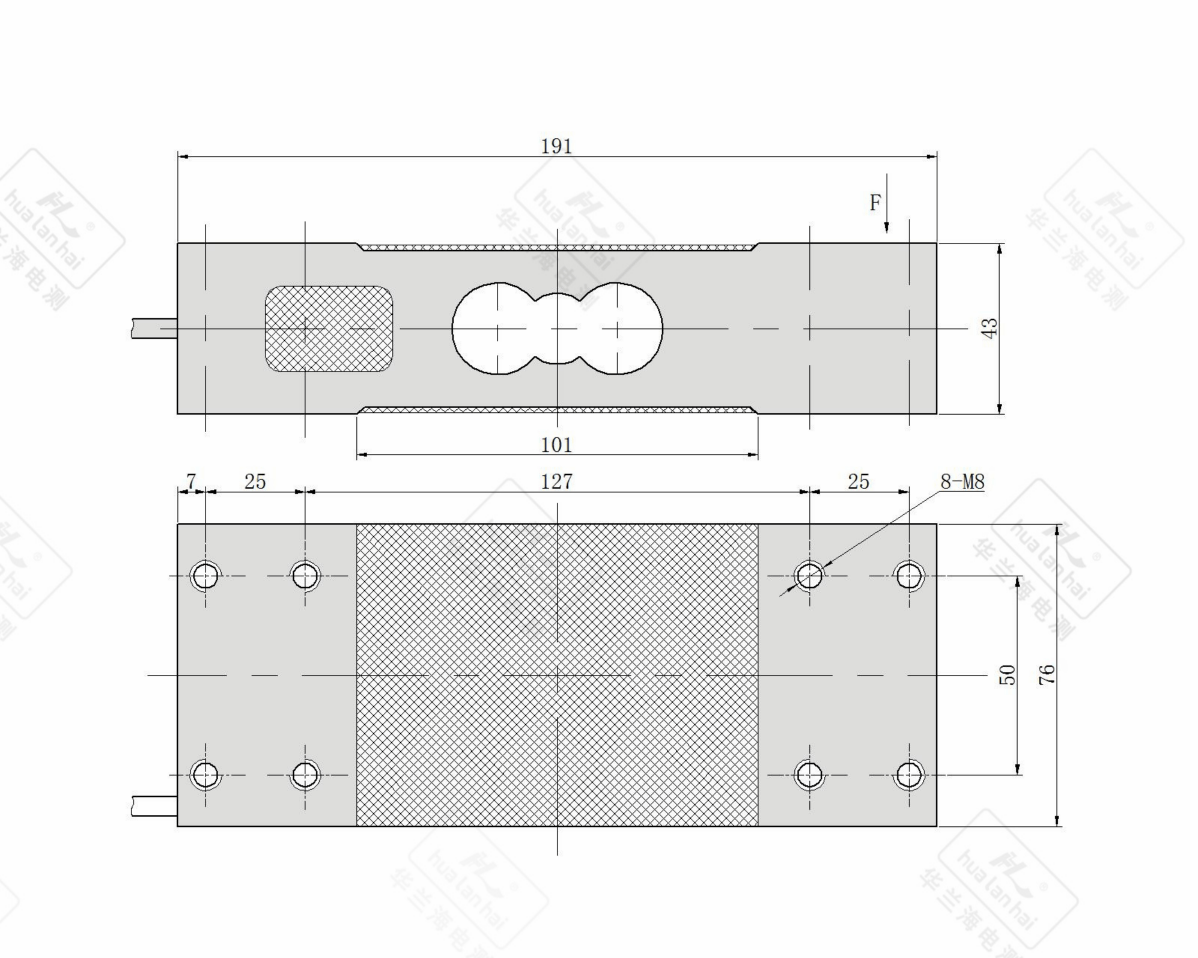
| External dimension of sensor | 1917643 |
| Mounting hole size | 4-M8 |
| Location of mounting hole | X25Y50 |