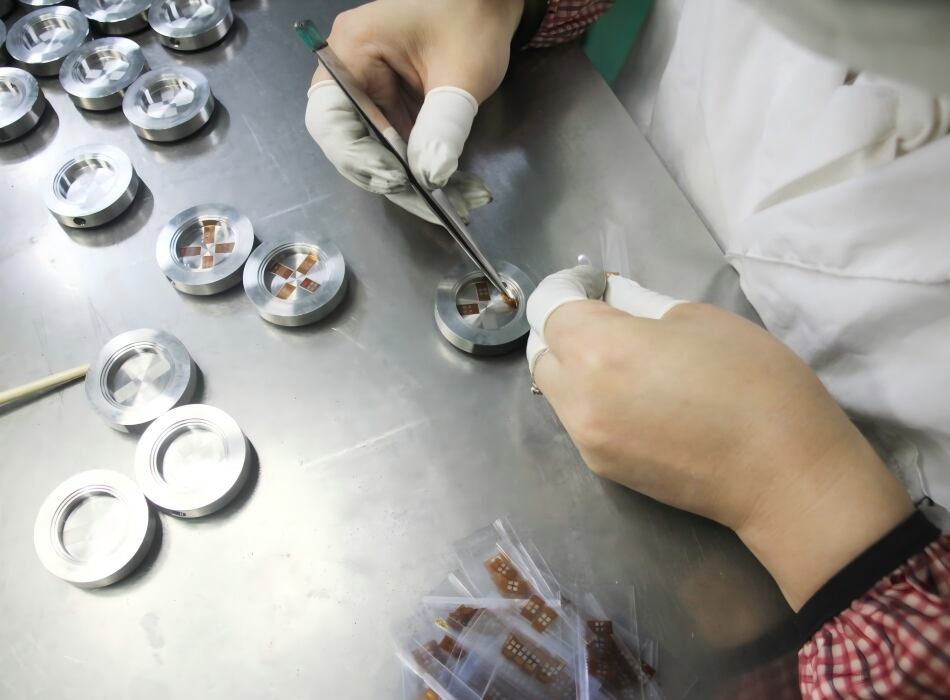
strain gauge type load cell
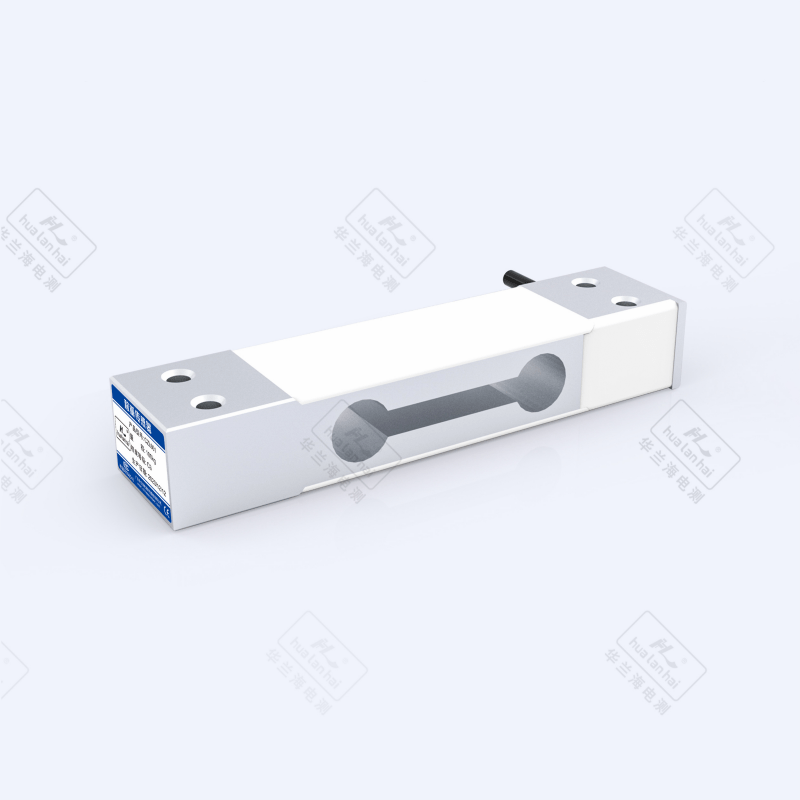
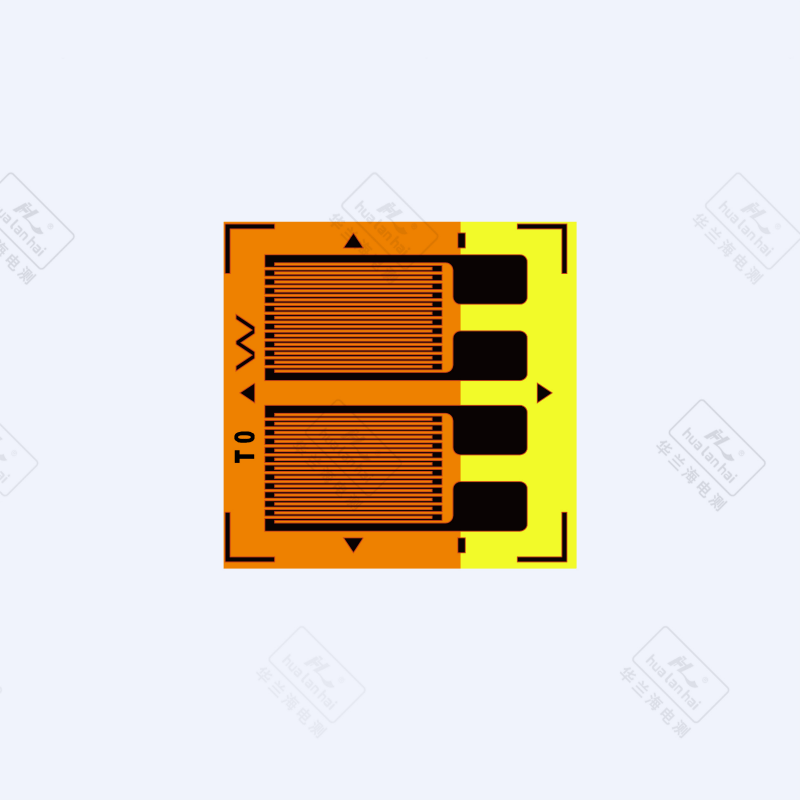
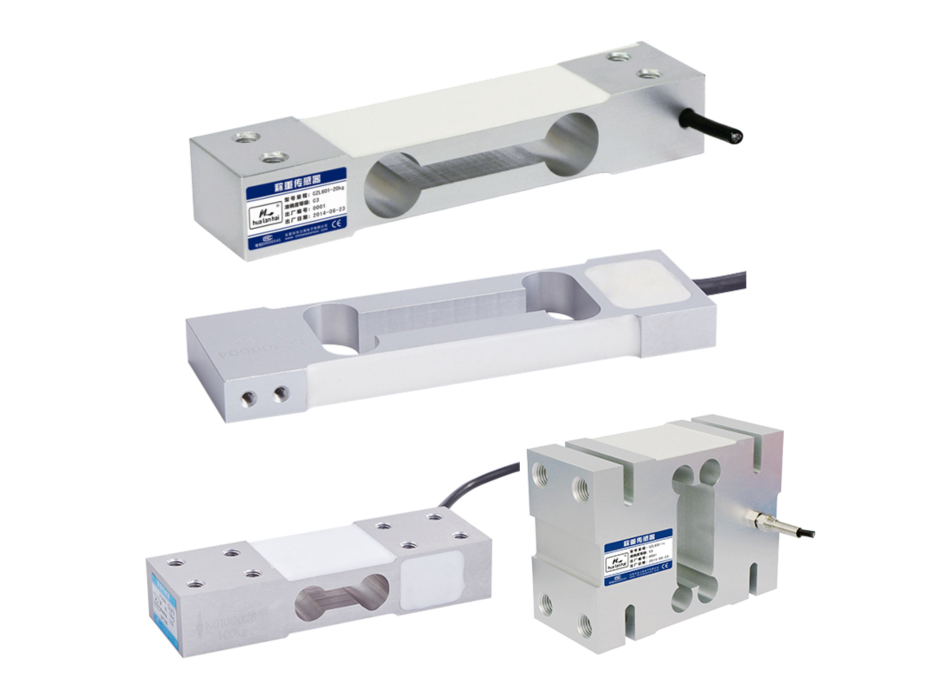
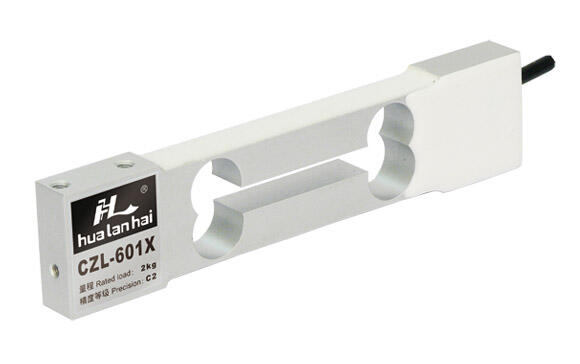
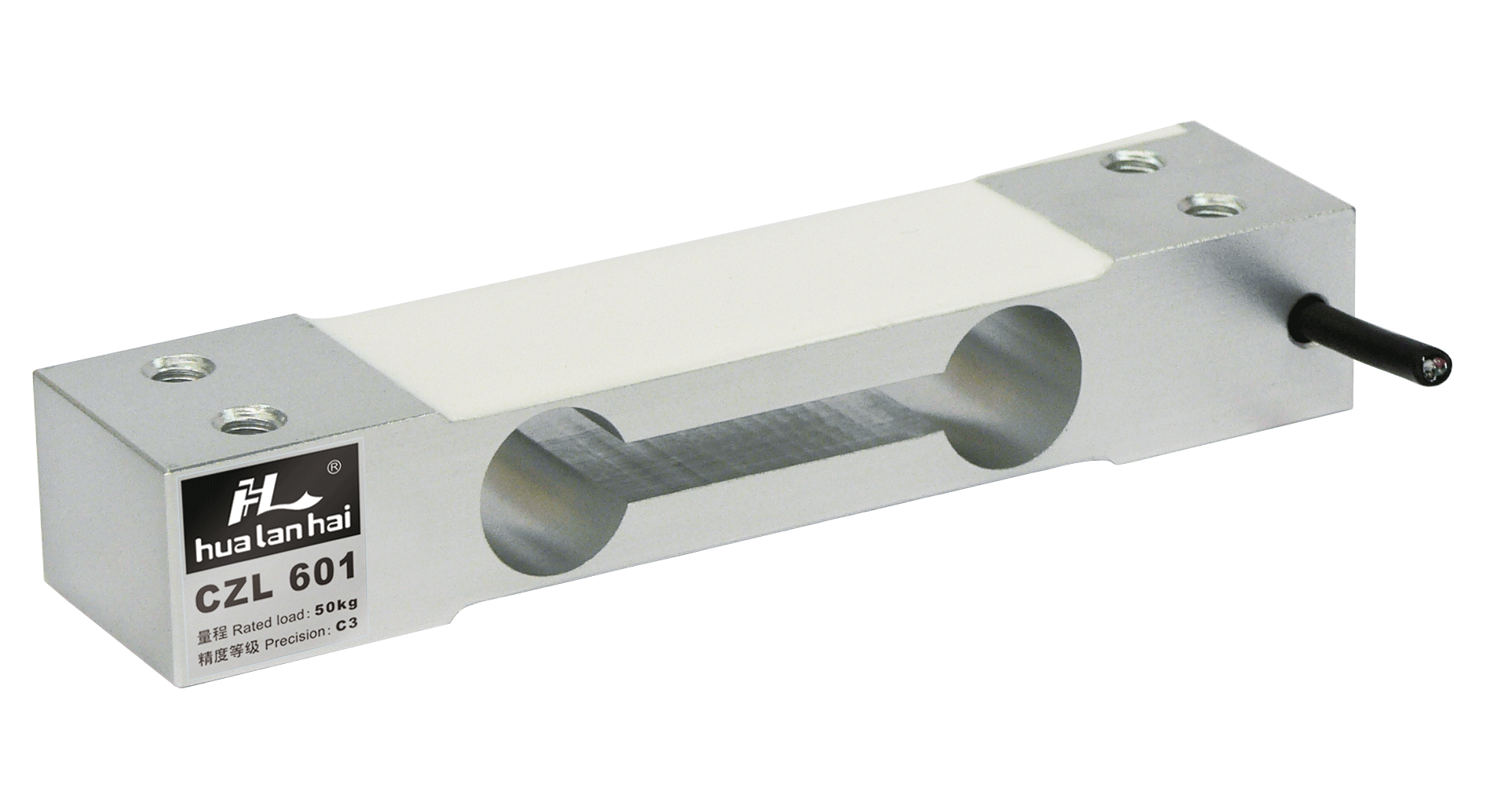
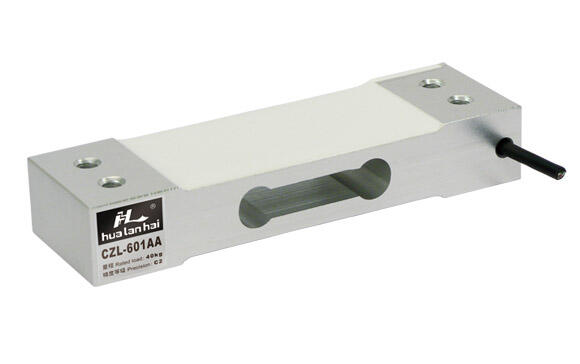
A strain gauge type load cell represents a sophisticated force measurement device that converts mechanical force into an electrical signal through precise engineering principles. This technology operates on the fundamental concept of measuring mechanical deformation within a specially designed metal structure when subjected to external forces. The strain gauge type load cell consists of a primary structural element, typically manufactured from high-grade aluminum or stainless steel, onto which multiple strain gauges are strategically bonded. These strain gauges are extremely sensitive resistive elements that change their electrical resistance proportionally when the load cell body experiences mechanical strain under applied loads. The primary function of a strain gauge type load cell involves accurate weight measurement and force detection across diverse industrial applications. When weight or force is applied to the load cell, the metal structure deforms microscopically, causing the attached strain gauges to stretch or compress accordingly. This mechanical deformation directly correlates to resistance changes within the strain gauge elements, which are then converted into measurable electrical signals through sophisticated conditioning circuits. The technological features of strain gauge type load cells include exceptional linearity, outstanding repeatability, and remarkable long-term stability. Modern strain gauge type load cells incorporate advanced temperature compensation techniques to minimize thermal effects on measurement accuracy. These devices typically feature hermetically sealed construction to protect sensitive internal components from environmental contamination, moisture, and corrosive substances. The strain gauge type load cell technology enables precise measurements across wide load ranges, from gram-level precision scales to multi-ton industrial weighing systems. Applications for strain gauge type load cells span numerous industries including manufacturing, pharmaceuticals, food processing, logistics, and research laboratories. These versatile devices serve critical roles in quality control processes, inventory management systems, automated production lines, and safety monitoring applications where accurate force measurement is essential for operational success.

 EN
EN