Button Type Load Cell: Precision Force Measurement Solutions for Industrial Applications

All Categories

Get a Free Quote

Our representative will contact you soon.
Email
Name
Company Name
WhatsApp
Message
0/1000

button type load cell

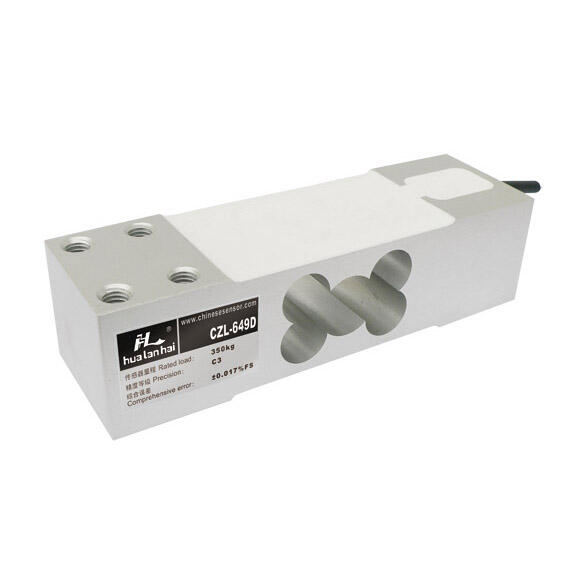
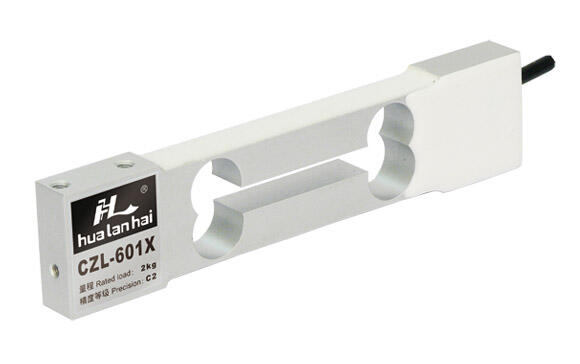
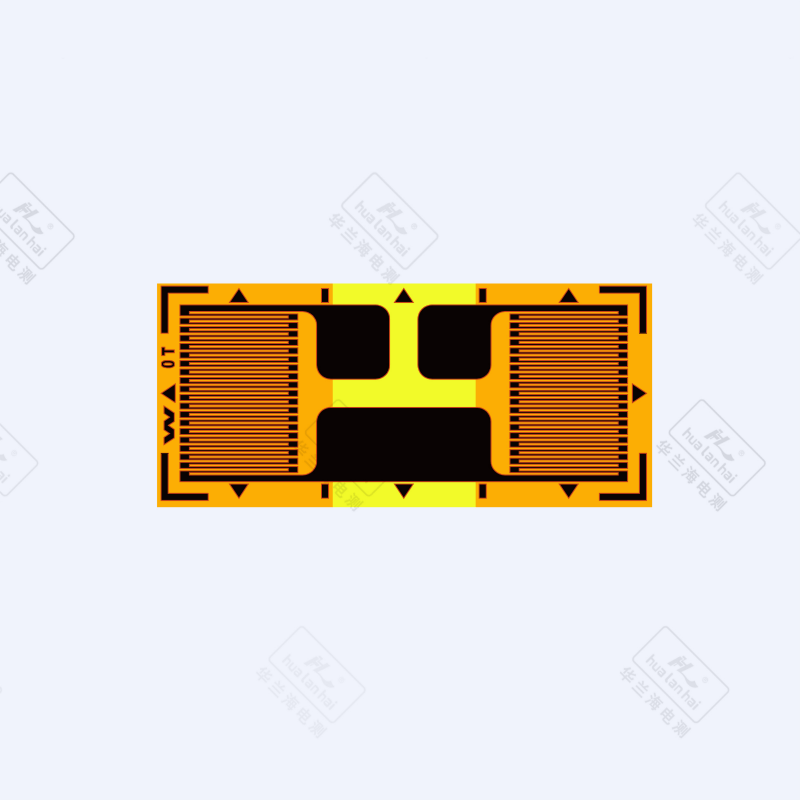
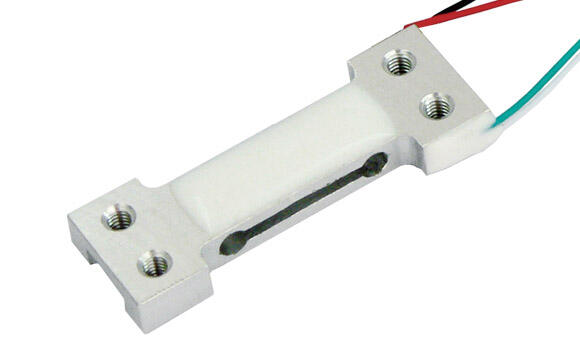
A button type load cell represents a specialized force measurement device engineered with a compact, low-profile design that resembles a button in its physical appearance. This innovative sensor technology transforms mechanical force into precise electrical signals, making it an indispensable component in modern weighing and force measurement applications. The button type load cell operates on the fundamental principle of strain gauge technology, where strategically positioned strain gauges detect minute deformations in the load cell body when subjected to compressive forces. These microscopic changes in the metal structure create variations in electrical resistance, which are then converted into accurate digital readings through sophisticated signal processing circuits. The device typically features a robust stainless steel construction that ensures exceptional durability and resistance against environmental factors such as moisture, dust, and temperature fluctuations. Button type load cells are specifically designed to measure compression forces ranging from several pounds to multiple tons, depending on their capacity specifications. The sensor's unique geometry allows for easy integration into existing systems while maintaining high accuracy standards typically within 0.02% to 0.05% of full scale. Manufacturing processes involve precision machining and careful calibration to ensure consistent performance across different operating conditions. The electrical output of a button type load cell is usually provided in millivolts per volt of excitation, creating a linear relationship between applied force and output signal. Modern variants often incorporate digital interfaces, enabling seamless communication with computerized control systems and data acquisition equipment. Temperature compensation features are commonly integrated to maintain accuracy across varying thermal environments. The compact design makes button type load cells particularly suitable for space-constrained applications where traditional load cells would be impractical. Quality assurance protocols ensure each unit meets strict international standards for measurement accuracy and long-term stability.

New Product Recommendations

Button type load cells deliver exceptional performance benefits that make them the preferred choice for demanding industrial applications. The primary advantage lies in their remarkable accuracy and repeatability, which ensures consistent measurements even under challenging operational conditions. Unlike traditional weighing systems, button type load cells maintain their precision over extended periods, reducing the need for frequent recalibration and minimizing operational downtime. Their compact design allows engineers to integrate these sensors into tight spaces where larger load cells cannot fit, providing flexibility in system design and installation. The robust construction of button type load cells ensures reliable operation in harsh industrial environments, withstanding exposure to chemicals, vibrations, and extreme temperatures without compromising measurement accuracy. Installation procedures are straightforward and require minimal technical expertise, reducing setup time and associated labor costs. The linear output characteristics of button type load cells simplify signal processing and integration with existing control systems, eliminating complex calibration procedures that other sensor types might require. Maintenance requirements are minimal due to the solid-state design and absence of moving parts, resulting in lower total cost of ownership over the device's operational lifetime. Button type load cells provide excellent long-term stability, maintaining their calibration for years without significant drift, which translates into reduced operational expenses and improved process reliability. The versatility of these sensors allows them to function effectively across various industries, from manufacturing and packaging to aerospace and automotive testing applications. Digital communication capabilities enable real-time monitoring and data logging, facilitating predictive maintenance strategies and quality control processes. The high overload protection built into button type load cells prevents damage from accidental force application beyond rated capacity, ensuring continued operation and protecting valuable equipment investments. Response times are extremely fast, enabling dynamic measurements and real-time process control applications where immediate feedback is critical for optimal performance.

Latest News

Selection Method of Resistance Strain Gauges

25

Nov

Selection Method of Resistance Strain Gauges

View More

Get a Free Quote

Our representative will contact you soon.
Email
Name
Company Name
WhatsApp
Message
0/1000

button type load cell

Precision Engineering for Unmatched Accuracy

Precision Engineering for Unmatched Accuracy

Button type load cells represent the pinnacle of precision engineering in force measurement technology, delivering unparalleled accuracy that sets industry standards for reliable measurements. The sophisticated design incorporates multiple strain gauges positioned at optimal locations within the sensor body, creating a balanced measurement system that compensates for off-center loading and environmental variations. Advanced manufacturing techniques ensure that each button type load cell undergoes rigorous quality control processes, including individual calibration using certified reference standards traceable to national measurement institutes. The precision machining of the sensor body eliminates stress concentrations and creates uniform deformation patterns under load, resulting in highly linear output characteristics across the entire measurement range. Temperature compensation circuits automatically adjust for thermal effects, maintaining accuracy within specified tolerances even when ambient conditions fluctuate significantly. The exceptional accuracy of button type load cells enables manufacturers to achieve tighter quality control standards, reduce material waste, and improve overall product consistency. Sophisticated signal conditioning electronics filter out electrical noise and amplify the measurement signals, ensuring clean, stable outputs that facilitate precise control algorithms and data analysis. The repeatability performance of button type load cells typically exceeds 0.01% of full scale, making them suitable for critical applications where measurement uncertainty must be minimized. Advanced calibration procedures verify performance at multiple load points and environmental conditions, ensuring that accuracy specifications are maintained throughout the sensor's operational life. Quality assurance protocols include extensive testing for linearity, hysteresis, and creep characteristics, guaranteeing that each button type load cell meets stringent performance criteria before shipment to customers.
Compact Design Maximizes Installation Flexibility

Compact Design Maximizes Installation Flexibility

The innovative compact design of button type load cells revolutionizes force measurement applications by providing maximum functionality within minimal space requirements, enabling engineers to implement precise weighing solutions in previously impossible installations. The low-profile geometry allows these sensors to fit into tight spaces between structural components, machinery elements, or within confined enclosures where traditional load cells would create interference or require extensive modifications to existing systems. This space-efficient design characteristic makes button type load cells particularly valuable in retrofitting older equipment with modern measurement capabilities without requiring major structural changes or system redesigns. The standardized mounting configurations ensure compatibility with various installation methods, from threaded connections to flanged mountings, providing flexibility to accommodate different mechanical requirements and load transfer mechanisms. Engineers can easily integrate multiple button type load cells into complex measurement systems, creating distributed load monitoring networks that provide comprehensive force analysis across large structures or equipment assemblies. The compact form factor reduces the overall weight and bulk of measurement systems, which is particularly important in mobile applications, aerospace equipment, or portable testing devices where every pound matters for performance optimization. Installation procedures are simplified due to the straightforward mechanical connections and standardized electrical interfaces, reducing setup time and minimizing the potential for installation errors that could affect measurement accuracy. The low-profile design minimizes interference with material flow, product movement, or operational processes, ensuring that the addition of force measurement capabilities does not disrupt existing workflows or create operational bottlenecks. Maintenance access is improved because button type load cells can be positioned in accessible locations without requiring extensive disassembly of surrounding equipment, reducing service time and associated costs while maintaining optimal measurement performance throughout the system's operational life.
Superior Durability Ensures Long-Term Performance

Superior Durability Ensures Long-Term Performance

Button type load cells are engineered with superior durability characteristics that ensure reliable long-term performance in demanding industrial environments, providing exceptional return on investment through extended operational life and minimal maintenance requirements. The robust construction utilizes high-grade stainless steel or specialized alloys that resist corrosion, chemical attack, and mechanical wear, maintaining structural integrity even when exposed to harsh operating conditions including extreme temperatures, humidity, and aggressive chemicals commonly found in industrial processes. Advanced sealing technologies protect internal components from moisture ingress, dust contamination, and other environmental factors that could compromise measurement accuracy or sensor reliability over time. The solid-state design eliminates moving parts and mechanical wear points, significantly reducing the likelihood of failure and extending operational life beyond traditional measurement devices. Comprehensive testing protocols verify performance under accelerated aging conditions, thermal cycling, vibration exposure, and overload scenarios, ensuring that button type load cells maintain their specified accuracy and functionality throughout their rated operational life. The exceptional overload protection built into these sensors prevents damage from accidental force application up to several times the rated capacity, protecting valuable equipment investments and avoiding costly downtime associated with sensor replacement or system repairs. Fatigue resistance characteristics are extensively tested to verify that button type load cells can withstand millions of loading cycles without degradation in performance, making them suitable for continuous operation in high-cycle applications such as automated manufacturing lines, packaging equipment, and process monitoring systems. The stable electrical characteristics ensure that calibration remains valid for extended periods, typically several years under normal operating conditions, reducing maintenance costs and eliminating frequent recalibration requirements that could interrupt production schedules. Quality assurance programs include long-term stability monitoring and field performance validation to continuously improve durability characteristics and ensure that button type load cells exceed customer expectations for reliability and longevity in real-world applications.

Get a Free Quote

Our representative will contact you soon.
Email
Name
Company Name
WhatsApp
Message
0/1000