Industrial Load Cell System: Precision Weighing Solutions for Manufacturing Excellence

All Categories

Get a Free Quote

Our representative will contact you soon.
Email
Name
Company Name
WhatsApp
Message
0/1000

industrial load cell system

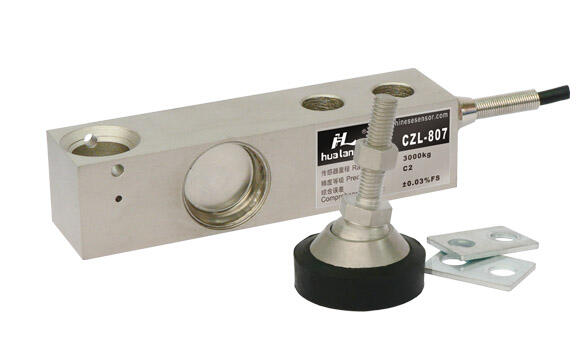
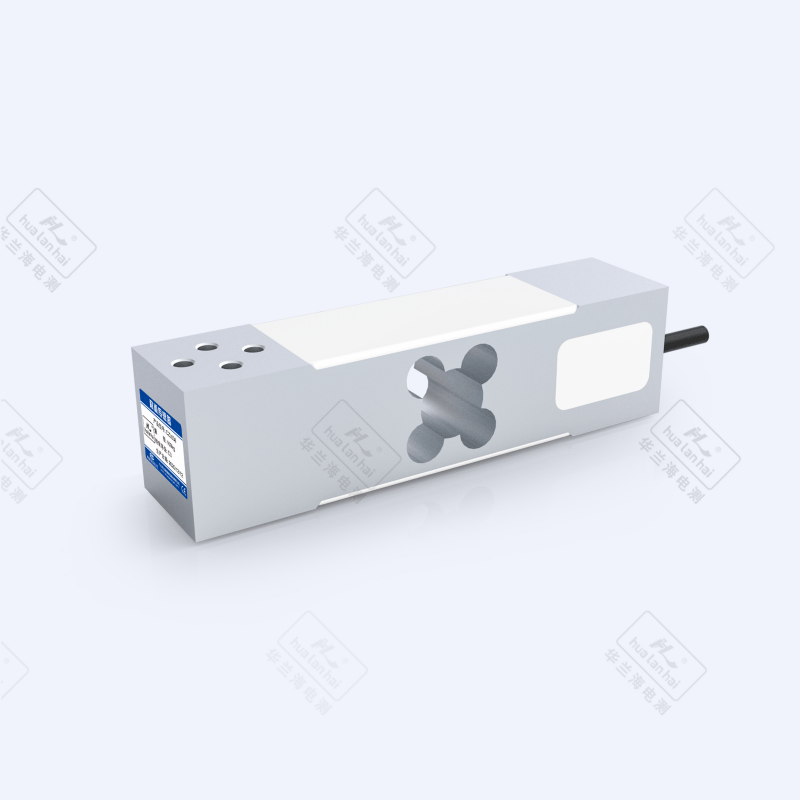
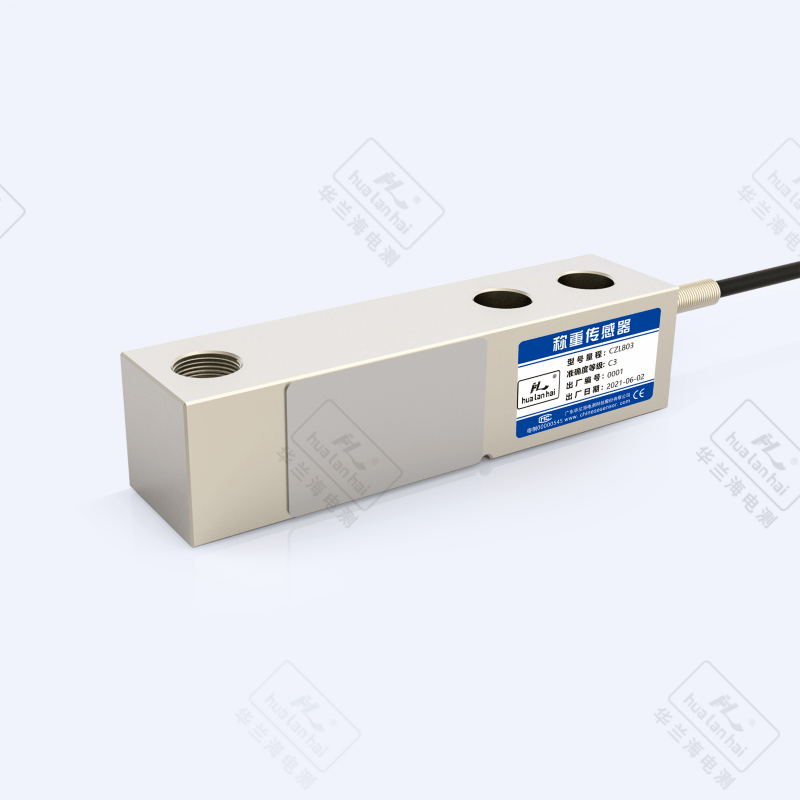
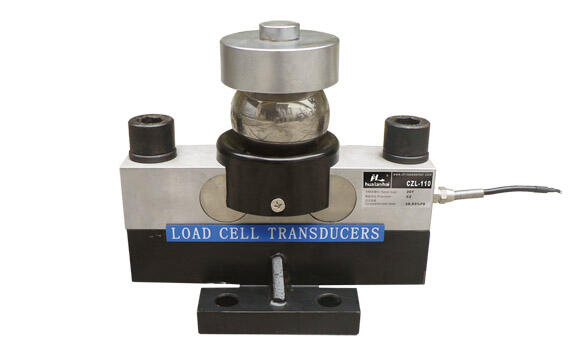
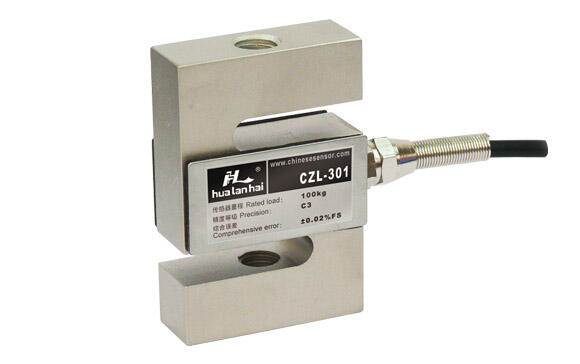
The industrial load cell system represents a sophisticated weighing and force measurement solution designed to meet the demanding requirements of modern manufacturing, processing, and quality control environments. This comprehensive measurement technology converts mechanical force into precise electrical signals, enabling accurate weight determination and force analysis across diverse industrial applications. The industrial load cell system incorporates advanced strain gauge technology, combining multiple sensors with intelligent signal processing capabilities to deliver consistent, reliable measurements even in challenging operating conditions. These systems feature robust construction materials, typically including stainless steel or alloy steel housings that withstand harsh industrial environments, chemical exposure, and extreme temperatures. The core functionality revolves around detecting minute deformations in the load cell structure when subjected to applied forces, converting these mechanical changes into proportional electrical outputs through sophisticated transducer mechanisms. Modern industrial load cell systems integrate seamlessly with digital displays, data logging equipment, and automated control systems, facilitating real-time monitoring and process optimization. The technological architecture encompasses various load cell configurations, including compression, tension, and universal models, each engineered for specific measurement requirements and installation constraints. Signal conditioning electronics within the industrial load cell system ensure optimal performance by amplifying weak sensor signals, filtering electromagnetic interference, and providing temperature compensation to maintain measurement accuracy across varying operational conditions. These systems support multiple communication protocols, including analog voltage outputs, digital interfaces, and fieldbus connectivity options, enabling flexible integration with existing industrial automation infrastructures. The industrial load cell system delivers exceptional linearity, minimal hysteresis, and outstanding repeatability, making it indispensable for applications requiring precise weight measurements, force monitoring, and quality assurance verification in manufacturing processes.

New Product Releases

The industrial load cell system offers numerous compelling advantages that directly translate into operational efficiency, cost savings, and enhanced productivity for businesses across various sectors. These systems provide exceptional measurement accuracy, typically achieving precision levels within 0.01% to 0.05% of full scale, ensuring reliable data for critical decision-making processes and quality control applications. The robust construction of industrial load cell systems delivers long-term durability, withstanding millions of loading cycles without significant performance degradation, thereby reducing maintenance costs and minimizing production downtime. Easy installation procedures allow technical personnel to quickly integrate these systems into existing equipment configurations without extensive modifications or specialized tools, accelerating implementation timelines and reducing installation expenses. The industrial load cell system demonstrates remarkable versatility, adapting to diverse measurement requirements from small-scale laboratory applications to heavy-duty industrial processes handling thousands of pounds of material. Real-time data acquisition capabilities enable immediate process adjustments, preventing costly overages, underages, or quality defects that could result in product recalls or customer dissatisfaction. These systems offer excellent environmental resistance, operating reliably in temperatures ranging from -40°C to +70°C, humidity levels up to 95%, and corrosive atmospheres that would compromise conventional measurement equipment. The digital connectivity features of modern industrial load cell systems facilitate seamless data integration with enterprise resource planning software, inventory management systems, and production monitoring dashboards, providing comprehensive visibility into operational metrics. Cost-effectiveness emerges through reduced material waste, improved process control, and enhanced product consistency, often delivering return on investment within months of implementation. The industrial load cell system requires minimal calibration maintenance, featuring self-diagnostic capabilities that alert operators to potential issues before they impact measurement accuracy. Advanced signal processing algorithms automatically compensate for environmental factors such as temperature fluctuations, vibrations, and electromagnetic interference, ensuring consistent performance without manual adjustments. These systems support multiple mounting configurations, including tank weighing, conveyor integration, and hopper applications, providing flexibility to accommodate diverse facility layouts and process requirements while maintaining optimal measurement performance.

Practical Tips

Conquering The

25

Nov

Conquering The "Bottleneck" Technologies Is The Greatest Motivation

View More
Selection Method of Resistance Strain Gauges

25

Nov

Selection Method of Resistance Strain Gauges

View More

Get a Free Quote

Our representative will contact you soon.
Email
Name
Company Name
WhatsApp
Message
0/1000

industrial load cell system

Precision Measurement Technology for Critical Applications

Precision Measurement Technology for Critical Applications

The industrial load cell system incorporates state-of-the-art strain gauge technology combined with advanced signal processing algorithms to deliver unmatched measurement precision across demanding industrial environments. This sophisticated measurement approach utilizes multiple strain gauges strategically positioned within the load cell structure, creating a Wheatstone bridge configuration that maximizes sensitivity while minimizing temperature effects and mechanical stress concentrations. The precision capabilities of these systems reach remarkable accuracy levels, often achieving measurements within 0.01% of full scale capacity, making them indispensable for applications where even minor weight variations can significantly impact product quality, regulatory compliance, or process efficiency. The industrial load cell system employs high-resolution analog-to-digital converters, typically featuring 24-bit resolution, which enables detection of minute weight changes equivalent to fractions of a gram even in systems designed for multi-ton capacities. Advanced filtering techniques eliminate noise from electromagnetic interference, mechanical vibrations, and temperature fluctuations, ensuring stable readings even in electrically noisy industrial environments. Temperature compensation algorithms automatically adjust measurements to account for thermal expansion and material property changes, maintaining consistent accuracy across wide operating temperature ranges without requiring manual recalibration. The precision measurement technology includes sophisticated linearity correction algorithms that compensate for minor non-linearities in the mechanical structure, ensuring that measurements remain accurate throughout the entire measurement range from zero to full capacity. Real-time calibration verification features continuously monitor system performance, comparing current readings against established reference points to detect any drift or degradation in measurement accuracy. This precision technology proves particularly valuable in pharmaceutical manufacturing, where precise ingredient dosing ensures product efficacy and regulatory compliance, chemical processing applications requiring exact material ratios for optimal reactions, and food production environments where consistent portioning maintains product quality and cost control.
Robust Construction Engineered for Industrial Durability

Robust Construction Engineered for Industrial Durability

The industrial load cell system features exceptional construction quality designed to withstand the most challenging industrial operating conditions while maintaining measurement accuracy and reliability over extended service periods. These systems utilize premium-grade materials, typically incorporating stainless steel or specially treated alloy steel housings that provide superior corrosion resistance, mechanical strength, and dimensional stability under varying load conditions and environmental stresses. The robust construction methodology includes precision machining tolerances, heat treatment processes, and surface finishing techniques that enhance fatigue resistance and extend operational life expectancy beyond ten million loading cycles in typical industrial applications. Hermetic sealing technology protects critical internal components from moisture, dust, chemical vapors, and other environmental contaminants that could compromise measurement accuracy or cause premature component failure. The industrial load cell system incorporates overload protection mechanisms, typically rated at 150% to 200% of nominal capacity, preventing damage from accidental overloading situations that commonly occur in busy industrial environments. Advanced mounting hardware and mechanical interfaces distribute forces evenly throughout the load cell structure, minimizing stress concentrations that could affect measurement accuracy or reduce component longevity. The construction design addresses thermal expansion concerns through specialized mounting configurations that accommodate dimensional changes while maintaining precise alignment and measurement integrity across temperature variations. Vibration dampening features integrated into the mechanical design minimize the effects of ambient vibrations from nearby machinery, conveyor systems, or facility operations that could introduce measurement errors or accelerate component wear. The robust construction extends to electrical connections, featuring sealed cable entries, moisture-resistant connectors, and strain relief systems that prevent cable damage from repeated flexing or environmental exposure. Quality control processes during manufacturing include comprehensive testing protocols that verify construction integrity, measurement accuracy, and environmental resistance before shipment, ensuring each industrial load cell system meets stringent performance specifications and durability requirements for demanding industrial applications.
Seamless Integration with Modern Automation Systems

Seamless Integration with Modern Automation Systems

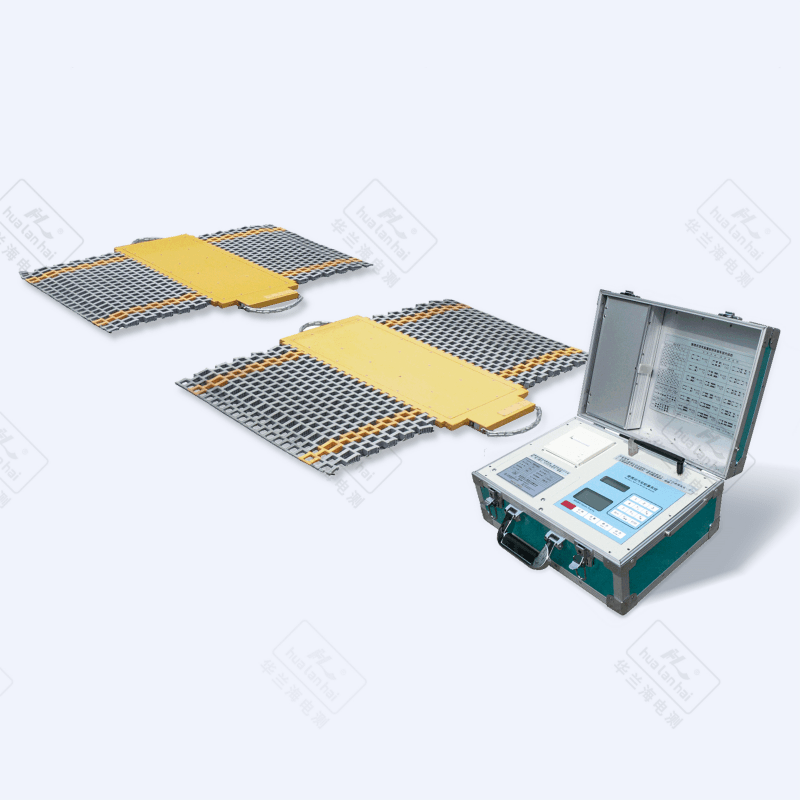
The industrial load cell system excels in providing comprehensive connectivity options and integration capabilities that seamlessly interface with contemporary automation systems, data acquisition networks, and enterprise management platforms. Modern industrial facilities require measurement systems that can communicate effectively with programmable logic controllers, human-machine interfaces, supervisory control systems, and cloud-based monitoring platforms, making integration flexibility a critical competitive advantage. These systems support multiple communication protocols simultaneously, including industry-standard options such as Modbus RTU, Ethernet/IP, PROFINET, and analog 4-20mA current loops, enabling direct connectivity with virtually any automation infrastructure without requiring costly protocol conversion hardware or software modifications. The industrial load cell system incorporates intelligent signal processing capabilities that provide local data processing, statistical analysis, and alarm generation functions, reducing the computational burden on central control systems while enabling faster response times for critical process control applications. Real-time data streaming capabilities ensure that weight measurements, trend information, and system status updates are immediately available to operators, quality control personnel, and management systems for prompt decision-making and process optimization. Advanced diagnostic features continuously monitor system health parameters, including signal quality, calibration status, and environmental conditions, providing predictive maintenance alerts that help prevent unexpected downtime and maintain measurement accuracy. The integration architecture includes flexible scaling options that accommodate facility expansion, process modifications, or technology upgrades without requiring complete system replacement or extensive reconfiguration efforts. Web-based configuration interfaces allow remote system setup, calibration adjustments, and performance monitoring from any location with network access, reducing the need for on-site technical visits and enabling centralized management of multiple installation sites. The industrial load cell system supports various data export formats, including CSV files, database records, and standard industrial protocols, facilitating integration with existing quality management systems, inventory tracking software, and regulatory compliance documentation requirements. Customizable user interfaces provide role-based access control, ensuring that operators, technicians, and administrators can access appropriate system functions while maintaining security and preventing unauthorized changes to critical system parameters.
Get a Free Quote

Our representative will contact you soon.
Email
Name
Company Name
WhatsApp
Message
0/1000