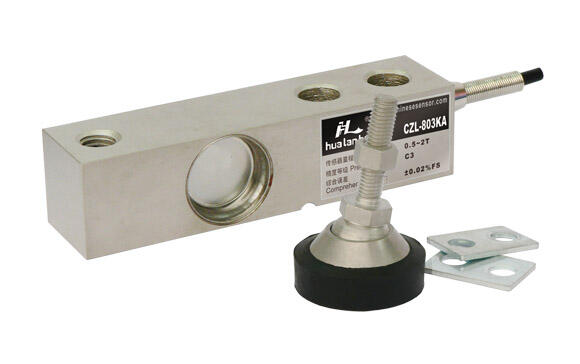
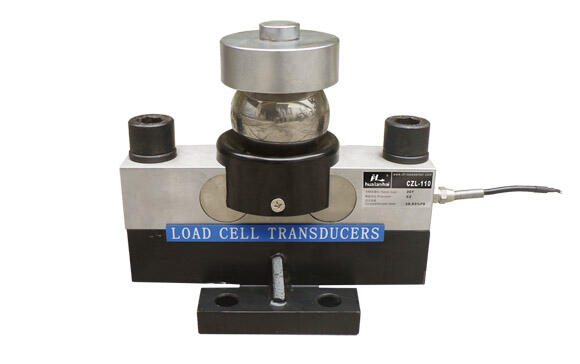
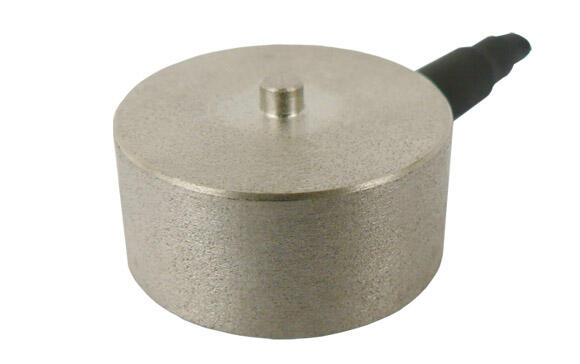
miniature strain gauge load cell
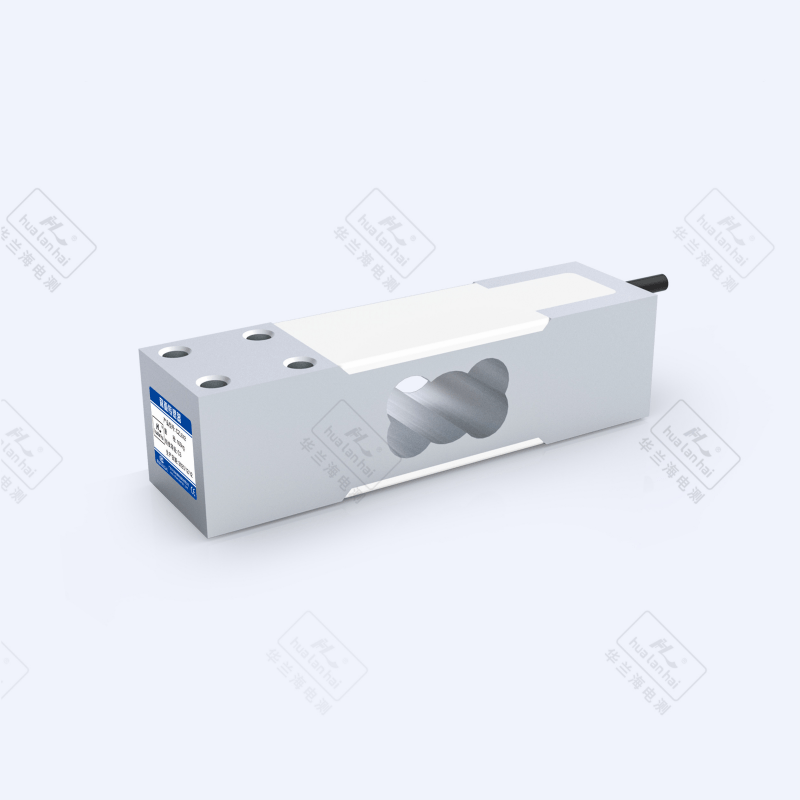
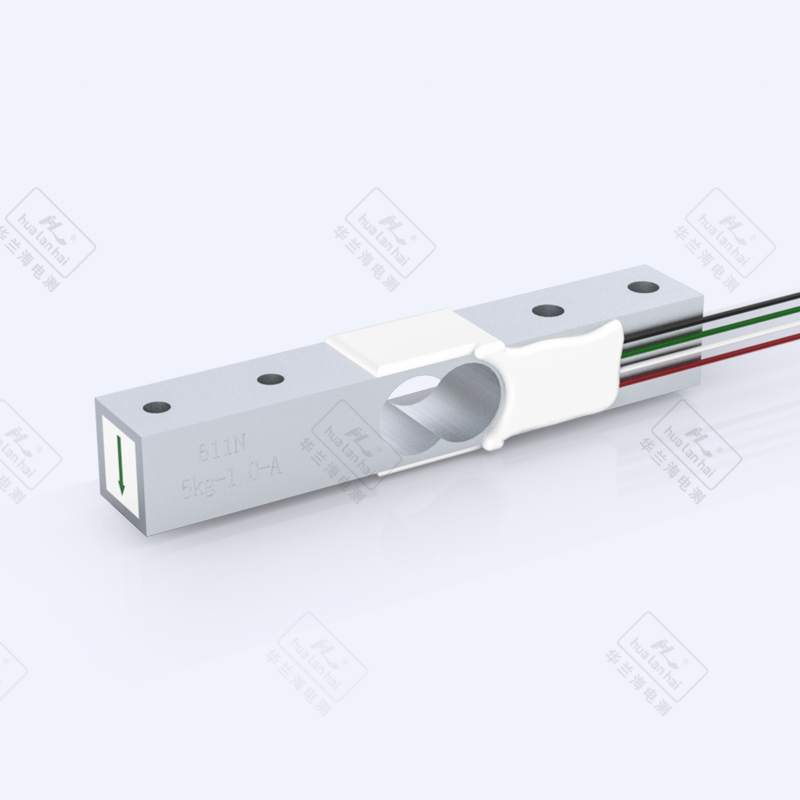
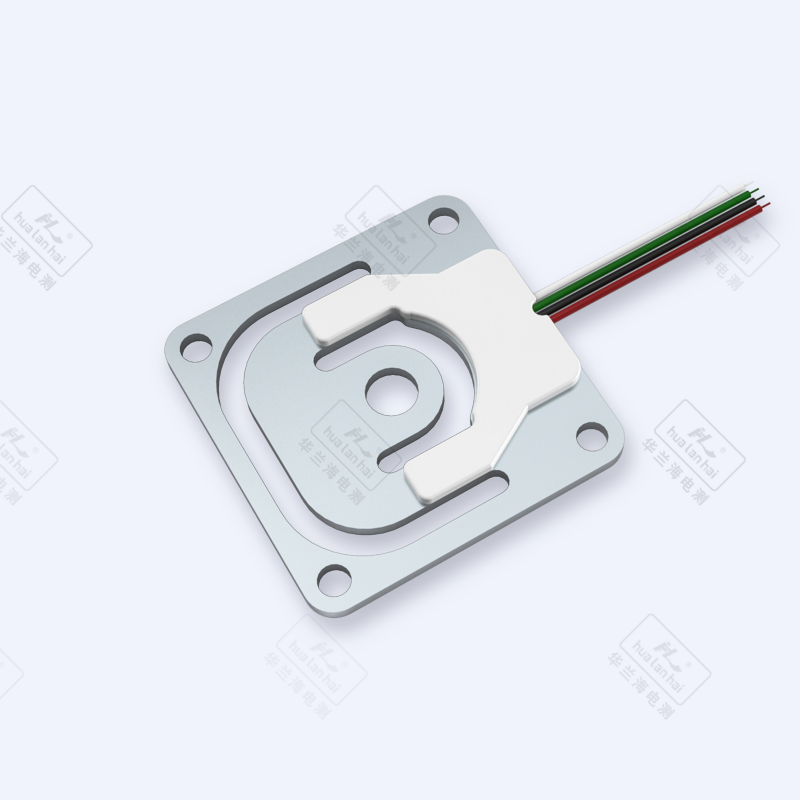
A miniature strain gauge load cell represents a sophisticated force measurement device engineered to deliver precise weight and force readings in compact applications where space constraints are critical. This advanced sensor technology utilizes strain gauge principles to convert mechanical force into electrical signals that can be accurately measured and interpreted by data acquisition systems. The miniature strain gauge load cell operates through the deformation of a specially designed metal structure, typically made from high-grade stainless steel or aluminum alloy, which houses multiple strain gauges strategically positioned to detect minute changes in material stress. When external forces are applied to the load cell, these strain gauges experience proportional deformation, generating electrical resistance variations that correlate directly to the applied load magnitude. The primary functions of miniature strain gauge load cells encompass force measurement, weight determination, tension monitoring, and compression analysis across diverse industrial and commercial applications. These devices excel in providing real-time force feedback, enabling precise control systems for automated manufacturing processes, quality assurance testing, and research applications. The technological features of miniature strain gauge load cells include exceptional linearity, minimal hysteresis, outstanding repeatability, and superior long-term stability. Advanced models incorporate temperature compensation mechanisms to maintain accuracy across varying environmental conditions, while hermetic sealing protects internal components from moisture, dust, and chemical exposure. Digital signal processing capabilities enhance measurement precision and reduce electromagnetic interference susceptibility. Applications for miniature strain gauge load cells span numerous industries, including aerospace testing equipment, medical device manufacturing, robotics systems, automotive component testing, pharmaceutical research apparatus, and precision manufacturing machinery. These versatile sensors prove invaluable in laboratory environments, production lines, quality control stations, and research facilities where accurate force measurement is essential for operational success and regulatory compliance.

 EN
EN