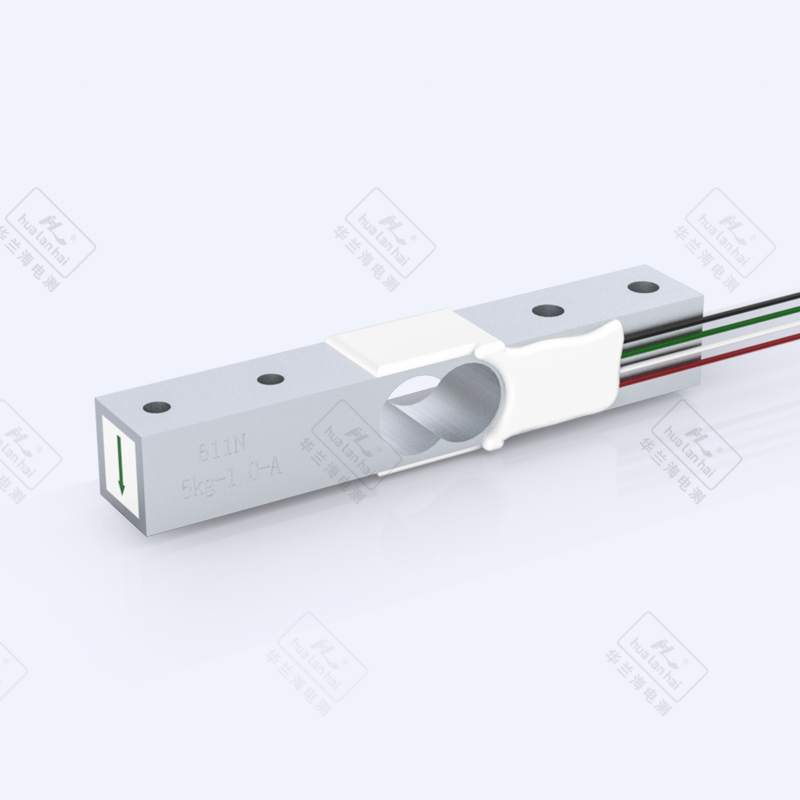
Compression Strain Gauge Load Cell - Precision Force Measurement Solutions for Industrial Applications

All Categories

Get a Free Quote

Our representative will contact you soon.
Email
Name
Company Name
WhatsApp
Message
0/1000

compression strain gauge load cell

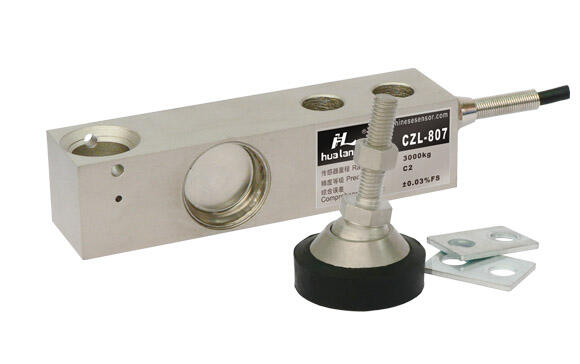
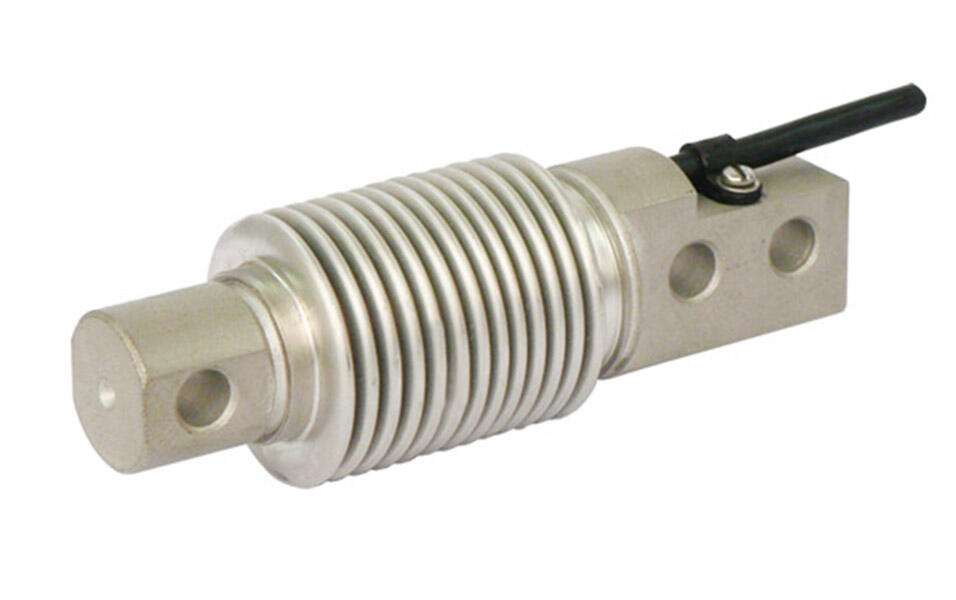
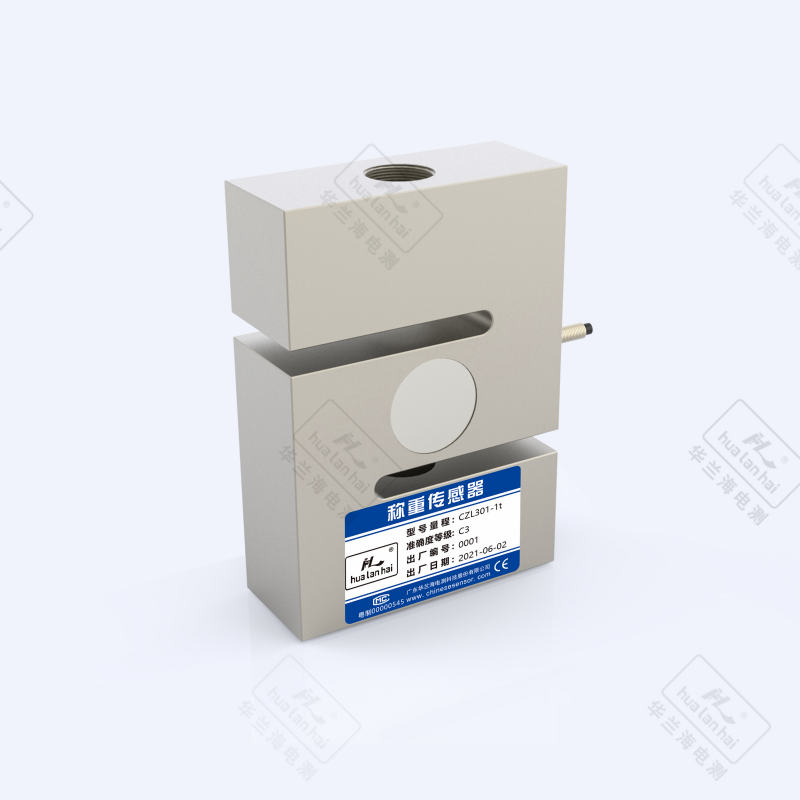
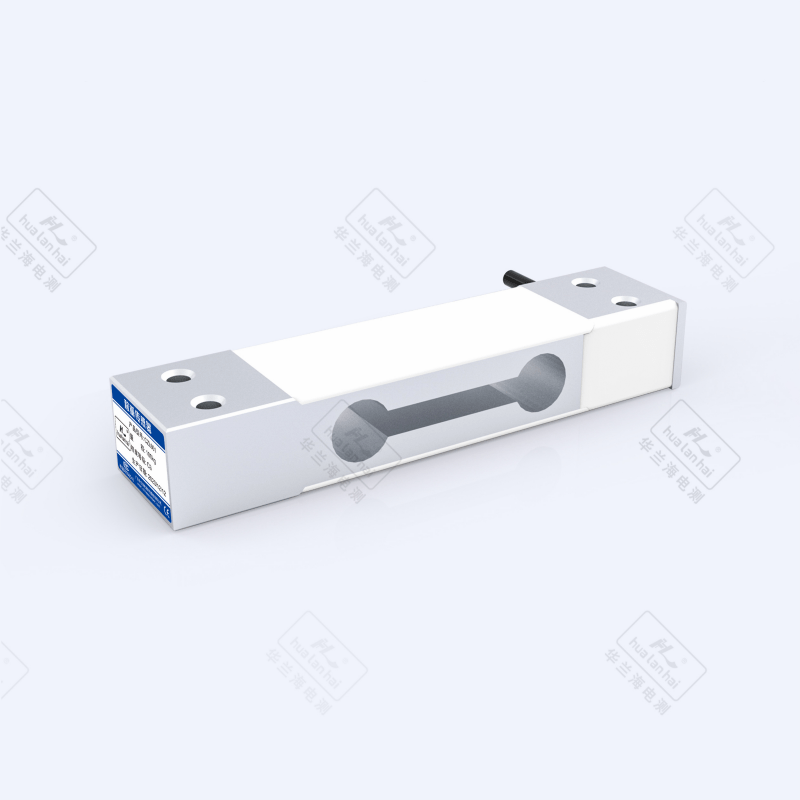
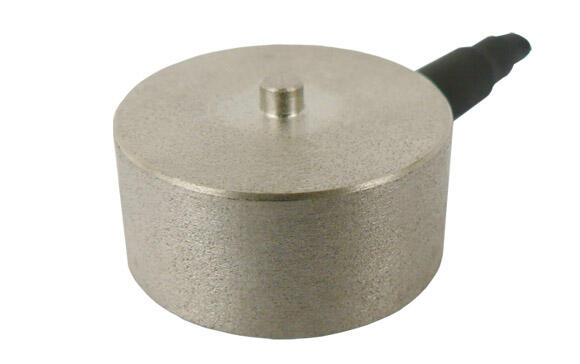
A compression strain gauge load cell represents a sophisticated force measurement device engineered to accurately quantify compressive forces in diverse industrial applications. This precision instrument operates on the fundamental principle of strain gauge technology, where electrical resistance changes proportionally to mechanical deformation under applied loads. The compression strain gauge load cell consists of a robust metallic structure, typically manufactured from high-grade stainless steel or aluminum alloy, equipped with strategically positioned strain gauges that convert mechanical stress into measurable electrical signals. When compressive forces are applied to the load cell, the internal structure deforms minutely, causing the bonded strain gauges to experience resistance variations that correspond directly to the magnitude of the applied force. These resistance changes are then amplified and converted into standardized output signals, usually in millivolt per volt format, enabling seamless integration with data acquisition systems, digital displays, and control equipment. The compression strain gauge load cell features exceptional linearity characteristics, meaning the output signal maintains a consistent relationship with the applied force across the entire measurement range. Modern designs incorporate temperature compensation mechanisms to minimize thermal effects on measurement accuracy, ensuring reliable performance across varying environmental conditions. The device typically includes protective sealing to prevent moisture ingress and contamination, extending operational lifespan in challenging industrial environments. Advanced compression strain gauge load cell models offer multiple output options, including analog voltage signals, digital communication protocols, and wireless transmission capabilities. The measurement range of these devices spans from a few pounds to several million pounds, accommodating applications from laboratory testing to heavy industrial processes. Installation flexibility is enhanced through various mounting configurations, including threaded connections, flanged designs, and custom mounting hardware. The compression strain gauge load cell delivers exceptional repeatability and long-term stability, making it ideal for quality control processes, automated production systems, and critical safety applications where precise force measurement is paramount for operational success and regulatory compliance.

New Products

Compression strain gauge load cells deliver superior measurement accuracy that surpasses traditional mechanical force measurement methods, providing reliable data for critical industrial processes. These devices maintain consistent performance over extended periods, reducing maintenance requirements and operational downtime while ensuring continuous productivity. The robust construction of compression strain gauge load cells enables them to withstand harsh industrial environments, including exposure to dust, moisture, vibration, and temperature fluctuations without compromising measurement integrity. Installation procedures are straightforward and require minimal technical expertise, allowing facilities to implement these systems quickly without extensive training or specialized equipment. The compact design of compression strain gauge load cells optimizes space utilization in equipment configurations where dimensional constraints are important considerations. Cost-effectiveness becomes apparent through reduced calibration frequency requirements, as these devices maintain accuracy over longer intervals compared to alternative measurement technologies. Real-time data output capabilities enable immediate process monitoring and control system integration, facilitating rapid response to changing operational conditions. The wide measurement range flexibility of compression strain gauge load cells accommodates diverse application requirements within a single device platform, reducing inventory complexity and procurement costs. Digital output options eliminate signal degradation issues associated with analog transmission over long distances, ensuring data integrity throughout the measurement chain. Compatibility with modern automation systems and communication protocols enables seamless integration into existing infrastructure without requiring extensive system modifications. The high overload capacity of compression strain gauge load cells provides protection against accidental force spikes that could damage less robust measurement devices. Temperature compensation features maintain measurement accuracy across varying environmental conditions, eliminating the need for manual adjustments or corrections. Self-diagnostic capabilities in advanced models provide early warning of potential issues, enabling proactive maintenance scheduling and preventing unexpected failures. The low power consumption of compression strain gauge load cells makes them suitable for battery-powered applications and remote monitoring installations. Customization options allow for tailored solutions that meet specific application requirements, including special mounting configurations, output ranges, and environmental protection levels. The proven reliability of compression strain gauge load cells reduces total cost of ownership through extended service life and minimal maintenance requirements, delivering excellent return on investment for industrial facilities seeking dependable force measurement solutions.

Latest News

Selection Method of Resistance Strain Gauges

25

Nov

Selection Method of Resistance Strain Gauges

View More

Get a Free Quote

Our representative will contact you soon.
Email
Name
Company Name
WhatsApp
Message
0/1000

compression strain gauge load cell

Exceptional Measurement Precision and Reliability

Exceptional Measurement Precision and Reliability

The compression strain gauge load cell achieves outstanding measurement precision through advanced strain gauge technology that converts mechanical deformation into highly accurate electrical signals. This precision stems from the carefully engineered design where multiple strain gauges are strategically positioned on the load cell body to capture uniform stress distribution and eliminate measurement errors caused by off-center loading or side forces. The device maintains measurement accuracy within 0.03% of full scale under optimal conditions, making it suitable for applications requiring stringent quality control standards and regulatory compliance. Temperature compensation circuits integrated within the compression strain gauge load cell automatically adjust for thermal effects that could otherwise introduce measurement drift, ensuring consistent accuracy across operating temperature ranges from -40°C to +80°C. The superior linearity characteristics of compression strain gauge load cells mean that the output signal remains proportional to the applied force throughout the entire measurement range, eliminating the need for complex calibration curves or mathematical corrections. This reliability extends to long-term stability, where compression strain gauge load cells maintain their calibration accuracy for years without requiring frequent recalibration, reducing operational costs and ensuring continuous process reliability. The robust signal processing electronics filter out electrical noise and interference that could compromise measurement quality, delivering clean, stable output signals suitable for critical control applications. Advanced models incorporate self-calibration features that automatically verify measurement accuracy and alert operators to any deviations from specified performance parameters. The exceptional precision of compression strain gauge load cells enables detection of minute force variations that might indicate process anomalies, equipment wear, or quality issues before they become significant problems. This early detection capability helps prevent costly production errors and maintains consistent product quality standards. The measurement repeatability of compression strain gauge load cells typically exceeds 99.97%, ensuring that identical loading conditions produce virtually identical output readings, which is essential for statistical process control and quality assurance programs.
Versatile Integration and Communication Capabilities

Versatile Integration and Communication Capabilities

Modern compression strain gauge load cells offer extensive integration capabilities that seamlessly connect with diverse industrial automation systems, data acquisition platforms, and control networks through multiple communication protocols and output options. The standard analog output provides 0-10V or 4-20mA signals that integrate directly with most industrial control systems, programmable logic controllers, and human-machine interfaces without requiring additional signal conditioning equipment. Digital communication options including Modbus RTU, Ethernet/IP, and PROFINET enable direct connection to industrial networks, facilitating real-time data sharing across multiple systems and enabling centralized monitoring and control. Wireless transmission capabilities in advanced compression strain gauge load cell models eliminate the need for extensive cabling installations, particularly beneficial in mobile applications, temporary installations, or locations where cable routing is challenging or impractical. The multi-channel capability of some compression strain gauge load cell systems allows simultaneous monitoring of multiple measurement points from a single interface, reducing system complexity and installation costs while providing comprehensive force monitoring across entire processes. Software compatibility extends to popular data acquisition packages, statistical analysis programs, and manufacturing execution systems, enabling seamless data flow from measurement to analysis and reporting functions. The compression strain gauge load cell systems support various sampling rates from slow process monitoring at 1 Hz to high-speed dynamic measurements exceeding 1000 Hz, accommodating applications ranging from static weighing to impact testing and vibration analysis. Programmable features allow users to configure alarm thresholds, scaling factors, and output parameters directly through the device interface or connected software, eliminating the need for external signal conditioning equipment. The standardized mounting interfaces and electrical connections of compression strain gauge load cells ensure compatibility with existing equipment and facilitate easy replacement or upgrade of older measurement systems. Remote monitoring capabilities enable operators to access compression strain gauge load cell data from any location with network connectivity, supporting distributed operations and enabling rapid response to process changes or alarm conditions. The scalable architecture of compression strain gauge load cell systems allows for easy expansion from single-point measurements to comprehensive multi-point monitoring networks without requiring complete system redesign.
Superior Durability and Environmental Protection

Superior Durability and Environmental Protection

Compression strain gauge load cells demonstrate exceptional durability through robust construction materials and protective design features that ensure reliable operation in demanding industrial environments where conventional measurement devices would fail. The load cell body is typically manufactured from high-grade stainless steel or aluminum alloy that provides excellent corrosion resistance and mechanical strength while maintaining dimensional stability under repeated loading cycles. Advanced metallurgy and heat treatment processes create internal stress relief that prevents fatigue failures even under millions of loading cycles, making compression strain gauge load cells suitable for continuous operation in high-frequency applications. Environmental sealing rated to IP67 or IP68 standards protects internal electronics and strain gauge elements from moisture, dust, chemical vapors, and other contaminants that could degrade measurement performance or cause premature failure. The hermetically sealed design prevents humidity ingress that could affect strain gauge adhesion or cause electrical insulation breakdown, ensuring long-term measurement stability in humid or corrosive environments. Vibration resistance features include shock-mounted electronics and reinforced strain gauge installations that maintain measurement accuracy even in high-vibration applications such as conveyor systems, heavy machinery, and mobile equipment. Temperature cycling tests verify that compression strain gauge load cells maintain performance specifications through repeated thermal expansion and contraction cycles without developing mechanical stress concentrations or electrical connection failures. The overload protection capability of compression strain gauge load cells typically extends to 150-300% of rated capacity without permanent damage, providing safety margins against accidental overloading during equipment startup, material handling operations, or process upsets. Chemical compatibility testing ensures that compression strain gauge load cell materials resist degradation from exposure to industrial solvents, cleaning agents, and process chemicals commonly encountered in manufacturing environments. The lightning protection and electromagnetic interference shielding incorporated in compression strain gauge load cells prevent damage from electrical transients and maintain measurement accuracy in electrically noisy environments with variable frequency drives, welding equipment, and high-power machinery. Maintenance requirements are minimal due to the solid-state design with no moving parts, reducing lifecycle costs and eliminating the periodic adjustments and component replacements required by mechanical measurement systems. Quality assurance testing includes accelerated aging tests that verify long-term reliability and performance stability over the expected service life of the compression strain gauge load cell.

Get a Free Quote

Our representative will contact you soon.
Email
Name
Company Name
WhatsApp
Message
0/1000