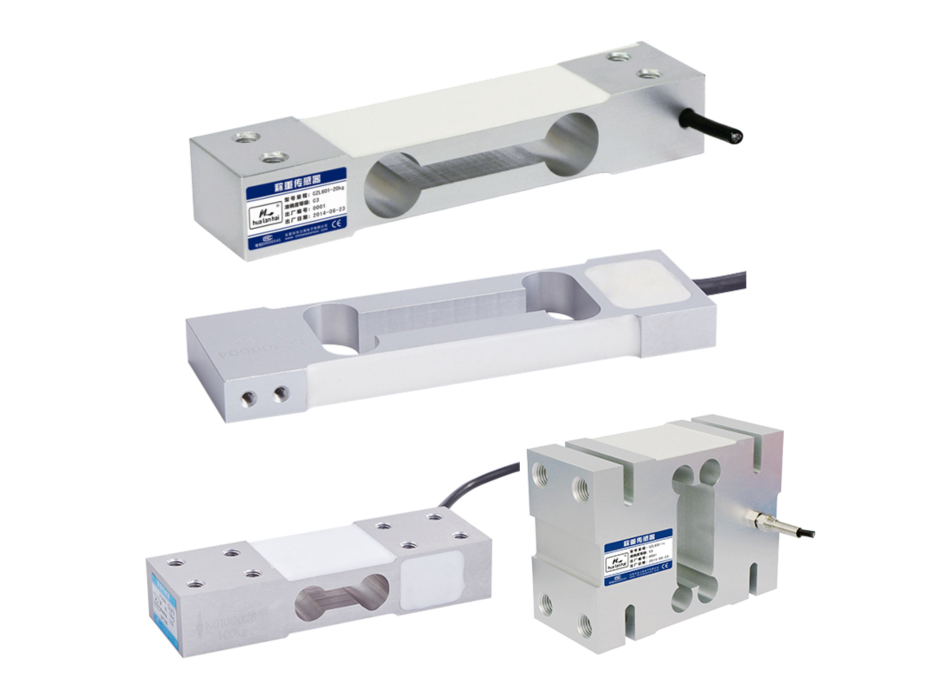
Single Point Strain Gauge Load Cell - Precision Force Measurement Solutions

All Categories

Get a Free Quote

Our representative will contact you soon.
Email
Name
Company Name
WhatsApp
Message
0/1000

single point strain gauge load cell

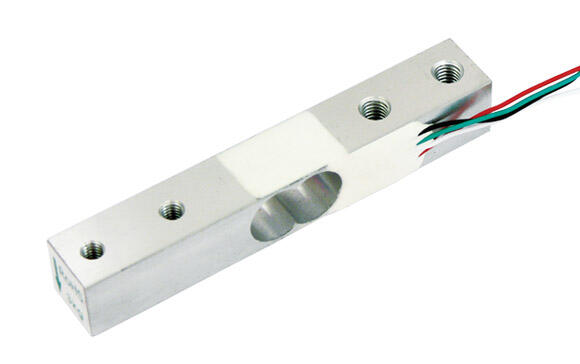
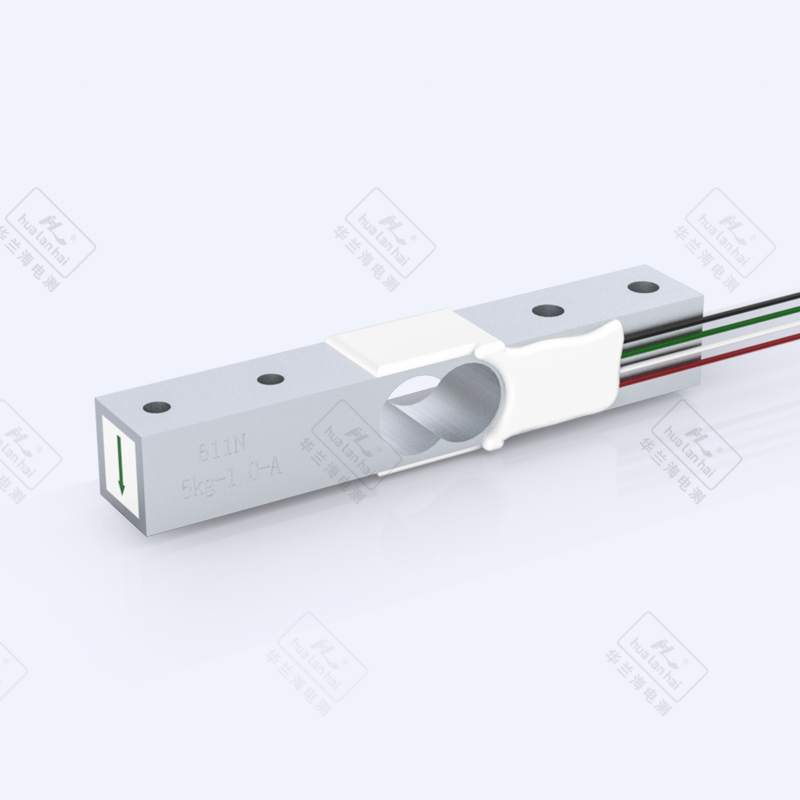
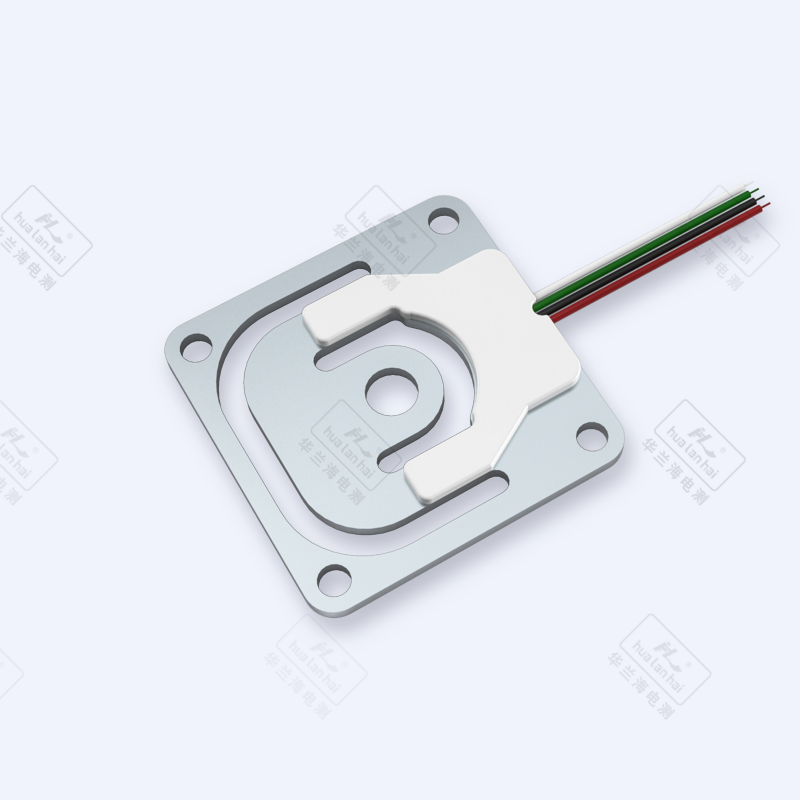
The single point strain gauge load cell represents a fundamental force measurement technology that transforms mechanical force into electrical signals through precise strain detection. This sophisticated measuring device operates on the principle of strain gauge deformation, where applied loads create microscopic changes in resistance within the gauge elements. When weight or force is applied to the single point strain gauge load cell, the internal strain gauges experience proportional deformation, generating measurable electrical output signals that correspond directly to the applied force magnitude. The single point strain gauge load cell features a robust construction designed to withstand demanding industrial environments while maintaining exceptional accuracy levels. Its internal structure incorporates multiple strain gauges arranged in a Wheatstone bridge configuration, ensuring optimal sensitivity and temperature compensation. The device's primary function involves converting mechanical stress into analog voltage signals, making it an essential component for weight measurement systems, force monitoring applications, and automated control processes. Manufacturing processes utilize advanced metallurgy and precision engineering to create load cells capable of handling various capacity ranges, from small-scale laboratory measurements to heavy industrial applications. The single point strain gauge load cell demonstrates remarkable versatility in mounting configurations, allowing integration into diverse mechanical systems and platforms. Its compact design facilitates installation in space-constrained environments while maintaining structural integrity under repeated loading cycles. Quality control standards ensure each single point strain gauge load cell meets stringent performance specifications, including linearity, hysteresis, and creep characteristics. Environmental protection features enable reliable operation across wide temperature ranges and harsh conditions. The technology behind these devices continues evolving, incorporating digital signal processing capabilities and enhanced durability features that extend operational lifespan and reduce maintenance requirements.
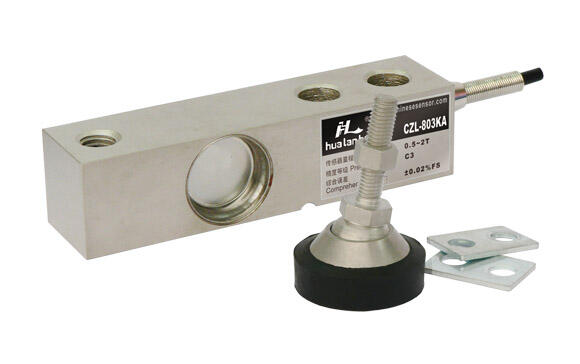
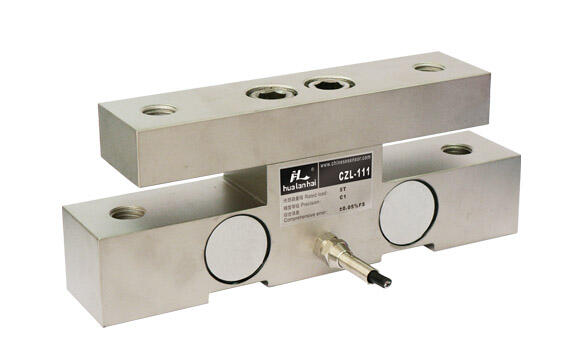
New Products

The single point strain gauge load cell delivers exceptional measurement accuracy that surpasses traditional mechanical weighing methods, providing users with reliable data for critical applications. This precision stems from advanced manufacturing processes that eliminate common sources of measurement error, ensuring consistent performance across extended operational periods. Users benefit from the device's remarkable stability, as the single point strain gauge load cell maintains calibration integrity even under challenging environmental conditions, reducing the need for frequent recalibration procedures and associated downtime costs. The technology offers superior response characteristics, enabling real-time monitoring of dynamic loading conditions that mechanical systems cannot adequately track. Installation simplicity represents another significant advantage, as the single point strain gauge load cell requires minimal setup procedures and connects easily to existing measurement systems through standard electrical interfaces. This straightforward installation process reduces implementation costs and accelerates project timelines for businesses seeking rapid deployment of force measurement solutions. The device's compact footprint allows integration into space-limited applications where larger measurement systems prove impractical, expanding possibilities for equipment design and system optimization. Maintenance requirements remain minimal due to the absence of moving parts, unlike mechanical alternatives that suffer from wear-related degradation over time. The single point strain gauge load cell demonstrates exceptional durability, withstanding millions of loading cycles without performance deterioration, translating into lower total ownership costs and improved operational reliability. Digital compatibility enables seamless integration with modern automation systems, facilitating data logging, remote monitoring, and process control applications that enhance operational efficiency. The technology provides excellent signal-to-noise ratios, ensuring accurate measurements even in electrically noisy industrial environments where other sensors might fail. Cost-effectiveness becomes apparent through reduced maintenance expenses, extended service life, and improved process control capabilities that minimize waste and optimize resource utilization. Users appreciate the device's consistent performance across varying temperature ranges, eliminating the need for complex compensation systems required by alternative measurement technologies.

Practical Tips

Conquering The

25

Nov

Conquering The "Bottleneck" Technologies Is The Greatest Motivation

View More
Guide to Selecting Load Cells

25

Nov

Guide to Selecting Load Cells

View More

Get a Free Quote

Our representative will contact you soon.
Email
Name
Company Name
WhatsApp
Message
0/1000

single point strain gauge load cell

Superior Accuracy and Precision Performance

Superior Accuracy and Precision Performance

The single point strain gauge load cell achieves unparalleled measurement accuracy through sophisticated engineering principles that eliminate common sources of error found in conventional weighing systems. This exceptional precision results from carefully calibrated strain gauge elements that respond proportionally to applied forces, creating linear relationships between mechanical input and electrical output signals. The device's accuracy specifications typically exceed industry standards, with many models achieving measurement uncertainties below 0.1 percent of full scale, making them suitable for critical applications requiring precise force determination. Manufacturing quality control processes ensure each single point strain gauge load cell meets stringent accuracy requirements through comprehensive testing protocols that verify performance under various loading conditions and environmental parameters. Temperature compensation features maintain measurement precision across operational temperature ranges, preventing thermal effects from introducing measurement errors that could compromise data integrity. The Wheatstone bridge configuration inherent in the single point strain gauge load cell design provides excellent sensitivity while rejecting common-mode noise that might affect measurement accuracy in industrial environments. Advanced signal conditioning capabilities enhance measurement resolution, enabling detection of minute force variations that traditional mechanical systems cannot reliably measure. Users benefit from consistent accuracy throughout the device's operational lifespan, as the strain gauge technology resists drift and maintains calibration stability over extended periods. This reliability eliminates the need for frequent recalibration procedures that interrupt operations and increase maintenance costs. The precision performance of the single point strain gauge load cell enables businesses to implement quality control processes that detect product variations within tight tolerances, reducing waste and improving customer satisfaction. Research applications particularly benefit from this high accuracy, allowing scientists and engineers to collect reliable data for analysis and decision-making processes that require precise force measurements.
Versatile Integration and Compatibility Features

Versatile Integration and Compatibility Features

The single point strain gauge load cell demonstrates remarkable versatility in integration scenarios, accommodating diverse mounting configurations and electrical connection requirements across numerous industries and applications. This adaptability stems from standardized mechanical interfaces and electrical output specifications that ensure compatibility with existing measurement systems and control platforms. Users can implement the single point strain gauge load cell in various orientations and mounting arrangements, from overhead suspension systems to compression-based platforms, without compromising measurement accuracy or structural integrity. The device's electrical characteristics conform to industry standards, providing analog voltage outputs that connect directly to data acquisition systems, programmable logic controllers, and digital displays without requiring specialized interface equipment. This compatibility reduces system complexity and implementation costs while ensuring reliable signal transmission over extended cable runs. Modern single point strain gauge load cell designs incorporate advanced connectivity options, including digital communication protocols that enable direct integration with industrial networks and automation systems. These digital capabilities facilitate remote monitoring, data logging, and real-time process control applications that enhance operational efficiency and provide valuable insights into system performance. The technology's scalability allows users to implement single-unit solutions for simple applications or complex multi-cell configurations for comprehensive force measurement networks. Installation flexibility extends to environmental considerations, as the single point strain gauge load cell accommodates various protection levels and housing options that suit different operational conditions. Users benefit from standardized calibration procedures that simplify integration with existing quality management systems and traceability requirements. The device's modular design philosophy enables easy replacement and upgrade procedures without requiring extensive system modifications or reconfiguration efforts. This versatility translates into reduced engineering costs and faster project implementation timelines for businesses seeking efficient force measurement solutions. Technical support and documentation facilitate integration processes, providing users with comprehensive resources for successful system implementation and ongoing operational support requirements.
Enhanced Durability and Long-term Reliability

Enhanced Durability and Long-term Reliability

The single point strain gauge load cell exhibits exceptional durability characteristics that ensure reliable operation throughout extended service periods, even under demanding industrial conditions and repetitive loading cycles. This robust performance results from advanced materials selection and precision manufacturing processes that create devices capable of withstanding mechanical stress, environmental challenges, and operational demands without degradation. The absence of moving parts distinguishes the single point strain gauge load cell from mechanical alternatives, eliminating wear-related failure modes that compromise long-term reliability and increase maintenance requirements. Sophisticated protective measures shield internal components from moisture, dust, and chemical contaminants that might otherwise cause performance deterioration or premature failure. Users benefit from extended operational lifespans that can exceed millions of loading cycles without significant accuracy degradation, providing excellent return on investment and reducing total ownership costs. The technology's inherent stability resists drift and maintains calibration integrity over time, minimizing the need for frequent adjustment procedures that interrupt operations and increase maintenance expenses. Environmental protection features enable reliable operation across wide temperature ranges, humidity variations, and exposure to industrial chemicals, expanding application possibilities and reducing installation constraints. Fatigue resistance characteristics ensure the single point strain gauge load cell maintains structural integrity under cyclic loading conditions that might cause failure in alternative measurement technologies. Quality assurance protocols verify each device's durability performance through accelerated aging tests and environmental stress screening procedures that identify potential reliability issues before deployment. This comprehensive testing approach provides users with confidence in long-term performance and reduces the risk of unexpected failures that could disrupt critical operations. The technology's proven track record across diverse industries demonstrates its ability to deliver consistent performance in challenging applications ranging from manufacturing automation to research instrumentation. Preventive maintenance requirements remain minimal, typically involving periodic calibration verification and basic cleanliness procedures that extend service life and maintain optimal performance levels throughout the operational period.

Get a Free Quote

Our representative will contact you soon.
Email
Name
Company Name
WhatsApp
Message
0/1000