Custom Strain Gauge Load Cells - Precision Force Measurement Solutions for Industrial Applications

All Categories

Get a Free Quote

Our representative will contact you soon.
Email
Name
Company Name
WhatsApp
Message
0/1000

custom strain gauge load cell

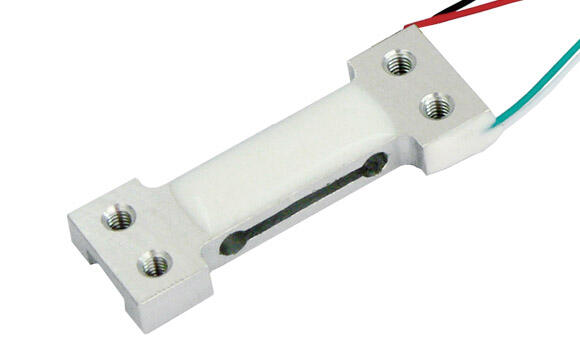
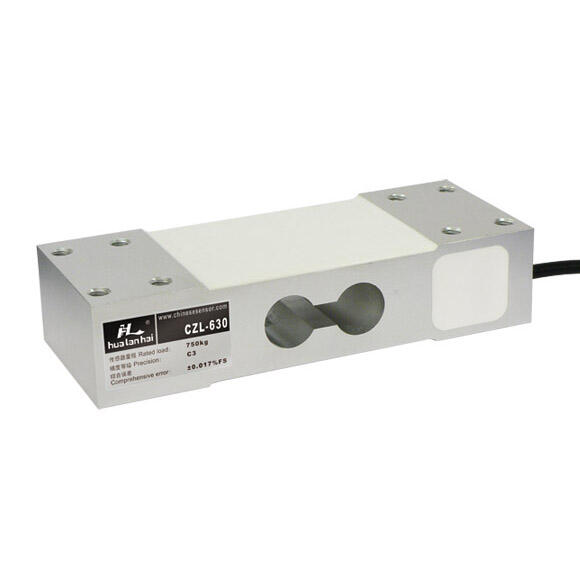
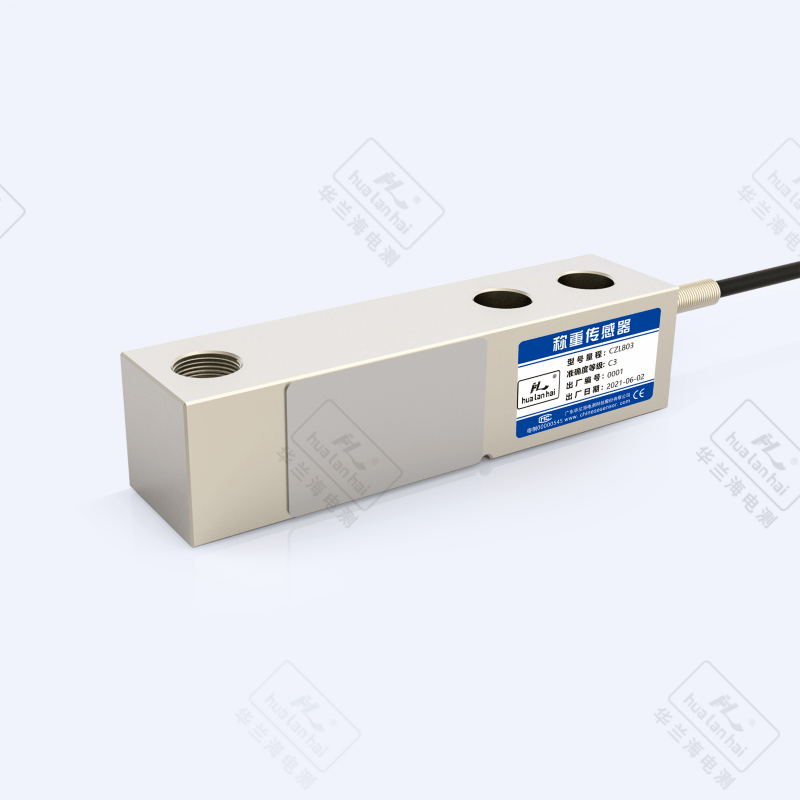
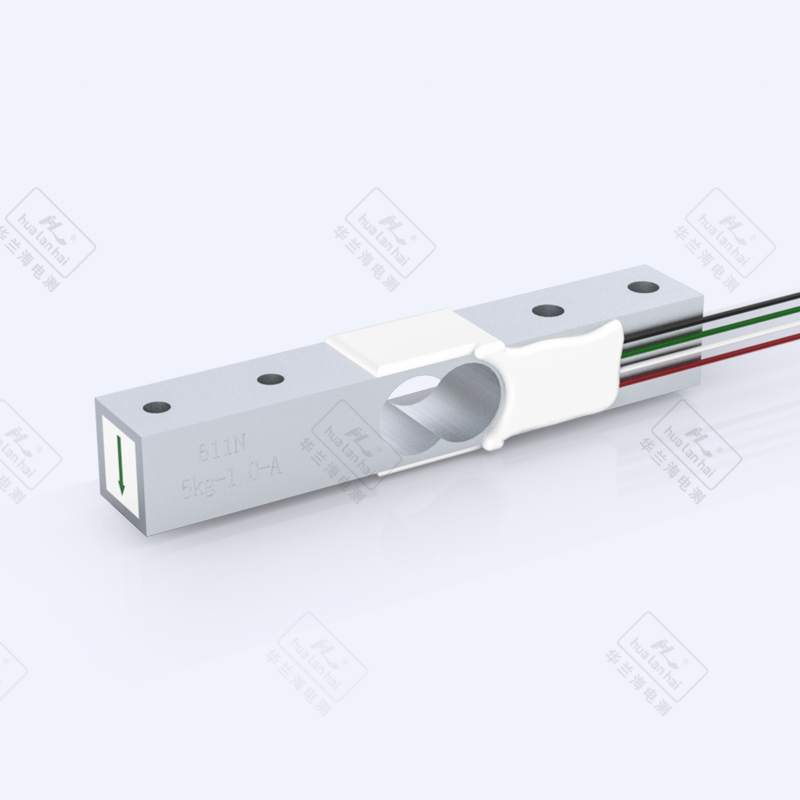
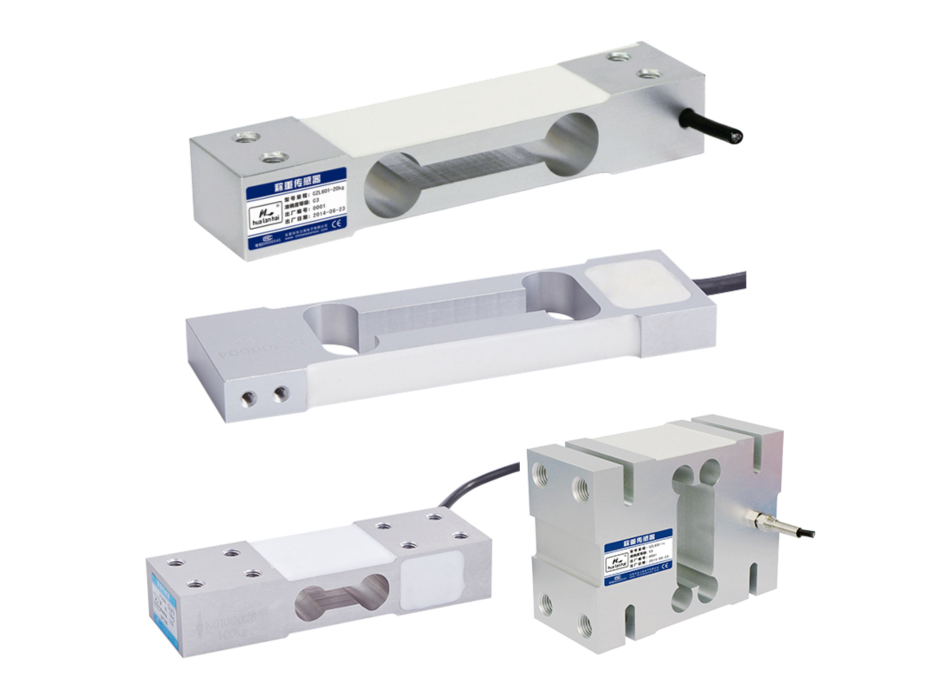
A custom strain gauge load cell represents a precision-engineered force measurement device specifically designed to meet unique application requirements that standard load cells cannot address. This sophisticated instrument operates on the fundamental principle of strain measurement, utilizing strategically positioned strain gauges bonded to a specially designed mechanical element that deforms predictably under applied loads. When force is applied to the custom strain gauge load cell, the mechanical element experiences controlled deformation, causing the electrical resistance of the strain gauges to change proportionally to the applied force. This resistance change is then converted into an electrical signal that accurately represents the magnitude of the applied load. The technological features of a custom strain gauge load cell include advanced metallurgical construction using high-grade materials such as stainless steel, aluminum alloy, or specialized tool steel, depending on the specific environmental and performance requirements. The strain gauges themselves are precision-manufactured resistive elements that are carefully calibrated and temperature-compensated to ensure accurate measurements across varying operating conditions. Custom strain gauge load cells incorporate sophisticated signal conditioning circuitry that amplifies and processes the minute electrical signals generated by the strain gauges, converting them into standardized output signals suitable for data acquisition systems, industrial controllers, or display devices. These devices find extensive applications across diverse industries including aerospace testing, automotive manufacturing, medical equipment, industrial automation, research laboratories, and quality control systems. In manufacturing environments, custom strain gauge load cells monitor production forces, verify assembly operations, and ensure product quality through precise force measurement. Research facilities utilize these instruments for material testing, structural analysis, and experimental data collection. The medical industry employs custom strain gauge load cells in patient monitoring equipment, rehabilitation devices, and surgical instruments where precise force measurement is critical for patient safety and treatment effectiveness.

New Product Releases

Custom strain gauge load cells deliver exceptional measurement accuracy that surpasses standard alternatives, providing reliable force data essential for critical applications where precision directly impacts safety, quality, and operational efficiency. These specialized instruments offer superior long-term stability, maintaining calibration accuracy over extended periods while operating in challenging environmental conditions including extreme temperatures, humidity variations, and corrosive atmospheres. The robust construction of custom strain gauge load cells ensures consistent performance across millions of loading cycles, making them ideal for continuous industrial operations where downtime costs are prohibitive. Engineers benefit from the ability to specify exact dimensional requirements, ensuring perfect integration into existing systems without costly modifications or compromises in system design. The wide measurement range capabilities of custom strain gauge load cells accommodate applications from micro-force measurements in laboratory settings to massive load monitoring in heavy industrial equipment, providing versatility that standard load cells cannot match. Advanced signal processing features eliminate common measurement errors caused by temperature fluctuations, electrical interference, and mechanical vibrations, delivering clean, reliable data that enables precise process control and quality assurance. Custom strain gauge load cells offer multiple output options including analog voltage, current signals, and digital communication protocols, facilitating seamless integration with modern data acquisition systems and industrial networks. The enhanced durability of these instruments reduces maintenance requirements and replacement costs, providing significant long-term value compared to standard alternatives that may require frequent recalibration or replacement. Quality control departments rely on custom strain gauge load cells to verify product specifications, monitor assembly forces, and detect manufacturing defects before products reach customers. Research teams appreciate the high resolution and fast response times that enable detailed analysis of dynamic loading conditions and transient force events. Custom strain gauge load cells support advanced features such as overload protection, multiple measurement ranges, and specialized mounting configurations that address unique application challenges. The ability to customize sensitivity, frequency response, and environmental protection ensures optimal performance in specific operating conditions while maintaining measurement integrity and extending service life.

Practical Tips

Guide to Selecting Load Cells

25

Nov

Guide to Selecting Load Cells

View More
Selection Method of Resistance Strain Gauges

25

Nov

Selection Method of Resistance Strain Gauges

View More

Get a Free Quote

Our representative will contact you soon.
Email
Name
Company Name
WhatsApp
Message
0/1000

custom strain gauge load cell

Tailored Engineering Solutions for Unique Applications

Tailored Engineering Solutions for Unique Applications

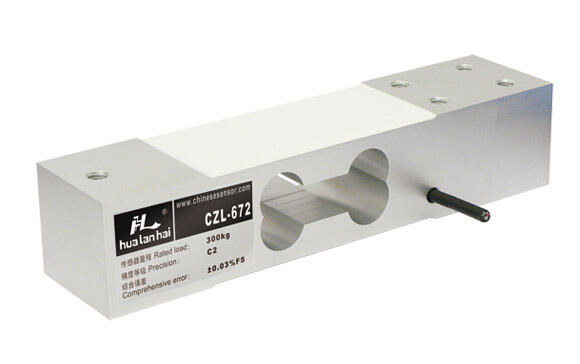
Custom strain gauge load cells provide unparalleled flexibility in addressing specialized measurement challenges that cannot be solved with standard off-the-shelf solutions. This engineering advantage stems from the ability to modify every aspect of the load cell design, from the mechanical sensing element geometry to the strain gauge configuration and signal conditioning electronics. Engineers work closely with customers to understand specific application requirements, environmental constraints, and performance objectives, then develop custom strain gauge load cell solutions that optimize measurement accuracy, reliability, and integration compatibility. The customization process begins with detailed analysis of the force measurement requirements, including load magnitude, frequency response, environmental conditions, mounting constraints, and output signal specifications. Mechanical engineers design specialized sensing elements using advanced finite element analysis to ensure optimal stress distribution and maximum sensitivity while maintaining structural integrity under extreme loading conditions. The custom strain gauge load cell design process incorporates advanced materials science, selecting optimal alloys and heat treatments that provide the necessary mechanical properties, corrosion resistance, and thermal stability for specific operating environments. Strain gauge selection and placement are optimized through precise calculations and computer modeling to maximize signal output while minimizing temperature effects, creep, and non-linearity errors. Custom signal conditioning circuits are designed to provide optimal performance for specific measurement requirements, incorporating features such as amplification, filtering, temperature compensation, and digital conversion as needed. The manufacturing process utilizes precision machining, specialized bonding techniques, and rigorous quality control procedures to ensure that each custom strain gauge load cell meets exact specifications and delivers consistent performance throughout its operational life. Testing and calibration procedures are customized to verify performance under actual operating conditions, ensuring that the custom strain gauge load cell will perform reliably in real-world applications. This comprehensive approach to customization enables engineers to solve complex measurement challenges that would be impossible with standard load cells, providing competitive advantages through improved process control, enhanced product quality, and reduced operational costs.
Superior Accuracy and Long-Term Stability

Superior Accuracy and Long-Term Stability

The exceptional measurement accuracy and long-term stability of custom strain gauge load cells represent critical advantages that directly impact operational success in precision-critical applications. These instruments achieve superior accuracy through advanced design techniques that minimize common sources of measurement error, including temperature effects, mechanical hysteresis, and electrical drift. Custom strain gauge load cells utilize precision-manufactured sensing elements with carefully controlled material properties and geometric tolerances that ensure consistent mechanical response under varying load conditions. The strain gauges themselves are selected and configured to provide optimal sensitivity while maintaining linear response characteristics across the full measurement range. Advanced temperature compensation techniques eliminate measurement errors caused by thermal expansion and contraction of the sensing element, ensuring accurate readings across wide temperature ranges. The custom strain gauge load cell design incorporates sophisticated signal conditioning circuits that provide stable amplification, effective noise filtering, and precise calibration adjustments that minimize drift and maintain accuracy over extended operating periods. Quality manufacturing processes ensure consistent bonding between strain gauges and the sensing element, eliminating potential failure points that could compromise measurement accuracy or reliability. Rigorous calibration procedures using traceable reference standards verify measurement accuracy and establish uncertainty specifications that enable users to make informed decisions about measurement confidence. The long-term stability of custom strain gauge load cells results from careful material selection, optimized stress levels, and robust construction techniques that minimize the effects of mechanical fatigue, environmental degradation, and aging phenomena. Advanced protective coatings and sealing techniques prevent moisture ingress, corrosion, and contamination that could affect measurement accuracy over time. Custom strain gauge load cells undergo extensive testing under accelerated aging conditions to verify long-term stability and predict service life under various operating conditions. This superior accuracy and stability enable users to achieve tighter process control, reduce product variability, improve quality assurance, and minimize costly measurement uncertainties that could impact product safety or regulatory compliance. The reliable performance of custom strain gauge load cells reduces the need for frequent recalibration and maintenance, providing significant operational cost savings while ensuring consistent measurement quality throughout the instrument's service life.
Versatile Integration and Advanced Communication Capabilities

Versatile Integration and Advanced Communication Capabilities

Custom strain gauge load cells excel in providing versatile integration options and advanced communication capabilities that seamlessly connect with modern industrial systems, data acquisition networks, and automated control platforms. This integration flexibility represents a significant competitive advantage, enabling engineers to implement sophisticated measurement solutions without extensive system modifications or costly interface adaptations. The communication capabilities of custom strain gauge load cells encompass multiple output formats including traditional analog signals such as voltage and current outputs, as well as advanced digital communication protocols including Ethernet, USB, RS-485, and wireless connectivity options. This diversity of communication options ensures compatibility with legacy systems while supporting integration with cutting-edge Industry 4.0 technologies and Internet of Things applications. Custom strain gauge load cells can be configured with multiple output channels, enabling simultaneous monitoring by different systems or providing redundant measurement paths for critical safety applications. Advanced digital communication features include programmable measurement parameters, remote calibration capabilities, diagnostic information, and real-time status monitoring that enhance system functionality and reduce maintenance requirements. The integration process is simplified through standardized mounting configurations, industry-standard electrical connections, and comprehensive documentation that includes detailed specifications, calibration certificates, and integration guidelines. Custom strain gauge load cells support advanced features such as tare functions, peak hold capabilities, statistical analysis, and data logging that add value to measurement systems without requiring external processing equipment. Wireless communication options eliminate the need for complex cabling in difficult-to-access locations while providing real-time measurement data to remote monitoring systems. The robust communication protocols include error detection, data validation, and security features that ensure reliable data transmission in industrial environments with high levels of electrical interference. Custom strain gauge load cells can be integrated into distributed measurement networks that enable centralized monitoring and control of multiple measurement points from a single interface. The scalability of these communication systems supports applications ranging from simple single-point measurements to complex multi-channel monitoring networks that provide comprehensive process visibility. Advanced software tools and application programming interfaces enable custom integration with specialized analysis software, database systems, and enterprise resource planning platforms, maximizing the value of measurement data throughout the organization.

Get a Free Quote

Our representative will contact you soon.
Email
Name
Company Name
WhatsApp
Message
0/1000