Mechanical Load Cell Solutions: Durable, Accurate Force Measurement Systems

All Categories

Get a Free Quote

Our representative will contact you soon.
Email
Name
Company Name
WhatsApp
Message
0/1000

mechanical load cell

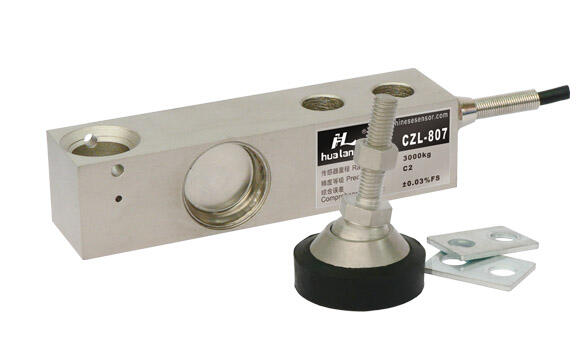
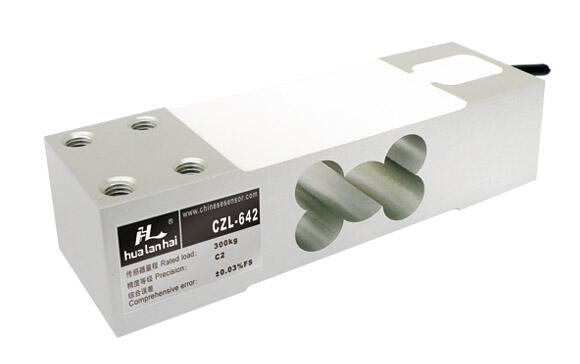
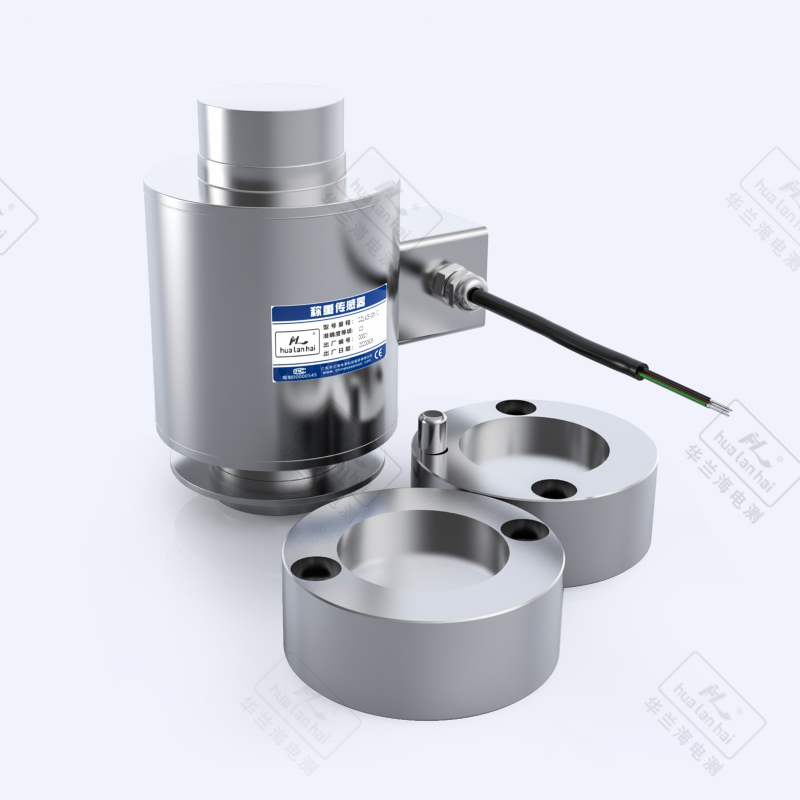
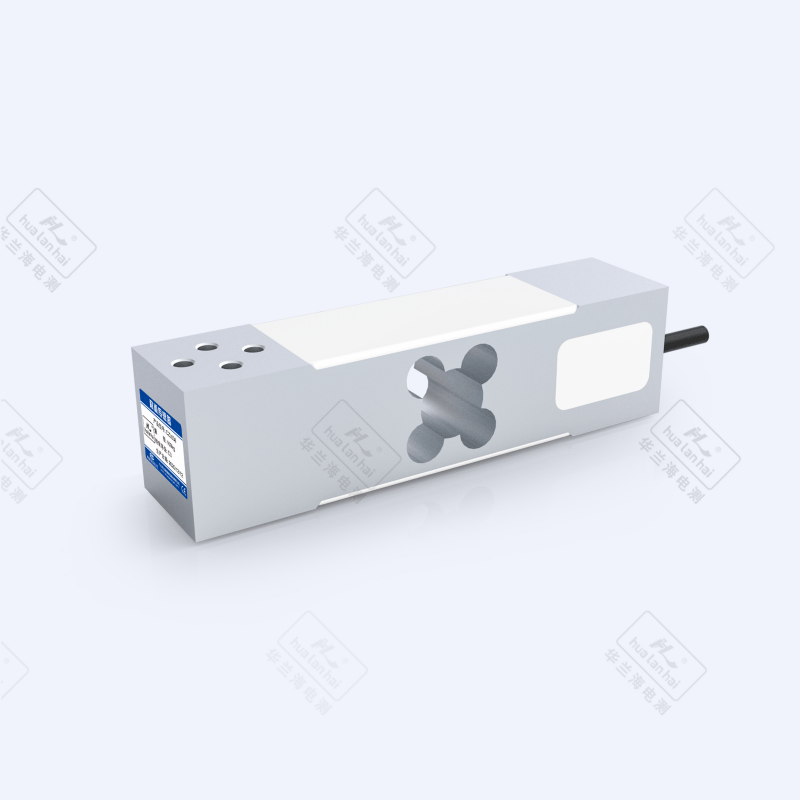
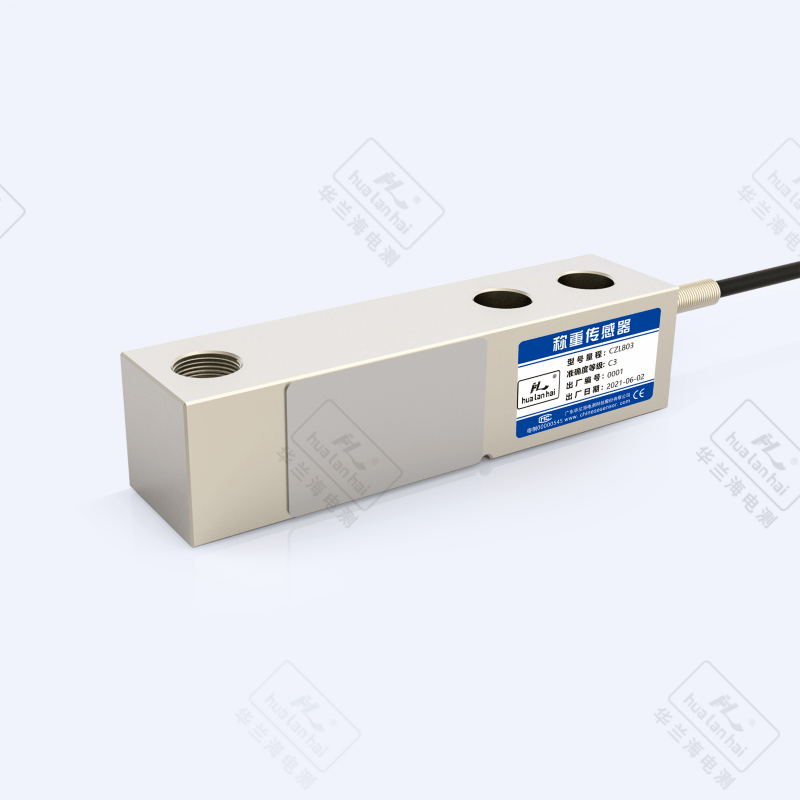
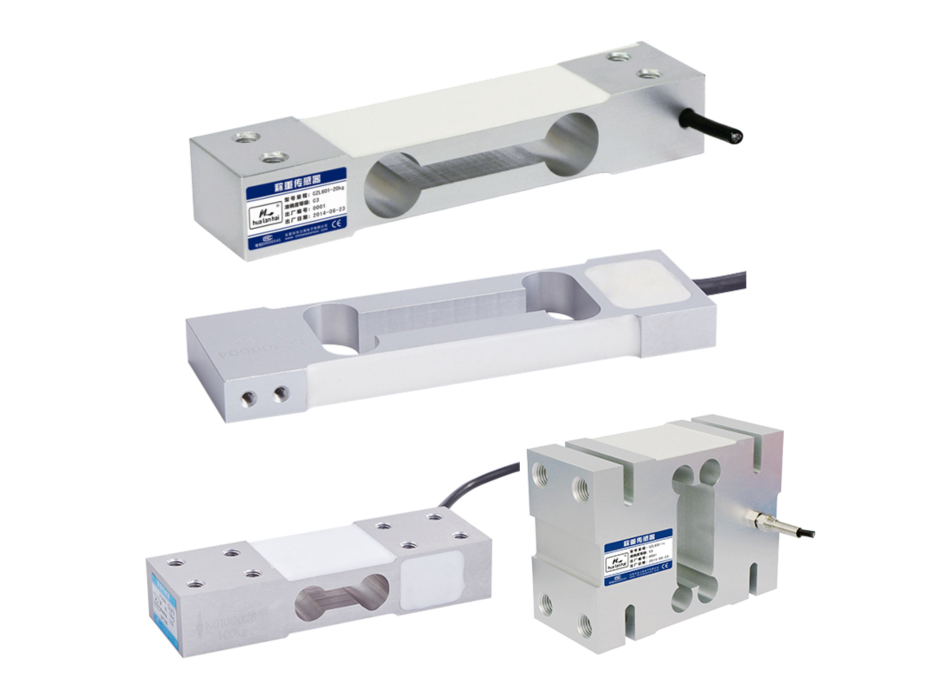
A mechanical load cell stands as a fundamental force measurement device that converts applied loads into measurable mechanical displacement or deformation. This precision instrument operates on basic mechanical principles, utilizing springs, levers, or elastic elements to detect and quantify forces ranging from a few pounds to thousands of tons. The mechanical load cell design incorporates proven engineering concepts that have served industries reliably for decades, making it an essential component in countless weighing and force measurement applications. The core functionality of a mechanical load cell revolves around its ability to translate physical force into proportional mechanical movement. When weight or force is applied to the load cell, its internal mechanical components respond by deforming in a predictable, linear manner. This deformation is then transmitted through a series of mechanical linkages to provide a readable output, whether through analog displays, dial indicators, or digital conversion systems. The technological features of mechanical load cells include robust construction materials such as hardened steel or aluminum alloy, precision-machined components for accurate force transmission, and sealed enclosures that protect against environmental contamination. These devices typically incorporate calibrated springs or flexure elements that maintain consistent performance characteristics across their rated capacity range. Many mechanical load cell designs feature overload protection mechanisms to prevent damage from excessive forces, while maintaining measurement accuracy within specified tolerances. Applications for mechanical load cells span numerous industries and sectors. Manufacturing facilities utilize these devices for quality control processes, ensuring products meet weight specifications and detecting variations in production consistency. The agricultural sector employs mechanical load cells in grain elevators, livestock scales, and fertilizer application equipment. Transportation industries integrate these measurement tools into vehicle scales, cargo handling systems, and freight verification processes. Construction and mining operations depend on mechanical load cells for crane load monitoring, material handling equipment, and bulk material measurement systems. Laboratory environments use precision mechanical load cells for material testing, research applications, and calibration procedures where accurate force measurement is critical for experimental validity and safety compliance.

Popular Products

The mechanical load cell offers numerous practical benefits that make it an ideal choice for businesses seeking reliable force measurement solutions. First and foremost, these devices provide exceptional durability and longevity, withstanding harsh industrial environments where electronic components might fail. The robust mechanical construction resists shock, vibration, temperature extremes, and moisture exposure that commonly occur in manufacturing, construction, and outdoor applications. This resilience translates directly into reduced maintenance costs and minimal downtime for your operations. Cost-effectiveness represents another significant advantage of mechanical load cell technology. The initial investment typically costs less than electronic alternatives, while the absence of complex circuitry eliminates expensive repairs and component replacements. Your facility saves money on specialized technicians since basic mechanical maintenance can be performed by standard maintenance personnel using common tools and techniques. The simplicity of mechanical load cells also reduces training requirements for operators, allowing your team to become proficient quickly without extensive technical education. Accuracy and reliability remain consistently high throughout the operational life of a mechanical load cell. These devices maintain their calibration longer than electronic systems, requiring less frequent adjustments and providing stable measurements over extended periods. The mechanical nature eliminates concerns about electrical interference, signal drift, or electronic component aging that can affect measurement precision in sensitive applications. Your quality control processes benefit from this consistent performance, ensuring product specifications are met reliably. Power independence gives mechanical load cells a distinct operational advantage. These devices function without electricity, making them perfect for remote locations, emergency situations, or areas where power availability is uncertain. This feature proves invaluable for field operations, temporary installations, and backup measurement systems. Your operations continue uninterrupted during power outages or electrical system failures. The straightforward operation of mechanical load cells reduces complexity in your measurement systems. Operators can immediately understand readings without interpreting digital displays or navigating electronic menus. This direct visual feedback speeds up processes and reduces the potential for operator error. Maintenance requirements remain minimal, with periodic lubrication and basic mechanical adjustments typically sufficient to maintain optimal performance. The proven technology behind mechanical load cells provides peace of mind through decades of successful field application across diverse industries and challenging environments.

Practical Tips

Conquering The

25

Nov

Conquering The "Bottleneck" Technologies Is The Greatest Motivation

View More
Guide to Selecting Load Cells

25

Nov

Guide to Selecting Load Cells

View More
Selection Method of Resistance Strain Gauges

25

Nov

Selection Method of Resistance Strain Gauges

View More

Get a Free Quote

Our representative will contact you soon.
Email
Name
Company Name
WhatsApp
Message
0/1000

mechanical load cell

Unmatched Durability in Harsh Environments

Unmatched Durability in Harsh Environments

The mechanical load cell excels in demanding industrial environments where other measurement devices struggle to maintain performance. Built from premium materials like hardened steel and aluminum alloys, these robust instruments withstand extreme conditions that would destroy sensitive electronic equipment. The sealed mechanical components resist corrosion, moisture infiltration, and chemical exposure commonly found in manufacturing plants, outdoor installations, and marine applications. This exceptional durability stems from the fundamental mechanical design that eliminates vulnerable electronic circuits, fragile sensors, and delicate wiring connections. Temperature fluctuations that cause electronic drift and component failure have minimal impact on mechanical load cell accuracy. Whether operating in freezing cold storage facilities or high-temperature industrial ovens, the mechanical load cell maintains consistent measurement performance. The solid construction handles shock loads and vibration that occur during material handling, transportation, and heavy equipment operation without affecting calibration or structural integrity. Manufacturing facilities benefit significantly from this durability advantage, as mechanical load cell installations continue operating reliably through years of continuous use with minimal maintenance intervention. The absence of electronic components eliminates concerns about electromagnetic interference from welding equipment, motors, and radio frequency sources that can disrupt sensitive measurement systems. This immunity to electrical interference ensures accurate readings in electrically noisy environments where precision matters most. Additionally, the mechanical load cell design incorporates overload protection features that prevent permanent damage when forces exceed rated capacity. These safety mechanisms allow the device to return to normal operation after overload conditions, protecting your investment while maintaining measurement accuracy. The long-term reliability of mechanical load cells translates into substantial cost savings through reduced replacement frequency, lower maintenance requirements, and decreased system downtime. Your operations benefit from consistent performance that supports quality control processes, regulatory compliance, and operational efficiency goals year after year.
Power-Independent Operation for Maximum Flexibility

Power-Independent Operation for Maximum Flexibility

The mechanical load cell provides unparalleled operational flexibility through its power-independent design, eliminating the constraints and vulnerabilities associated with electrical power requirements. This fundamental advantage allows installations in remote locations where electrical infrastructure is unavailable or unreliable, opening up measurement possibilities that electronic systems simply cannot accommodate. Field operations, temporary installations, and mobile applications benefit tremendously from this independence, as measurements can be taken anywhere without concerns about power supply, battery life, or electrical connections. The power-independent nature of mechanical load cells proves invaluable during emergency situations and power outages when continuous measurement remains critical for safety and operational continuity. Industrial facilities can maintain essential weighing and force measurement capabilities even when electrical systems fail, ensuring business operations continue without interruption. This reliability becomes especially important in critical applications such as safety monitoring systems, process control, and quality assurance procedures where measurement data cannot be compromised. Remote agricultural operations particularly benefit from mechanical load cell installations, as rural locations often face power supply challenges that make electronic alternatives impractical. Grain elevators, livestock scales, and crop handling equipment can operate reliably without expensive electrical infrastructure or ongoing power costs. The elimination of power requirements also reduces installation complexity and associated costs, as electrical conduits, power supplies, and safety systems become unnecessary. Maintenance advantages compound the operational benefits of power independence. Technical personnel spend less time troubleshooting electrical connections, replacing batteries, or dealing with power-related failures that commonly affect electronic measurement systems. This simplification reduces maintenance costs while improving system reliability and availability. The mechanical load cell continues providing accurate measurements regardless of environmental electrical conditions, voltage fluctuations, or power quality issues that can affect sensitive electronic equipment. Cost savings extend beyond elimination of power consumption to include reduced infrastructure requirements, simplified installation procedures, and lower long-term maintenance expenses. Your facility avoids ongoing electrical costs while gaining measurement capabilities that operate reliably in any environment or situation where force measurement is required.
Superior Long-Term Accuracy and Calibration Stability

Superior Long-Term Accuracy and Calibration Stability

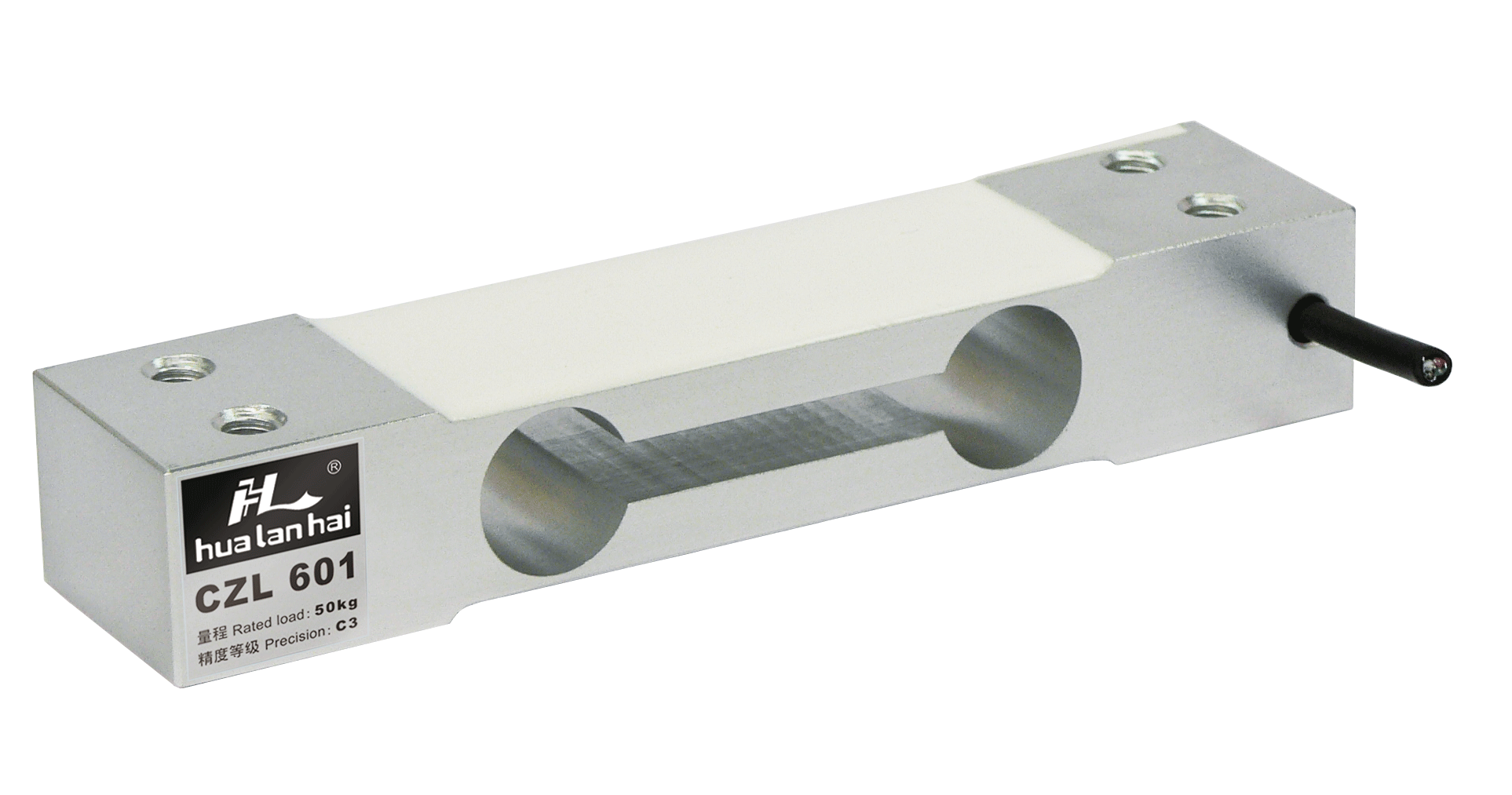
The mechanical load cell demonstrates exceptional calibration stability and long-term accuracy that surpasses electronic alternatives in demanding measurement applications. This superior performance stems from the inherent stability of mechanical components that resist drift, aging, and environmental effects that commonly degrade electronic sensor accuracy over time. The fundamental mechanical principles governing load cell operation remain constant, providing measurement consistency that supports quality control processes, regulatory compliance, and precision applications where accuracy cannot be compromised. Calibration intervals for mechanical load cells extend significantly longer than electronic systems, reducing the frequency and cost of recalibration procedures while maintaining measurement traceability. This stability advantage translates directly into operational savings through reduced downtime for calibration activities and lower ongoing maintenance costs. Manufacturing facilities particularly benefit from this characteristic, as production schedules are disrupted less frequently by measurement system maintenance requirements. The consistent performance eliminates concerns about measurement drift that can affect product quality and regulatory compliance in critical applications. Temperature compensation occurs naturally in properly designed mechanical load cells through material selection and mechanical engineering principles, eliminating the need for complex electronic correction circuits that can introduce additional sources of error. This inherent temperature stability maintains accuracy across wide operating temperature ranges without requiring active compensation or frequent adjustments. The mechanical load cell continues providing reliable measurements in environments where temperature variations would significantly affect electronic sensor accuracy. Precision manufacturing techniques used in mechanical load cell production ensure consistent performance characteristics that remain stable throughout the device's operational life. Hardened bearing surfaces, precision-machined components, and carefully selected materials maintain their dimensional relationships and mechanical properties despite years of continuous use. This mechanical stability provides the foundation for long-term measurement accuracy that supports critical applications in research, manufacturing, and quality control environments. The proven track record of mechanical load cells in demanding applications demonstrates their ability to maintain accuracy and reliability over decades of service. This long-term performance advantage reduces total cost of ownership through extended service life, reduced calibration frequency, and minimal accuracy degradation over time. Your measurement system investment provides consistent returns through reliable, accurate performance that supports operational efficiency and quality objectives throughout the equipment's extended service life.

Get a Free Quote

Our representative will contact you soon.
Email
Name
Company Name
WhatsApp
Message
0/1000