Bridge Load Cell Solutions: Precision Weighing Technology for Industrial Applications

All Categories

Get a Free Quote

Our representative will contact you soon.
Email
Name
Company Name
WhatsApp
Message
0/1000

bridge load cell

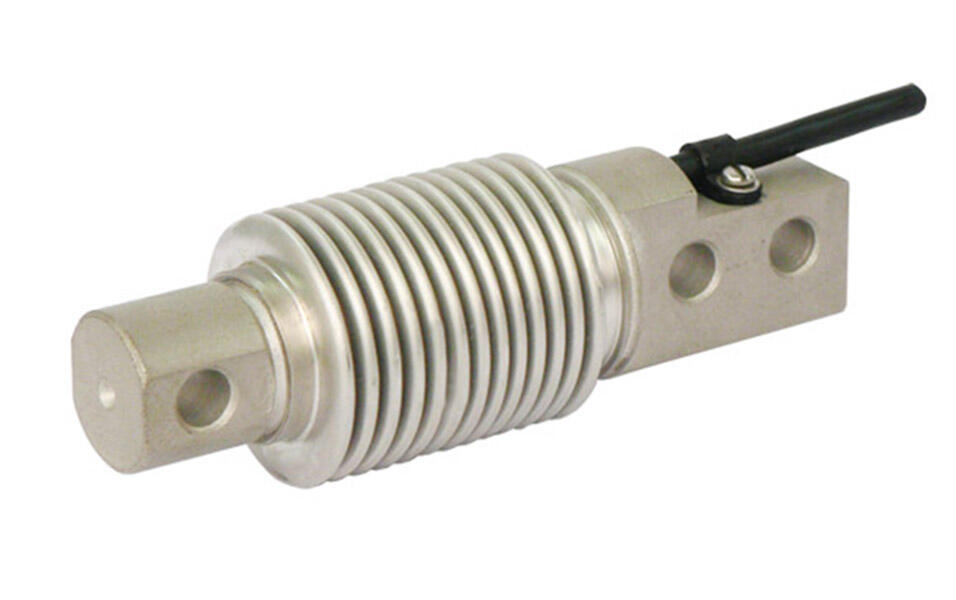
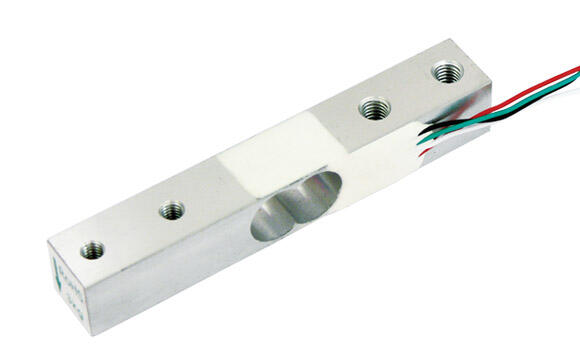
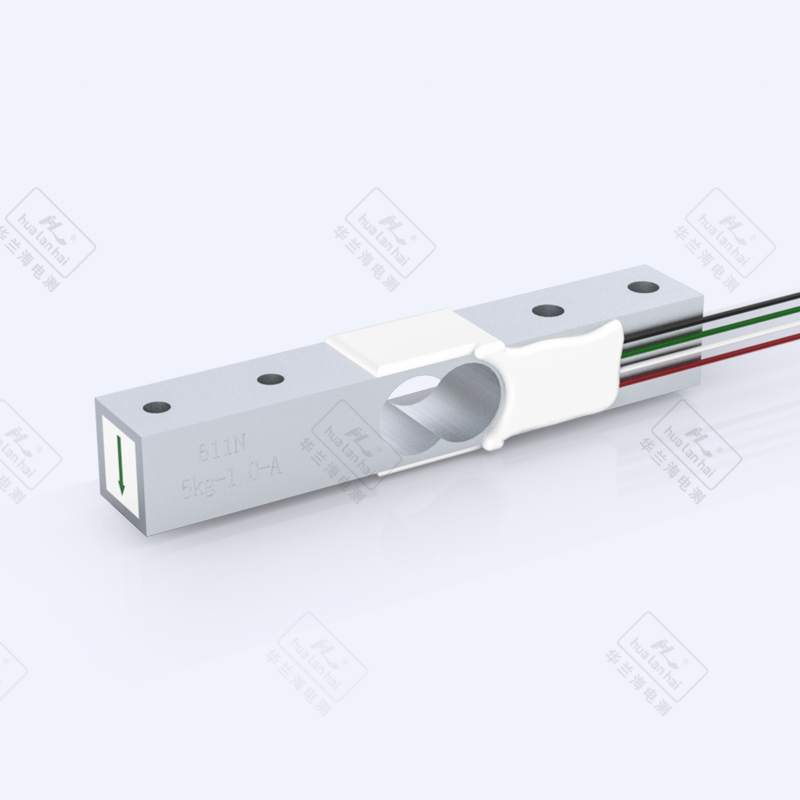
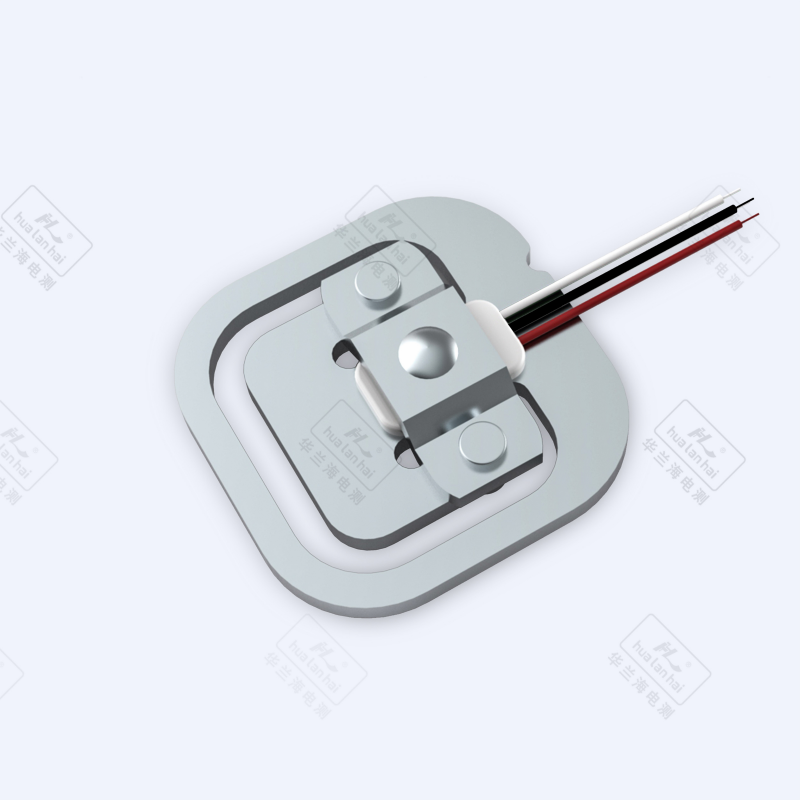
A bridge load cell represents a sophisticated weighing technology that converts mechanical force into measurable electrical signals through strain gauge technology. This precision instrument features four strain gauges arranged in a Wheatstone bridge configuration, creating a balanced circuit that responds to applied loads with exceptional accuracy. The bridge load cell operates by detecting minute deformations in its structure when subjected to weight or force, translating these physical changes into proportional electrical outputs that can be precisely measured and interpreted by connected systems. The fundamental design incorporates a metal body, typically constructed from high-grade aluminum or stainless steel, which serves as the sensing element. When force is applied, the material experiences microscopic strain that alters the electrical resistance of the mounted strain gauges. This resistance change creates an imbalance in the bridge circuit, generating a voltage output directly proportional to the applied load. Bridge load cells excel in providing consistent, reliable measurements across various environmental conditions and load ranges. Their robust construction ensures long-term stability while maintaining exceptional sensitivity to weight variations. The technology supports both compression and tension measurements, making these devices versatile solutions for numerous industrial applications. Modern bridge load cells incorporate advanced temperature compensation features, ensuring measurement accuracy remains consistent despite ambient temperature fluctuations. Digital signal processing capabilities enable these instruments to filter noise and provide clean, stable output signals. The standardized electrical connections and mounting configurations facilitate easy integration into existing weighing systems. Multiple bridge load cells can be networked together to create comprehensive weighing platforms capable of handling large-scale industrial operations. Their compact design allows installation in space-constrained environments while delivering professional-grade performance standards.

Popular Products

Bridge load cells deliver exceptional measurement precision that surpasses traditional mechanical weighing methods, providing accuracy levels that meet stringent industrial quality standards. These devices offer remarkable durability through their solid-state construction, eliminating moving parts that typically wear out over time and require frequent maintenance. The robust engineering ensures consistent performance even under harsh operating conditions, including extreme temperatures, humidity, and vibration environments. Users benefit from significantly reduced maintenance costs since bridge load cells require minimal upkeep compared to mechanical alternatives. The absence of mechanical components means fewer failure points and extended operational life spans that can exceed decades with proper installation. Installation proves straightforward and cost-effective, as bridge load cells integrate seamlessly into existing systems without requiring extensive modifications or specialized mounting equipment. The standardized electrical outputs enable direct connection to various display units, data loggers, and automated control systems. This compatibility reduces implementation time and eliminates the need for custom interface solutions. Bridge load cells provide real-time measurement capabilities that support immediate decision-making in production environments. The fast response times enable continuous monitoring of processes, helping operators maintain optimal quality control standards. Digital communication options allow remote monitoring and data collection, supporting modern Industry 4.0 initiatives and smart factory implementations. Cost savings extend beyond initial purchase price, as bridge load cells eliminate the need for mechanical calibration weights and associated handling equipment. The electrical output signals can be easily amplified, conditioned, and transmitted over long distances without signal degradation. This capability enables centralized monitoring systems that oversee multiple weighing points from a single control location. Energy efficiency represents another significant advantage, as bridge load cells consume minimal power while delivering continuous operation. The low power requirements make them suitable for battery-powered applications and remote installations where electrical infrastructure is limited. Flexibility in mounting orientations allows engineers to design optimal weighing solutions for specific applications, whether measuring compression, tension, or both force directions. The linear output characteristics simplify system calibration and ensure predictable performance across the entire measurement range.

Practical Tips

Guide to Selecting Load Cells

25

Nov

Guide to Selecting Load Cells

View More

Get a Free Quote

Our representative will contact you soon.
Email
Name
Company Name
WhatsApp
Message
0/1000

bridge load cell

Superior Accuracy and Precision Technology

Superior Accuracy and Precision Technology

Bridge load cells incorporate advanced strain gauge technology that delivers unmatched accuracy and precision in weight measurement applications. The sophisticated Wheatstone bridge configuration creates a perfectly balanced electrical circuit that responds to the slightest mechanical deformation with exceptional sensitivity. This technology enables measurement resolutions down to 0.01% of full scale capacity, making bridge load cells ideal for applications requiring precise weight control and quality assurance. The strain gauges are manufactured using high-purity materials and precision manufacturing processes that ensure consistent performance characteristics across temperature ranges and loading conditions. Temperature compensation circuitry automatically adjusts for thermal effects, maintaining accuracy standards even when ambient conditions fluctuate significantly. The bridge load cell design eliminates many sources of measurement error common in mechanical weighing systems, including friction, hysteresis, and mechanical wear. Digital signal processing capabilities further enhance accuracy by filtering electrical noise and providing stable, repeatable readings. The linearity of the electrical output ensures that measurements remain proportional across the entire operating range, simplifying calibration procedures and reducing system complexity. Advanced bridge load cells incorporate multi-point calibration capabilities that account for non-linear characteristics and provide enhanced accuracy at specific load points. The precision manufacturing tolerances and quality control processes ensure that each bridge load cell meets or exceeds published specifications. This reliability enables users to maintain strict quality control standards and meet regulatory requirements in industries such as pharmaceuticals, food processing, and aerospace manufacturing. The accuracy and precision of bridge load cells support advanced process control strategies that optimize production efficiency and minimize material waste.
Exceptional Durability and Reliability

Exceptional Durability and Reliability

Bridge load cells demonstrate outstanding durability through their solid-state construction and absence of mechanical wear components, ensuring long-term reliability in demanding industrial environments. The sealed housing protects internal strain gauges and electronics from moisture, dust, chemicals, and other environmental contaminants that could compromise measurement accuracy or cause premature failure. Stainless steel and aluminum construction materials resist corrosion and maintain structural integrity even when exposed to harsh chemicals or extreme weather conditions. The hermetic sealing prevents moisture ingress that could affect electrical connections or cause internal corrosion over time. Bridge load cells undergo rigorous testing procedures that simulate years of operation under various load conditions, temperature cycles, and environmental stresses. This comprehensive testing ensures that each unit will deliver consistent performance throughout its operational lifetime. The fatigue resistance of bridge load cells exceeds industry standards, enabling millions of loading cycles without degradation in measurement accuracy or mechanical integrity. Overload protection features prevent damage from accidental overloading situations that might occur during installation or operation. Many bridge load cells incorporate built-in overload stops that mechanically limit deflection beyond safe operating limits. The electrical circuits include protection against voltage spikes, electromagnetic interference, and reverse polarity connections. Temperature ratings typically span from -40°C to +85°C, accommodating most industrial environments without requiring additional environmental protection. The stable electrical characteristics ensure that calibration remains valid for extended periods, reducing the frequency of recalibration requirements and associated downtime. Vibration resistance makes bridge load cells suitable for applications involving moving machinery or transportation environments where mechanical shock and vibration are common.
Versatile Integration and Connectivity Options

Versatile Integration and Connectivity Options

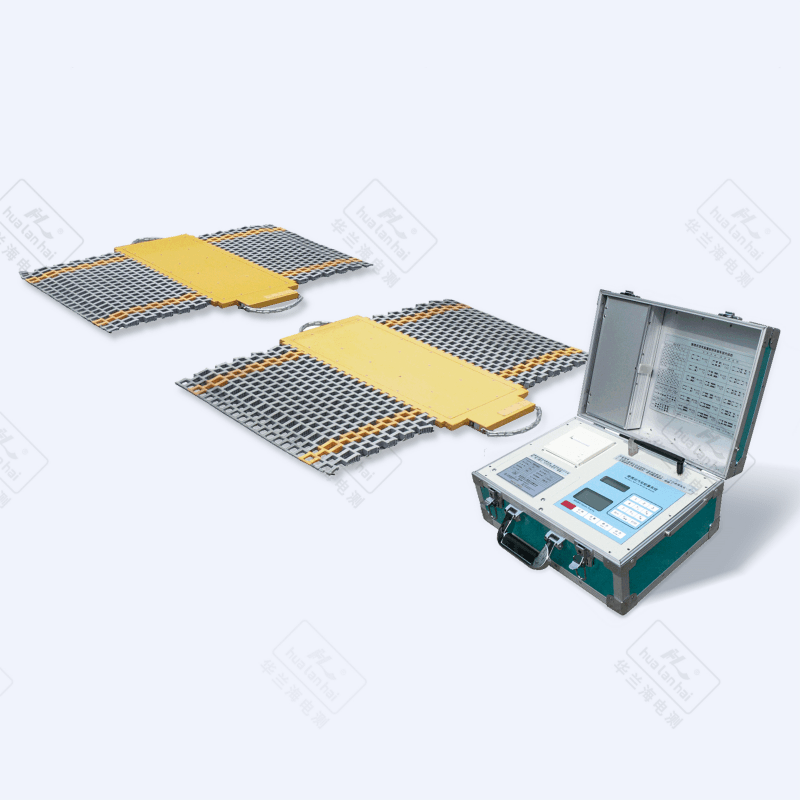
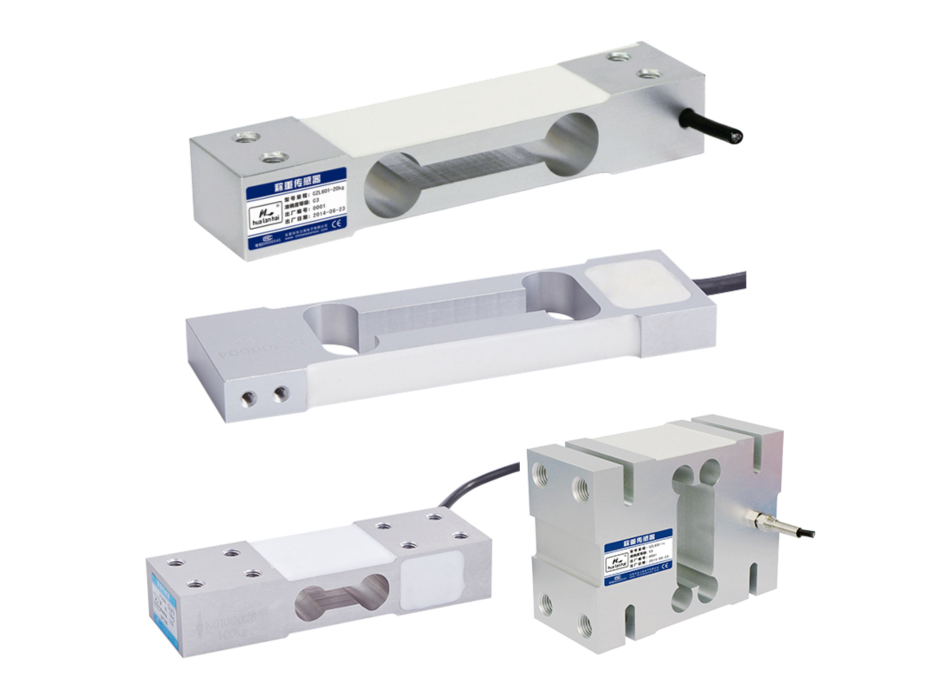
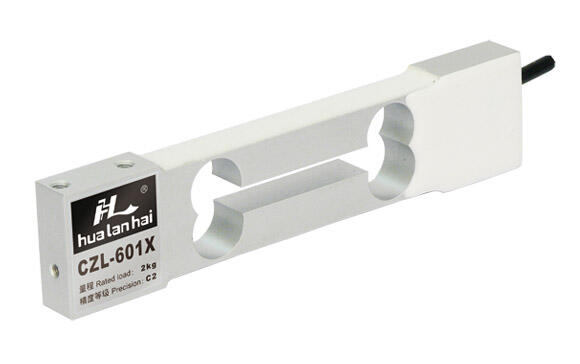
Bridge load cells offer exceptional integration flexibility that accommodates diverse industrial applications and system architectures through multiple connectivity options and mounting configurations. The standardized electrical outputs, including analog voltage, current loops, and digital communication protocols, ensure compatibility with virtually any weighing indicator, data acquisition system, or process control platform. Modern bridge load cells support various communication interfaces such as RS-485, Ethernet, and wireless protocols that enable seamless integration into existing automation networks. The modular design approach allows engineers to create custom weighing solutions by combining multiple bridge load cells in parallel or series configurations to achieve desired capacity and accuracy requirements. Load cell networks can be configured to measure complex loading patterns, such as multi-point weighing systems for large vessels, conveyor belt scales, and truck scales. The standardized mounting dimensions and thread specifications simplify mechanical installation and enable direct replacement of existing load cells without requiring system modifications. Bridge load cells accommodate various mounting orientations including compression, tension, and shear loading configurations, providing design flexibility for space-constrained applications. The compact form factors enable integration into equipment where space is limited while maintaining full performance specifications. Digital bridge load cells incorporate onboard processing capabilities that perform local calibration, temperature compensation, and signal conditioning, reducing the complexity of external electronics. Network capabilities allow centralized monitoring and control of multiple weighing points from a single operator interface, supporting modern industrial automation requirements. The ability to program custom operating parameters, including zero tracking, filtering constants, and alarm thresholds, enables optimization for specific application requirements. Remote diagnostics capabilities provide real-time monitoring of load cell health and performance parameters, enabling predictive maintenance strategies that minimize unplanned downtime. The flexibility to configure measurement units, update rates, and communication parameters ensures that bridge load cells adapt to evolving system requirements without requiring hardware changes.
Get a Free Quote

Our representative will contact you soon.
Email
Name
Company Name
WhatsApp
Message
0/1000