hydraulic press load cell
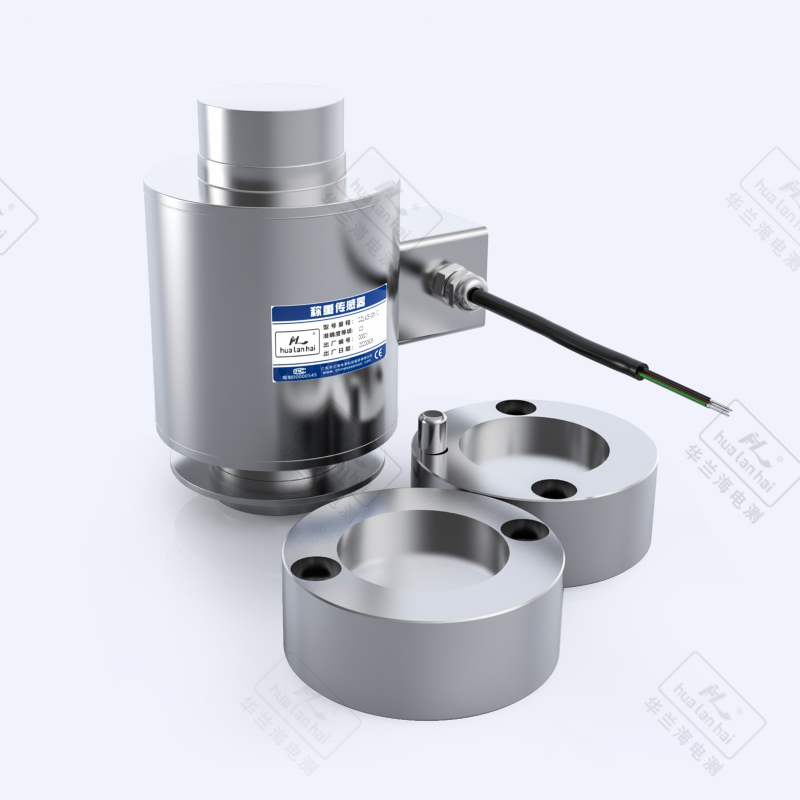
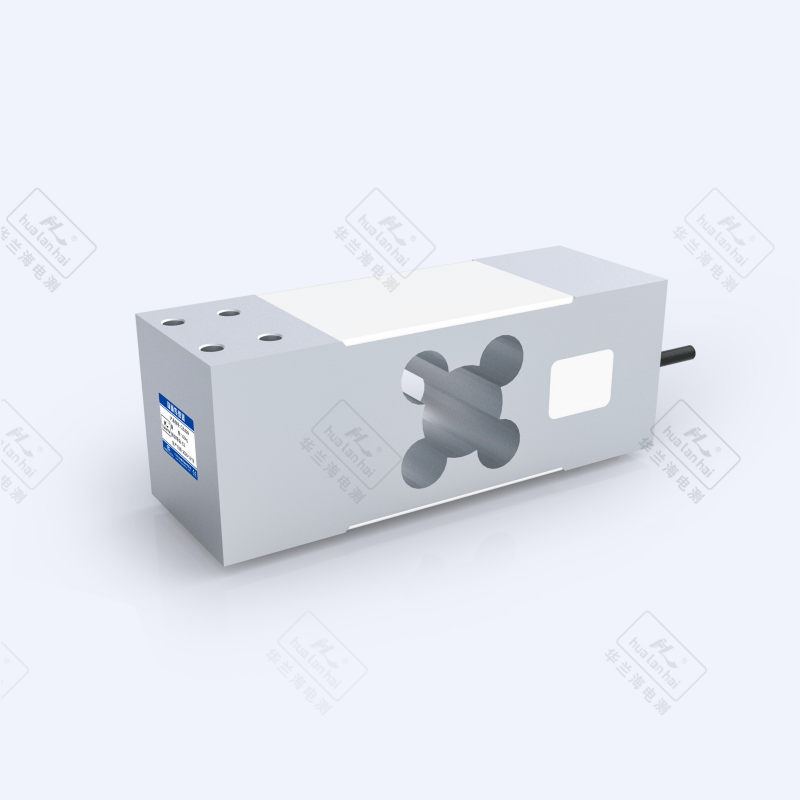
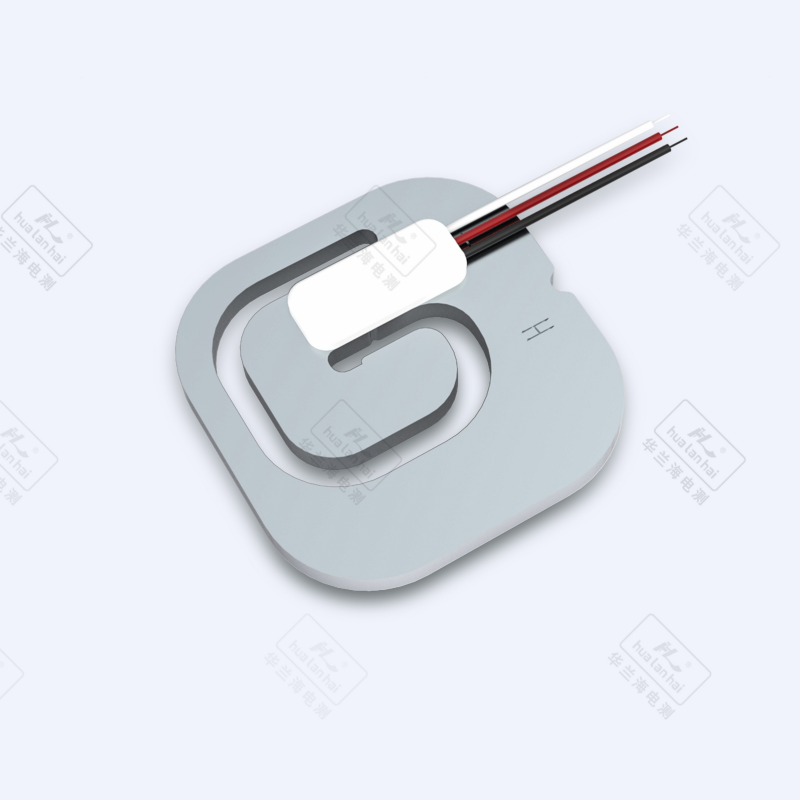
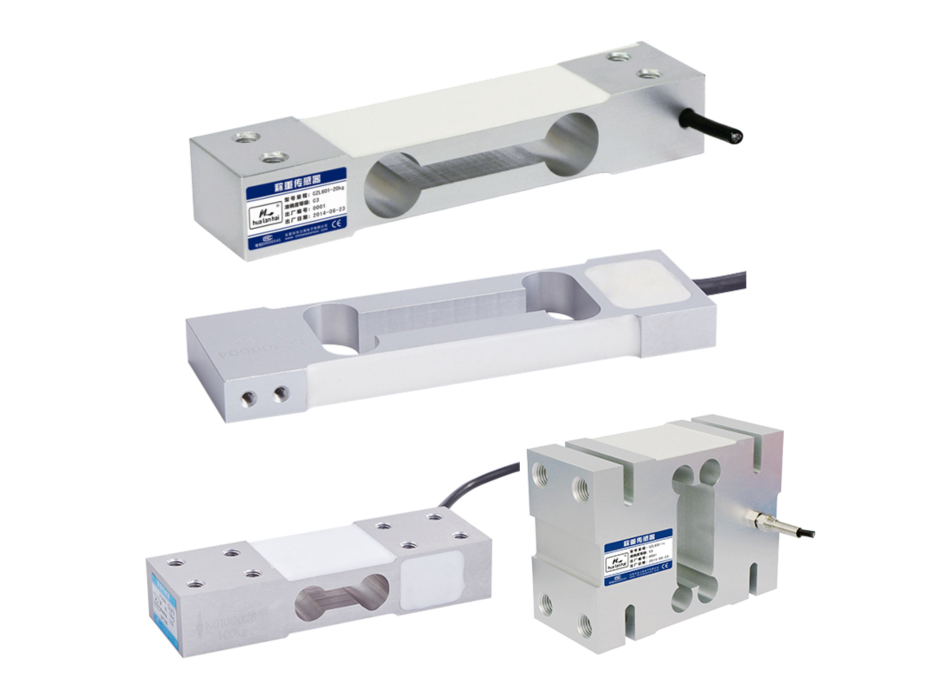
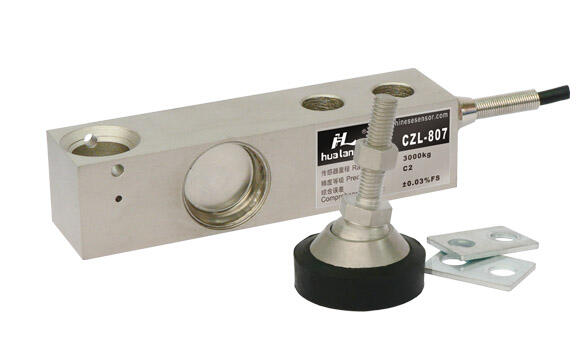
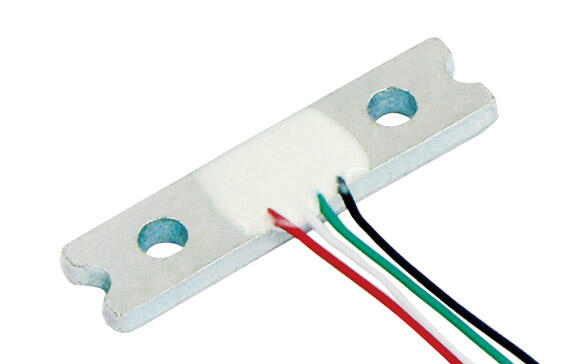
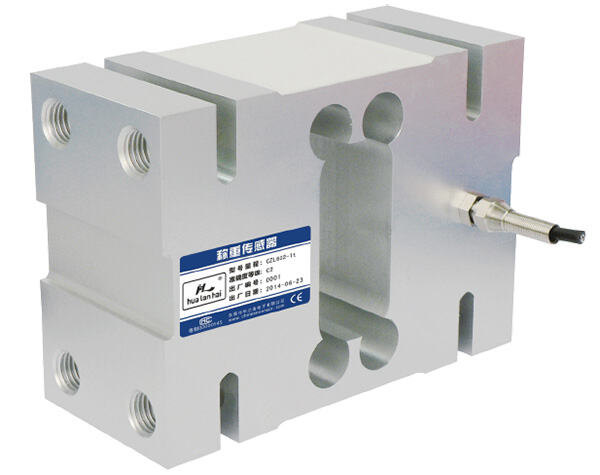
A hydraulic press load cell represents a sophisticated force measurement device specifically engineered to monitor and quantify the immense pressures generated within hydraulic press systems. This precision instrument serves as the critical interface between mechanical force application and electronic data acquisition, converting physical pressure into measurable electrical signals that operators can interpret and analyze. The hydraulic press load cell operates through advanced strain gauge technology, utilizing multiple sensing elements strategically positioned to detect minute deformations caused by applied forces. These deformations generate proportional electrical resistance changes that sophisticated electronics convert into accurate digital readings. Modern hydraulic press load cell designs incorporate robust construction materials, typically featuring hardened steel housings with protective sealing to withstand harsh industrial environments. The device's primary function involves real-time force monitoring during pressing operations, ensuring optimal performance while preventing equipment damage through overload protection. Technological features include high-precision signal conditioning circuits, temperature compensation mechanisms, and advanced calibration protocols that maintain measurement accuracy across varying operational conditions. The hydraulic press load cell integrates seamlessly with computerized control systems, enabling automated process control and data logging capabilities. Applications span numerous industries including automotive manufacturing, aerospace component production, metal forming operations, and research laboratories requiring precise force measurement. These devices prove essential in quality control processes, where consistent pressure application ensures product uniformity and structural integrity. Manufacturing facilities utilize hydraulic press load cell systems to optimize production parameters, reduce material waste, and maintain strict adherence to engineering specifications. The technology enables predictive maintenance strategies by monitoring force trends and identifying potential equipment issues before costly failures occur. Research institutions employ these instruments for materials testing, studying compression characteristics, and developing new manufacturing techniques. The hydraulic press load cell's versatility extends to custom applications, with manufacturers offering specialized configurations tailored to specific operational requirements and environmental conditions.

 EN
EN