Premium Balance Load Cells - Precision Weighing Solutions for Laboratory and Industrial Applications

All Categories

Get a Free Quote

Our representative will contact you soon.
Email
Name
Company Name
WhatsApp
Message
0/1000

balance load cell

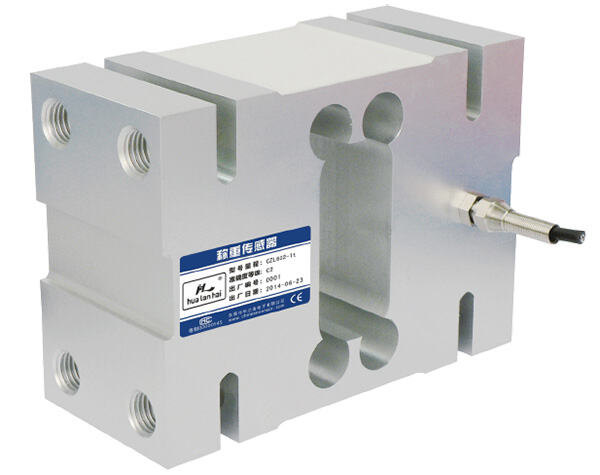
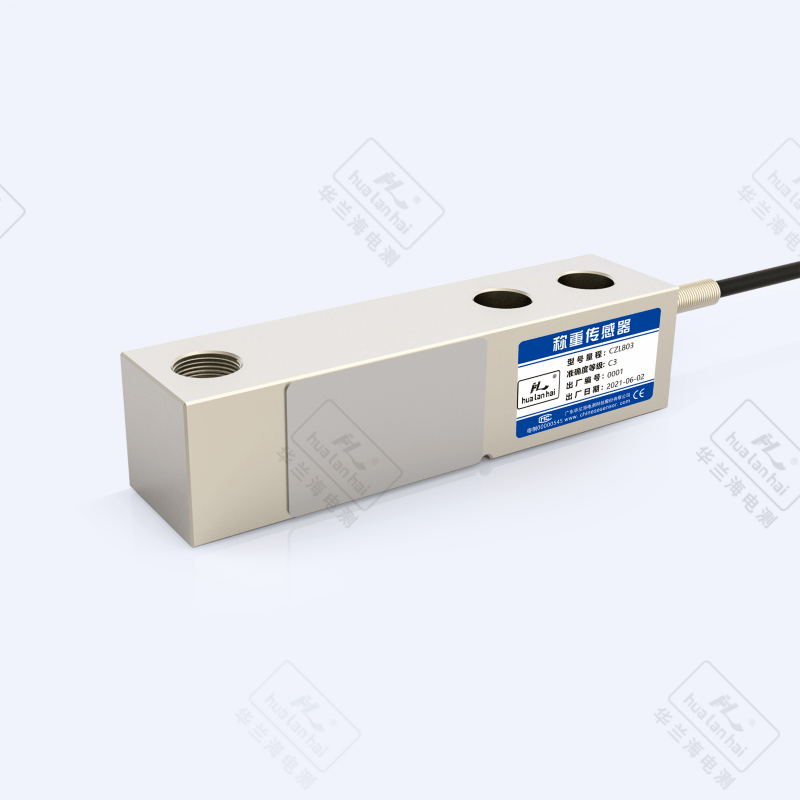
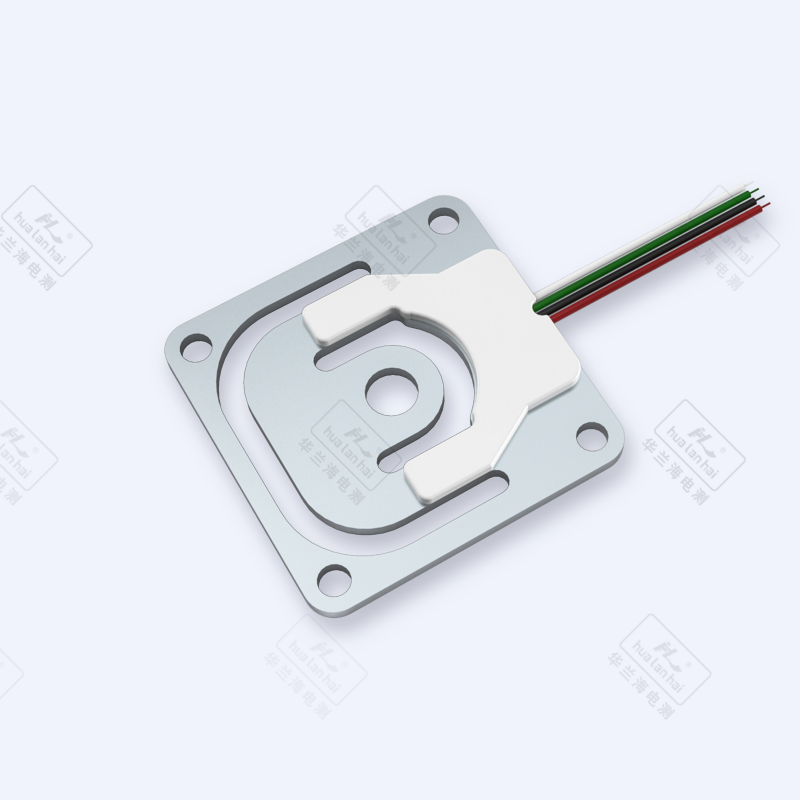
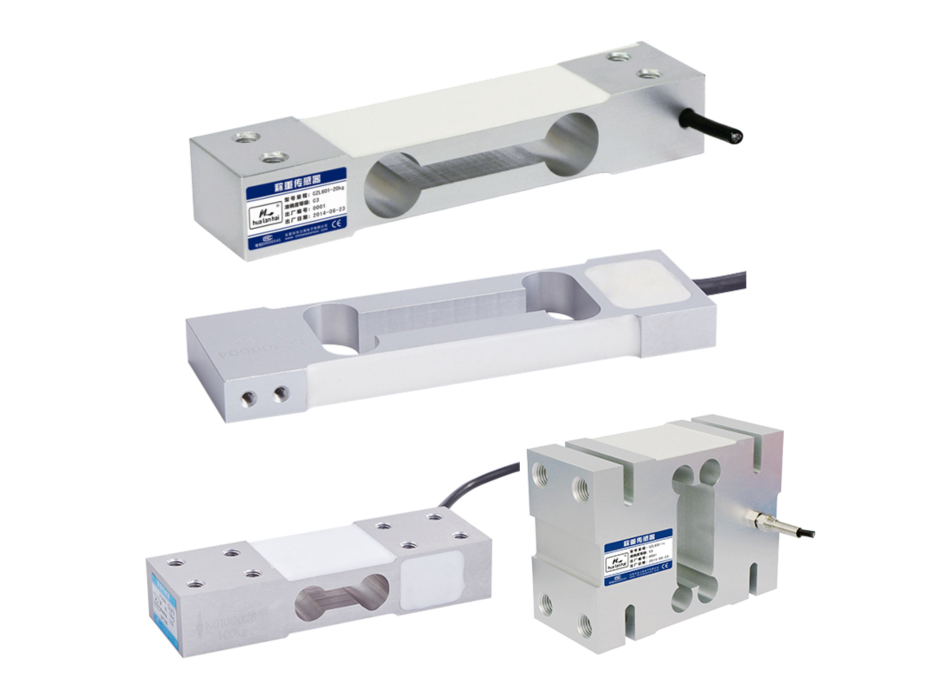
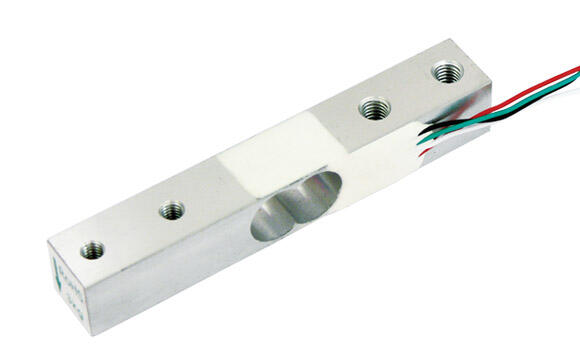
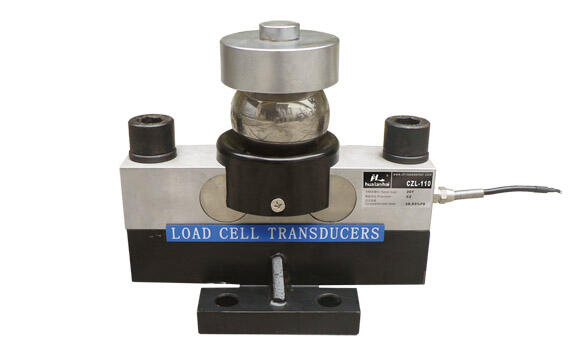
A balance load cell represents a sophisticated force measurement device that operates on the principle of strain gauge technology to deliver exceptional accuracy in weight determination applications. This precision instrument functions by converting mechanical force into electrical signals through its internal strain gauge configuration, making it an indispensable component in modern weighing systems across diverse industries. The balance load cell employs a carefully engineered design that ensures minimal deflection while maintaining outstanding sensitivity to applied loads, resulting in reliable and consistent measurements even under challenging operating conditions. The technological foundation of the balance load cell centers around its ability to measure compression, tension, or both types of forces simultaneously. When weight is applied to the cell, it causes microscopic deformation in the strain gauges, which are precisely bonded to the load cell body. These deformations create changes in electrical resistance that are proportional to the applied force, allowing for accurate weight calculations through sophisticated signal processing algorithms. The robust construction typically features high-grade aluminum alloy or stainless steel materials that provide excellent corrosion resistance and long-term stability. Modern balance load cells incorporate advanced temperature compensation mechanisms that automatically adjust for thermal variations, ensuring measurement accuracy remains consistent across different environmental conditions. The applications for balance load cells span numerous industries including laboratory research, pharmaceutical manufacturing, food processing, chemical production, and quality control operations. In laboratory settings, these devices enable precise measurements for analytical procedures, sample preparation, and research activities where accuracy is paramount. Manufacturing facilities utilize balance load cells for batching operations, inventory management, and production monitoring to maintain quality standards and optimize processes. The pharmaceutical industry relies heavily on these instruments for medication dosing, compound preparation, and regulatory compliance requirements. Food processing operations employ balance load cells for portion control, recipe formulation, and packaging verification to ensure product consistency and safety standards.
New Products

Balance load cells deliver remarkable measurement precision that surpasses traditional weighing methods, providing users with confidence in their data accuracy for critical applications. These advanced instruments offer superior repeatability, meaning consecutive measurements of identical samples will produce virtually identical results, eliminating the uncertainty that can plague less sophisticated weighing solutions. The enhanced accuracy directly translates to improved product quality, reduced material waste, and better compliance with industry regulations and standards. Users benefit from faster measurement speeds compared to mechanical weighing systems, significantly improving operational efficiency and throughput in high-volume applications. The digital output capability of balance load cells enables seamless integration with computer systems, data loggers, and process control equipment, facilitating automated operations and comprehensive record-keeping. This connectivity feature eliminates manual data transcription errors while providing real-time monitoring capabilities that enhance quality control processes. The robust construction of balance load cells ensures exceptional durability and longevity, reducing replacement costs and minimizing downtime in critical operations. These instruments demonstrate excellent stability over extended periods, maintaining calibration accuracy far longer than conventional weighing devices. Temperature compensation features automatically adjust for environmental variations, ensuring consistent performance across different operating conditions without requiring frequent recalibration procedures. Balance load cells offer exceptional versatility in mounting configurations and installation options, adapting easily to existing equipment and space constraints. The compact design maximizes available workspace while delivering professional-grade performance typically associated with larger, more expensive weighing systems. Users appreciate the intuitive operation that requires minimal training, allowing personnel to achieve proficient operation quickly and reducing the learning curve associated with new equipment implementation. The low maintenance requirements of balance load cells contribute to reduced operational costs and improved reliability. These devices require minimal routine service compared to mechanical alternatives, freeing up valuable technician time for other critical tasks. Advanced diagnostic capabilities built into modern balance load cells provide early warning of potential issues, enabling proactive maintenance scheduling that prevents unexpected failures and costly production interruptions. The energy-efficient design minimizes power consumption while delivering consistent performance, supporting sustainability initiatives and reducing operational expenses.

Tips And Tricks

Conquering The

25

Nov

Conquering The "Bottleneck" Technologies Is The Greatest Motivation

View More
Guide to Selecting Load Cells

25

Nov

Guide to Selecting Load Cells

View More

Get a Free Quote

Our representative will contact you soon.
Email
Name
Company Name
WhatsApp
Message
0/1000

balance load cell

Unmatched Precision and Reliability

Unmatched Precision and Reliability

The balance load cell achieves extraordinary measurement precision through its advanced strain gauge technology and sophisticated signal processing capabilities, delivering accuracy levels that meet the most demanding laboratory and industrial requirements. This exceptional precision stems from the carefully engineered strain gauge configuration that responds to minute changes in applied force with remarkable sensitivity and consistency. The instrument's ability to detect weight variations as small as fractions of a gram while handling substantial loads demonstrates the superior engineering behind its design. Users benefit from this precision in applications where measurement accuracy directly impacts product quality, regulatory compliance, and operational efficiency. The reliability of balance load cells extends beyond mere accuracy to encompass consistent performance over extended periods and varying environmental conditions. Advanced temperature compensation algorithms automatically adjust measurements to account for thermal expansion and contraction, ensuring accurate readings regardless of ambient temperature fluctuations. This feature proves invaluable in environments where temperature control may be challenging or where seasonal variations could otherwise affect measurement reliability. The robust mechanical design incorporates high-quality materials and precision manufacturing techniques that resist wear, corrosion, and mechanical stress, contributing to long-term reliability and reduced maintenance requirements. Quality control processes during manufacturing ensure each balance load cell meets stringent performance standards before reaching customers, providing confidence in the instrument's capabilities. The exceptional repeatability of balance load cells means users can trust that consecutive measurements of identical samples will produce virtually identical results, eliminating the uncertainty and variability that can compromise data integrity in critical applications. This consistency proves essential for applications requiring statistical process control, research documentation, and regulatory compliance where measurement variability must be minimized. The precision and reliability of balance load cells translate directly into improved operational outcomes, including reduced material waste, enhanced product quality, and increased confidence in measurement data that supports better decision-making throughout organizations.
Seamless Integration and Digital Connectivity

Seamless Integration and Digital Connectivity

Modern balance load cells excel in their ability to integrate seamlessly with existing systems and provide comprehensive digital connectivity options that enhance operational efficiency and data management capabilities. The digital output capabilities of these instruments enable direct connection to computers, programmable logic controllers, data acquisition systems, and process control equipment, eliminating the need for manual data transcription and reducing the potential for human error. This connectivity facilitates real-time data monitoring, automated record-keeping, and integration with enterprise resource planning systems that streamline operations and improve traceability. Users can establish automated data logging protocols that capture measurement data at specified intervals, creating comprehensive databases for trend analysis, quality control monitoring, and regulatory compliance documentation. The balance load cell's communication protocols support various industry-standard interfaces including RS-232, RS-485, USB, and Ethernet connections, ensuring compatibility with diverse equipment configurations and system architectures. Advanced models feature wireless connectivity options that eliminate cable constraints and enable flexible installation configurations in challenging environments. The digital integration capabilities extend to alarm and control functions, allowing balance load cells to trigger automated responses when measurements exceed predetermined thresholds or fall outside acceptable ranges. This functionality proves invaluable for process control applications where immediate corrective action can prevent quality issues or safety concerns. Software compatibility encompasses popular data analysis programs, statistical process control applications, and custom software solutions developed for specific industry requirements. The user-friendly interface design simplifies configuration and operation while providing access to advanced features that enhance functionality for specialized applications. Remote monitoring capabilities enable supervisory personnel to access measurement data and system status information from distant locations, supporting centralized quality control and maintenance management initiatives. The integration flexibility of balance load cells accommodates future system expansions and modifications without requiring extensive reconfiguration or additional hardware investments, protecting the long-term value of equipment purchases and supporting evolving operational requirements.
Versatile Applications and Cost-Effective Performance

Versatile Applications and Cost-Effective Performance

Balance load cells demonstrate remarkable versatility across diverse applications and industries, delivering cost-effective performance that maximizes return on investment while meeting varied operational requirements. The adaptability of these instruments allows them to function effectively in laboratory research environments, manufacturing operations, quality control processes, and specialized applications requiring precise weight measurements. In pharmaceutical applications, balance load cells support critical functions including active ingredient dosing, tablet weight verification, and compound preparation where accuracy directly impacts product efficacy and patient safety. Food processing operations rely on these instruments for portion control, recipe formulation, batch preparation, and packaging verification to ensure product consistency and compliance with labeling requirements. Chemical manufacturing facilities utilize balance load cells for precise material batching, process monitoring, and quality assurance procedures that maintain product specifications and safety standards. The cost-effectiveness of balance load cells becomes evident through their ability to replace multiple weighing devices with a single, versatile solution that handles various measurement requirements. The long service life and minimal maintenance requirements contribute to low total cost of ownership compared to alternative weighing technologies. Energy-efficient operation reduces ongoing operational expenses while advanced diagnostic capabilities enable proactive maintenance scheduling that prevents costly unexpected failures. The compact design maximizes workspace utilization and reduces installation costs compared to larger weighing systems with equivalent capabilities. Training requirements are minimal due to intuitive operation and user-friendly interfaces, reducing the time and expense associated with personnel development. The scalability of balance load cell systems allows organizations to start with basic configurations and expand capabilities as requirements evolve, protecting initial investments while supporting growth. Customization options enable optimization for specific applications without the expense of completely custom solutions, providing tailored performance characteristics that enhance operational efficiency. The reliability and accuracy of balance load cells reduce product waste, improve yields, and enhance quality control processes that contribute to improved profitability and competitive positioning in demanding markets where precision and consistency determine success.

Get a Free Quote

Our representative will contact you soon.
Email
Name
Company Name
WhatsApp
Message
0/1000