S Shaped Load Cell: Precision Force Measurement Solutions for Industrial Applications

All Categories

Get a Free Quote

Our representative will contact you soon.
Email
Name
Company Name
WhatsApp
Message
0/1000

s shaped load cell

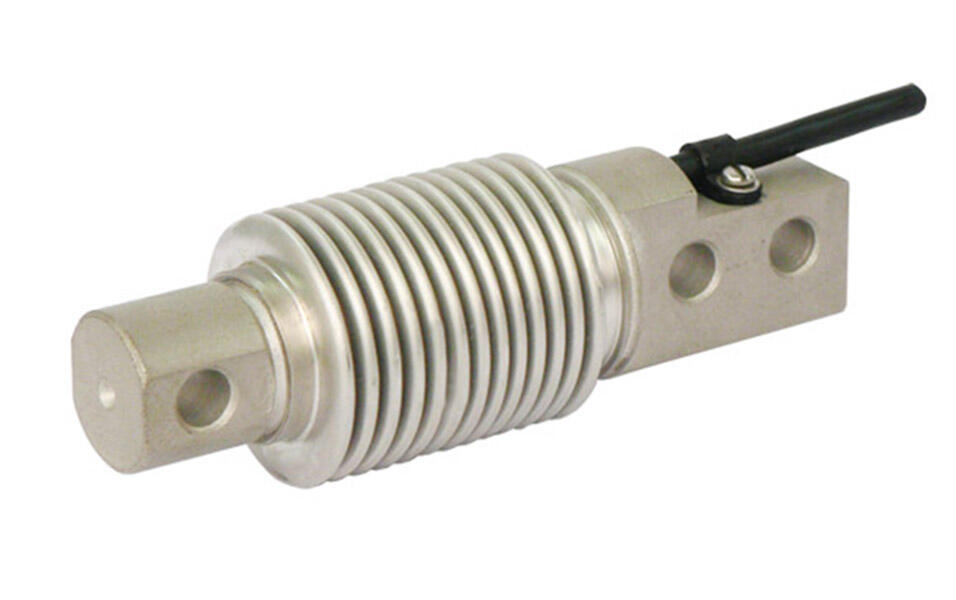
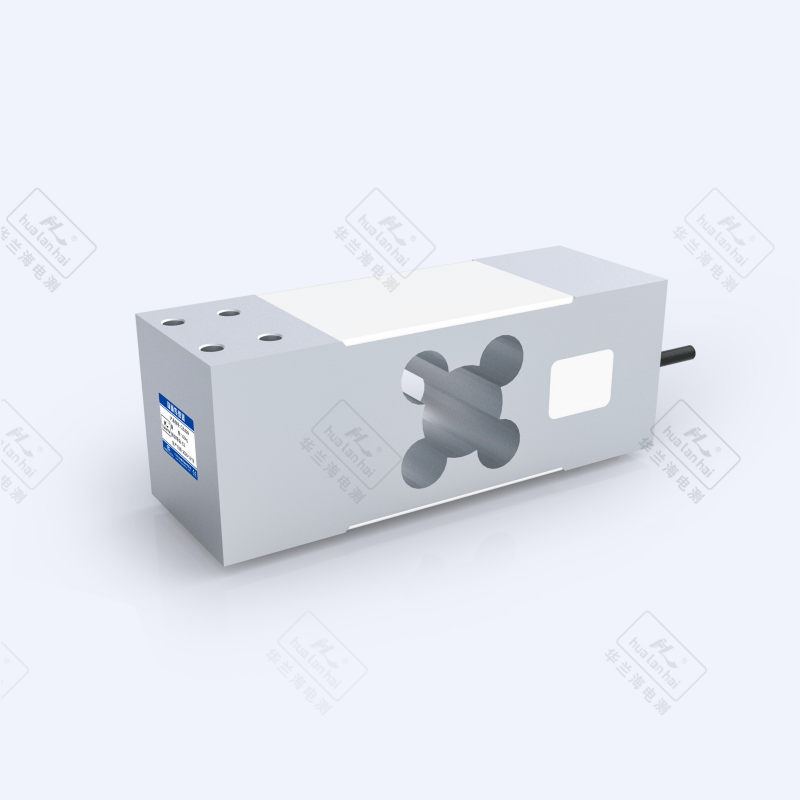
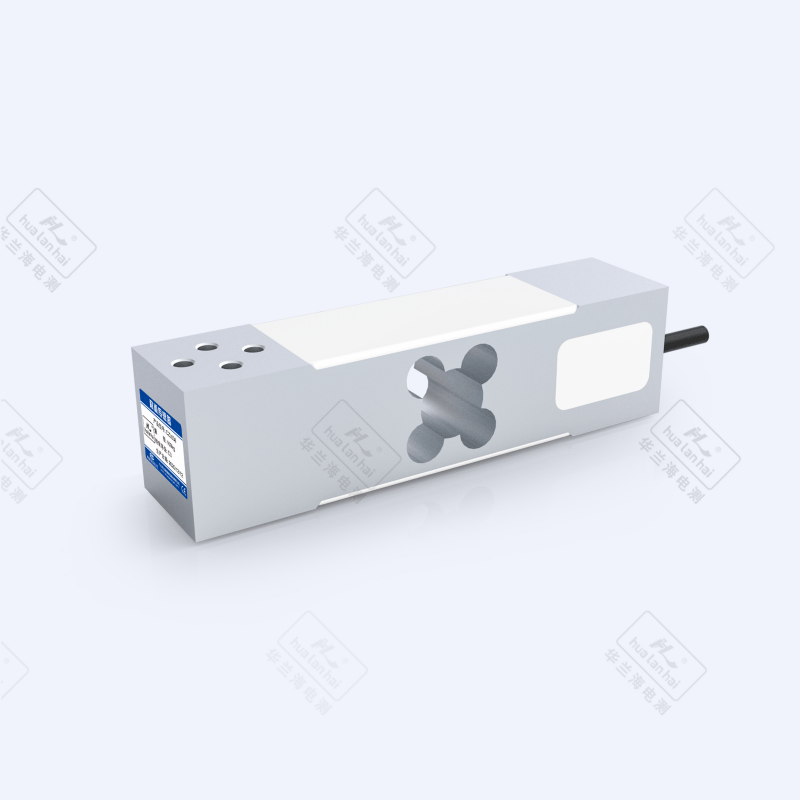
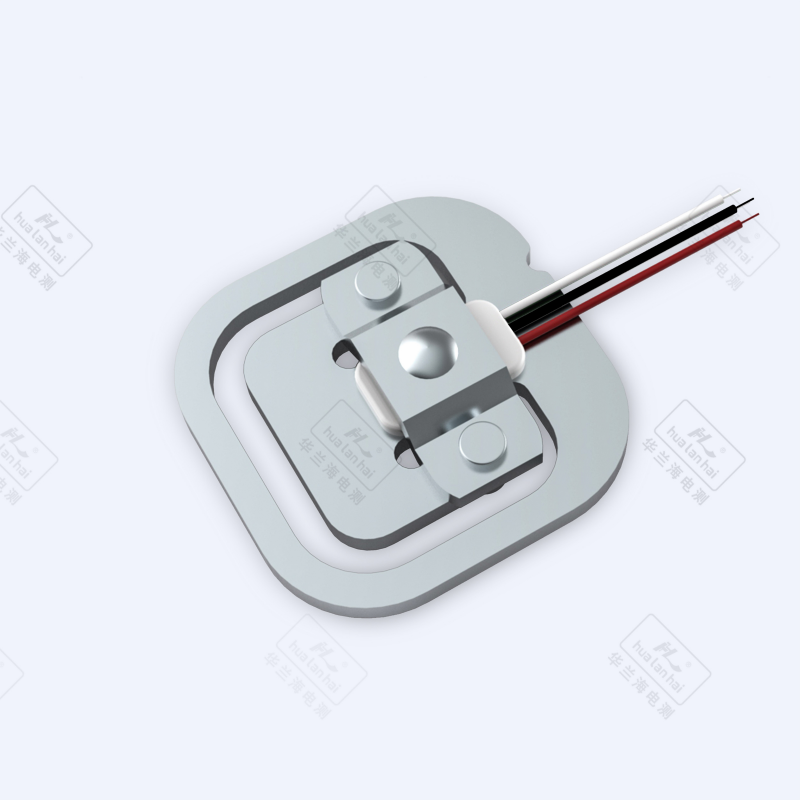
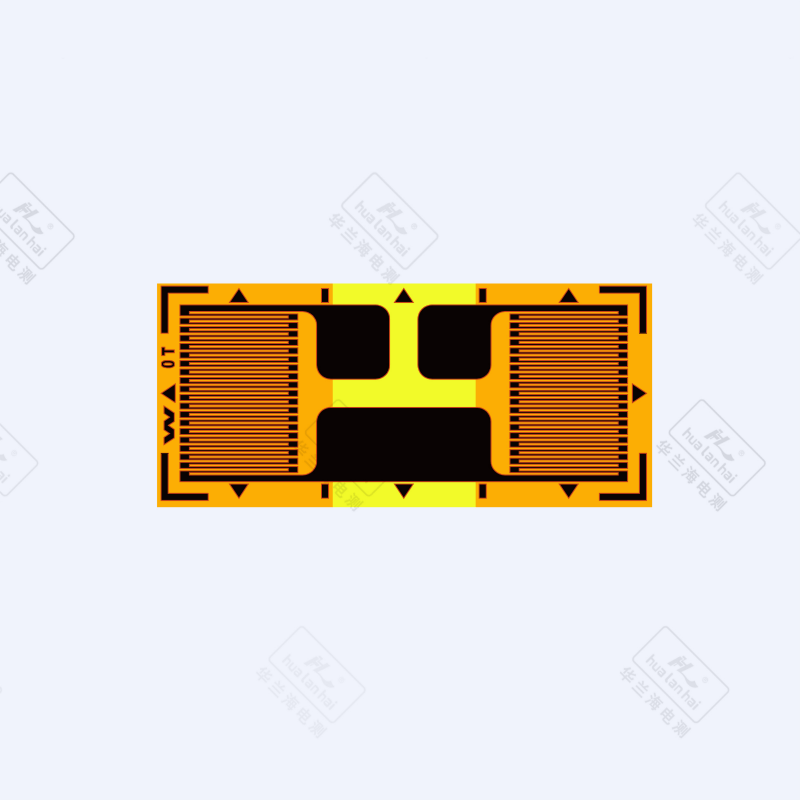
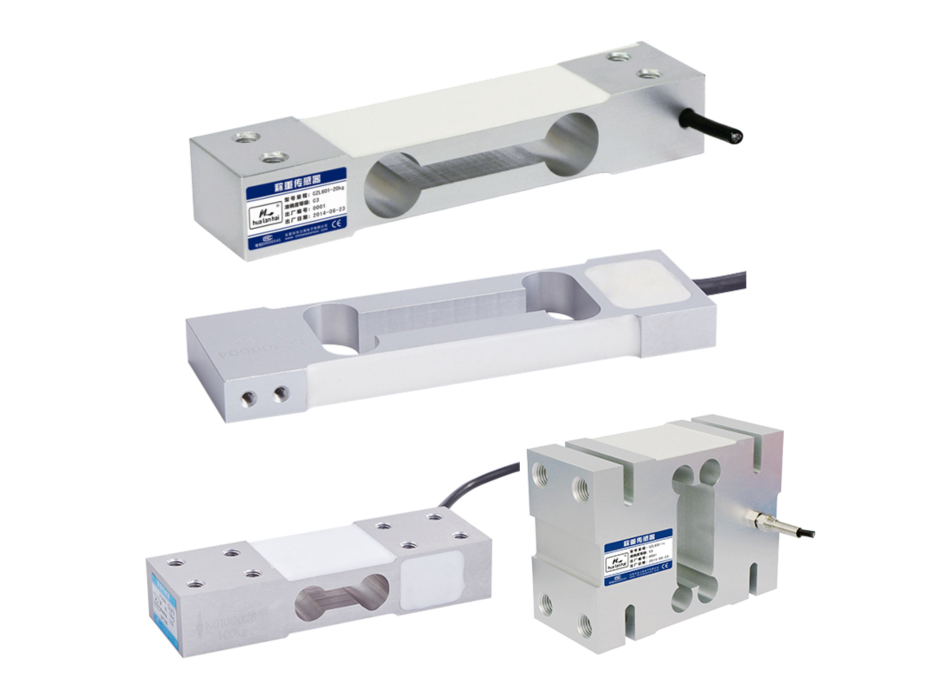
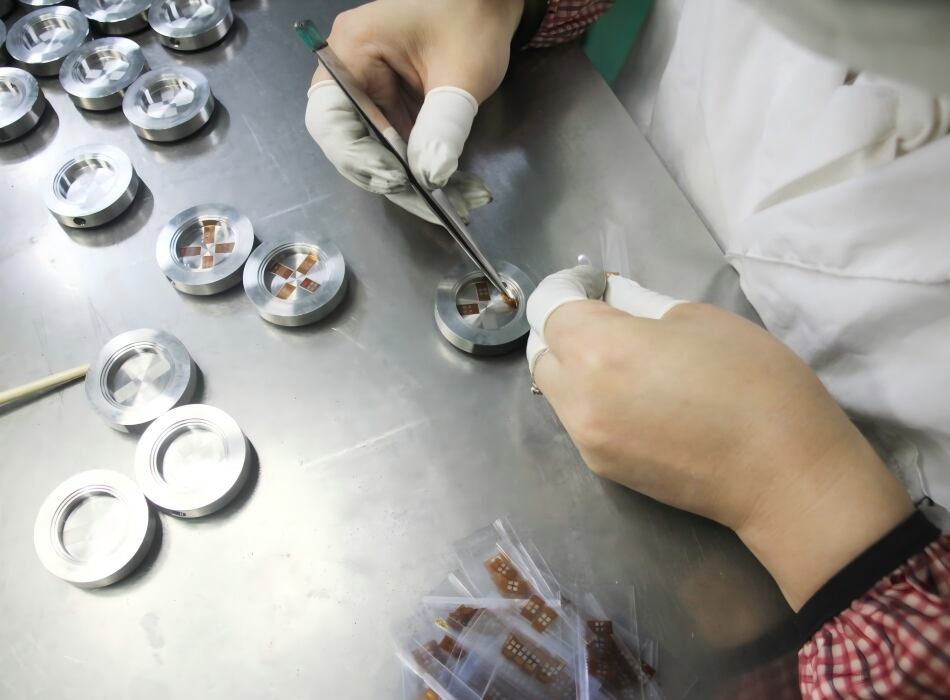
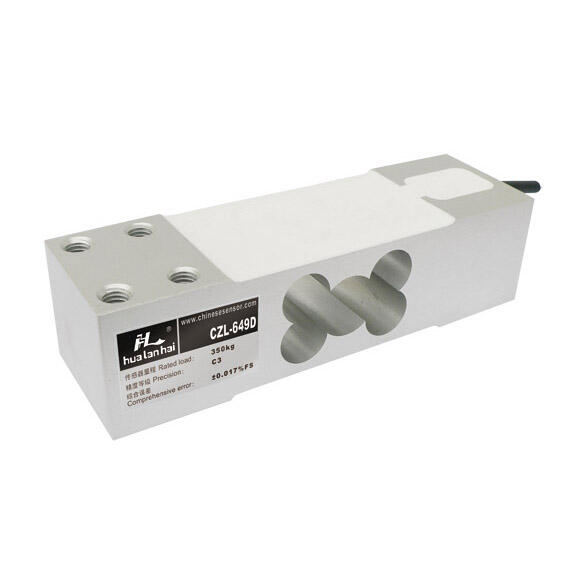
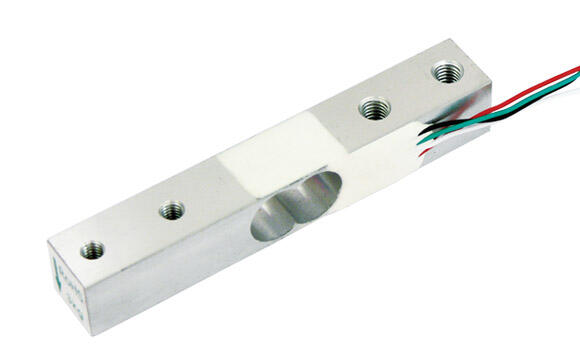
The s shaped load cell represents a sophisticated force measurement instrument engineered with a distinctive S-curve design that enables precise weight and force detection across diverse industrial applications. This innovative sensor technology converts mechanical force into electrical signals through strain gauge technology, making it an essential component in modern weighing systems. The s shaped load cell features a unique construction that allows it to measure both tension and compression forces with exceptional accuracy, typically ranging from small capacities of 10 kg to heavy-duty applications exceeding 50 tons. The sensor's characteristic S-profile provides optimal stress distribution when subjected to loading conditions, ensuring consistent and reliable measurements throughout its operational lifespan. Manufacturing processes utilize high-grade stainless steel or alloy steel construction, delivering superior resistance to environmental factors including moisture, temperature fluctuations, and corrosive substances. The s shaped load cell incorporates multiple strain gauges strategically positioned on the sensor body to detect minute deformations caused by applied forces. These strain gauges form a Wheatstone bridge circuit that generates proportional electrical output signals corresponding to the measured load. Advanced temperature compensation features minimize thermal drift effects, maintaining measurement accuracy across varying environmental conditions. Installation flexibility represents another key characteristic, as the s shaped load cell can be mounted in multiple orientations including vertical, horizontal, or inverted positions depending on application requirements. The sensor's robust design accommodates dynamic loading conditions while maintaining structural integrity under repeated stress cycles. Digital output options are available in modern variants, facilitating seamless integration with computerized data acquisition systems and industrial automation networks. Quality control standards ensure each s shaped load cell undergoes rigorous testing procedures including linearity verification, hysteresis evaluation, and long-term stability assessment before market release.

New Product Recommendations

The s shaped load cell delivers exceptional measurement precision that significantly enhances operational efficiency in industrial weighing applications. Users benefit from remarkable accuracy levels typically achieving 0.02% to 0.05% of full scale, ensuring reliable data collection for critical processes requiring exact weight determination. This precision advantage translates directly into improved product quality control and reduced material waste, generating substantial cost savings over time. The sensor's versatile mounting capabilities provide installation flexibility that accommodates various mechanical configurations without requiring extensive structural modifications. Engineers appreciate this adaptability as it reduces installation costs and simplifies system integration compared to traditional load cell designs. The s shaped load cell offers superior overload protection, typically withstanding forces up to 150% of rated capacity without permanent damage, protecting valuable equipment investments and minimizing downtime risks. Temperature stability features ensure consistent performance across wide operating ranges from -40°C to +85°C, making these sensors suitable for harsh industrial environments including outdoor installations and extreme climate conditions. The robust stainless steel construction provides excellent corrosion resistance, extending service life and reducing maintenance requirements in challenging applications such as food processing, chemical manufacturing, and marine environments. Signal processing capabilities deliver clean, stable output signals with minimal electrical noise, improving measurement reliability and reducing the need for complex filtering circuits. The s shaped load cell supports both analog and digital communication protocols, enabling seamless integration with modern industrial control systems and data logging equipment. Calibration procedures are straightforward and can be performed using standard weights, reducing maintenance complexity and operational costs. The sensor's compact design requires minimal installation space while delivering maximum performance, optimizing system layouts in space-constrained applications. Long-term stability characteristics ensure measurement accuracy remains consistent over extended periods, reducing recalibration frequency and associated maintenance costs. Safety certifications including OIML, CE, and various international standards provide confidence for use in regulated industries and commercial trade applications where measurement accuracy is legally mandated.

Practical Tips

Guide to Selecting Load Cells

25

Nov

Guide to Selecting Load Cells

View More
Selection Method of Resistance Strain Gauges

25

Nov

Selection Method of Resistance Strain Gauges

View More

Get a Free Quote

Our representative will contact you soon.
Email
Name
Company Name
WhatsApp
Message
0/1000

s shaped load cell

Superior Dual-Direction Force Measurement Capability

Superior Dual-Direction Force Measurement Capability

The s shaped load cell excels in providing accurate measurements for both tensile and compressive forces within a single sensor unit, offering unmatched versatility for complex weighing applications. This dual-direction capability eliminates the need for multiple sensors in applications where forces may vary between tension and compression during normal operation. Manufacturing processes often require monitoring of lifting operations where materials are suspended, followed by compression measurements when loads are placed on platforms or conveyor systems. The s shaped load cell seamlessly handles these transitions without compromising measurement accuracy or requiring system recalibration. The sensor's internal strain gauge configuration responds proportionally to deformation regardless of force direction, maintaining consistent sensitivity and linearity across the entire measurement range. This feature proves particularly valuable in crane weighing systems where loads are lifted and lowered repeatedly, or in testing applications where materials undergo alternating stress patterns. Quality assurance processes benefit significantly from this capability as engineers can conduct comprehensive material testing using a single sensor instead of complex multi-sensor arrangements. The s shaped load cell maintains measurement precision throughout force direction changes, providing continuous data streams that support real-time process monitoring and control decisions. Industrial automation systems leverage this advantage to optimize material handling operations, reducing cycle times and improving throughput efficiency. Safety systems also benefit as the sensor can detect unexpected force reversals that might indicate equipment malfunctions or operator errors, triggering appropriate protective responses. The dual-direction measurement capability extends sensor utility across diverse industries including aerospace testing, automotive manufacturing, and construction equipment monitoring. Installation complexity decreases substantially when using s shaped load cells for bidirectional force measurement, as engineers require fewer mounting points and simplified wiring configurations compared to traditional sensor arrangements.
Exceptional Environmental Durability and Protection

Exceptional Environmental Durability and Protection

The s shaped load cell demonstrates outstanding resistance to harsh environmental conditions through advanced material engineering and protective design features that ensure reliable operation in challenging industrial settings. Stainless steel construction provides inherent corrosion resistance against chemicals, moisture, and atmospheric contaminants that commonly affect industrial weighing equipment. The sensor's sealed design incorporates IP67 or IP68 protection ratings, preventing water ingress and dust accumulation that could compromise measurement accuracy or cause premature failure. Temperature compensation circuits automatically adjust for thermal expansion effects, maintaining measurement precision across extreme temperature ranges encountered in outdoor installations or process heating applications. The s shaped load cell withstands shock and vibration loads common in mobile equipment and heavy machinery operations without affecting calibration stability or measurement repeatability. Chemical processing environments benefit from the sensor's resistance to acids, alkalis, and organic solvents that would rapidly degrade conventional measurement equipment. Food processing applications require sensors that meet strict hygiene standards while resisting cleaning chemicals and high-pressure washdown procedures, requirements that s shaped load cells fulfill through specialized surface treatments and material selection. Marine and offshore applications present unique challenges including salt spray exposure and extreme weather conditions, yet these sensors maintain operational integrity through advanced protective coatings and robust mechanical design. Mining operations expose equipment to abrasive particles and constant vibration, conditions where s shaped load cells continue providing accurate measurements while conventional sensors fail prematurely. The sensor's thermal stability ensures measurement accuracy remains within specification limits during seasonal temperature variations or process-induced heating cycles. Electromagnetic interference protection shields internal electronics from disruption caused by nearby motors, welding equipment, or radio frequency transmissions commonly found in industrial facilities. Long-term exposure studies demonstrate that properly specified s shaped load cells maintain calibration accuracy for years without requiring frequent recalibration or replacement, reducing total ownership costs significantly compared to less durable alternatives.
Advanced Signal Processing and Integration Capabilities

Advanced Signal Processing and Integration Capabilities

The s shaped load cell incorporates sophisticated signal processing technology that delivers superior measurement stability and seamless integration with modern industrial control systems. Advanced strain gauge amplification circuits provide high signal-to-noise ratios, eliminating measurement errors caused by electrical interference or cable length variations common in large-scale installations. Digital signal processing options convert analog measurements into standardized communication protocols including Modbus, Profibus, and Ethernet-based networks, enabling direct connection to programmable logic controllers and distributed control systems. The sensor's intelligent calibration features allow automatic zero adjustment and span correction, reducing setup time and minimizing operator training requirements for maintenance personnel. Real-time diagnostics continuously monitor sensor health parameters including temperature, supply voltage, and signal integrity, providing early warning of potential issues before they affect measurement accuracy. The s shaped load cell supports multiple output formats simultaneously, allowing connection to both analog indicators and digital data acquisition systems without requiring signal splitters or additional interface hardware. Advanced filtering algorithms remove mechanical vibrations and electrical noise from measurement signals, providing stable readings even in environments with heavy machinery or power quality issues. Self-diagnostic capabilities detect sensor overload conditions, wiring faults, and calibration drift, automatically notifying operators through alarm outputs or communication networks. Data logging functions capture measurement histories with timestamp information, supporting quality control documentation and process optimization initiatives. The sensor's scalable architecture accommodates future system expansions through standardized mounting interfaces and communication protocols that remain compatible with evolving automation technologies. Remote calibration capabilities enable adjustment of sensor parameters through network connections, reducing maintenance costs and minimizing production interruptions associated with traditional calibration procedures. Integration with enterprise resource planning systems provides seamless data flow from production floor measurements to inventory management and quality control databases, supporting lean manufacturing initiatives and regulatory compliance requirements.
Get a Free Quote

Our representative will contact you soon.
Email
Name
Company Name
WhatsApp
Message
0/1000