EN
EN

- Overview
- Recommended Products
Product Introduction
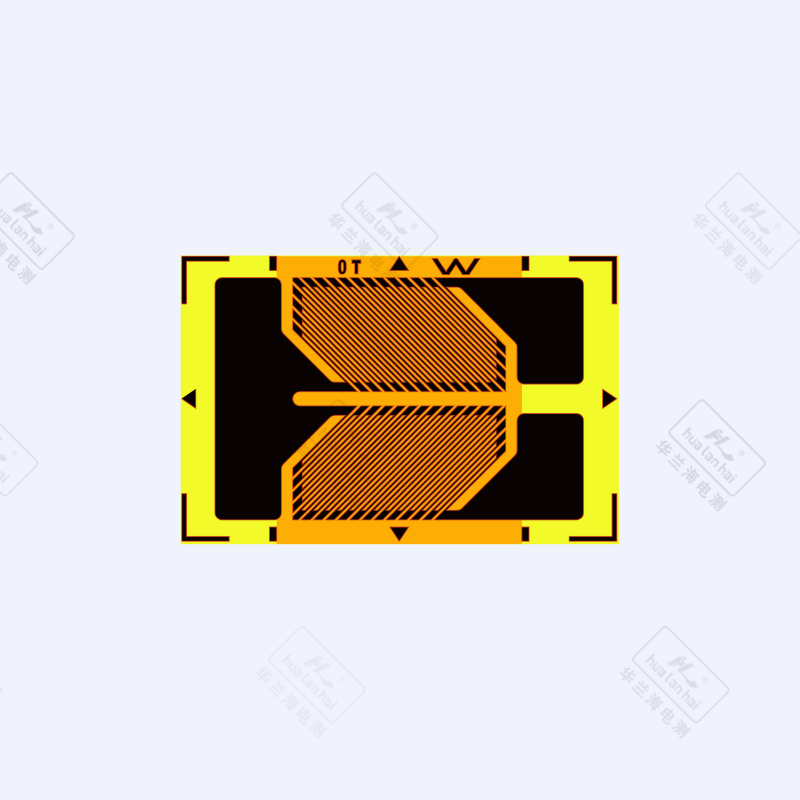
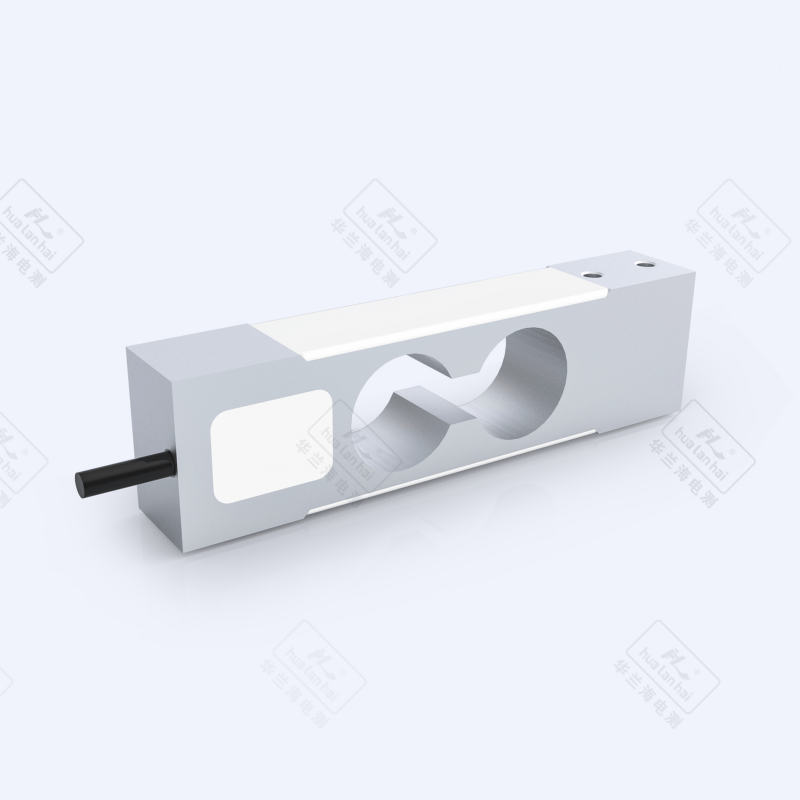
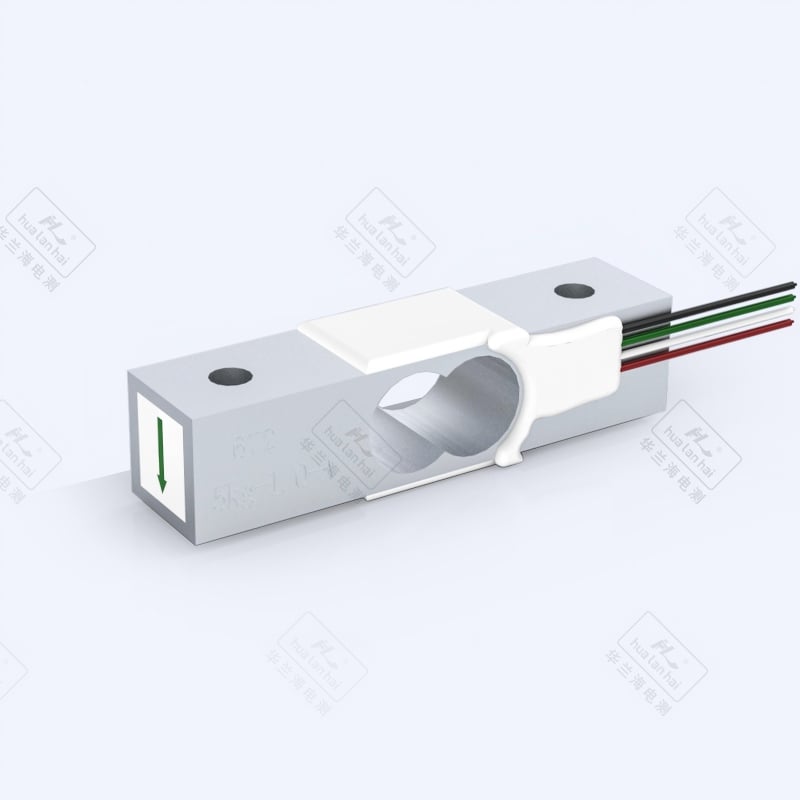
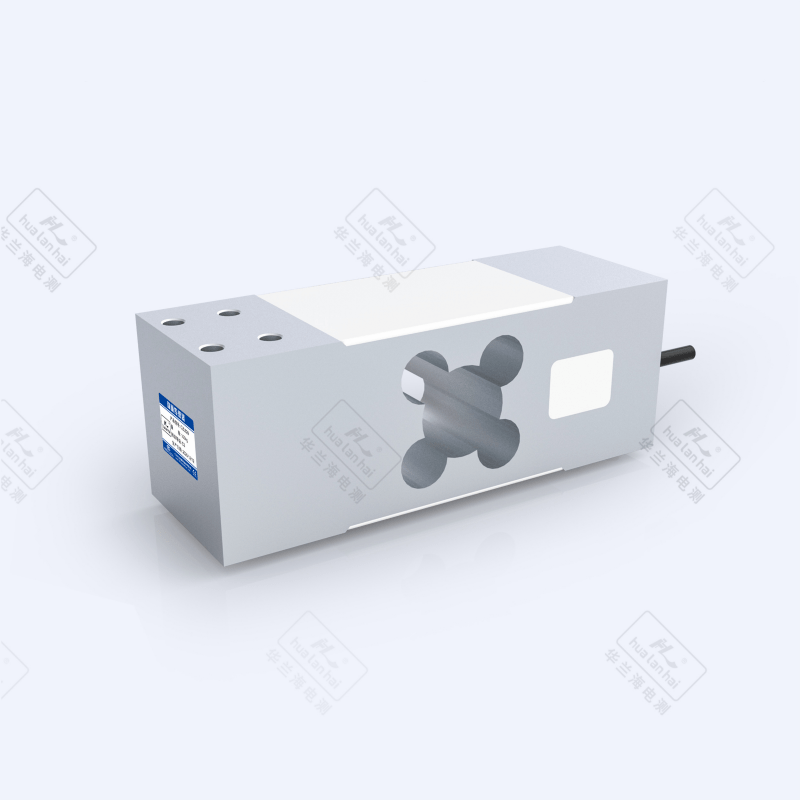
The CZL629 parallel beam weighing sensor represents a sophisticated force-sensing detection element engineered on strain-resistive principles. This precision weighing sensor features a dual parallel beam or single parallel beam elastomer core structure that delivers exceptional performance in light load applications. When subjected to force, the bending deformation of the beam activates strain gauges to produce precise resistance changes, which are then converted into standardized electrical signals. The parallel beam load cell design combines high precision under light loads, outstanding planar anti-off-center load capacity, and convenient installation flexibility. These characteristics make the CZL629 weighing sensor ideal for small-range weighing, planar force measurement, and embedded measurement scenarios across diverse industrial and commercial applications.
1. Product Features and Functions
Core Features
• Structural Design: The CZL629 parallel beam load cell adopts an integrated parallel beam structure with beam thickness ranging from 2-15mm and length spanning 20-150mm. Uniform stress distribution concentrates in the middle section of the beam, enabling multi-angle force support within the plane. This design delivers outstanding anti-off-center load capacity, capable of withstanding planar off-center loads of ±20% to ±30% of rated load, with no obvious stress blind spots affecting measurement accuracy.
• Precision Performance: The parallel beam load cell achieves accuracy levels spanning C1-C3 classifications, with mainstream models reaching C2 standards. Nonlinearity error remains ≤±0.01%FS, repeatability error ≤±0.005%FS, and zero drift ≤±0.002%FS/℃, delivering superior precision performance compared to similar sensors in small-range scenarios of 0.1kg-500kg.
• Materials and Protection: The elastomer commonly utilizes aluminum alloy for lightweight scenarios, alloy steel for general industrial applications, or 304/316L stainless steel for corrosive environments. Surface treatment options include anodizing, nickel plating, or passivation processes. Protection levels typically reach IP65/IP67, with food-grade variants achieving IP68 ratings suitable for complex operational environments.
• Installation Compatibility: The CZL629 weighing sensor provides standardized mounting holes featuring either threaded or smooth configurations, supporting both bolt fixing and adhesive installation methods. Miniature models enable embedded installation solutions, making them exceptionally suitable for narrow installation spaces in desktop weighing instruments and automated equipment. A single unit effectively meets comprehensive planar weighing requirements.
Core Functions
• Light Load Force Measurement: This precision weighing sensor specializes in static and quasi-dynamic light load weighing with response times ≤4ms. The measurement range covers 0.1kg-500kg, with typical applications concentrated in the 1kg-200kg range. Miniature models can achieve ultra-small range measurement capabilities down to 0.01kg.
• Multiple Signal Output Types: The parallel beam load cell provides analog signals (4-20mA, 0-3V, 0-5V) and digital signals (RS485/Modbus RTU, I2C). Miniature intelligent models integrate signal conditioning modules for direct connection to single-chip microcomputers and IoT modules.
• Safety Protection Function: The CZL629 load cell integrates wide temperature range compensation (-10℃~70℃), provides overload protection at 150%-200% of rated load (typically 150% for aluminum alloy models), and some variants include anti-shock buffer structures for enhanced durability.
• Long-Term Stability: This weighing sensor demonstrates fatigue life exceeding 10⁷ load cycles, with annual drift ≤±0.01%FS under rated load, making it ideally suited for long-term continuous operation in supermarkets, laboratories, and industrial facilities.
2. Core Problems Solved
• Insufficient Precision in Light Load Scenarios: The CZL629 parallel beam load cell addresses inadequate accuracy in traditional sensors for small-range applications below 10kg. Through optimized beam stress design, measurement error remains within ±0.005%FS, solving high-precision requirements for food weighing and pharmaceutical counting applications.
• Inaccurate Measurement of Planar Eccentric Load: The uniform stress distribution characteristic of this parallel beam load cell effectively offsets measurement errors from eccentric loads caused by material placement offset. This solves accuracy challenges in desktop weighing instruments and sorting equipment where material positioning varies.
• Difficulties in Equipment Integration: The compact structure and flexible installation methods of the CZL629 weighing sensor address embedded installation requirements for automated and smart home appliances without requiring modification to main equipment structures, thereby reducing integration costs significantly.
• Poor Environmental Adaptability: Material and protection level upgrades solve sensor damage and signal drift problems in humidity-intensive scenarios (aquaculture weighing), corrosive environments (chemical reagent weighing), and dusty conditions (flour processing).
• Cost Pressure on Small Equipment: A single parallel beam load cell satisfies planar weighing requirements, eliminating multiple sensor combinations. Aluminum alloy materials reduce product weight and cost, effectively addressing cost control challenges in small weighing instruments and consumer electronics.
3. User Experience
• Simplified Installation: Standardized mounting holes and positioning reference surfaces eliminate professional calibration tool requirements. Installation completes with ordinary screwdrivers, requiring low flatness standards (≤0.1mm/m), allowing single-person completion within 10 minutes.
• Low Operation Threshold: The CZL629 supports one-key zeroing and single-point calibration requiring only 100% rated load standard weights. Digital models enable quick calibration through computer software, accessible to non-professionals.
• Minimal Maintenance Cost: The fully sealed structure reduces dust and moisture intrusion, with annual average failure rates ≤0.2%. Lightweight aluminum alloy designs (minimum 5g) facilitate easy replacement without requiring major structural disassembly during maintenance.
• Accurate Data Feedback: Static measurement data fluctuation remains ≤±0.003%FS with no hysteresis in quasi-dynamic scenarios. Digital models incorporate zero drift compensation, eliminating frequent calibration requirements while maintaining strong data stability.
• Integration Adaptability: Micro models offer compact dimensions (minimum 20mm×10mm×5mm), enabling embedding within smart devices without affecting appearance design. Signal outputs remain compatible with mainstream small controllers for plug-and-play installation.
4. Typical Application Scenarios
Commercial Light Load Weighing Instruments
Supermarket pricing scales and electronic platform scales utilize the CZL629 parallel beam load cell as their core sensing unit in 3-30kg applications. The lightweight aluminum alloy design delivers anti-eccentric load characteristics ensuring consistent weighing accuracy regardless of placement position, with errors ≤±1g. Express delivery electronic scales (1-50kg) employ stainless steel construction for easy cleaning and fouling resistance, featuring IP67 protection suitable for humid, dusty environments while supporting fast continuous weighing.
Industrial Automation Equipment
Automated sorting equipment in food and hardware industries install CZL629 weighing sensors beneath sorting conveyor belts for real-time product weight detection linked with sorting mechanisms, achieving ±0.1g sorting accuracy. Material detection on assembly lines determines component presence through weighing (such as mobile phone battery assembly) with response times ≤4ms suitable for high-speed pipelines. Quantitative packaging machine controls employ C2 accuracy models ensuring per-bag weight errors ≤±0.2%, meeting metrological standards.
Food and Pharmaceutical Industries
Pharmaceutical ingredient weighing utilizes 316L stainless steel CZL629 load cells with GMP certification for 0.1-10kg raw materials, featuring polished surfaces without dead corners for easy sterilization and ≤±0.01%FS accuracy. Aquatic product and meat weighing equipment incorporates waterproof, anti-corrosion designs (IP68) suitable for direct washing in humid, water-rich environments.
5. Selection and Implementation Guide
When selecting the CZL629 parallel beam load cell, determine range according to 1.2x actual maximum weight, avoiding accuracy loss from oversized ranges in light load scenarios. Choose accuracy levels: C1 for laboratory/medicine (≤±0.005%FS), C2 for industrial metrology (≤±0.01%FS), C3 for civil weighing (≤±0.02%FS). Select signal types based on application: analog (0-5V) for civil instruments, digital (I2C/RS485) for intelligent devices, wireless-enabled models for IoT scenarios.
Summary
The CZL629 parallel beam weighing sensor delivers core advantages of light load high precision, planar anti-bias load tolerance, and convenient equipment integration. This precision weighing sensor solves problems including precise small-range weighing, material eccentric load measurement, and automated equipment embedded installation. When selecting, prioritize range, accuracy, installation space, and environmental requirements while confirming system compatibility and additional functions. During operation, avoid overload and lateral impact while strictly following regular calibration specifications to ensure long-term stable performance. Ideal for light load weighing instruments, automation equipment, food, pharmaceutical, and scientific research applications, the CZL629 represents the optimal sensing solution for small range and planar weighing scenarios.
Detail Display
Parameters
| Parameter Name | Parameter Value |
| Sensor range | 50kg ~ 1000kg |
| Accuracy class | C2 |
| Comprehensive error | ±0.03% FS |
| Output sensitivity | 2.0±0.2 mV/V |
| creep | ±0.023% FS/30min |
| Zero output | ±1.5% FS |
| Input impedance | 405±10Ω |
| Output impedance | 350±3Ω |
| insulation resistance | ≥5000 MΩ(100VDC) |
| Influence of zero temperature | ±0.029% FS/10℃ |
| Sensitivity temperature effect | ±0.025% FS/10℃ |
| Temperature compensation range | -10℃ ~ +40 ℃ |
| Operating temperature range | -20℃ ~ +60 ℃ |
| Excitation voltage | 5VDC ~ 12VDC |
| Safe overload range | 120% |
| Limit overload range | 150% |
| Recommended table size | 600*600mm |
| Material Science | Aluminum Alloy |
| Protection level | IP65 |
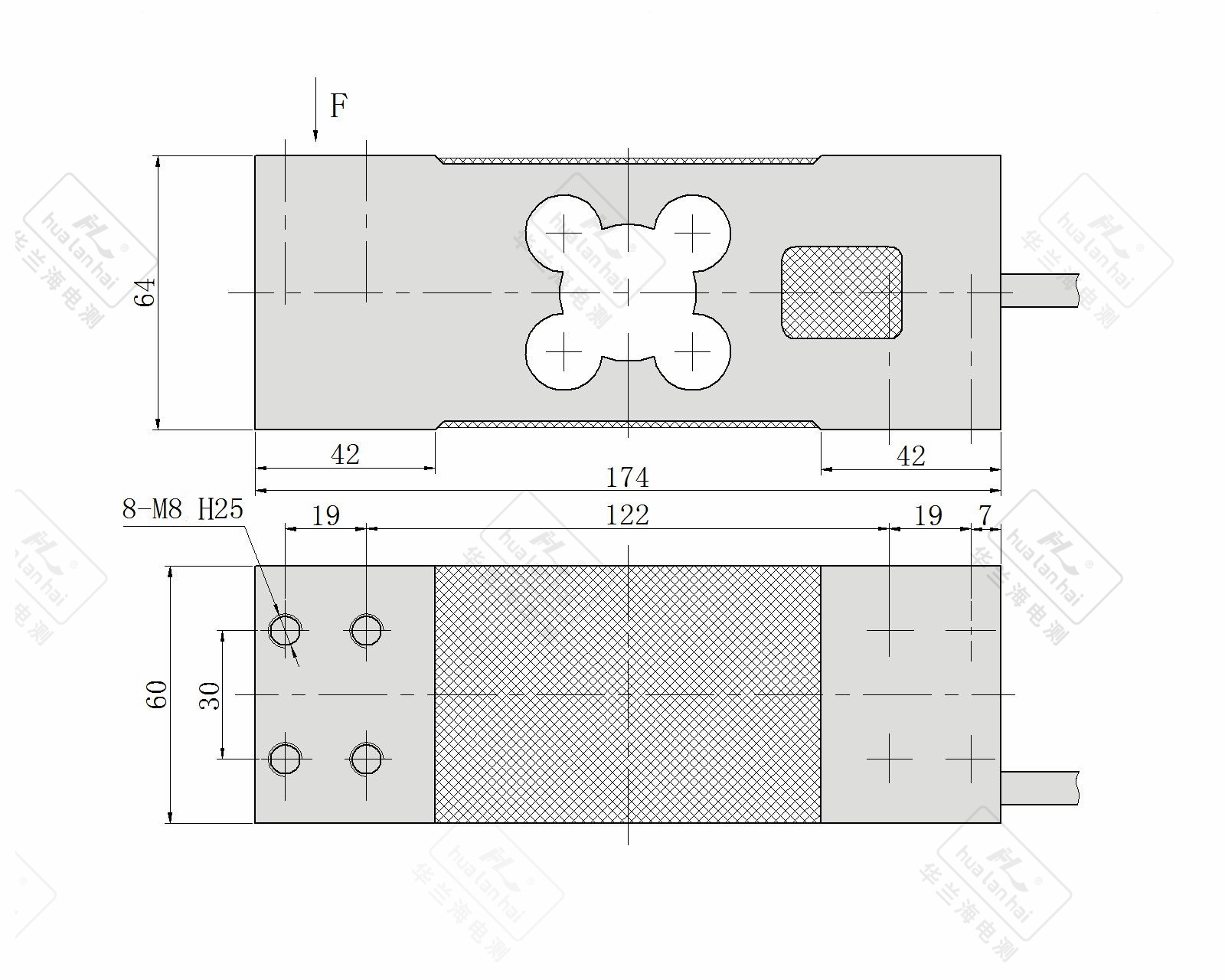
| External dimension of sensor | 1746064 |
| Mounting hole size | 4-M8 |
| Location of mounting hole | X19Y30 |