Professional Strain Gauge Solutions: Precision Measurement Technology for Industrial Applications

All Categories

Get a Free Quote

Our representative will contact you soon.
Email
Name
Company Name
WhatsApp
Message
0/1000

the strain gauge

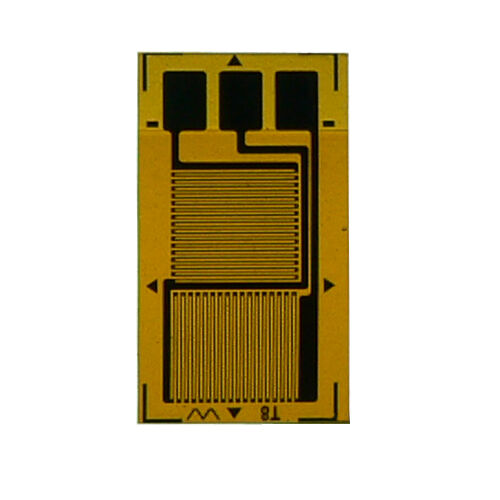
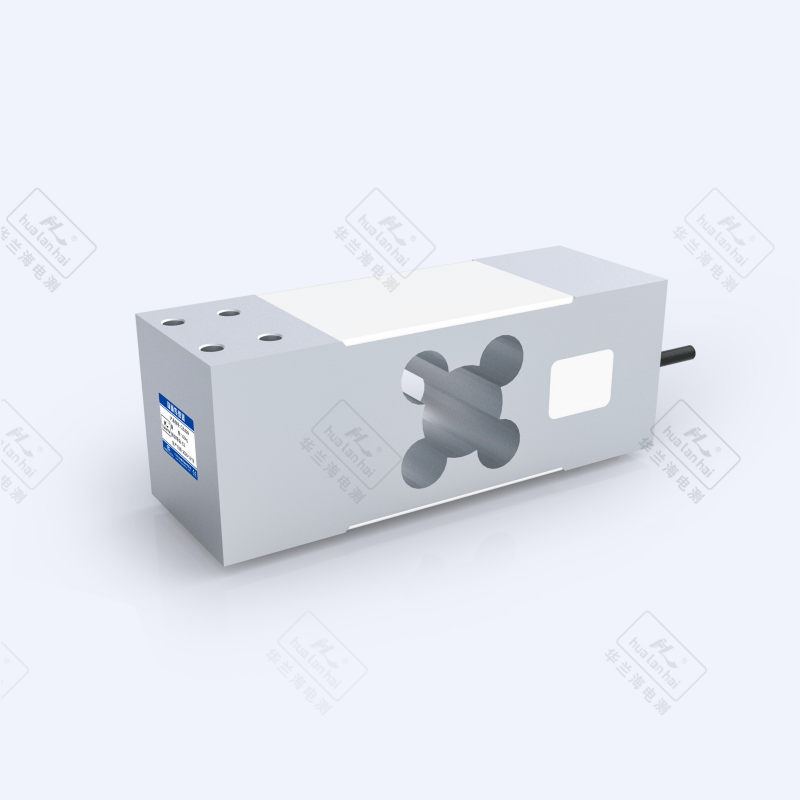
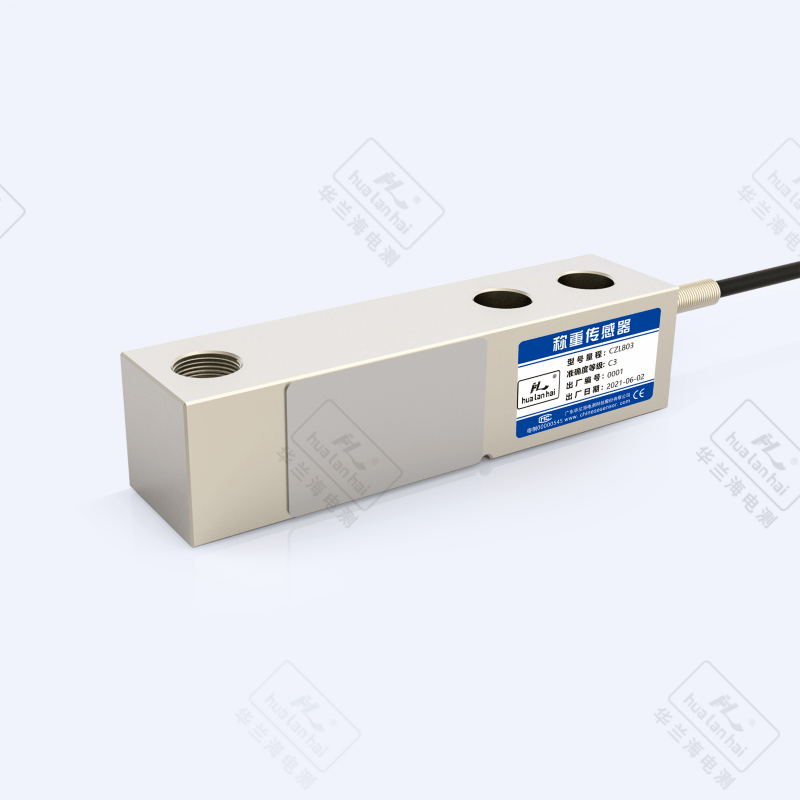
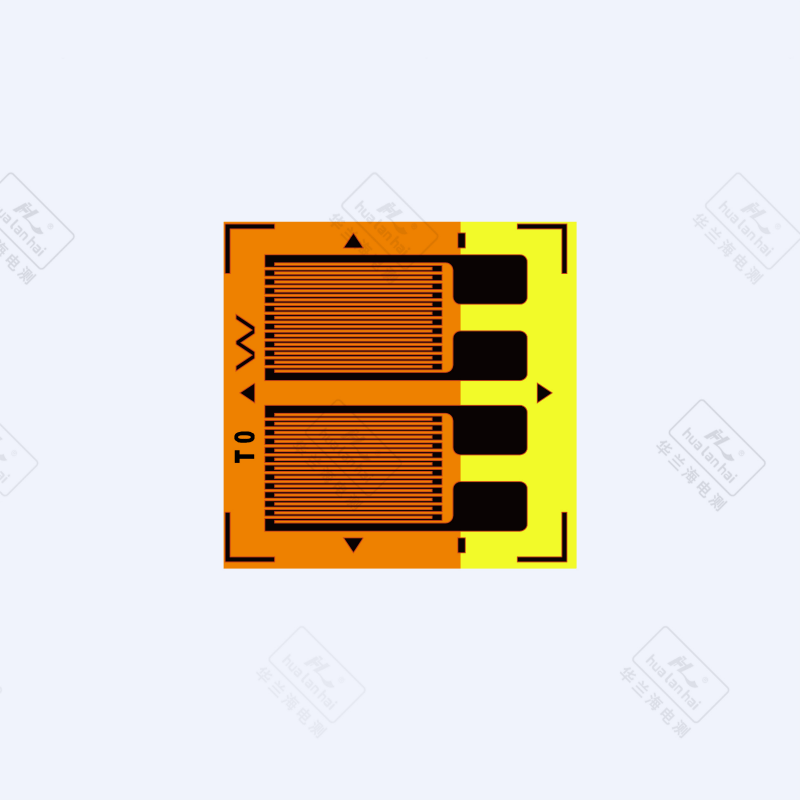
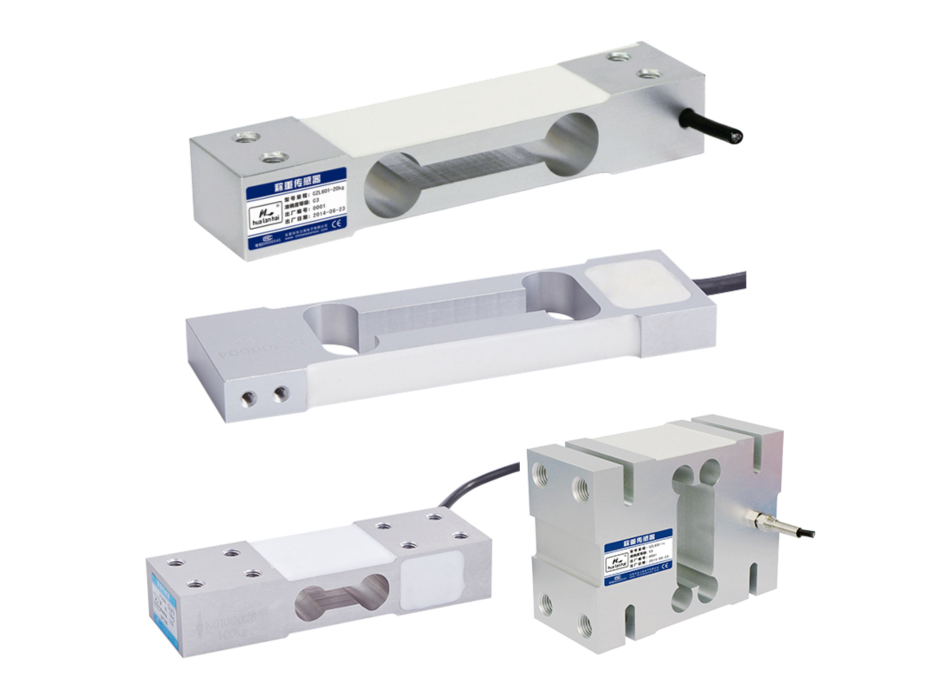
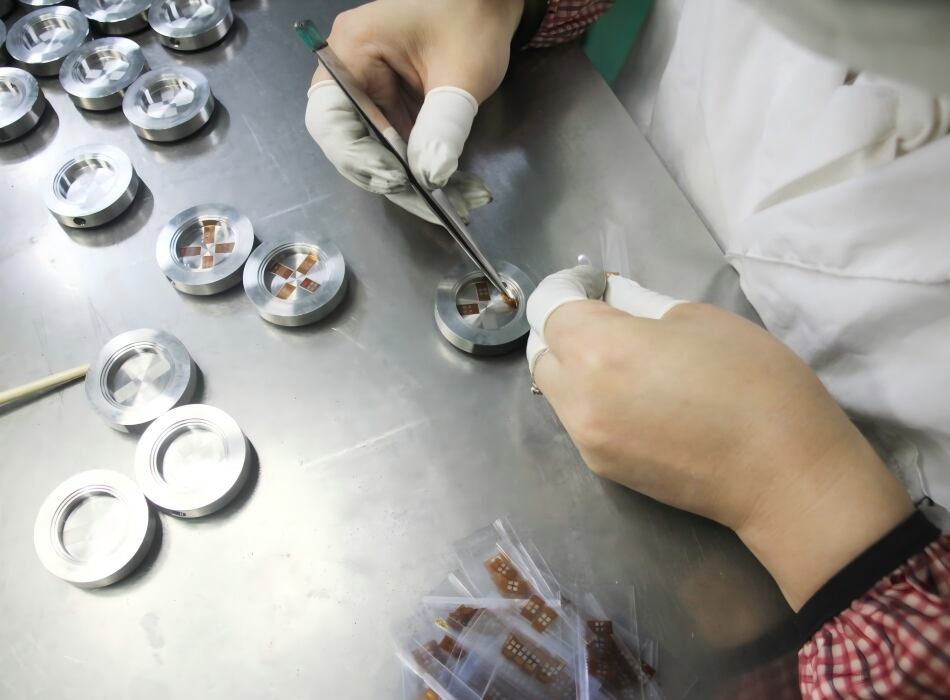
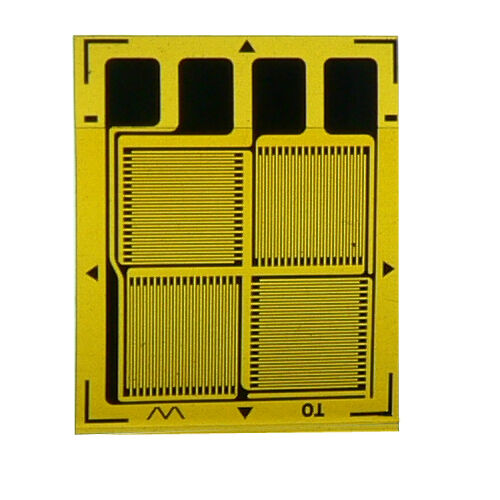
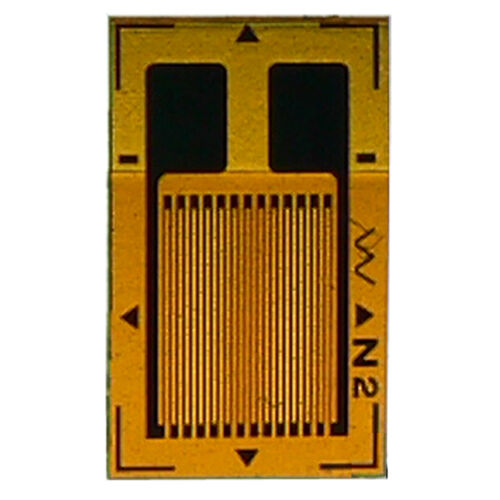
The strain gauge represents a fundamental measurement device that transforms mechanical deformation into electrical signals, making it an essential component in modern engineering and industrial applications. This sophisticated sensor operates on the principle that when a material experiences stress or strain, its electrical resistance changes proportionally. The strain gauge consists of a thin metallic foil or wire arranged in a grid pattern and bonded to a flexible backing material, which is then attached to the test specimen or structure being monitored. When the host material deforms under load, the strain gauge deforms with it, causing changes in the electrical resistance that can be measured and converted into strain values. The technology behind the strain gauge relies on the piezoresistive effect, where mechanical stress alters the electrical properties of the sensing element. Modern strain gauges utilize advanced materials such as constantan, karma alloy, or semiconductor elements to achieve high sensitivity and temperature stability. The typical strain gauge features a gauge factor between 2.0 and 4.0, indicating how much the resistance changes relative to the applied strain. These devices can detect incredibly small deformations, often measuring strains as low as one microstrain, which equals one millionth of a unit length change. Installation requires careful surface preparation and precise bonding techniques using specialized adhesives or welding methods. The strain gauge finds applications across numerous industries including aerospace, automotive, civil engineering, and manufacturing. In structural health monitoring, engineers use strain gauges to assess the integrity of bridges, buildings, and aircraft components. The versatility of strain gauges extends to load cells, torque sensors, pressure transducers, and accelerometers, where they serve as the primary sensing element. Temperature compensation techniques ensure accurate measurements across varying environmental conditions, while advanced signal conditioning electronics amplify and process the small voltage changes generated by the strain gauge for data acquisition systems.
Popular Products

The strain gauge offers numerous practical benefits that make it an indispensable tool for engineers and researchers seeking accurate deformation measurements. First and foremost, these devices deliver exceptional precision and reliability, capable of measuring extremely small changes in material dimensions with remarkable accuracy. The high sensitivity of strain gauges allows users to detect minute structural changes that might indicate potential problems before they become critical failures. This early warning capability translates into significant cost savings by preventing unexpected breakdowns and extending equipment lifespan. The strain gauge provides real-time monitoring capabilities, enabling continuous assessment of structural integrity and performance parameters. This immediate feedback allows operators to make informed decisions about maintenance schedules and operational limits, optimizing both safety and efficiency. Installation flexibility represents another major advantage, as strain gauges can be mounted on virtually any surface or integrated into various component designs. Their compact size and lightweight construction mean they add negligible mass to the test structure while providing comprehensive measurement capabilities. The electrical output signal from strain gauges integrates seamlessly with modern data acquisition systems, computerized monitoring networks, and automated control systems. This compatibility enables sophisticated data analysis, remote monitoring, and integration with existing industrial infrastructure. Durability stands as a key strength, with properly installed strain gauges capable of withstanding harsh environmental conditions including extreme temperatures, vibration, moisture, and chemical exposure. The wide operating temperature range of quality strain gauges ensures reliable performance in demanding applications from cryogenic conditions to high-temperature industrial processes. Cost-effectiveness makes strain gauges attractive for both large-scale industrial installations and smaller research projects. The relatively low initial investment, combined with minimal maintenance requirements, provides excellent long-term value. Multiple measurement configurations allow users to measure various parameters including axial strain, bending strain, shear strain, and multi-directional loading conditions using single or multiple gauge arrangements. The proven technology behind strain gauges ensures consistent performance across different applications, backed by decades of successful implementation in critical engineering projects worldwide.

Latest News

Conquering The

25

Nov

Conquering The "Bottleneck" Technologies Is The Greatest Motivation

View More
Guide to Selecting Load Cells

25

Nov

Guide to Selecting Load Cells

View More
Selection Method of Resistance Strain Gauges

25

Nov

Selection Method of Resistance Strain Gauges

View More

Get a Free Quote

Our representative will contact you soon.
Email
Name
Company Name
WhatsApp
Message
0/1000

the strain gauge

Unmatched Precision and Sensitivity for Critical Measurements

Unmatched Precision and Sensitivity for Critical Measurements

The strain gauge delivers extraordinary measurement precision that sets it apart from alternative sensing technologies in demanding engineering applications. With the capability to detect strains as minute as one microstrain, these sensors provide resolution that enables engineers to identify structural changes long before they become visible or problematic. This exceptional sensitivity stems from the carefully engineered metallic grid pattern and advanced materials used in modern strain gauge construction, which respond linearly to mechanical deformation across a wide measurement range. The high gauge factor, typically ranging from 2.0 to 4.0, ensures that even minimal structural changes produce measurable electrical signals that can be accurately quantified and analyzed. This precision proves invaluable in applications where safety margins are critical, such as aerospace components, pressure vessels, and structural monitoring systems. The strain gauge maintains consistent accuracy across varying load conditions, from initial loading through maximum rated capacity, providing reliable data throughout the entire measurement range. Temperature compensation techniques integrated into quality strain gauge systems eliminate measurement drift caused by thermal effects, ensuring that readings reflect true mechanical strain rather than temperature-induced changes. Advanced manufacturing processes create strain gauges with exceptional repeatability, meaning multiple measurements under identical conditions produce virtually identical results. This reliability enables engineers to establish precise baselines for structural health monitoring and detect subtle changes that might indicate developing problems. The linear response characteristics of strain gauges simplify calibration procedures and data interpretation, reducing the complexity of measurement systems and minimizing potential sources of error. Quality control measures during manufacturing ensure that each strain gauge meets stringent performance specifications, providing users with confidence in measurement accuracy. The precision offered by strain gauges enables optimization of design parameters, allowing engineers to reduce material usage while maintaining safety factors, ultimately leading to more efficient and cost-effective designs across various industries.
Versatile Installation and Integration Capabilities

Versatile Installation and Integration Capabilities

The strain gauge offers unparalleled versatility in installation options and system integration, making it adaptable to virtually any measurement requirement or environmental condition. The compact physical dimensions and flexible backing materials enable mounting on curved surfaces, confined spaces, and complex geometries where other sensing technologies cannot be effectively deployed. Surface-mount strain gauges utilize specialized adhesives that create permanent bonds with the test specimen, ensuring accurate strain transfer while maintaining long-term stability under dynamic loading conditions. Weldable strain gauges provide secure attachment for high-temperature applications or situations where adhesive bonding is not suitable, expanding the range of possible applications. The variety of available grid patterns, including linear, rosette, and specialized configurations, allows engineers to measure specific strain components or complete strain states depending on application requirements. Different gauge lengths accommodate various measurement needs, from localized stress concentrations requiring short gauges to averaged measurements over larger areas using longer gauge lengths. The electrical nature of strain gauge output signals facilitates seamless integration with modern data acquisition systems, programmable logic controllers, and computerized monitoring networks. Standard signal conditioning equipment amplifies the small voltage changes from strain gauges to levels compatible with analog-to-digital converters and data logging systems. Wireless transmission capabilities available with modern strain gauge systems eliminate the need for extensive wiring installations, particularly beneficial for rotating machinery or remote monitoring applications. Multi-channel data acquisition systems can simultaneously monitor hundreds of strain gauge locations, enabling comprehensive structural analysis and real-time monitoring of complex systems. The strain gauge technology integrates effectively with other sensor types, creating comprehensive monitoring systems that measure temperature, pressure, vibration, and deformation parameters simultaneously. Customizable mounting accessories and protective enclosures adapt strain gauges to specific environmental conditions, including underwater applications, corrosive atmospheres, and extreme temperature environments, ensuring reliable operation across diverse industrial settings while maintaining measurement accuracy and sensor longevity.
Long-Term Reliability and Cost-Effective Operation

Long-Term Reliability and Cost-Effective Operation

The strain gauge demonstrates exceptional long-term reliability and cost-effectiveness that makes it an ideal choice for continuous monitoring applications and permanent installations. Properly installed strain gauges can operate continuously for years without degradation in measurement accuracy or signal quality, providing consistent performance that justifies the initial investment through extended service life. The robust construction of quality strain gauges incorporates corrosion-resistant materials and protective coatings that withstand exposure to harsh environmental conditions including humidity, chemical vapors, and temperature cycling. Advanced encapsulation techniques protect the delicate sensing elements from moisture ingress and mechanical damage while maintaining the necessary strain transfer characteristics for accurate measurements. The inherent stability of strain gauge technology means that calibration drift is minimal over time, reducing maintenance requirements and ensuring measurement accuracy throughout the sensor's operational life. Self-diagnostic capabilities built into modern strain gauge systems can detect potential problems such as bond degradation or electrical faults, enabling proactive maintenance that prevents unexpected failures and extends system reliability. The economic benefits of strain gauge implementation extend beyond the initial purchase price to include reduced maintenance costs, improved operational efficiency, and prevention of costly equipment failures. Energy consumption of strain gauge systems is extremely low, making them suitable for battery-powered remote monitoring applications or situations where power availability is limited. The modular nature of strain gauge installations allows for incremental system expansion as monitoring requirements evolve, protecting the initial investment while accommodating changing needs. Standardized mounting procedures and connection methods simplify installation and reduce labor costs compared to more complex sensing technologies. The availability of replacement components and upgrade options ensures that strain gauge systems can be maintained and modernized over extended periods, protecting the long-term investment in monitoring infrastructure. Training requirements for strain gauge installation and maintenance are minimal compared to alternative technologies, reducing ongoing operational costs and enabling in-house maintenance capabilities. The proven track record of strain gauge reliability in critical applications provides confidence for engineers specifying monitoring systems where failure is not an option, making these sensors the preferred choice for safety-critical structural monitoring and industrial process control applications worldwide.

Get a Free Quote

Our representative will contact you soon.
Email
Name
Company Name
WhatsApp
Message
0/1000