Weight Strain Gauge Systems - Precision Force Measurement Technology for Industrial Applications

All Categories

Get a Free Quote

Our representative will contact you soon.
Email
Name
Company Name
WhatsApp
Message
0/1000

weight strain gauge

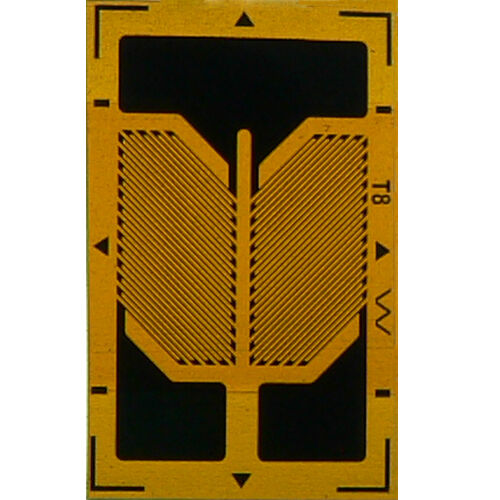
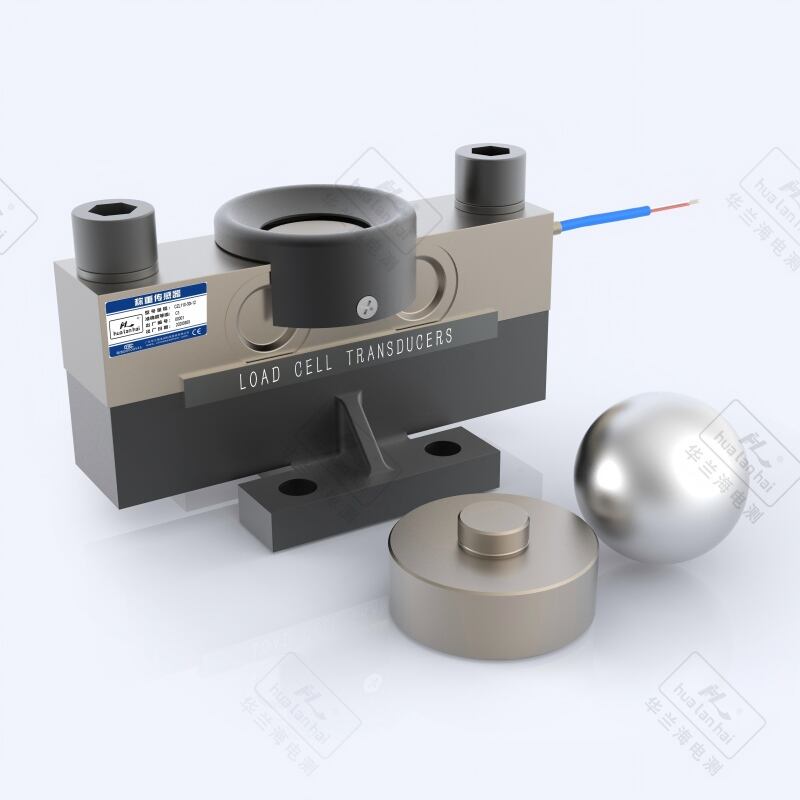
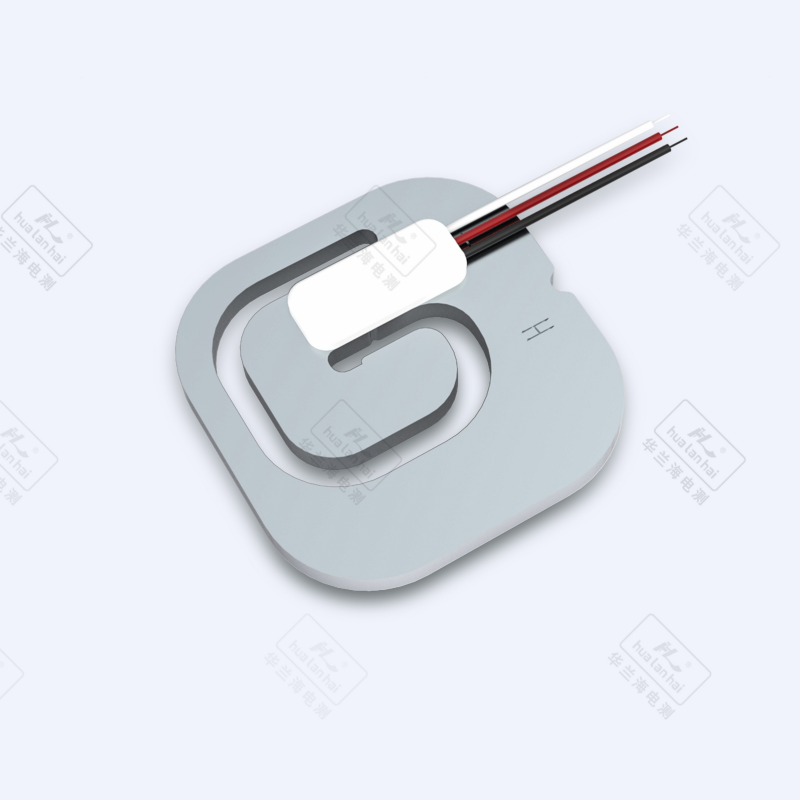
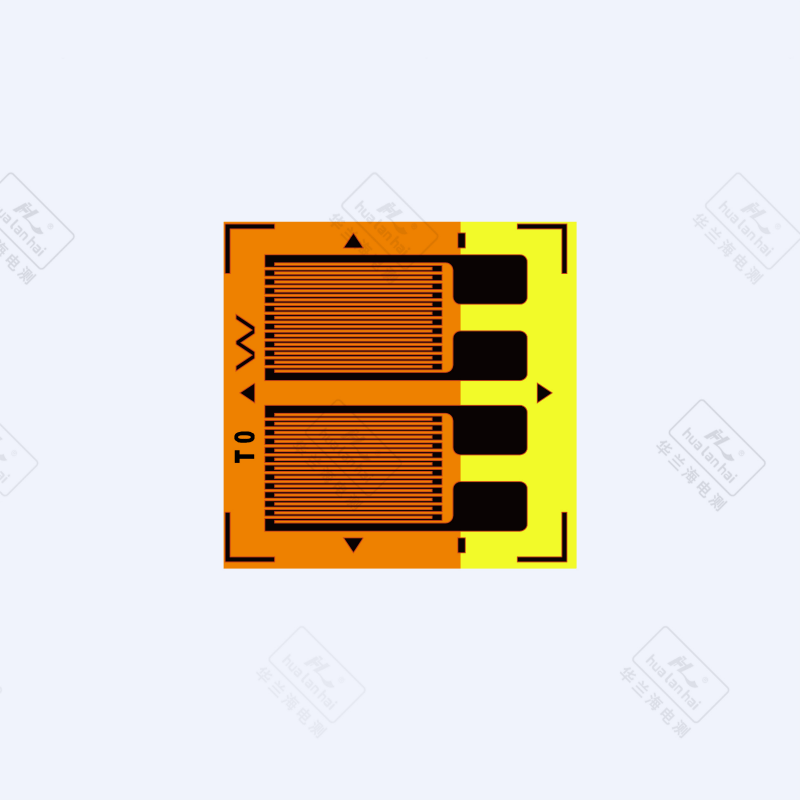
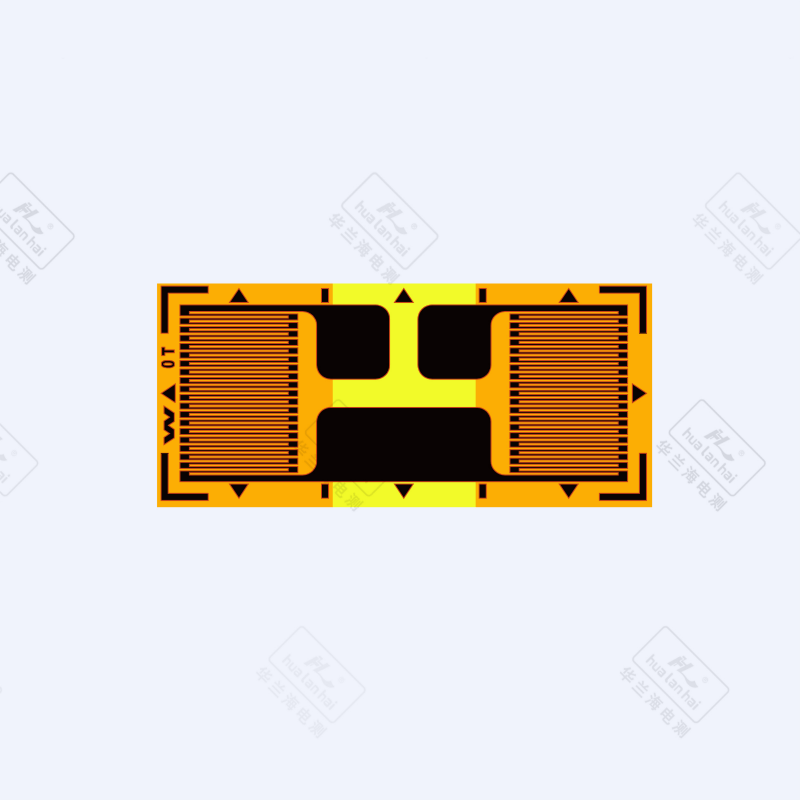
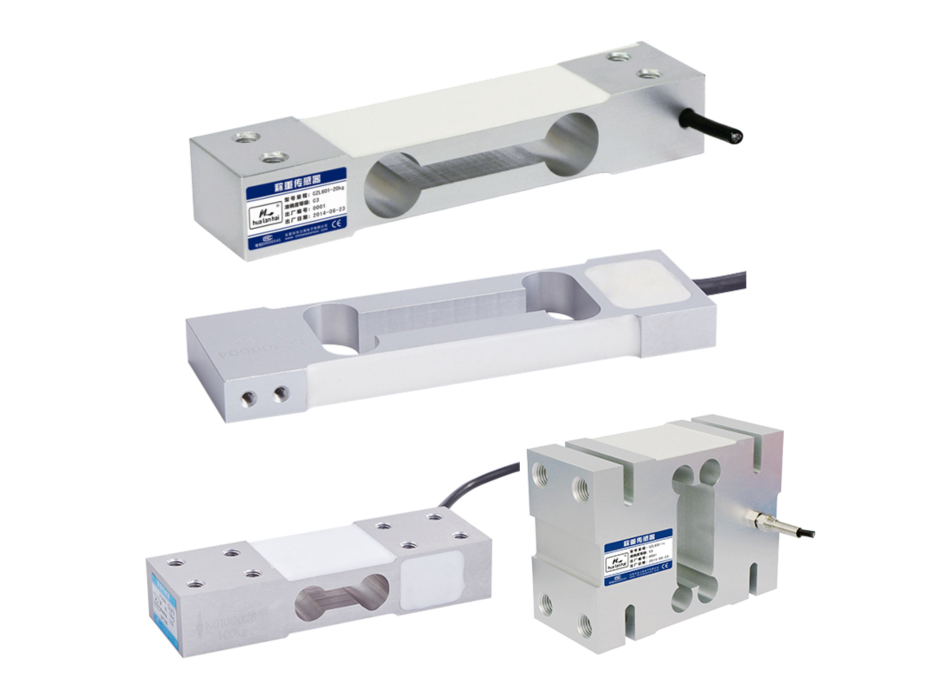
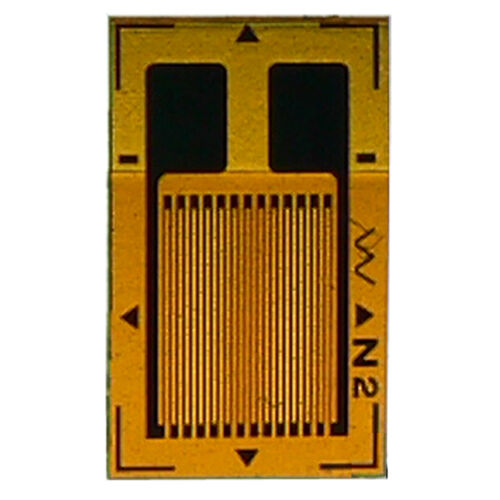
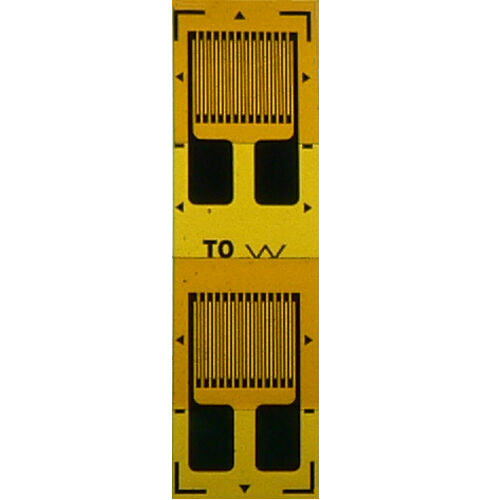
A weight strain gauge represents a sophisticated force measurement device that transforms mechanical deformation into precise electrical signals for accurate weight determination. This advanced sensor technology operates on the fundamental principle of measuring minute changes in electrical resistance when subjected to mechanical stress or strain. The weight strain gauge consists of a metal foil or wire element bonded to a flexible backing material, which deforms proportionally to applied force, creating measurable resistance variations that correspond directly to weight measurements. Modern weight strain gauge systems incorporate multiple gauge configurations, including single-point, shear beam, and compression designs, each optimized for specific weighing applications and load capacities. The technological foundation relies on the piezoresistive effect, where electrical resistance changes predictably under mechanical stress, enabling highly accurate force-to-electrical signal conversion. These devices feature exceptional linearity characteristics, minimal temperature drift, and outstanding long-term stability, making them indispensable for precision weighing requirements. Weight strain gauge technology integrates seamlessly with digital display systems, data acquisition equipment, and automated control networks through standardized output signals. The construction typically involves precision-manufactured metal elements with carefully controlled geometry and material properties to ensure consistent performance across varying environmental conditions. Advanced weight strain gauge designs incorporate temperature compensation mechanisms, protecting against thermal effects that could compromise measurement accuracy. Installation flexibility allows integration into diverse mechanical structures, from simple platform scales to complex industrial weighing systems. The signal conditioning circuitry amplifies and processes the low-level electrical outputs, converting them into usable measurement data for display or further processing. Quality weight strain gauge systems demonstrate exceptional repeatability, often achieving accuracy levels within 0.1% of full scale, making them suitable for critical measurement applications requiring reliable performance over extended periods.

New Products

Weight strain gauge technology delivers remarkable measurement precision that surpasses traditional mechanical weighing methods by providing consistent, repeatable results with minimal drift over time. Users benefit from the exceptional accuracy these devices offer, typically achieving measurement errors less than 0.1% of full scale capacity, ensuring reliable data for critical applications where precision matters most. The robust construction of weight strain gauge systems means they withstand harsh industrial environments while maintaining their calibration integrity, reducing maintenance costs and downtime significantly compared to alternative weighing technologies. Installation simplicity represents another major advantage, as these devices integrate easily into existing equipment without requiring extensive modifications or specialized mounting hardware, saving both time and installation expenses for operators. The electronic output signals from weight strain gauge systems enable seamless integration with modern digital control systems, allowing for automated data logging, remote monitoring, and real-time process control capabilities that enhance operational efficiency. Cost-effectiveness emerges through the long service life of quality weight strain gauge products, often operating reliably for decades with minimal maintenance requirements, providing excellent return on investment for businesses requiring dependable weighing solutions. Temperature stability built into modern weight strain gauge designs ensures accurate measurements across wide temperature ranges without frequent recalibration, maintaining precision in varying environmental conditions that would affect other measurement technologies. The compact form factor allows weight strain gauge installation in space-constrained applications where traditional mechanical scales cannot fit, expanding weighing possibilities in tight quarters or specialized equipment configurations. Real-time measurement capabilities provide instant weight readings without mechanical settling time, enabling faster throughput in production environments where speed and accuracy both matter. The digital compatibility eliminates human reading errors common with analog displays, while providing data in formats suitable for computer processing and analysis. Overload protection features prevent damage during accidental overloading, extending equipment life and reducing replacement costs. Multiple mounting options accommodate diverse installation requirements, from tension applications to compression loading scenarios, maximizing versatility across different industrial applications.

Practical Tips

Conquering The

25

Nov

Conquering The "Bottleneck" Technologies Is The Greatest Motivation

View More
Guide to Selecting Load Cells

25

Nov

Guide to Selecting Load Cells

View More
Selection Method of Resistance Strain Gauges

25

Nov

Selection Method of Resistance Strain Gauges

View More

Get a Free Quote

Our representative will contact you soon.
Email
Name
Company Name
WhatsApp
Message
0/1000

weight strain gauge

Unmatched Precision and Reliability for Critical Measurements

Unmatched Precision and Reliability for Critical Measurements

Weight strain gauge technology represents the pinnacle of precision measurement, delivering accuracy levels that exceed traditional weighing methods by substantial margins. The sophisticated design incorporates multiple compensation mechanisms that eliminate common sources of measurement error, including temperature variations, mechanical hysteresis, and long-term drift. This exceptional precision stems from the fundamental operating principle where electrical resistance changes linearly with applied mechanical stress, creating a direct, predictable relationship between weight and electrical output. Manufacturing processes utilize advanced materials science to create strain elements with precisely controlled metallurgy, ensuring consistent performance characteristics across the entire production range. The reliability factor extends beyond mere accuracy to encompass long-term stability, with quality weight strain gauge systems maintaining their calibration for years without requiring frequent adjustments or replacements. This reliability translates directly into operational benefits for users who depend on consistent measurements for process control, quality assurance, or regulatory compliance. The precision capabilities enable detection of minute weight changes that might indicate process variations, equipment wear, or product quality issues before they become significant problems. Advanced signal processing techniques filter out electrical noise and environmental interference, preserving measurement integrity even in electromagnetically challenging industrial environments. The inherent stability of weight strain gauge technology means calibration intervals can be extended significantly compared to mechanical alternatives, reducing operational disruptions and maintenance costs while ensuring continued measurement accuracy. Quality control during manufacturing ensures each weight strain gauge meets stringent performance specifications, with extensive testing validating accuracy, linearity, and repeatability under various loading conditions. This commitment to precision makes weight strain gauge systems the preferred choice for applications where measurement uncertainty cannot be tolerated, such as pharmaceutical manufacturing, precious metal trading, or scientific research where data integrity drives critical decisions.
Seamless Digital Integration and Smart Connectivity Features

Seamless Digital Integration and Smart Connectivity Features

Modern weight strain gauge systems excel in digital integration capabilities, providing sophisticated connectivity options that transform traditional weighing into intelligent measurement systems. The electronic output signals are inherently compatible with contemporary digital control systems, enabling seamless data exchange without requiring complex interface equipment or signal conversion hardware. This digital compatibility extends to popular industrial communication protocols, allowing weight strain gauge systems to participate in networked operations where measurement data feeds directly into enterprise resource planning systems, quality management databases, or automated process control networks. Advanced weight strain gauge controllers incorporate built-in web servers, enabling remote access and monitoring capabilities that allow operators to view real-time measurements, configure system parameters, and download historical data from any internet-connected device. The integration extends to mobile applications and cloud-based platforms, where weight strain gauge data can be automatically synchronized for analysis, reporting, or regulatory documentation purposes. Smart diagnostic features continuously monitor system performance, providing early warning of potential issues such as cable damage, environmental interference, or calibration drift, enabling proactive maintenance scheduling that prevents unexpected downtime. The digital architecture supports multiple concurrent outputs, allowing a single weight strain gauge system to serve multiple users or systems simultaneously without signal degradation or interference. Programmable features enable custom measurement processing, including statistical analysis, batch counting, rate-of-change calculations, or specialized algorithms tailored to specific application requirements. Data logging capabilities capture comprehensive measurement histories with timestamps, enabling trend analysis and process optimization studies that identify improvement opportunities. The connectivity features support various data export formats, ensuring compatibility with existing analysis software or reporting systems used by different organizations. Security features protect sensitive measurement data through encryption and access control mechanisms, meeting industrial cybersecurity requirements for connected systems. This comprehensive digital integration capability positions weight strain gauge technology as a forward-looking investment that adapts to evolving technological requirements while providing immediate operational benefits.
Versatile Applications Across Diverse Industries and Environments

Versatile Applications Across Diverse Industries and Environments

Weight strain gauge technology demonstrates remarkable versatility through successful implementation across an extensive range of industries and operating environments, from delicate laboratory measurements to heavy-duty industrial applications. The adaptable design characteristics enable customization for specific application requirements, whether measuring gram-level precision in pharmaceutical compounding or ton-scale accuracy in bulk material handling systems. Agricultural applications benefit from weight strain gauge integration in livestock scales, feed monitoring systems, and crop yield measurement equipment, where durability and weather resistance ensure reliable operation in outdoor environments. Manufacturing facilities utilize weight strain gauge technology for production line monitoring, quality control checkpoints, and inventory management systems, where continuous operation and integration with existing automation equipment streamline operations. The food processing industry relies on weight strain gauge systems for portion control, recipe batching, and regulatory compliance weighing, where sanitary design features and easy cleaning capabilities meet strict hygiene requirements. Transportation applications incorporate weight strain gauge technology in vehicle weighing systems, cargo monitoring, and axle load measurement devices, where portability and rapid setup capabilities provide operational flexibility. Medical equipment manufacturers integrate miniature weight strain gauge elements into patient monitoring devices, pharmaceutical dispensing systems, and laboratory analytical instruments, where precision and biocompatibility requirements demand specialized materials and construction techniques. The mining and construction industries deploy ruggedized weight strain gauge systems for material handling, equipment monitoring, and safety applications, where extreme environmental conditions require enhanced protection and reliability features. Aerospace applications utilize specialized weight strain gauge designs for aircraft weighing, fuel measurement, and structural testing, where strict certification requirements and exceptional reliability standards drive design specifications. Marine environments present unique challenges addressed by corrosion-resistant weight strain gauge systems designed for shipboard cargo monitoring, offshore platform applications, and underwater research equipment. The flexibility extends to installation configurations, with weight strain gauge systems adapting to compression, tension, or shear loading scenarios depending on mechanical constraints and measurement requirements. This broad applicability ensures weight strain gauge technology provides value across diverse market segments while maintaining the precision and reliability characteristics that define quality measurement systems.
Get a Free Quote

Our representative will contact you soon.
Email
Name
Company Name
WhatsApp
Message
0/1000