High Temperature Strain Gauge Solutions - Precision Measurement for Extreme Conditions

All Categories

Get a Free Quote

Our representative will contact you soon.
Email
Name
Company Name
WhatsApp
Message
0/1000

high temp strain gauge

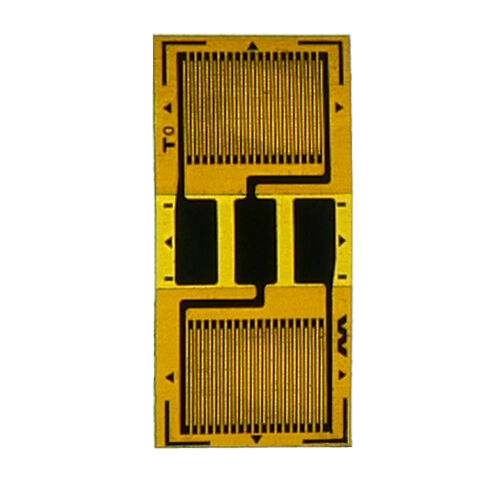
The high temp strain gauge represents a cutting-edge measurement technology specifically engineered to monitor mechanical strain and stress under extreme thermal conditions. These precision instruments excel in environments where conventional strain measurement devices fail, operating reliably at temperatures reaching up to 1000°C or higher depending on the specific model and construction materials. The primary function of a high temp strain gauge involves converting mechanical deformation into electrical signals, enabling accurate real-time monitoring of structural changes in materials subjected to intense heat. This sophisticated measuring device utilizes advanced metallurgy and specialized bonding techniques to maintain measurement accuracy even when exposed to prolonged thermal cycling and extreme temperature fluctuations. The technological foundation of high temp strain gauge systems incorporates temperature-compensated elements that automatically adjust for thermal expansion effects, ensuring precise readings regardless of ambient conditions. These instruments feature robust construction using high-temperature alloys, ceramic substrates, and specialized protective coatings that resist oxidation, corrosion, and thermal degradation. The measurement principle relies on the piezoresistive effect, where mechanical strain causes proportional changes in electrical resistance that can be accurately quantified through sophisticated data acquisition systems. Applications for high temp strain gauge technology span numerous critical industries including aerospace propulsion systems, power generation turbines, automotive engine testing, metallurgical processing equipment, and industrial furnace monitoring. In aerospace applications, these devices monitor turbine blade stress during operation, providing essential data for safety analysis and performance optimization. Power generation facilities utilize high temp strain gauge installations to monitor thermal stress in boiler components, steam pipes, and turbine housings. The automotive industry relies on these instruments for engine development testing, exhaust system analysis, and brake component evaluation under extreme operating conditions. Manufacturing processes involving high-temperature forming, heat treatment, and materials processing depend on accurate strain monitoring to ensure product quality and equipment safety.
New Product Releases

High temp strain gauge technology delivers exceptional performance advantages that directly translate into improved operational efficiency and cost savings for industrial applications. The most significant benefit lies in the ability to maintain measurement accuracy across extreme temperature ranges, eliminating the need for complex cooling systems or indirect measurement methods that compromise data quality. This direct measurement capability provides real-time insights into material behavior under actual operating conditions, enabling engineers to optimize designs and prevent costly failures before they occur. The durability of high temp strain gauge systems significantly reduces maintenance requirements and replacement costs compared to conventional measurement solutions. These robust instruments withstand harsh industrial environments for extended periods, maintaining calibration stability and measurement reliability throughout their operational lifetime. The temperature compensation features built into modern high temp strain gauge designs automatically correct for thermal effects, delivering consistent accuracy without requiring manual adjustments or complex correction algorithms. This automation reduces operator training requirements and minimizes the potential for human error in critical measurements. Installation flexibility represents another key advantage, as high temp strain gauge units can be permanently bonded to test surfaces or integrated into existing equipment with minimal modifications. The compact size and lightweight construction of these devices allow placement in confined spaces where other measurement technologies cannot operate effectively. Data acquisition capabilities have evolved to include wireless transmission options, eliminating the need for high-temperature cabling and reducing installation complexity in hazardous environments. The fast response time of high temp strain gauge systems enables detection of rapid stress changes and transient events that could indicate impending equipment failure. This early warning capability allows maintenance teams to schedule repairs during planned downtime rather than responding to emergency shutdowns. Economic benefits extend beyond the initial investment, as accurate strain monitoring enables optimization of operating parameters to reduce energy consumption and extend equipment life. The precise data collected by high temp strain gauge installations supports predictive maintenance programs that minimize unplanned outages and maximize production efficiency. Integration with modern industrial control systems allows automated responses to strain measurements, implementing protective measures when predetermined limits are exceeded. This automated protection capability prevents catastrophic failures that could result in extensive equipment damage, safety incidents, and production losses.

Tips And Tricks

Conquering The

25

Nov

Conquering The "Bottleneck" Technologies Is The Greatest Motivation

View More
Selection Method of Resistance Strain Gauges

25

Nov

Selection Method of Resistance Strain Gauges

View More

Get a Free Quote

Our representative will contact you soon.
Email
Name
Company Name
WhatsApp
Message
0/1000

high temp strain gauge

Extreme Temperature Performance and Reliability

Extreme Temperature Performance and Reliability

The exceptional temperature performance of high temp strain gauge technology sets it apart from conventional measurement solutions, making it indispensable for applications where extreme thermal conditions are unavoidable. These specialized instruments operate reliably in temperature ranges from ambient conditions up to 1000°C or higher, depending on the specific construction materials and protective coatings employed. The key to this remarkable performance lies in the careful selection of materials and manufacturing processes that resist thermal degradation while maintaining measurement sensitivity. High-temperature alloys such as Inconel, Hastelloy, and specialized stainless steel compositions form the foundation of the sensing element, providing excellent stability and corrosion resistance under extreme conditions. The substrate materials utilize advanced ceramics or high-temperature polymers that maintain dimensional stability and electrical insulation properties throughout the operating temperature range. Protective coatings applied during manufacturing create a barrier against oxidation, chemical attack, and thermal shock that could compromise measurement accuracy. The bonding agents used to attach high temp strain gauge units to test surfaces employ specialized adhesives or brazing techniques that maintain strong adhesion bonds even during thermal cycling. This robust construction enables continuous operation in environments that would quickly destroy standard strain measurement devices, providing reliable data collection in critical applications such as jet engine testing, power plant monitoring, and materials research. Temperature compensation algorithms built into the measurement system automatically adjust for the effects of thermal expansion on both the strain gauge and the test material, ensuring accurate strain readings independent of temperature variations. The thermal response characteristics are carefully calibrated during manufacturing to provide predictable behavior across the entire operating range. Long-term stability testing demonstrates that high temp strain gauge installations maintain calibration accuracy for thousands of thermal cycles, making them suitable for permanent installation in production equipment. This reliability translates into significant cost savings by eliminating frequent recalibration requirements and reducing downtime associated with sensor replacement. The ability to operate continuously under extreme conditions enables real-time monitoring of critical components during normal operation, providing insights into material behavior that cannot be obtained through periodic testing with conventional instruments.
Advanced Signal Processing and Data Accuracy

Advanced Signal Processing and Data Accuracy

Modern high temp strain gauge systems incorporate sophisticated signal processing capabilities that deliver unprecedented measurement accuracy and data reliability in challenging industrial environments. The signal conditioning electronics utilize advanced amplification circuits specifically designed to handle the unique characteristics of high-temperature sensors while minimizing noise and drift effects. Digital signal processing algorithms filter electromagnetic interference and thermal noise that commonly affect measurements in industrial settings, ensuring clean data transmission even in electrically noisy environments. The measurement resolution capabilities of contemporary high temp strain gauge systems enable detection of micro-strain levels with precision sufficient for research applications while maintaining the ruggedness required for industrial use. Automatic calibration routines built into the data acquisition software continuously verify measurement accuracy and provide alerts when calibration drift exceeds acceptable limits. Multi-channel data logging capabilities allow simultaneous monitoring of multiple measurement points, providing comprehensive stress analysis data for complex structures and components. The sampling rates available in modern systems support both steady-state monitoring and dynamic analysis of rapidly changing stress conditions. Data storage and analysis software packages integrate seamlessly with existing plant information systems, enabling automated reporting and trend analysis capabilities. Remote monitoring options utilize industrial communication protocols to transmit measurement data to central control rooms or off-site monitoring facilities, supporting predictive maintenance programs and real-time operational decisions. The measurement accuracy specifications of high temp strain gauge systems typically exceed requirements for most industrial applications, providing confidence in critical safety and quality decisions based on the collected data. Temperature coefficient corrections automatically compensate for thermal effects on both the sensing element and the measured material, eliminating manual calculation requirements and reducing the potential for operator error. Linearization algorithms ensure proportional response across the full measurement range, simplifying data interpretation and analysis procedures. The signal-to-noise ratio performance of advanced high temp strain gauge electronics enables reliable measurements in environments with significant electromagnetic interference from motors, welding equipment, and power distribution systems. Self-diagnostic capabilities continuously monitor system health and provide early warning of potential measurement issues before they affect data quality.
Cost-Effective Industrial Integration and Implementation

Cost-Effective Industrial Integration and Implementation

The implementation of high temp strain gauge technology offers compelling economic advantages that justify the initial investment through reduced operational costs, improved equipment reliability, and enhanced safety performance. Installation procedures for high temp strain gauge systems have been streamlined to minimize downtime and technical complexity, allowing integration into existing equipment with minimal modifications to current operations. The mounting options available include permanent bonding for long-term monitoring applications and temporary attachment methods for periodic testing and evaluation purposes. Specialized installation tools and techniques enable placement in difficult-to-access locations without requiring extensive equipment disassembly or modification. Training requirements for operational personnel are minimal due to the user-friendly interfaces and automated operation features built into modern high temp strain gauge systems. The maintenance schedule for these robust instruments typically involves only periodic verification checks, significantly reducing the ongoing labor costs associated with measurement system upkeep. Compatibility with standard industrial data acquisition hardware eliminates the need for specialized equipment purchases in most applications. The scalability of high temp strain gauge installations allows users to start with critical measurement points and expand the monitoring system as budget and requirements dictate. Return on investment calculations consistently demonstrate positive outcomes within the first year of operation for most industrial applications, primarily through prevention of equipment failures and optimization of operating parameters. The predictive maintenance capabilities enabled by continuous strain monitoring allow scheduling of repairs during planned outages, avoiding costly emergency shutdowns and production losses. Energy consumption optimization becomes possible through accurate monitoring of equipment stress levels, allowing operators to identify and correct inefficient operating conditions that waste fuel and electricity. Quality control improvements result from better understanding of manufacturing process variations and their effects on product characteristics, reducing scrap rates and rework costs. Safety enhancements achieved through early detection of structural problems protect both personnel and equipment from potentially catastrophic failures. Insurance premium reductions may be available for facilities that implement comprehensive monitoring systems demonstrating proactive risk management practices. The long service life of properly installed high temp strain gauge systems spreads the initial investment cost over many years of reliable operation, making the technology increasingly cost-effective over time. Integration with existing plant automation systems leverages current infrastructure investments while adding valuable monitoring capabilities that support operational excellence initiatives.

Get a Free Quote

Our representative will contact you soon.
Email
Name
Company Name
WhatsApp
Message
0/1000