Premium Stainless Steel Weighing Sensors - High Precision Industrial Measurement Solutions

All Categories

Get a Free Quote

Our representative will contact you soon.
Email
Name
Company Name
WhatsApp
Message
0/1000

stainless steel weighing sensor

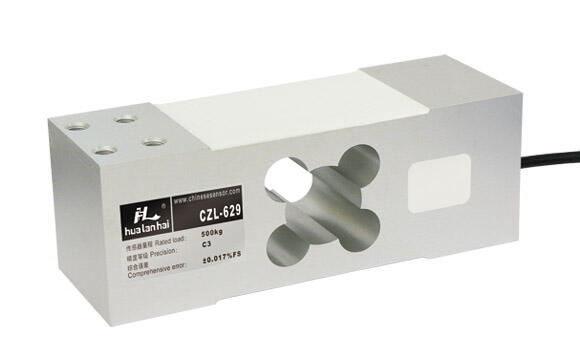
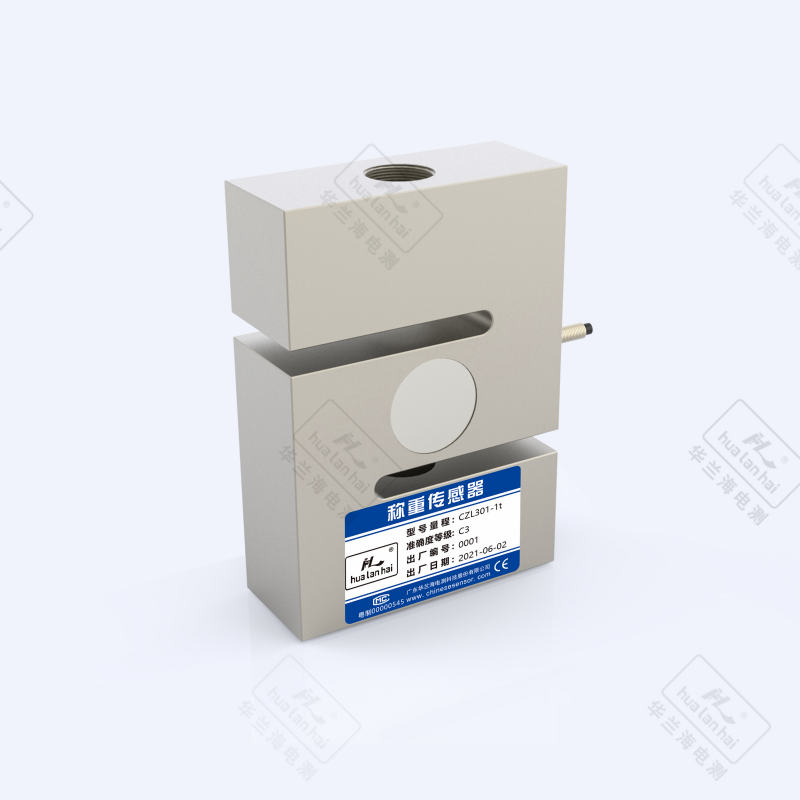
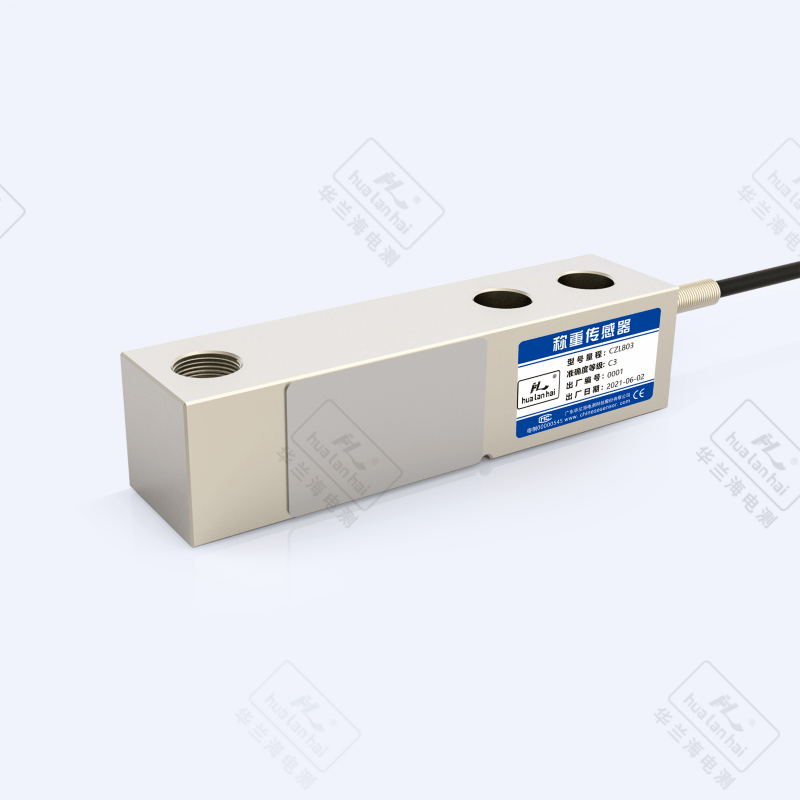
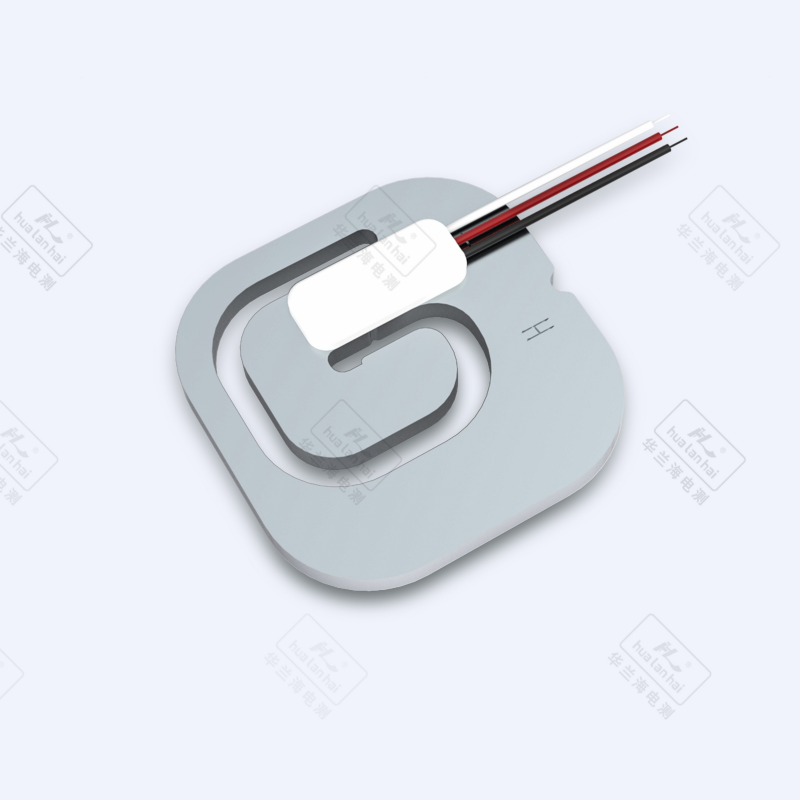
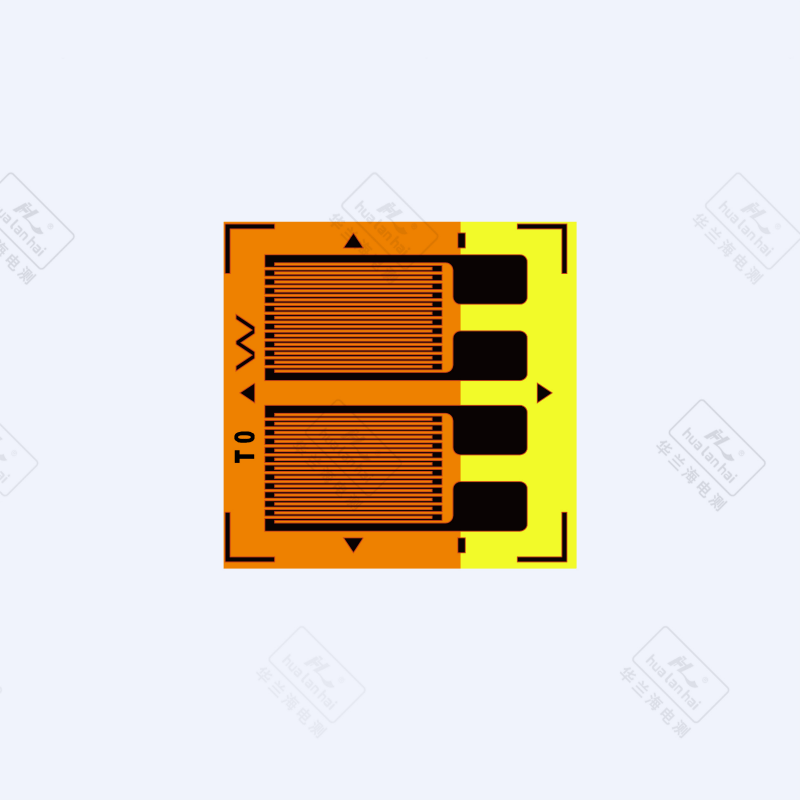
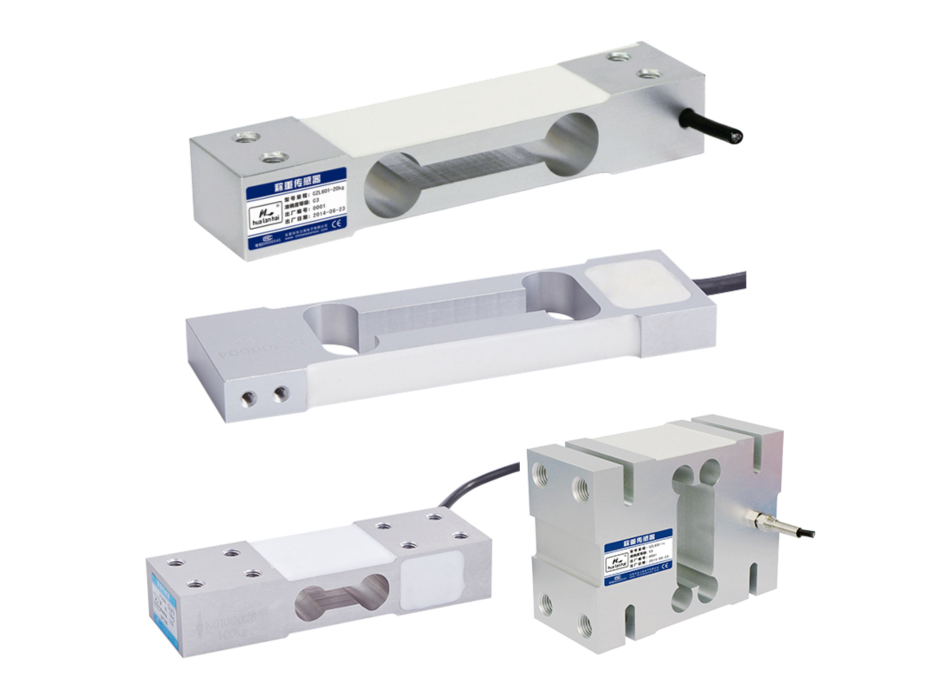
A stainless steel weighing sensor represents a cutting-edge precision measurement device designed to deliver accurate weight readings across diverse industrial and commercial environments. These sophisticated sensors utilize advanced load cell technology integrated within robust stainless steel construction, making them ideal for applications requiring both precision and durability. The primary function of a stainless steel weighing sensor involves converting mechanical force into electrical signals, which are then processed to provide precise weight measurements. The sensor operates through strain gauge technology, where microscopic changes in resistance occur when force is applied to the sensing element. This fundamental principle enables the device to detect weight variations with exceptional accuracy, often achieving precision levels within 0.01% of full scale capacity. The technological features of these sensors include high-resolution analog-to-digital conversion, temperature compensation mechanisms, and digital signal processing capabilities that ensure consistent performance across varying environmental conditions. Modern stainless steel weighing sensors incorporate smart connectivity options, including wireless transmission protocols and IoT integration capabilities, allowing seamless data collection and remote monitoring. The stainless steel construction provides superior corrosion resistance, making these sensors suitable for harsh environments including food processing facilities, pharmaceutical manufacturing, chemical plants, and marine applications. Applications span numerous industries, from laboratory research requiring micro-gram precision to heavy industrial weighing systems handling multiple tons. In manufacturing processes, these sensors enable quality control through precise ingredient dosing, batch monitoring, and finished product verification. Healthcare facilities utilize them for patient monitoring and pharmaceutical compounding, while logistics operations depend on their accuracy for shipping calculations and inventory management.

New Product Releases

Stainless steel weighing sensors offer numerous compelling advantages that make them the preferred choice for demanding measurement applications. The corrosion-resistant properties of stainless steel construction ensure these sensors maintain accuracy and reliability even in challenging environments where moisture, chemicals, or extreme temperatures are present. This durability translates to significant cost savings over time, as users experience reduced maintenance requirements and extended operational lifespan compared to sensors made from conventional materials. The hygienic properties of stainless steel make these sensors particularly valuable in food processing, pharmaceutical, and medical applications where contamination prevention is critical. Unlike painted or coated alternatives, stainless steel surfaces resist bacterial growth and can withstand rigorous cleaning protocols including high-pressure washing and chemical sanitization. The precision capabilities of these sensors deliver exceptional measurement accuracy, typically achieving resolution levels that exceed industry standards. This accuracy enables businesses to optimize material usage, reduce waste, and maintain consistent product quality. The robust construction provides excellent stability under mechanical stress, vibration, and temperature fluctuations, ensuring reliable performance in industrial environments. Many stainless steel weighing sensors feature overload protection mechanisms that prevent damage from excessive weight, protecting the investment and maintaining calibration integrity. The electrical characteristics of these sensors include excellent signal-to-noise ratios and minimal drift over time, contributing to long-term measurement stability. Installation flexibility represents another significant advantage, as these sensors accommodate various mounting configurations and integrate easily with existing systems. The digital output capabilities of modern stainless steel weighing sensors enable seamless integration with computerized systems, facilitating automated data logging, process control, and quality assurance protocols. Energy efficiency is enhanced through low power consumption designs, making them suitable for battery-powered applications and remote monitoring systems. The wide operating temperature ranges of these sensors ensure consistent performance across diverse climatic conditions, from arctic storage facilities to high-temperature manufacturing processes.

Practical Tips

Conquering The

25

Nov

Conquering The "Bottleneck" Technologies Is The Greatest Motivation

View More
Guide to Selecting Load Cells

25

Nov

Guide to Selecting Load Cells

View More
Selection Method of Resistance Strain Gauges

25

Nov

Selection Method of Resistance Strain Gauges

View More

Get a Free Quote

Our representative will contact you soon.
Email
Name
Company Name
WhatsApp
Message
0/1000

stainless steel weighing sensor

Unmatched Durability and Corrosion Resistance

Unmatched Durability and Corrosion Resistance

The exceptional durability and corrosion resistance of stainless steel weighing sensors represent their most compelling advantage, delivering long-term value that significantly exceeds conventional sensor alternatives. The inherent properties of high-grade stainless steel construction provide superior protection against environmental factors that typically degrade measurement equipment over time. This resistance extends to chemical exposure, moisture penetration, salt spray, and temperature extremes, making these sensors ideal for marine environments, chemical processing facilities, and outdoor installations. The molecular structure of stainless steel creates a passive oxide layer that self-heals when damaged, maintaining protection against corrosion throughout the sensor's operational life. This characteristic eliminates the need for protective coatings or frequent maintenance interventions that plague other sensor types. In food processing applications, the non-porous surface of stainless steel prevents bacterial adhesion and contamination, supporting strict hygiene standards required in commercial kitchens, beverage production, and pharmaceutical manufacturing. The mechanical strength of stainless steel construction enables these sensors to withstand significant physical stress, including impact loads, vibration, and thermal cycling without compromising measurement accuracy. This robustness translates to reduced downtime, lower replacement costs, and improved operational efficiency for businesses relying on continuous weighing operations. The temperature stability of stainless steel weighing sensors ensures consistent performance across extreme temperature ranges, from cryogenic storage applications to high-heat industrial processes. Unlike plastic or aluminum alternatives that may expand, contract, or degrade under temperature stress, stainless steel maintains dimensional stability that preserves calibration accuracy. The investment protection offered by this durability extends equipment lifespan significantly, often providing decades of reliable service with minimal maintenance requirements, making stainless steel weighing sensors the most cost-effective choice for long-term applications.
Superior Precision and Measurement Accuracy

Superior Precision and Measurement Accuracy

The superior precision and measurement accuracy of stainless steel weighing sensors establish them as the gold standard for applications requiring reliable weight determination. These sensors achieve remarkable accuracy levels through advanced strain gauge technology combined with sophisticated signal processing algorithms that eliminate measurement errors and environmental interference. The precision capabilities often reach 0.01% of full scale capacity, enabling detection of minute weight changes that would be imperceptible to conventional weighing systems. This exceptional accuracy proves invaluable in laboratory research, pharmaceutical compounding, and precision manufacturing where small measurement errors can compromise product quality or research validity. The linearity characteristics of these sensors ensure consistent accuracy across the entire measurement range, from minimum detectable weights to maximum capacity limits. Temperature compensation mechanisms built into modern stainless steel weighing sensors automatically adjust readings to account for thermal expansion and contraction, maintaining accuracy regardless of ambient temperature fluctuations. The high resolution analog-to-digital conversion systems process weight signals with minimal noise interference, producing clean, stable readings even in electrically challenging environments. Dynamic response capabilities allow these sensors to provide accurate measurements of moving or vibrating loads, expanding their utility in conveyor systems, filling operations, and mobile weighing applications. The repeatability performance of stainless steel weighing sensors ensures identical results when measuring the same load multiple times, supporting quality control protocols and regulatory compliance requirements. Drift compensation algorithms continuously monitor and correct for long-term signal changes, maintaining calibration accuracy between scheduled maintenance intervals. The wide dynamic range of these sensors accommodates applications ranging from micro-scale measurements to heavy industrial weighing, providing flexibility for diverse operational requirements. Integration with advanced display systems and data logging equipment enables precise measurement documentation, supporting traceability requirements in regulated industries and quality assurance programs.
Seamless Integration and Smart Connectivity

Seamless Integration and Smart Connectivity

The seamless integration capabilities and smart connectivity features of modern stainless steel weighing sensors revolutionize how businesses collect, analyze, and utilize weight data in their operations. These advanced sensors incorporate multiple communication protocols including RS-485, Ethernet, wireless, and IoT connectivity options that enable effortless integration with existing automation systems, enterprise resource planning software, and cloud-based analytics platforms. The plug-and-play design philosophy eliminates complex installation procedures, allowing technical personnel to quickly implement these sensors into production lines, inventory management systems, and quality control processes. Digital output formats provide clean, noise-free signals that maintain accuracy over long transmission distances, supporting distributed weighing networks and centralized monitoring systems. The programmable functionality of these sensors allows customization of measurement parameters, alarm thresholds, and data output formats to match specific application requirements. Real-time data streaming capabilities enable continuous monitoring of weight-sensitive processes, supporting predictive maintenance programs and automated quality control systems. The compatibility with industry-standard protocols ensures these sensors integrate seamlessly with programmable logic controllers, human-machine interfaces, and supervisory control systems commonly used in manufacturing environments. Wireless connectivity options eliminate the need for extensive cabling installations, reducing implementation costs and enabling flexible sensor placement in challenging locations. Cloud connectivity features support remote monitoring, data backup, and multi-site management capabilities that prove invaluable for businesses operating multiple facilities. The sensor management software typically included with these systems provides intuitive interfaces for configuration, calibration, and diagnostics, reducing the technical expertise required for operation and maintenance. Mobile app compatibility enables authorized personnel to monitor weighing systems remotely, receive alerts, and perform basic troubleshooting using smartphones or tablets. The data logging capabilities automatically capture measurement history, supporting compliance documentation, trend analysis, and process optimization initiatives that drive operational improvements and cost reductions.
Get a Free Quote

Our representative will contact you soon.
Email
Name
Company Name
WhatsApp
Message
0/1000