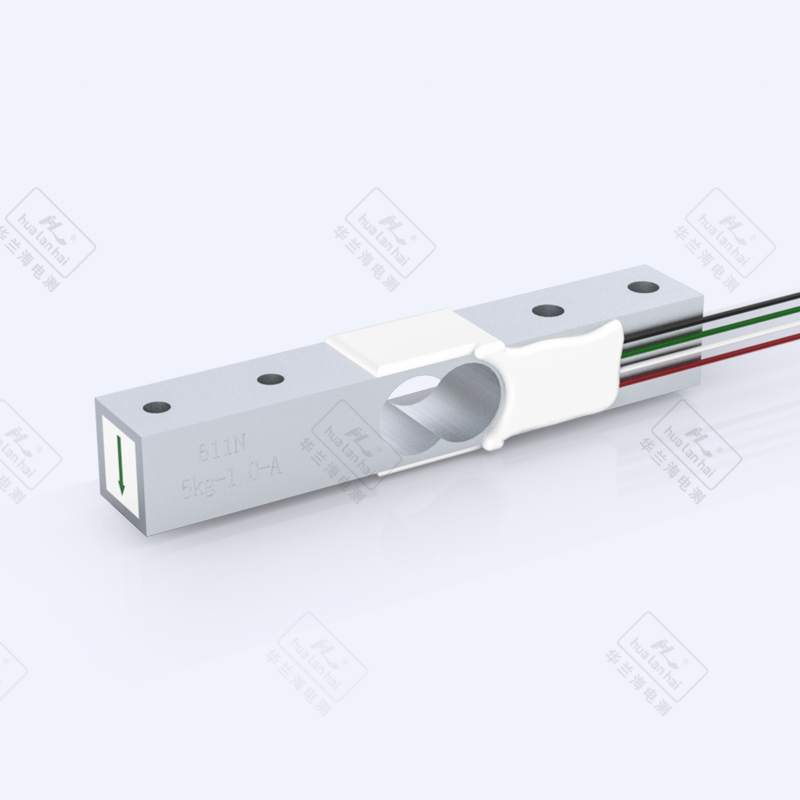
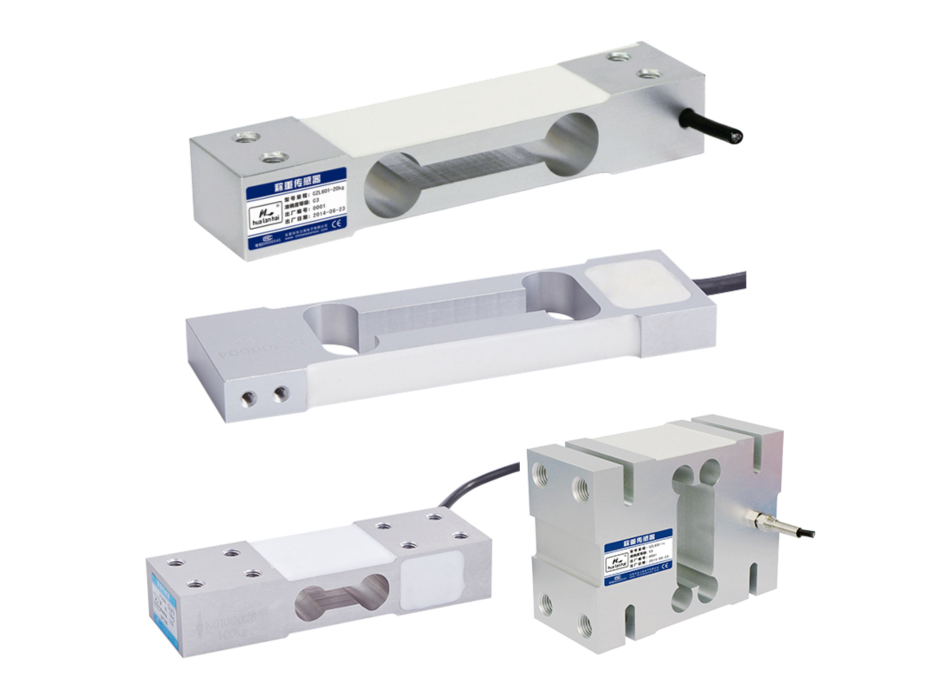
Miniature Weighing Sensor: Precision Measurement Solutions for Space-Critical Applications

All Categories

Get a Free Quote

Our representative will contact you soon.
Email
Name
Company Name
WhatsApp
Message
0/1000

miniature weighing sensor

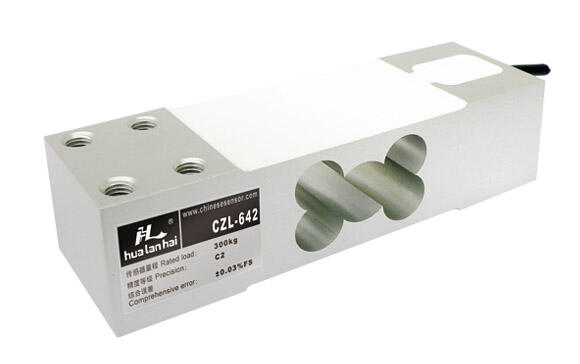
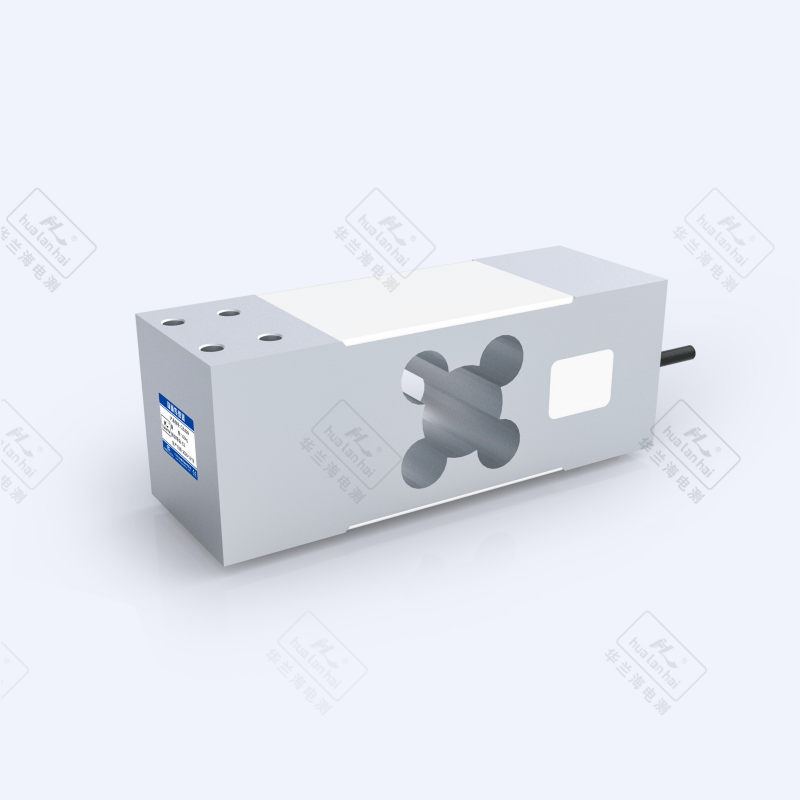
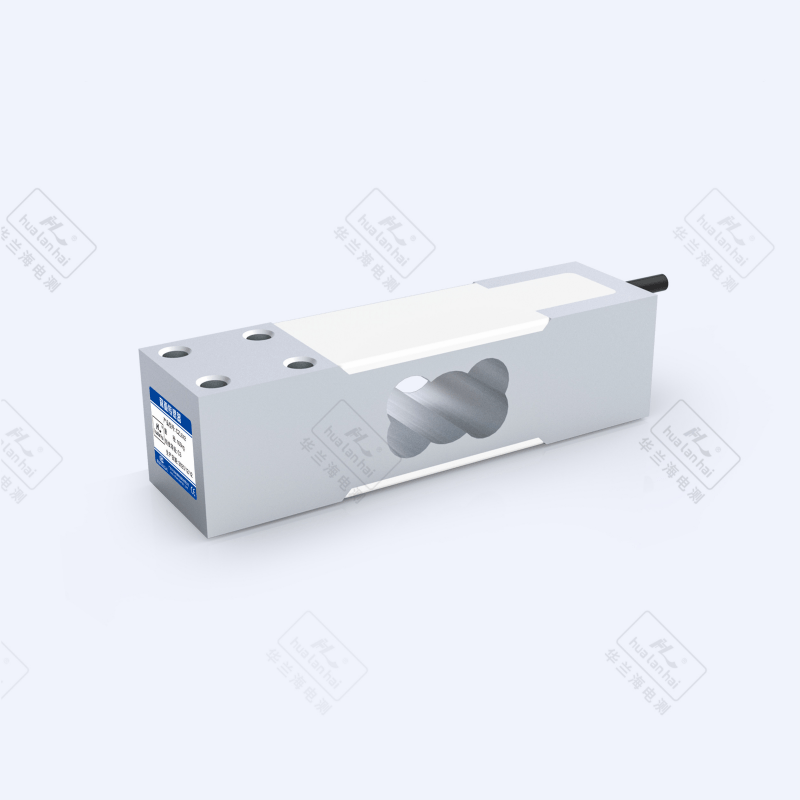
The miniature weighing sensor represents a breakthrough in precision measurement technology, designed to deliver accurate weight readings in extremely compact form factors. These sophisticated devices combine advanced load cell technology with modern electronics to provide reliable weight measurements in applications where space constraints are critical. The miniature weighing sensor operates on strain gauge principles, utilizing micro-fabricated resistive elements that change electrical resistance when subjected to mechanical stress. This fundamental technology enables the sensor to detect minute weight variations with exceptional precision, making it ideal for applications requiring both accuracy and size efficiency. The core functionality of the miniature weighing sensor encompasses real-time weight detection, signal amplification, and digital output conversion. These sensors feature integrated signal conditioning circuits that process raw strain gauge signals into standardized output formats, including analog voltage, current loops, or digital communication protocols. The technological architecture incorporates temperature compensation mechanisms to maintain accuracy across varying environmental conditions, ensuring consistent performance regardless of ambient temperature fluctuations. Modern miniature weighing sensors employ advanced materials such as stainless steel construction for durability and corrosion resistance, while maintaining the compact dimensions essential for space-limited installations. The applications for miniature weighing sensors span numerous industries, from medical device manufacturing to aerospace engineering. In laboratory settings, these sensors enable precise measurement of chemical compounds and biological samples where traditional scales prove too bulky. Manufacturing processes benefit from inline weight monitoring capabilities, allowing for quality control and process optimization without disrupting production flow. The automotive industry utilizes miniature weighing sensors for component testing and fuel system monitoring, while consumer electronics incorporate these devices for smart home applications and portable measurement solutions.

Popular Products

The miniature weighing sensor offers compelling advantages that transform how businesses approach weight measurement challenges in space-constrained environments. The primary benefit lies in the exceptional space efficiency these sensors provide, allowing integration into applications where traditional weighing systems simply cannot fit. This compact design does not compromise accuracy, delivering precision measurements that rival larger, conventional load cells while occupying a fraction of the space. The installation process becomes significantly simplified with miniature weighing sensors, as their small footprint requires minimal mounting hardware and can be easily incorporated into existing systems without extensive modifications. This ease of integration translates directly into reduced installation costs and shorter project timelines, providing immediate value for businesses seeking efficient measurement solutions. The durability of miniature weighing sensors stands out as another major advantage, with robust construction designed to withstand harsh operating conditions while maintaining measurement accuracy over extended periods. This reliability reduces maintenance requirements and replacement costs, contributing to lower total cost of ownership compared to alternative measurement technologies. The versatility of miniature weighing sensors enables deployment across diverse applications, from precision laboratory work to industrial automation systems. Their ability to function effectively in various environments makes them valuable investments for businesses with multiple measurement needs. The real-time monitoring capabilities of these sensors provide immediate feedback for process control and quality assurance applications, enabling faster decision-making and improved operational efficiency. This responsiveness helps businesses maintain consistent product quality while reducing waste and improving overall productivity. The digital connectivity options available with modern miniature weighing sensors facilitate seamless integration with existing data acquisition systems and industrial networks. This connectivity enables remote monitoring, data logging, and integration with enterprise resource planning systems, providing valuable insights into operational performance. The cost-effectiveness of miniature weighing sensors becomes apparent when considering their long-term performance and versatility. While initial investment may vary, the combination of accuracy, durability, and space efficiency delivers exceptional return on investment through improved operational efficiency and reduced maintenance requirements. The scalability of these sensors allows businesses to implement comprehensive monitoring solutions without significant infrastructure changes, supporting growth and expansion plans effectively.

Practical Tips

Guide to Selecting Load Cells

25

Nov

Guide to Selecting Load Cells

View More
Selection Method of Resistance Strain Gauges

25

Nov

Selection Method of Resistance Strain Gauges

View More

Get a Free Quote

Our representative will contact you soon.
Email
Name
Company Name
WhatsApp
Message
0/1000

miniature weighing sensor

Unmatched Precision in Compact Design

Unmatched Precision in Compact Design

The miniature weighing sensor delivers extraordinary measurement precision within an incredibly small form factor, representing a significant technological achievement in load cell engineering. This remarkable combination of accuracy and compactness stems from advanced micro-fabrication techniques that create strain gauge elements with exceptional sensitivity to mechanical deformation. The precision capabilities of these sensors typically range from milligram resolution to multi-kilogram capacity, depending on the specific model and application requirements. The compact design philosophy behind miniature weighing sensors addresses a critical market need for accurate weight measurement in space-limited applications. Traditional load cells often require substantial mounting space and supporting infrastructure, making them unsuitable for many modern applications where size constraints are paramount. The miniature weighing sensor overcomes these limitations by incorporating all necessary measurement components within a significantly reduced envelope, typically measuring just a few centimeters in diameter and height. The precision achieved by these sensors results from sophisticated signal processing algorithms that filter noise and compensate for environmental factors that could affect measurement accuracy. Advanced temperature compensation techniques ensure that thermal variations do not introduce measurement errors, maintaining consistent performance across operating temperature ranges that would challenge conventional sensors. The miniature design incorporates high-quality materials and precision manufacturing processes that maintain structural integrity while minimizing size. Stainless steel construction provides excellent durability and corrosion resistance, ensuring long-term accuracy even in challenging environmental conditions. The calibration procedures for miniature weighing sensors utilize traceable reference standards, guaranteeing measurement accuracy that meets or exceeds industry specifications. This meticulous attention to calibration ensures that users can rely on consistent, accurate measurements for critical applications where precision is essential. The combination of compact size and exceptional accuracy opens new possibilities for weight measurement in applications previously considered impractical, enabling innovation across multiple industries and expanding the scope of precision measurement capabilities in modern technology applications.
Seamless Integration and Connectivity

Seamless Integration and Connectivity

The miniature weighing sensor excels in integration flexibility, offering multiple connectivity options and mounting configurations that simplify implementation across diverse applications and systems. Modern miniature weighing sensors feature advanced digital communication protocols including RS-485, Modbus, Ethernet, and wireless connectivity options that enable seamless integration with existing control systems and data acquisition networks. This connectivity versatility eliminates the need for complex interface hardware and reduces installation complexity while ensuring reliable data transmission. The mounting options available with miniature weighing sensors accommodate various installation requirements, from direct surface mounting to threaded connections and custom brackets. This flexibility allows engineers to incorporate these sensors into existing equipment without significant modifications, reducing implementation costs and project timelines. The standardized mounting interfaces ensure compatibility with common fastening systems, simplifying the selection process and reducing the need for custom hardware solutions. The signal conditioning capabilities built into modern miniature weighing sensors eliminate the need for external amplification and filtering equipment, reducing system complexity and potential failure points. Integrated analog-to-digital conversion provides clean, stable output signals that interface directly with modern control systems and monitoring equipment. The calibration and configuration options available through digital interfaces allow users to customize sensor behavior for specific applications without hardware modifications. This software-based approach to sensor configuration provides flexibility for changing requirements and enables fine-tuning of performance parameters to optimize accuracy for specific measurement ranges. The diagnostic capabilities integrated into advanced miniature weighing sensors provide real-time monitoring of sensor health and performance, enabling predictive maintenance and reducing unexpected downtime. These diagnostic features include temperature monitoring, signal quality assessment, and calibration drift detection, providing valuable information for maintaining measurement accuracy over extended operating periods. The compatibility with industrial automation protocols ensures that miniature weighing sensors can participate in comprehensive manufacturing execution systems and quality control networks. This integration capability enables automated data collection, statistical process control, and real-time quality monitoring that improves overall manufacturing efficiency and product consistency.
Cost-Effective Long-Term Solution

Cost-Effective Long-Term Solution

The miniature weighing sensor provides exceptional long-term value through reduced total cost of ownership, minimal maintenance requirements, and versatile application capabilities that maximize return on investment. The initial cost advantage of miniature weighing sensors becomes apparent when considering the reduced infrastructure requirements compared to traditional weighing systems. These compact sensors eliminate the need for extensive mounting hardware, specialized enclosures, and complex installation procedures that add significant costs to conventional load cell implementations. The simplified installation process reduces labor costs and project timelines, providing immediate cost savings during system deployment. The maintenance advantages of miniature weighing sensors contribute significantly to long-term cost effectiveness. The robust construction and sealed design protect internal components from environmental contamination, reducing the frequency of calibration and maintenance interventions. The absence of moving parts eliminates wear-related failures common in mechanical weighing systems, ensuring consistent performance over extended operating periods without expensive repairs or replacements. The energy efficiency of modern miniature weighing sensors reduces operating costs, particularly in battery-powered or remote monitoring applications. Low power consumption extends battery life and reduces the frequency of maintenance visits for remote installations, contributing to lower operational expenses. The digital output capabilities eliminate the need for expensive signal conditioning equipment and reduce installation complexity, further contributing to cost savings. The versatility of miniature weighing sensors enables deployment across multiple applications within a single facility, maximizing the return on initial investment. The standardized mounting and connectivity options allow sensors to be relocated or repurposed as operational requirements change, extending their useful life and reducing the need for additional equipment purchases. The scalability of these sensors supports incremental system expansion without requiring complete system redesigns, protecting initial investments while accommodating growth. The accuracy and reliability of miniature weighing sensors contribute to improved process efficiency and reduced waste, providing ongoing operational benefits that compound over time. Precise weight monitoring enables better inventory control, reduces material waste, and improves product quality, all of which contribute to improved profitability. The data logging and connectivity capabilities support comprehensive process monitoring and optimization efforts that identify additional cost-saving opportunities and efficiency improvements throughout operations.
Get a Free Quote

Our representative will contact you soon.
Email
Name
Company Name
WhatsApp
Message
0/1000