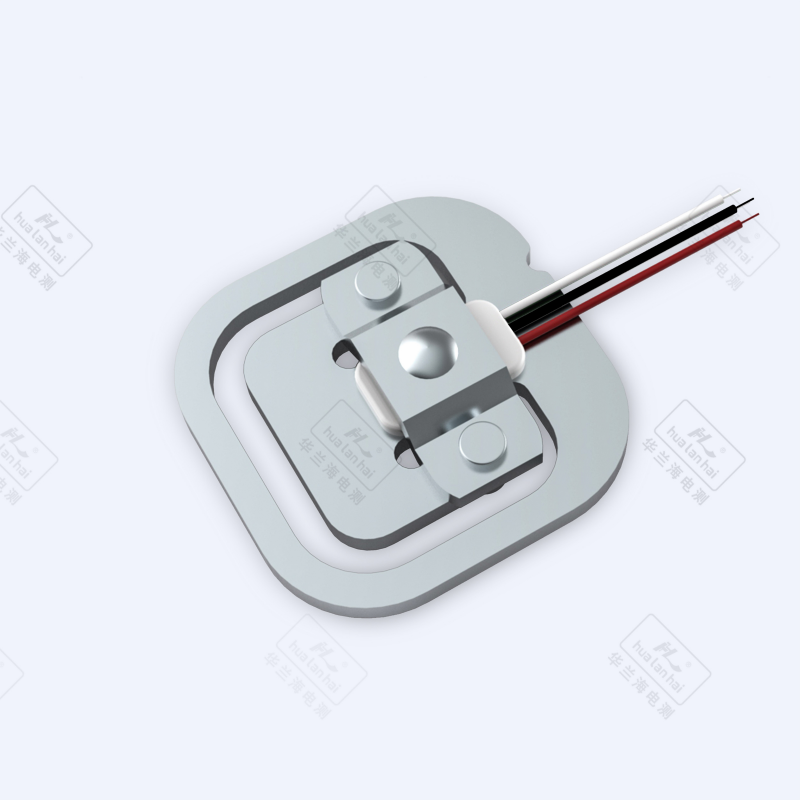
High Temperature Weighing Sensor: Precision Weight Measurement for Extreme Industrial Environments

All Categories

Get a Free Quote

Our representative will contact you soon.
Email
Name
Company Name
WhatsApp
Message
0/1000

high temperature weighing sensor

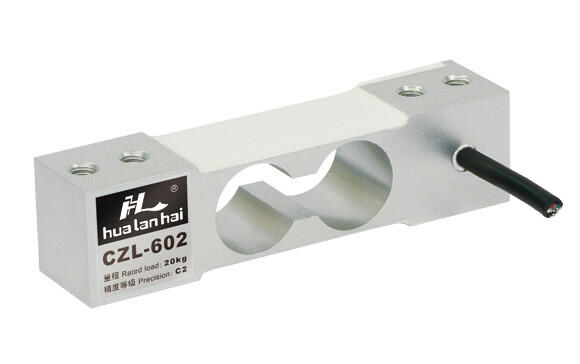
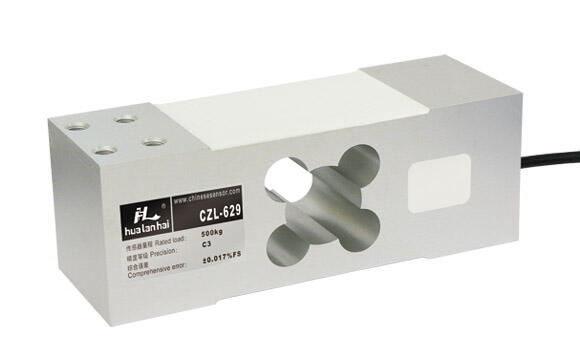
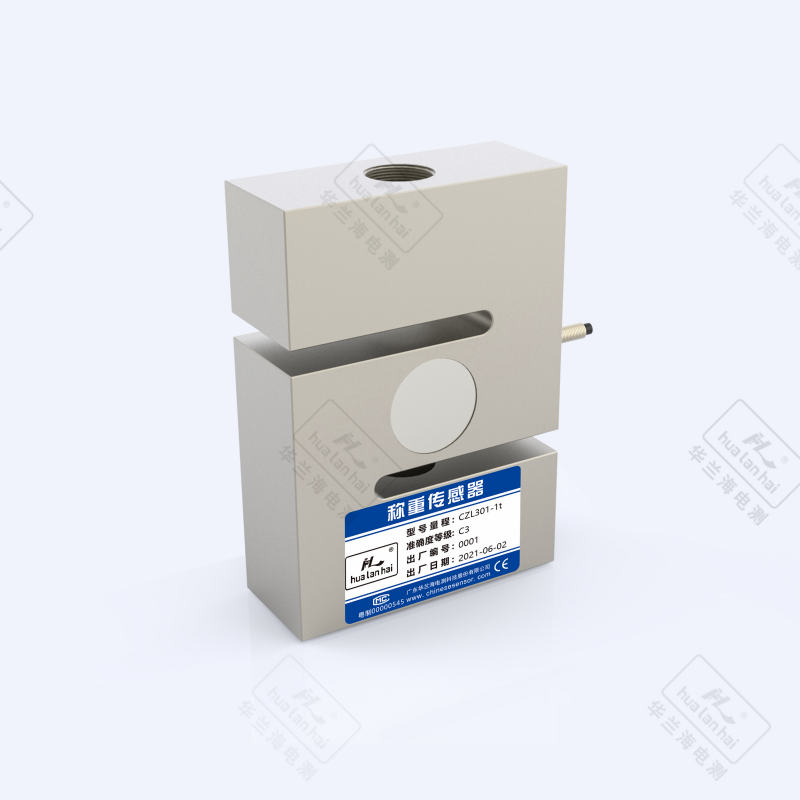
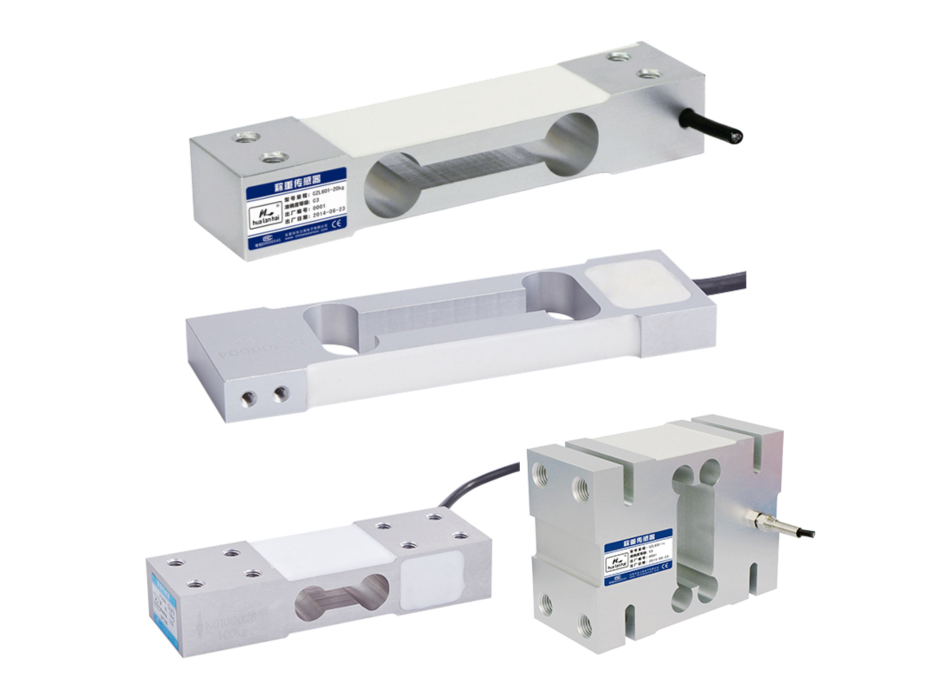
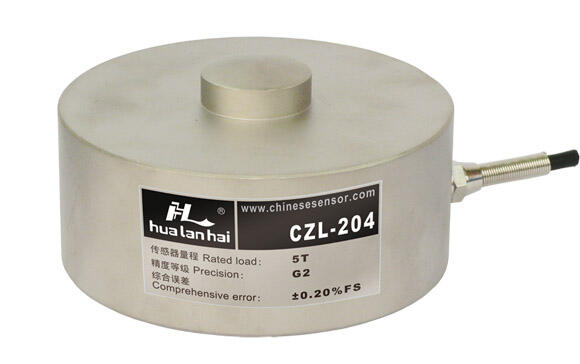
A high temperature weighing sensor represents a specialized precision instrument designed to deliver accurate weight measurements in extreme thermal environments where conventional weighing equipment fails to operate effectively. These robust sensors are engineered to withstand temperatures ranging from 200°C to over 1000°C, making them indispensable for industrial applications that require precise weight monitoring under harsh thermal conditions. The core functionality of a high temperature weighing sensor revolves around its ability to maintain measurement accuracy while exposed to elevated temperatures that would typically damage standard load cells and weighing components. These sensors incorporate advanced materials and sophisticated engineering techniques to ensure consistent performance in challenging environments. The technological framework of high temperature weighing sensors includes specialized strain gauge technology, heat-resistant alloys, and innovative thermal compensation mechanisms. The strain gauges are constructed using materials that maintain their electrical properties at elevated temperatures, while the sensor housing utilizes high-grade stainless steel or specialized alloys that resist thermal expansion and corrosion. Temperature compensation algorithms are integrated into the sensor design to automatically adjust readings based on ambient thermal conditions, ensuring measurement precision remains constant across varying temperature ranges. High temperature weighing sensors find extensive applications across multiple industries including metal processing, glass manufacturing, ceramic production, foundries, and chemical processing facilities. In steel mills, these sensors monitor molten metal quantities during casting operations. Glass manufacturers rely on them for batch weighing in furnace operations. Ceramic industries utilize these sensors for kiln monitoring and material handling processes. The automotive industry employs high temperature weighing sensors in die-casting operations and heat treatment processes. Food processing facilities use them in high-temperature cooking and sterilization equipment. These sensors provide real-time weight data that enables process optimization, quality control, and safety monitoring in extreme temperature environments where traditional weighing solutions cannot function reliably.

New Product Recommendations

High temperature weighing sensors offer numerous practical benefits that directly impact operational efficiency and cost-effectiveness for businesses operating in extreme thermal environments. These sensors eliminate the need for costly cooling systems or remote mounting arrangements that traditional weighing equipment requires when exposed to high temperatures. This direct installation capability reduces system complexity and maintenance requirements while providing more accurate measurements by eliminating mechanical linkages that can introduce measurement errors. The durability of high temperature weighing sensors significantly reduces replacement costs and downtime associated with equipment failure in harsh environments. Unlike standard load cells that require frequent replacement when exposed to elevated temperatures, these specialized sensors maintain their performance characteristics for extended periods, resulting in lower total cost of ownership. Their robust construction minimizes calibration drift, ensuring measurement accuracy remains consistent over time without requiring frequent recalibration procedures. Operational safety improves considerably when using high temperature weighing sensors because they eliminate the risk of equipment failure that could lead to process disruptions or safety hazards. These sensors provide continuous monitoring capabilities that enable operators to detect potential issues before they become critical problems. Real-time weight data allows for immediate process adjustments, preventing material waste and ensuring product quality consistency. The improved measurement accuracy of high temperature weighing sensors directly translates to better process control and reduced material waste. Precise weight measurements enable manufacturers to optimize material usage, reduce production costs, and maintain consistent product quality. This accuracy is particularly valuable in industries where material costs are significant or where product specifications require tight weight tolerances. Installation flexibility represents another major advantage, as these sensors can be integrated directly into existing high-temperature processes without requiring extensive modifications or additional cooling infrastructure. This seamless integration capability reduces installation costs and implementation time while providing immediate access to critical weight data. The sensors' ability to function reliably in extreme environments also eliminates the need for complex protective enclosures or remote sensing arrangements that can compromise measurement accuracy. Energy efficiency improves when high temperature weighing sensors replace systems that require cooling or remote mounting, as they eliminate the power consumption associated with cooling equipment and reduce the overall system footprint.

Latest News

Guide to Selecting Load Cells

25

Nov

Guide to Selecting Load Cells

View More

Get a Free Quote

Our representative will contact you soon.
Email
Name
Company Name
WhatsApp
Message
0/1000

high temperature weighing sensor

Advanced Thermal Resistance Technology

Advanced Thermal Resistance Technology

The cornerstone of high temperature weighing sensor performance lies in their revolutionary thermal resistance technology that enables continuous operation in extreme temperature environments exceeding 1000°C. This advanced technology incorporates specially formulated strain gauge alloys that maintain their electrical properties and measurement sensitivity across wide temperature ranges without experiencing the drift and degradation common in standard weighing components. The sensor housing utilizes aerospace-grade materials including Inconel, Hastelloy, and specialized stainless steel alloys that resist thermal expansion, oxidation, and corrosion even under prolonged exposure to extreme heat. The strain gauge elements are manufactured using proprietary metal film technology that bonds directly to the sensor substrate, creating a permanent connection that withstands thermal cycling without losing adhesion or developing micro-cracks that could compromise measurement accuracy. Temperature compensation algorithms are embedded within the sensor electronics to automatically adjust readings based on real-time thermal conditions, ensuring measurement precision remains consistent regardless of temperature fluctuations. This compensation system continuously monitors internal sensor temperature and applies mathematical corrections that account for material property changes at elevated temperatures. The thermal isolation design prevents heat transfer from affecting the sensitive measurement electronics while allowing the strain gauge elements to accurately detect weight-induced deformation. Special attention is paid to thermal shock resistance, enabling these sensors to withstand rapid temperature changes that occur during process startup, shutdown, or emergency cooling situations. The advanced thermal barrier coatings protect critical sensor components from direct heat exposure while maintaining measurement sensitivity. This comprehensive thermal management system ensures that high temperature weighing sensors deliver reliable, accurate measurements throughout their operational lifespan, even in the most demanding industrial environments where temperature extremes would render conventional weighing equipment completely inoperable.
Precision Measurement Under Extreme Conditions

Precision Measurement Under Extreme Conditions

High temperature weighing sensors deliver exceptional measurement precision that remains stable and reliable even when operating under the most challenging thermal conditions where conventional weighing equipment fails completely. The precision capabilities of these sensors stem from their sophisticated strain gauge configuration and advanced signal processing technology that compensates for thermal effects while maintaining measurement resolution typically within 0.01% of full scale capacity. This remarkable precision is achieved through carefully calibrated strain gauge networks that utilize temperature-stable materials and geometric configurations optimized for high-temperature operation. The sensor design incorporates multiple redundant measurement elements that provide cross-verification of weight readings and enable automatic error detection and correction. Digital signal processing algorithms filter out thermal noise and vibration interference that could affect measurement accuracy in industrial environments. The measurement system employs high-resolution analog-to-digital converters and sophisticated filtering techniques that extract genuine weight signals from the complex electrical environment present in high-temperature industrial settings. Calibration procedures for high temperature weighing sensors involve testing across the entire operational temperature range to ensure accuracy specifications are met at all operating conditions. This comprehensive calibration process creates temperature-specific correction factors that are stored in the sensor memory and applied automatically during operation. The precision measurement capability enables process operators to detect small weight changes that indicate process variations, material property changes, or equipment wear that could affect product quality. Real-time measurement data provides immediate feedback for process optimization, allowing operators to make precise adjustments that improve efficiency and reduce waste. The consistent accuracy of these sensors across varying temperature conditions eliminates measurement uncertainty that could lead to process control issues or product quality problems. This precision measurement capability is particularly valuable in applications where small weight changes have significant economic or safety implications, such as precious metal processing, pharmaceutical manufacturing, or chemical reactor monitoring where precise material balance is critical for process safety and product quality.
Enhanced Industrial Integration Capabilities

Enhanced Industrial Integration Capabilities

High temperature weighing sensors feature comprehensive industrial integration capabilities that seamlessly connect with existing process control systems, data acquisition networks, and automation platforms without requiring extensive modifications or specialized interface equipment. These sensors incorporate multiple communication protocols including analog voltage and current outputs, digital RS-485, Ethernet, and fieldbus communication options that ensure compatibility with virtually any industrial control system. The integration flexibility extends to mechanical mounting options, with standardized connection interfaces that allow direct replacement of existing weighing components while providing enhanced high-temperature performance capabilities. Advanced sensor models include built-in web servers and network connectivity that enable remote monitoring and configuration through standard web browsers, eliminating the need for specialized software or proprietary communication tools. The sensors support industry-standard communication protocols such as Modbus, Profibus, and DeviceNet, ensuring seamless integration with programmable logic controllers, distributed control systems, and supervisory control and data acquisition systems commonly used in industrial facilities. Real-time data streaming capabilities allow continuous weight monitoring with configurable sampling rates and data logging functions that support process optimization and quality assurance requirements. The integration package includes comprehensive software development kits and application programming interfaces that enable custom software development for specialized applications. These sensors provide configurable alarm outputs and relay contacts for immediate response to weight threshold violations or sensor fault conditions. The industrial integration capabilities extend to calibration and configuration procedures that can be performed remotely through network connections, reducing maintenance requirements and minimizing process interruptions. Advanced diagnostic features continuously monitor sensor health and provide predictive maintenance alerts that help prevent unexpected failures and optimize maintenance scheduling. The robust electrical design ensures reliable communication and control signal integrity even in harsh electromagnetic environments common in heavy industrial facilities. These comprehensive integration capabilities enable manufacturers to implement sophisticated weight-based process control strategies that improve product quality, reduce waste, and enhance operational efficiency while maintaining full compatibility with existing industrial infrastructure and control systems.
Get a Free Quote

Our representative will contact you soon.
Email
Name
Company Name
WhatsApp
Message
0/1000