Advanced Weight Transducer Sensors - Precision Measurement Solutions for Industrial Applications

All Categories

Get a Free Quote

Our representative will contact you soon.
Email
Name
Company Name
WhatsApp
Message
0/1000

weight transducer sensor

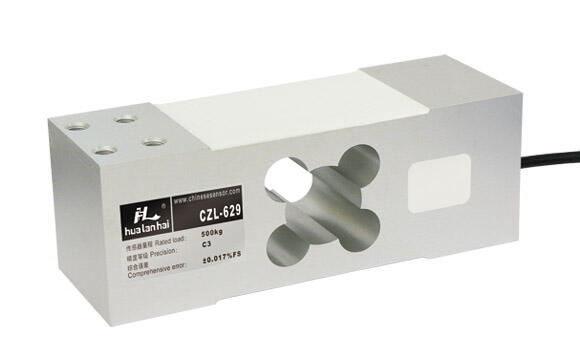
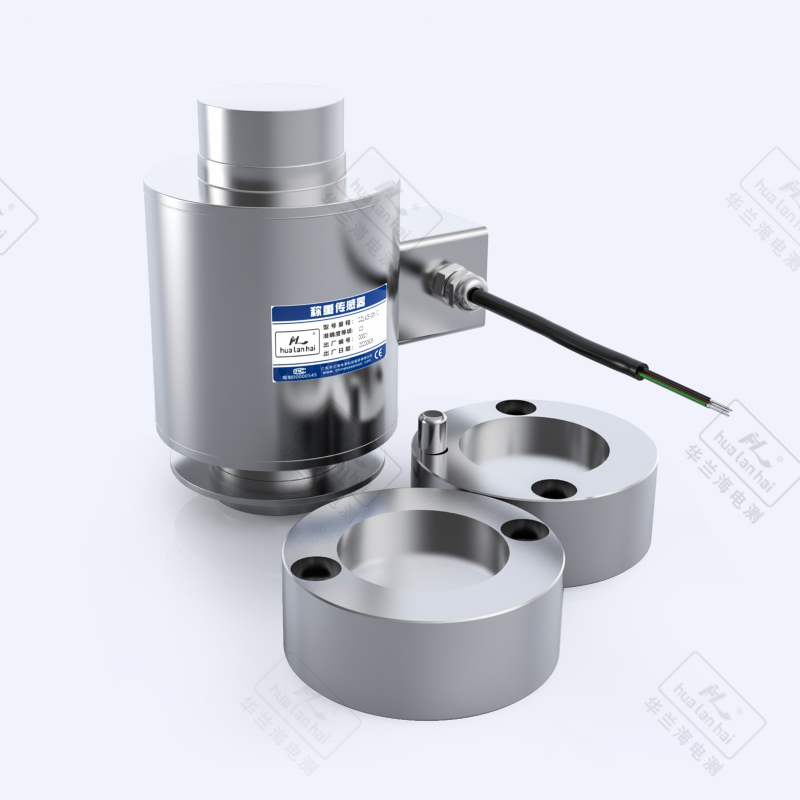
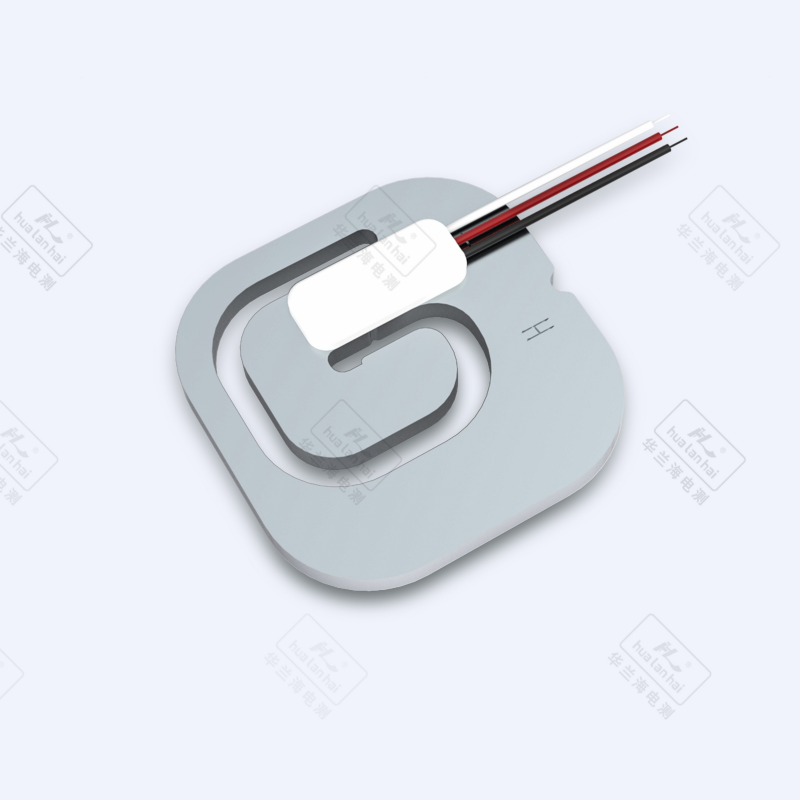
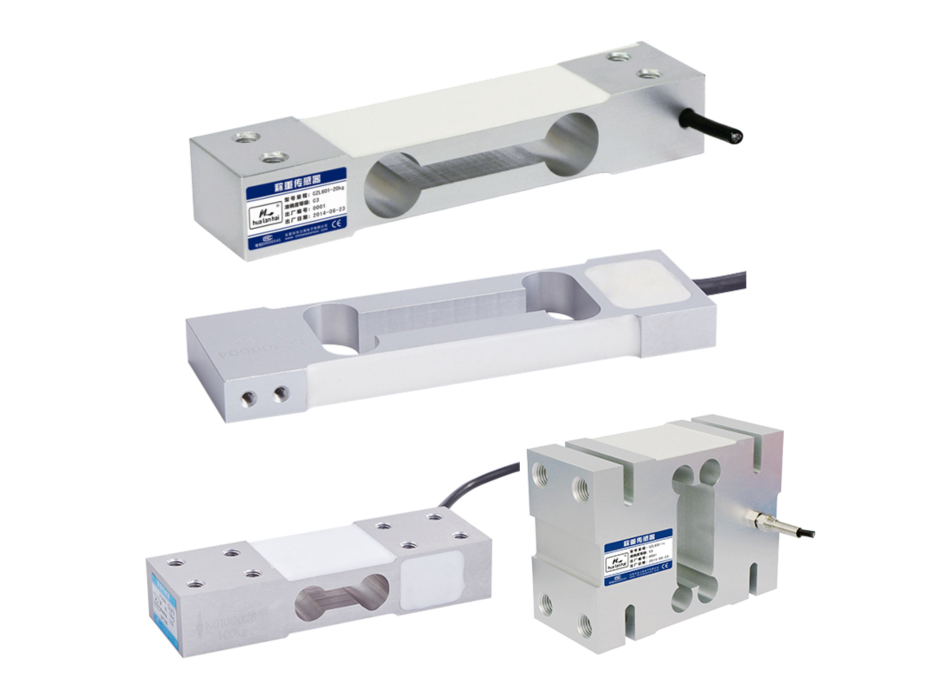
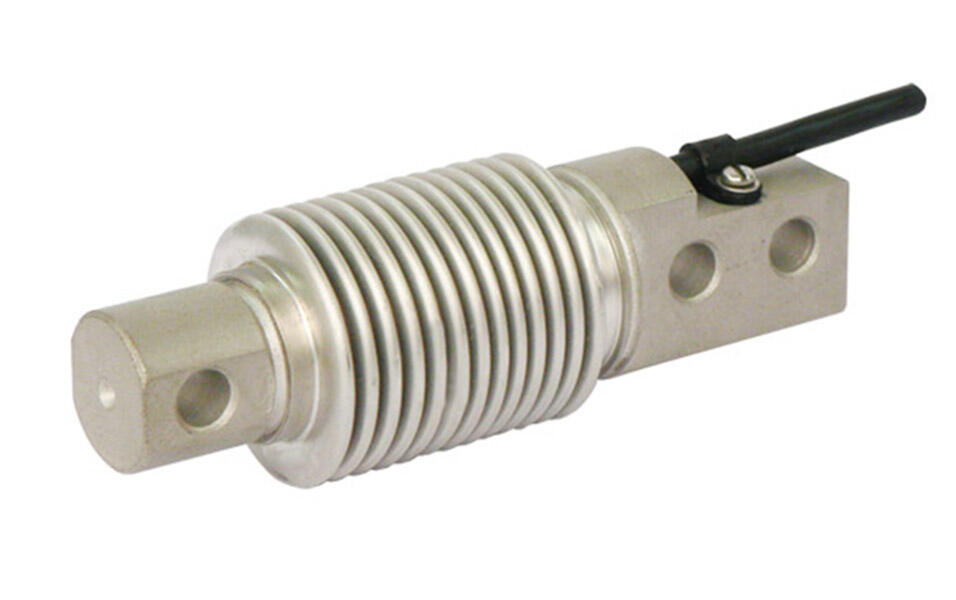
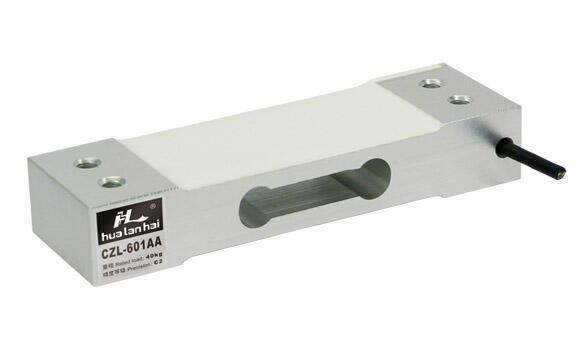
A weight transducer sensor represents a sophisticated measuring instrument that converts applied force or weight into measurable electrical signals. This advanced device operates on various technological principles, including strain gauge technology, load cell mechanisms, and piezoelectric systems, to deliver precise weight measurements across diverse industrial and commercial environments. The weight transducer sensor functions by detecting mechanical deformation caused by applied loads and transforming this physical change into proportional electrical output signals that can be processed, displayed, and recorded by connected monitoring systems. Modern weight transducer sensors incorporate high-precision components that ensure exceptional accuracy and reliability in demanding operational conditions. These sensors feature robust construction materials, typically utilizing aluminum alloy or stainless steel housings that provide excellent resistance to environmental factors such as moisture, temperature fluctuations, and mechanical stress. The technological architecture of weight transducer sensors includes integrated amplification circuits, temperature compensation mechanisms, and digital signal processing capabilities that enhance measurement stability and reduce external interference effects. Applications for weight transducer sensors span numerous industries, including manufacturing automation, logistics and warehousing, agricultural machinery, medical equipment, aerospace systems, and transportation infrastructure. In industrial settings, these sensors enable automated weighing processes, inventory management, quality control procedures, and production monitoring systems. The weight transducer sensor technology supports both static and dynamic weighing applications, accommodating everything from precise laboratory measurements to heavy-duty industrial weighing operations. Advanced models feature wireless connectivity options, allowing seamless integration with modern IoT platforms and remote monitoring systems. The versatility of weight transducer sensors makes them indispensable components in contemporary measurement and control systems, where accurate weight detection directly impacts operational efficiency, safety protocols, and regulatory compliance requirements.
Popular Products

Weight transducer sensors deliver exceptional measurement accuracy that significantly surpasses traditional mechanical weighing methods. These advanced devices provide consistent readings with minimal deviation, ensuring reliable data collection for critical applications. The precision capabilities of weight transducer sensors enable businesses to maintain strict quality control standards, reduce material waste, and optimize production processes through accurate weight monitoring. Users benefit from real-time measurement capabilities that eliminate waiting periods associated with conventional weighing systems. The instantaneous response of weight transducer sensors allows immediate detection of weight changes, facilitating rapid decision-making and process adjustments. This immediate feedback capability proves particularly valuable in automated production lines, where continuous monitoring ensures optimal performance and prevents costly errors. Installation and maintenance requirements for weight transducer sensors remain remarkably straightforward compared to complex mechanical alternatives. The compact design and simplified mounting procedures reduce installation time and associated labor costs. Many weight transducer sensors feature plug-and-play connectivity that streamlines system integration without requiring extensive technical expertise. Regular maintenance involves basic cleaning procedures and periodic calibration checks, minimizing operational downtime and maintenance expenses. The durability characteristics of weight transducer sensors provide long-term value through extended operational lifespans. These robust devices withstand harsh environmental conditions, including extreme temperatures, humidity variations, and mechanical vibrations that would compromise traditional weighing equipment. The solid-state construction eliminates moving parts that typically require frequent replacement, reducing ongoing maintenance costs and system failures. Weight transducer sensors offer superior cost-effectiveness through reduced operational expenses and improved measurement efficiency. The initial investment in these advanced sensors generates substantial returns through enhanced productivity, reduced waste, improved quality control, and decreased maintenance requirements. Businesses experience significant savings in labor costs, material losses, and equipment replacement expenses. The digital output capabilities of weight transducer sensors facilitate seamless integration with modern automation systems, eliminating the need for manual data recording and reducing human error potential. This digital connectivity enables comprehensive data logging, trend analysis, and remote monitoring capabilities that enhance operational visibility and control. The scalability of weight transducer sensor systems allows easy expansion to accommodate growing business needs without requiring complete system overhauls.

Latest News

Conquering The

25

Nov

Conquering The "Bottleneck" Technologies Is The Greatest Motivation

View More
Guide to Selecting Load Cells

25

Nov

Guide to Selecting Load Cells

View More

Get a Free Quote

Our representative will contact you soon.
Email
Name
Company Name
WhatsApp
Message
0/1000

weight transducer sensor

High-Precision Measurement Technology

High-Precision Measurement Technology

Weight transducer sensors utilize cutting-edge strain gauge technology and advanced signal processing algorithms to deliver unparalleled measurement precision across diverse applications. The sophisticated sensing elements within these devices respond to minute force variations with exceptional sensitivity, providing measurement resolutions that extend to decimal point accuracy levels. This high-precision capability stems from carefully calibrated resistance networks that detect microscopic deformations in the sensor structure when subjected to applied loads. The integrated amplification circuits enhance signal strength while maintaining measurement integrity, ensuring consistent performance even in electrically noisy industrial environments. Temperature compensation mechanisms automatically adjust measurements to account for thermal expansion effects, maintaining accuracy across wide operating temperature ranges. The digital signal processing capabilities filter out electrical interference and mechanical vibrations that could compromise measurement stability. This precision technology enables quality control applications where exact weight specifications must be maintained within tight tolerances. Manufacturing processes benefit significantly from this accuracy, as even minor weight deviations can indicate material inconsistencies, production anomalies, or equipment malfunctions. The precision characteristics of weight transducer sensors support regulatory compliance requirements in industries such as pharmaceuticals, food processing, and chemical manufacturing, where accurate measurements directly impact product safety and efficacy. Laboratory applications utilize this precision for research activities, formulation development, and analytical procedures that demand exacting measurement standards. The repeatability performance of these sensors ensures consistent results across multiple measurement cycles, building confidence in data reliability for critical decision-making processes. Advanced calibration procedures establish traceability to national measurement standards, providing documented accuracy credentials that satisfy quality assurance protocols and regulatory auditing requirements.
Robust Environmental Resistance

Robust Environmental Resistance

Weight transducer sensors feature exceptional environmental resistance capabilities that ensure reliable operation in challenging industrial conditions where traditional measuring equipment would fail. The rugged construction employs high-grade materials specifically selected for their resistance to corrosive substances, extreme temperatures, mechanical shock, and electromagnetic interference. Stainless steel and aluminum alloy housings provide superior protection against chemical exposure, moisture infiltration, and physical damage from impacts or vibrations. The sealed enclosure designs achieve high ingress protection ratings, preventing dust, water, and other contaminants from compromising internal components. These environmental protection features enable deployment in outdoor applications, marine environments, food processing facilities, chemical plants, and other demanding locations where harsh conditions are prevalent. Temperature stability mechanisms ensure consistent performance across wide operating ranges, from freezing cold storage facilities to high-temperature industrial processes. The thermal compensation systems automatically adjust for material expansion effects, maintaining measurement accuracy regardless of ambient temperature fluctuations. Shock and vibration resistance capabilities allow installation on mobile equipment, conveyor systems, and machinery that generates significant mechanical disturbances. The electromagnetic compatibility design minimizes interference from nearby electrical equipment, motors, and wireless communication systems that could affect measurement accuracy. This robust environmental resistance translates to reduced maintenance requirements, extended service life, and consistent performance reliability that minimizes operational disruptions. The weatherproof characteristics support outdoor installations without requiring expensive protective enclosures or climate-controlled environments. These durability features provide significant value in applications where equipment replacement costs, accessibility challenges, or safety considerations make frequent maintenance impractical or expensive.
Seamless Digital Integration

Seamless Digital Integration

Weight transducer sensors incorporate advanced digital communication capabilities that enable effortless integration with modern automation systems, data acquisition networks, and IoT platforms. The standardized output protocols, including analog voltage signals, digital communication interfaces, and wireless connectivity options, ensure compatibility with diverse monitoring and control systems. These digital integration features eliminate the need for complex signal conditioning equipment or custom interface development, significantly reducing system implementation costs and complexity. The real-time data transmission capabilities enable immediate response to weight changes, supporting automated control processes, alarm systems, and process optimization algorithms. Many weight transducer sensors feature built-in microprocessors that provide local data processing, filtering, and formatting functions, reducing the computational load on central control systems. The standardized communication protocols, such as Modbus, Ethernet, and wireless standards, facilitate integration with existing industrial networks without requiring specialized programming expertise. This connectivity enables comprehensive data logging capabilities that support trend analysis, predictive maintenance, and performance optimization initiatives. The digital output eliminates transcription errors associated with manual data recording while providing timestamped measurements for traceability and audit purposes. Remote monitoring capabilities allow supervisory personnel to access weight data from multiple locations, enhancing operational visibility and enabling rapid response to abnormal conditions. The scalable architecture supports both single-sensor installations and complex multi-point weighing systems that can be configured and managed through centralized software platforms. Integration with cloud-based analytics platforms enables advanced data analysis, machine learning applications, and predictive analytics that optimize operational performance. The plug-and-play compatibility reduces installation time and technical requirements, allowing rapid deployment and system expansion as operational needs evolve.

Get a Free Quote

Our representative will contact you soon.
Email
Name
Company Name
WhatsApp
Message
0/1000