Single Strain Gauge Technology - Precision Strain Measurement Solutions for Industrial Applications

All Categories

Get a Free Quote

Our representative will contact you soon.
Email
Name
Company Name
WhatsApp
Message
0/1000

single strain gauge

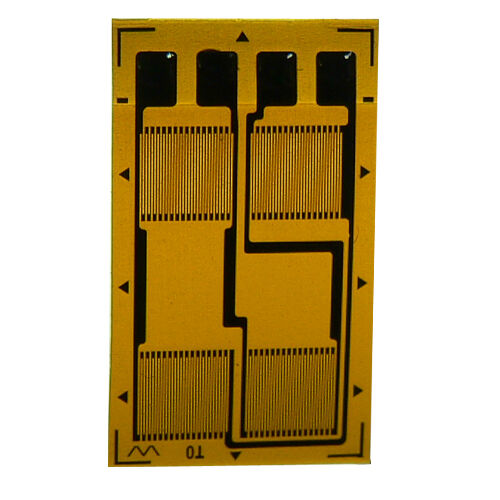
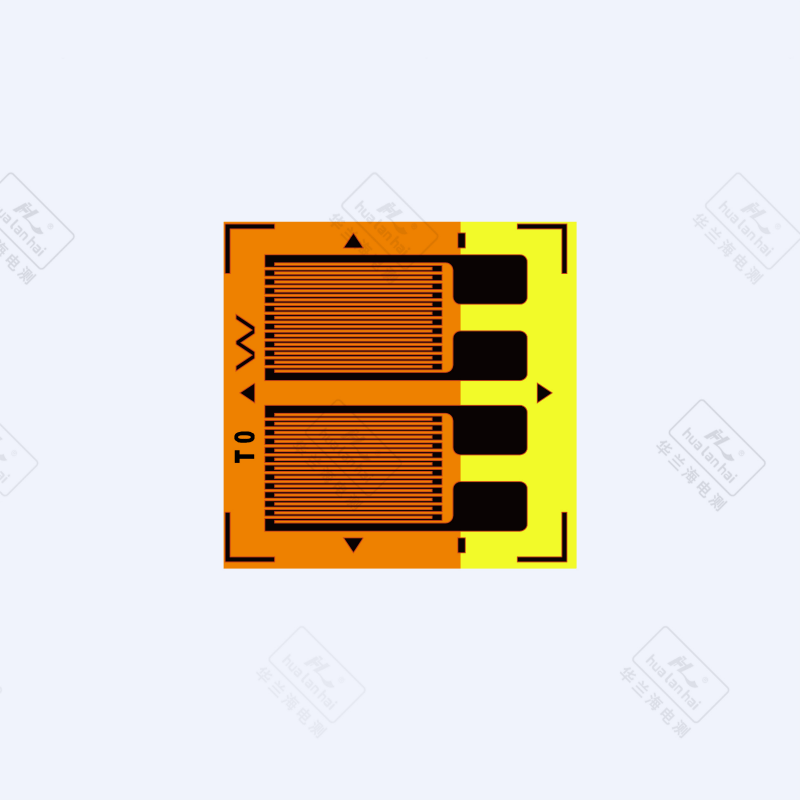
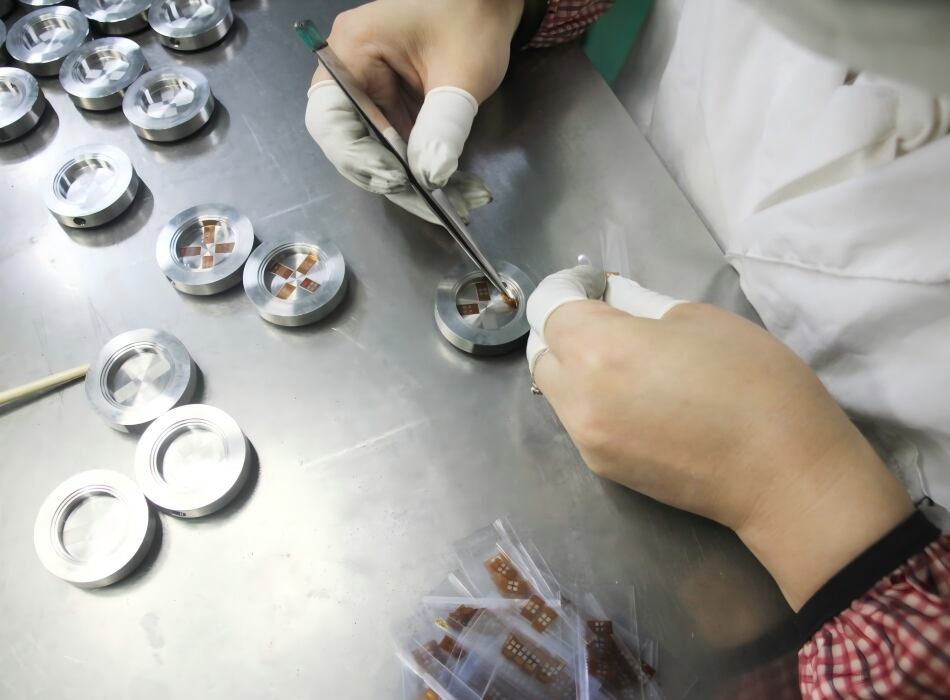
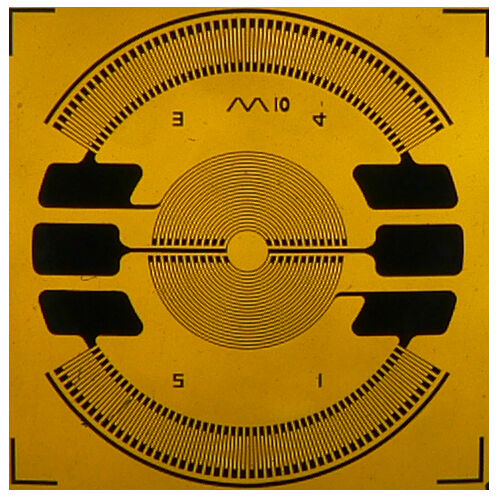
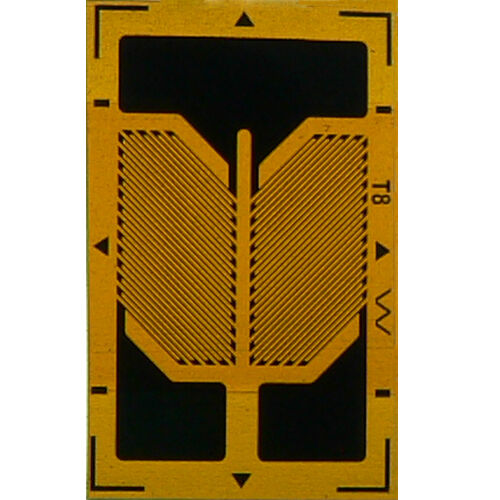
A single strain gauge represents a fundamental sensing technology that measures mechanical strain by detecting minute deformations in materials under applied forces. This precision instrument operates on the principle of electrical resistance change, where mechanical strain causes proportional variations in the gauge's resistance value. The single strain gauge consists of a thin metallic foil or wire pattern bonded to a flexible backing material, typically polyimide or fiberglass, which adheres directly to the test surface. When the monitored structure experiences stress, the single strain gauge deforms correspondingly, altering its electrical resistance in a predictable manner. This resistance change gets measured using specialized instrumentation, providing accurate strain data for engineering analysis. The technological foundation of a single strain gauge relies on the piezoresistive effect, where mechanical deformation directly influences electrical conductivity. Modern single strain gauge designs incorporate advanced metallurgy and manufacturing processes to achieve exceptional sensitivity and stability. The gauge factor, typically ranging from 2.0 to 2.1 for metallic foil gauges, determines the sensitivity relationship between mechanical strain and resistance change. Temperature compensation features ensure measurement accuracy across varying environmental conditions. Single strain gauge applications span numerous industries including aerospace, automotive, civil engineering, and materials testing. These devices excel in structural health monitoring, load measurement, torque sensing, and stress analysis applications. Manufacturing facilities utilize single strain gauge technology for quality control and product validation testing. Research laboratories depend on these instruments for material characterization and experimental mechanics studies. The versatility of a single strain gauge makes it indispensable for both static and dynamic strain measurements, accommodating frequencies from DC to several kilohertz depending on the specific model and installation requirements.
New Product Recommendations

Single strain gauge technology delivers exceptional measurement precision that surpasses many alternative sensing methods in mechanical testing applications. The inherent accuracy of a single strain gauge stems from its direct mechanical coupling with the test specimen, eliminating intermediate transmission losses that plague other measurement techniques. This direct contact approach ensures that every micro-strain registers faithfully in the electrical output signal. Cost-effectiveness represents another compelling advantage of single strain gauge systems, particularly when compared to complex optical or laser-based measurement alternatives. The relatively simple installation process reduces labor costs and project timelines significantly. A single strain gauge requires minimal supporting infrastructure, often needing only basic signal conditioning equipment and data acquisition systems. This simplicity translates into lower initial investment costs and reduced maintenance requirements over the instrument's operational lifetime. Reliability forms the cornerstone of single strain gauge performance, with properly installed units delivering consistent measurements for years without degradation. The robust construction withstands harsh environmental conditions including temperature extremes, humidity variations, and mechanical vibrations. Quality single strain gauge products undergo rigorous testing protocols to ensure long-term stability and measurement repeatability. The small physical footprint of a single strain gauge allows installation in confined spaces where larger sensors cannot fit, expanding measurement possibilities in complex mechanical systems. Flexibility in mounting options accommodates various surface geometries and material types, from smooth metal surfaces to textured composite materials. The lightweight design minimizes mass loading effects on delicate structures, preserving the natural dynamic characteristics of the test specimen. Real-time data acquisition capabilities enable continuous monitoring applications where immediate response to changing conditions is critical. A single strain gauge can detect strain changes within microseconds, making it suitable for high-speed dynamic testing scenarios. The linear response characteristics simplify data interpretation and reduce processing complexity in automated systems. Calibration procedures for single strain gauge installations are straightforward and well-established, ensuring measurement traceability to national standards. The wide operating temperature range accommodates applications from cryogenic conditions to elevated temperatures exceeding 200 degrees Celsius with appropriate gauge selections.

Latest News

Guide to Selecting Load Cells

25

Nov

Guide to Selecting Load Cells

View More
Selection Method of Resistance Strain Gauges

25

Nov

Selection Method of Resistance Strain Gauges

View More

Get a Free Quote

Our representative will contact you soon.
Email
Name
Company Name
WhatsApp
Message
0/1000

single strain gauge

Unmatched Precision and Sensitivity in Strain Measurement

Unmatched Precision and Sensitivity in Strain Measurement

The single strain gauge stands as the gold standard for precision strain measurement, delivering unparalleled sensitivity that captures the smallest mechanical deformations with remarkable accuracy. This extraordinary precision stems from the fundamental design principles that govern single strain gauge operation, where even microscopic changes in material dimensions translate directly into measurable electrical signals. The gauge factor of a single strain gauge, typically maintained at 2.0 to 2.1 for premium metallic foil designs, ensures consistent and predictable response characteristics across the entire measurement range. This high sensitivity enables detection of strain levels as low as 1 microstrain, equivalent to a length change of just 1 millionth of the original dimension. Such precision proves invaluable in applications where minute structural changes indicate critical performance parameters or potential failure modes. The manufacturing process for a single strain gauge involves sophisticated photolithographic techniques that create precise conductor patterns with tolerances measured in micrometers. This meticulous fabrication ensures uniform electrical properties throughout the sensing element, eliminating variations that could compromise measurement accuracy. Advanced quality control procedures verify each single strain gauge batch against stringent specifications, guaranteeing consistent performance across production runs. The thermal characteristics of a single strain gauge receive careful engineering attention to minimize temperature-induced errors that could mask actual strain signals. Self-temperature compensation techniques integrated into the gauge design automatically correct for thermal expansion effects, maintaining measurement accuracy across wide temperature ranges. The frequency response capabilities of a single strain gauge extend well into the kilohertz range, enabling accurate measurement of both static loads and high-frequency dynamic events. This broad frequency bandwidth makes the single strain gauge suitable for applications ranging from creep testing that occurs over months or years to impact testing completed within milliseconds. The signal-to-noise ratio achieved by quality single strain gauge systems exceeds 1000:1 under typical operating conditions, ensuring that actual strain signals clearly distinguish from electrical interference or environmental noise.
Versatile Installation and Application Flexibility

Versatile Installation and Application Flexibility

The exceptional versatility of single strain gauge technology enables successful implementation across an incredibly diverse range of applications, materials, and environmental conditions that would challenge or defeat alternative measurement approaches. This adaptability stems from the compact physical dimensions and flexible mounting characteristics that allow a single strain gauge to conform to virtually any surface geometry or material composition. Whether applied to flat metal plates, curved cylindrical surfaces, or complex three-dimensional structures, the single strain gauge maintains intimate contact with the test specimen to ensure accurate strain transfer. The bonding process for single strain gauge installation utilizes advanced adhesive systems specifically formulated to create permanent, high-strength connections that survive extreme environmental conditions while maintaining electrical integrity. These specialized adhesives cure to form bonds stronger than many structural materials, ensuring that the single strain gauge becomes an integral part of the monitored structure rather than a superficial addition. The installation process accommodates both temporary measurement campaigns and permanent monitoring installations, with appropriate surface preparation and adhesive selection tailored to the specific application requirements. Surface preparation techniques for single strain gauge bonding range from simple cleaning procedures for laboratory specimens to comprehensive surface treatment protocols for field installations on weathered structures. The flexibility extends to electrical connection methods, where a single strain gauge can utilize various lead wire configurations, from traditional copper conductors to specialized high-temperature alloys for extreme environment applications. Wireless telemetry options eliminate the need for physical wire connections in remote or rotating applications, expanding the practical deployment possibilities for single strain gauge systems. The chemical resistance properties of modern single strain gauge designs enable operation in corrosive environments that would quickly destroy conventional sensors, including exposure to acids, bases, solvents, and salt spray conditions. Waterproof encapsulation techniques protect the single strain gauge from moisture ingress while maintaining the thermal and mechanical properties necessary for accurate measurements. Temperature compensation methods automatically adjust for thermal effects, allowing single strain gauge operation from cryogenic temperatures approaching absolute zero to elevated temperatures exceeding 300 degrees Celsius with specialized high-temperature variants.
Superior Long-Term Stability and Reliability

Superior Long-Term Stability and Reliability

The remarkable long-term stability and reliability of single strain gauge technology establishes it as the preferred choice for critical monitoring applications where measurement consistency over extended periods is paramount to system safety and performance validation. This exceptional stability results from carefully engineered materials and manufacturing processes that minimize drift, hysteresis, and degradation mechanisms that commonly affect other sensing technologies. The metallurgical properties of single strain gauge conductor materials undergo precise control during production to achieve optimal grain structure and stress relief, eliminating internal material changes that could alter resistance characteristics over time. Accelerated aging tests verify that quality single strain gauge products maintain their calibration accuracy within specified tolerances for decades under normal operating conditions, providing confidence for long-term structural monitoring applications. The fatigue resistance of single strain gauge designs enables millions of strain cycles without measurable degradation in sensitivity or accuracy, making them ideal for dynamic loading applications such as fatigue testing or vibration monitoring. This exceptional fatigue life stems from careful optimization of the conductor geometry and backing material properties to minimize stress concentrations that could initiate crack formation. The moisture resistance capabilities of properly installed single strain gauge systems prevent the ingress of water vapor that could cause corrosion or electrical leakage, maintaining signal integrity even in high-humidity environments or underwater applications. Environmental sealing techniques create hermetic barriers that protect the sensitive electrical components while preserving the mechanical properties necessary for accurate strain transmission. The thermal stability of single strain gauge materials ensures consistent performance across temperature cycles that would cause significant drift in other sensor types, with thermal coefficient matching between conductor and backing materials minimizing temperature-induced zero shifts. Creep resistance properties prevent long-term dimensional changes in the backing material that could introduce measurement errors during extended monitoring campaigns. The electrical stability of single strain gauge circuits resists degradation from electromagnetic interference, power supply variations, and ground loop currents that commonly affect sensitive measurement systems. Shielding techniques and proper grounding practices further enhance the immunity to electrical noise sources. Quality assurance programs for single strain gauge manufacturing include comprehensive testing protocols that verify resistance to shock, vibration, thermal cycling, and chemical exposure, ensuring reliable operation under the most demanding field conditions.

Get a Free Quote

Our representative will contact you soon.
Email
Name
Company Name
WhatsApp
Message
0/1000