Metal Strain Gauge: Precision Measurement Solutions for Industrial Applications

All Categories

Get a Free Quote

Our representative will contact you soon.
Email
Name
Company Name
WhatsApp
Message
0/1000

metal strain gauge

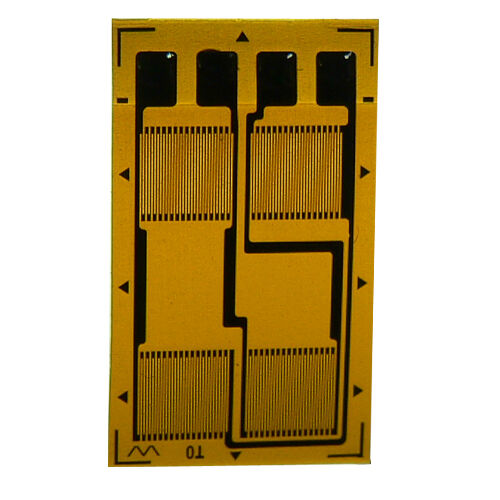
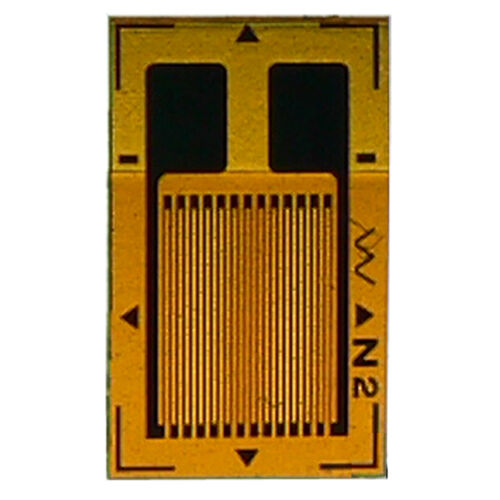
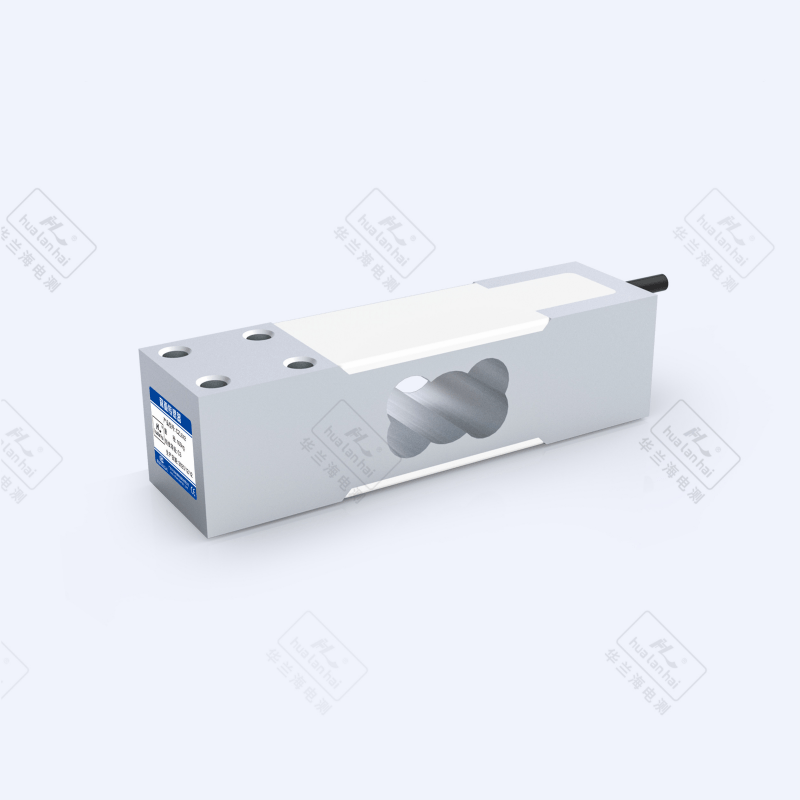
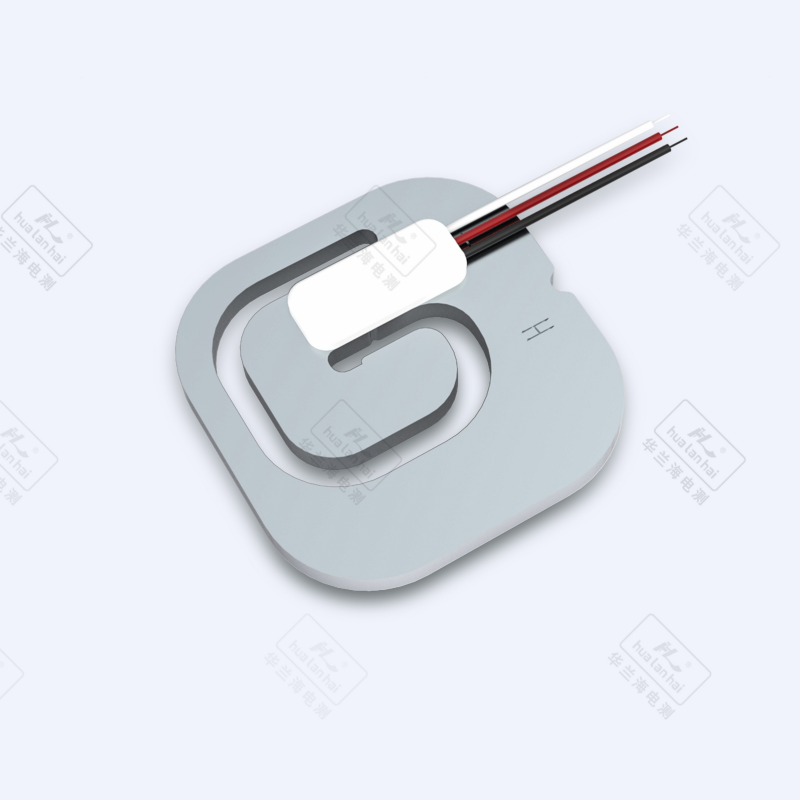
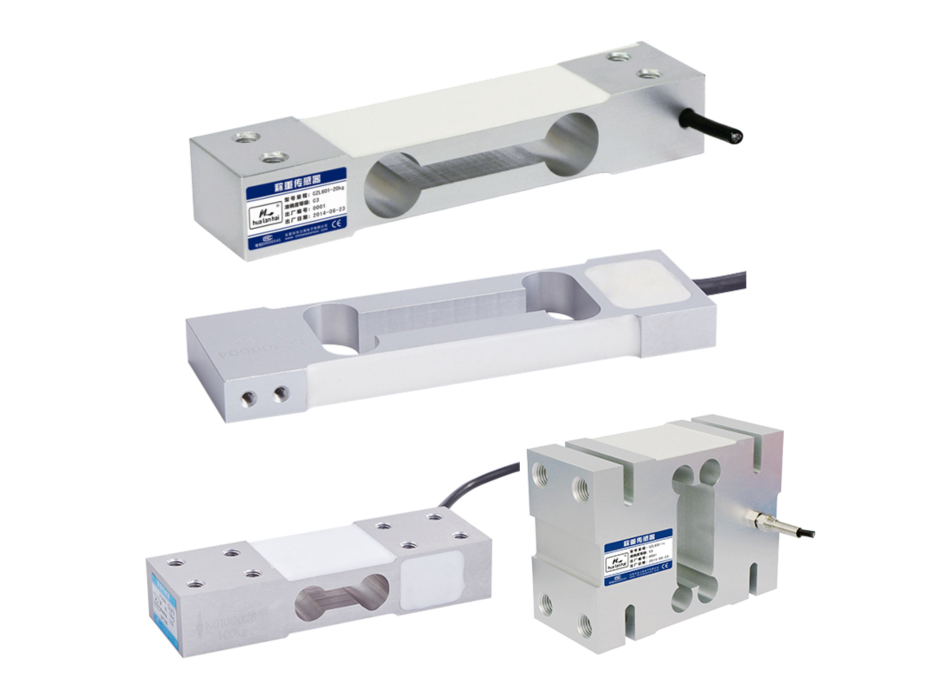
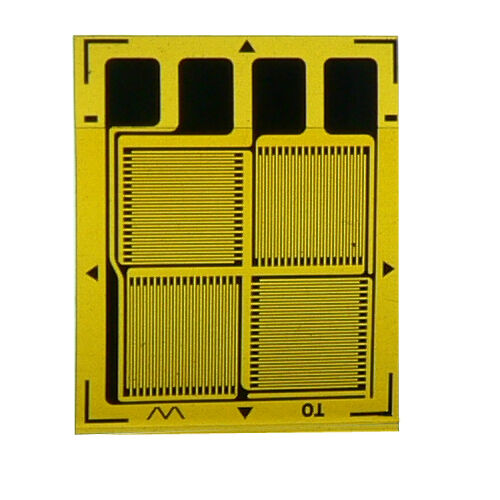
A metal strain gauge represents a fundamental measurement device that detects mechanical deformation in materials and structures through electrical resistance changes. This precision instrument consists of a metallic foil pattern bonded to a flexible backing material, creating a sensor capable of measuring minute physical changes with exceptional accuracy. When mechanical stress affects the target material, the metal strain gauge undergoes proportional deformation, causing its electrical resistance to vary in direct correlation with the applied force or displacement. The core functionality relies on the piezoresistive effect, where the gauge's metallic elements stretch or compress alongside the test specimen, producing measurable electrical signals that engineers can interpret and analyze. Modern metal strain gauge technology incorporates advanced materials and manufacturing processes to ensure consistent performance across diverse operating conditions. These devices excel in static and dynamic measurements, making them versatile tools for both laboratory testing and field applications. The gauge factor, a critical specification, determines the sensitivity ratio between mechanical strain and electrical resistance change, typically ranging from 2.0 to 2.2 for conventional metal foil designs. Installation requires proper surface preparation and bonding techniques to achieve optimal mechanical coupling between the gauge and test surface. Environmental protection becomes essential for long-term reliability, often involving specialized encapsulation or protective coatings. Temperature compensation techniques address thermal effects that could introduce measurement errors, ensuring accurate readings across varying environmental conditions. The metal strain gauge serves multiple industries including aerospace, automotive, construction, and research facilities where precise stress analysis is crucial. Applications range from structural health monitoring of bridges and buildings to component testing in manufacturing environments. Quality control processes benefit significantly from metal strain gauge implementation, enabling real-time monitoring of production parameters and ensuring product reliability standards.

New Product Recommendations

Metal strain gauge technology delivers numerous practical benefits that make it an essential measurement tool for engineers and researchers worldwide. The primary advantage lies in its exceptional sensitivity, allowing detection of mechanical strains as small as one microstrain, which equals approximately 0.0001 percent deformation. This remarkable precision enables early detection of structural issues before they become critical problems, potentially saving thousands of dollars in repair costs and preventing catastrophic failures. The compact size of metal strain gauge units allows installation in confined spaces where other measurement methods would be impractical or impossible to implement. Unlike bulky mechanical measurement devices, these gauges can be integrated into existing structures without significant modifications or space requirements. The electrical output signal from a metal strain gauge can be easily amplified, conditioned, and transmitted over long distances without signal degradation, making remote monitoring applications highly effective. This capability proves particularly valuable in harsh or inaccessible environments where direct observation is dangerous or impractical. Cost-effectiveness represents another significant advantage, as metal strain gauge systems require minimal maintenance once properly installed and calibrated. The initial investment typically pays for itself through improved operational efficiency and reduced downtime. Real-time monitoring capabilities enable immediate response to changing conditions, allowing operators to adjust processes or take preventive action before problems escalate. The versatility of metal strain gauge technology extends across multiple measurement types, including tension, compression, bending, and torsion, eliminating the need for specialized equipment for different applications. Linear response characteristics simplify data interpretation and reduce the complexity of signal processing requirements. Temperature stability improvements in modern metal strain gauge designs ensure reliable operation across wide temperature ranges without significant drift or calibration issues. The non-intrusive nature of these measurements means that structural integrity remains uncompromised during testing procedures. Digital integration capabilities allow seamless connection to computer-based data acquisition systems, enabling automated monitoring and advanced analysis techniques that enhance decision-making processes and improve overall system performance.

Practical Tips

Conquering The

25

Nov

Conquering The "Bottleneck" Technologies Is The Greatest Motivation

View More
Guide to Selecting Load Cells

25

Nov

Guide to Selecting Load Cells

View More
Selection Method of Resistance Strain Gauges

25

Nov

Selection Method of Resistance Strain Gauges

View More

Get a Free Quote

Our representative will contact you soon.
Email
Name
Company Name
WhatsApp
Message
0/1000

metal strain gauge

Superior Measurement Accuracy and Reliability

Superior Measurement Accuracy and Reliability

The metal strain gauge stands out in the measurement industry due to its unparalleled accuracy and consistent reliability across diverse applications. This exceptional performance stems from advanced manufacturing processes that create uniform metallic foil patterns with precise geometric dimensions, ensuring consistent gauge factors and minimal measurement uncertainty. The inherent stability of metal strain gauge technology results from carefully selected alloy compositions that maintain consistent electrical properties over extended periods, reducing drift and calibration requirements. Temperature compensation techniques integrated into modern metal strain gauge designs automatically adjust for thermal effects, maintaining measurement accuracy across temperature variations that would compromise other sensing technologies. The robust construction of these devices withstand mechanical vibrations, electromagnetic interference, and environmental stresses that commonly affect industrial measurement systems. Quality control procedures during manufacturing ensure each metal strain gauge meets stringent specifications for linearity, hysteresis, and repeatability, providing users with confidence in measurement results. The predictable behavior of metal strain gauge sensors simplifies calibration procedures and reduces the time required for system setup and validation. Long-term stability testing demonstrates that properly installed metal strain gauge systems can maintain their accuracy for years without significant degradation, making them ideal for permanent monitoring installations. The ability to detect strain changes as small as one microstrain enables early warning systems that can prevent costly equipment failures and safety incidents. Multiple gauge configurations, including single elements, rosettes, and specialized patterns, allow engineers to select the optimal sensor arrangement for specific measurement requirements. Advanced bonding techniques ensure intimate mechanical coupling between the metal strain gauge and test surface, eliminating measurement errors caused by slip or inadequate adhesion. Environmental protection options, including specialized encapsulation and protective coatings, extend operational life in challenging conditions while maintaining measurement integrity throughout the service period.
Versatile Applications Across Multiple Industries

Versatile Applications Across Multiple Industries

The adaptability of metal strain gauge technology makes it an indispensable tool across numerous industries, from aerospace and automotive manufacturing to civil engineering and biomedical research. In aerospace applications, metal strain gauge sensors monitor critical components during flight testing, ensuring aircraft safety and performance optimization while providing valuable data for design improvements. The automotive industry relies on these devices for crash testing, component durability analysis, and performance validation of chassis and engine components under various operating conditions. Civil engineering projects utilize metal strain gauge systems for structural health monitoring of bridges, buildings, and dams, providing continuous surveillance that helps maintain public safety and infrastructure integrity. Manufacturing facilities implement metal strain gauge technology for quality control processes, ensuring products meet specification requirements while identifying potential production issues before they affect final product quality. Research laboratories depend on the precision and reliability of metal strain gauge measurements for materials testing, investigating mechanical properties of new alloys, composites, and other advanced materials. The medical device industry employs these sensors in prosthetic development and biomechanical research, where understanding stress distributions helps improve patient outcomes and device longevity. Marine applications benefit from metal strain gauge monitoring of ship hulls, offshore platforms, and submarine structures, where harsh environmental conditions demand robust and reliable measurement solutions. Power generation facilities use these devices to monitor turbine blades, generator housings, and support structures, ensuring operational efficiency and preventing costly unplanned maintenance. The versatility extends to specialized applications such as railway monitoring, where metal strain gauge arrays track rail stress and detect potential track failures before they cause derailments. Agricultural equipment manufacturers incorporate these sensors into machinery design to optimize performance and durability under field conditions. Sports equipment testing relies on metal strain gauge data to improve athlete performance and equipment safety, from golf club design to protective gear validation.
Cost-Effective Long-Term Monitoring Solution

Cost-Effective Long-Term Monitoring Solution

Metal strain gauge technology provides exceptional value through its cost-effective approach to long-term structural and mechanical monitoring applications. The initial investment in a metal strain gauge system typically generates substantial returns through improved operational efficiency, reduced maintenance costs, and prevention of costly equipment failures. Unlike periodic inspection methods that require regular site visits and specialized personnel, metal strain gauge installations provide continuous monitoring capabilities with minimal ongoing expenses. The durability of properly installed metal strain gauge sensors ensures reliable operation for years without replacement, significantly reducing the total cost of ownership compared to alternative measurement technologies. Remote monitoring capabilities eliminate the need for frequent site visits, reducing labor costs and minimizing disruption to normal operations while maintaining comprehensive surveillance of critical parameters. The electrical output signals from metal strain gauge sensors can be integrated into existing control systems and data acquisition networks, leveraging current infrastructure investments and reducing implementation costs. Preventive maintenance programs benefit significantly from metal strain gauge data, enabling condition-based maintenance schedules that optimize equipment life while minimizing unexpected downtime and emergency repairs. The ability to detect developing problems in their early stages allows for planned maintenance activities during scheduled shutdowns, avoiding costly emergency interventions and production losses. Energy consumption for metal strain gauge systems remains minimal compared to other monitoring technologies, contributing to lower operational expenses and reduced environmental impact. Scalability advantages allow systems to grow incrementally as monitoring requirements expand, spreading costs over time while building comprehensive measurement networks. The standardized interface protocols used by modern metal strain gauge systems facilitate integration with various data acquisition platforms, reducing software development costs and simplifying system maintenance. Training requirements for personnel operating metal strain gauge systems are relatively modest, reducing the ongoing costs associated with specialized technical expertise. The reliability and accuracy of metal strain gauge measurements reduce the risk of false alarms and unnecessary maintenance activities, further improving the cost-effectiveness of monitoring programs while ensuring genuine issues receive appropriate attention.

Get a Free Quote

Our representative will contact you soon.
Email
Name
Company Name
WhatsApp
Message
0/1000