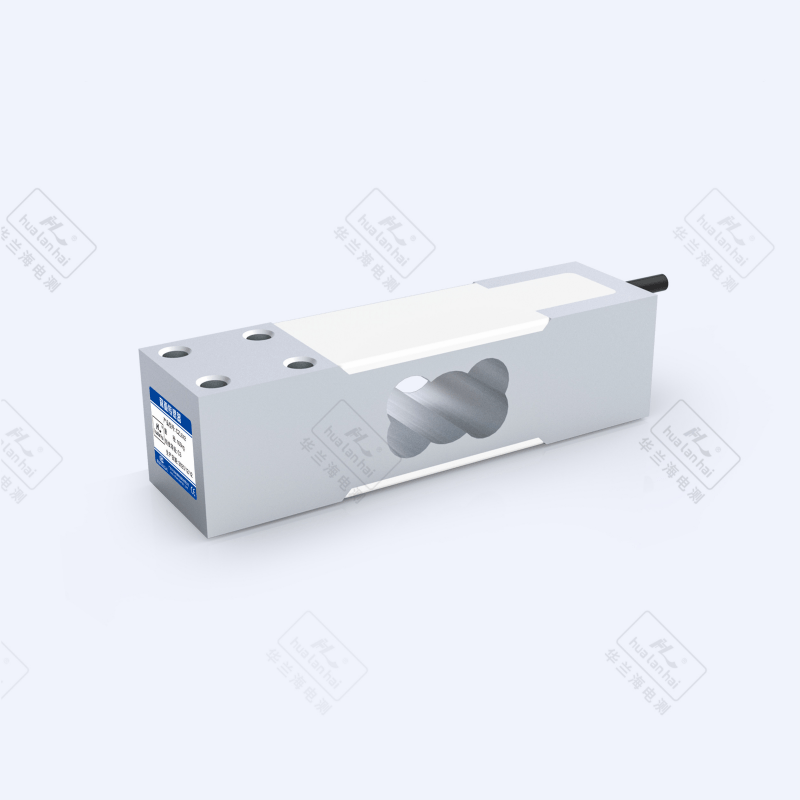
Ball Type Load Cell: Precision Force Measurement Solutions for Industrial Applications

All Categories

Get a Free Quote

Our representative will contact you soon.
Email
Name
Company Name
WhatsApp
Message
0/1000

ball type load cell

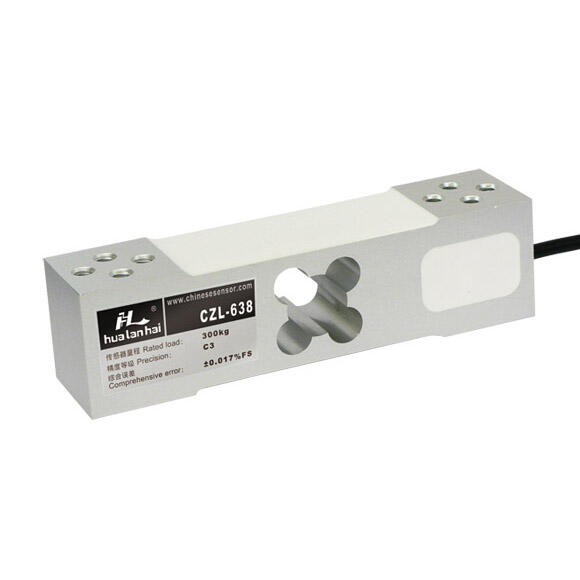
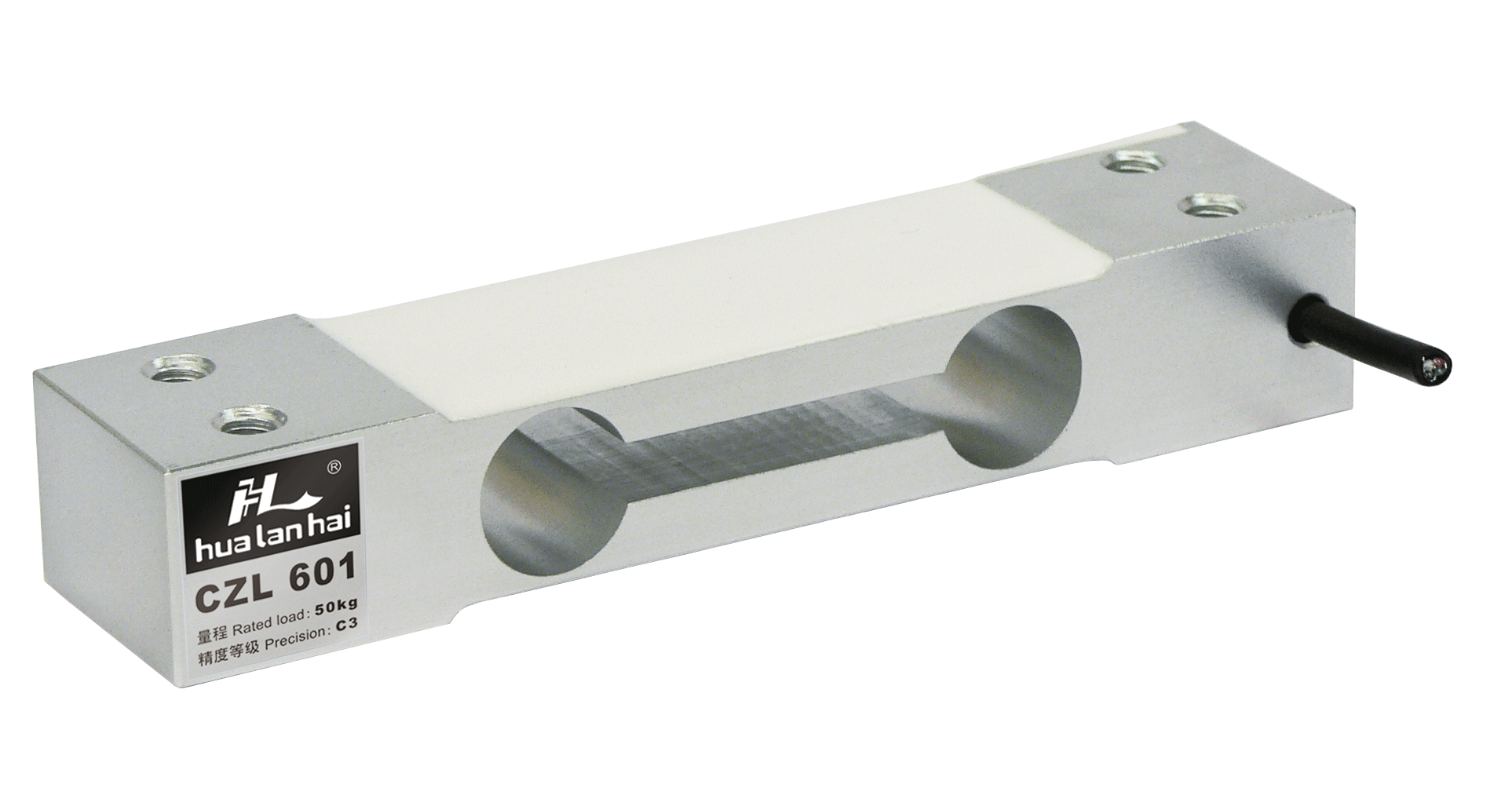
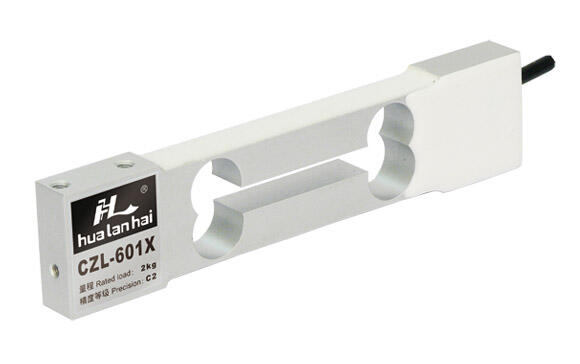
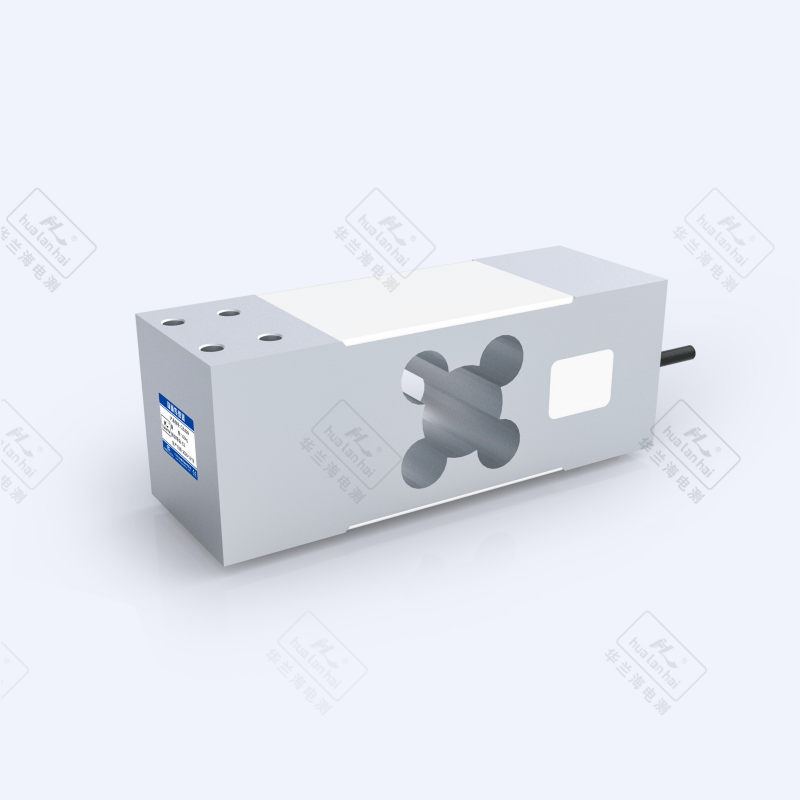
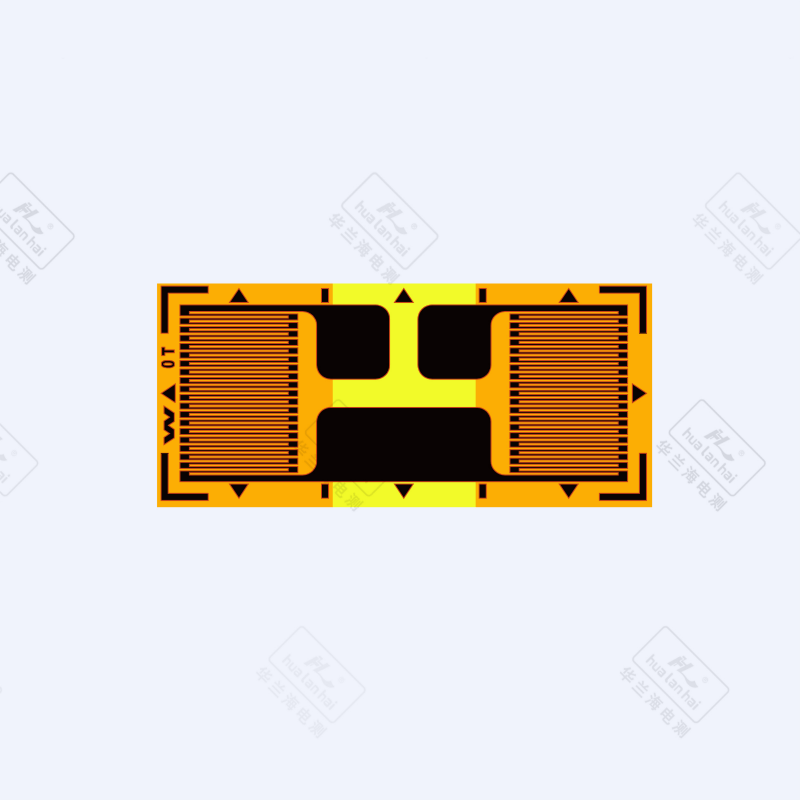
The ball type load cell represents a sophisticated force measurement solution designed to deliver exceptional accuracy and reliability in diverse industrial applications. This specialized sensor utilizes a unique spherical bearing mechanism that distributes weight evenly across its measurement surface, ensuring consistent and precise readings regardless of load positioning. The ball type load cell operates on strain gauge technology, where mechanical deformation of the sensor element generates electrical signals proportional to the applied force. The distinctive spherical design eliminates lateral forces and minimizes measurement errors caused by off-center loading, making it particularly valuable in applications where load alignment cannot be perfectly controlled. These sensors feature robust construction with high-grade materials that withstand harsh industrial environments while maintaining measurement integrity over extended periods. The ball type load cell incorporates advanced calibration systems that provide exceptional linearity and repeatability, essential for critical weighing operations. Temperature compensation technology ensures stable performance across varying environmental conditions, while sealed construction protects internal components from moisture, dust, and corrosive substances. The sensor's compact design allows for easy integration into existing systems without requiring significant structural modifications. Multiple capacity ranges accommodate different application requirements, from lightweight precision measurements to heavy industrial weighing tasks. Digital output options enable seamless connectivity with modern control systems and data acquisition equipment. The ball type load cell's self-aligning properties reduce installation complexity and maintenance requirements compared to traditional load measurement devices. Quality manufacturing processes ensure long-term stability and minimal drift, reducing calibration frequency and operational costs. These characteristics make the ball type load cell an ideal choice for applications demanding reliable force measurement with minimal maintenance intervention.

New Product Releases

The ball type load cell offers numerous practical benefits that directly impact operational efficiency and measurement accuracy for businesses across various industries. The primary advantage lies in its exceptional tolerance to misalignment, which significantly reduces installation complexity and ongoing maintenance requirements. Unlike conventional load cells that demand precise alignment during installation, the ball type load cell's spherical bearing design automatically compensates for minor positioning errors, allowing technicians to complete installations faster with less specialized expertise. This self-aligning capability translates into reduced labor costs and shorter system downtime during installation or replacement procedures. The enhanced accuracy provided by the ball type load cell stems from its ability to eliminate lateral force interference, which commonly affects traditional load measurement systems. This improved precision enables businesses to maintain tighter quality control standards and reduce material waste in production processes. The robust construction of the ball type load cell ensures reliable performance in challenging environments where temperature fluctuations, vibration, and contamination typically compromise measurement accuracy. This durability extends equipment lifespan and reduces replacement frequency, resulting in lower total cost of ownership over time. The compact design facilitates retrofitting into existing systems without requiring extensive structural modifications, minimizing upgrade costs and implementation time. Digital connectivity options enable real-time monitoring and data logging capabilities, supporting predictive maintenance programs and quality assurance protocols. The ball type load cell's stable output characteristics reduce calibration requirements, decreasing operational disruptions and maintenance expenses. Multiple capacity options allow businesses to select sensors that precisely match their application requirements, optimizing measurement resolution and system performance. The sealed construction protects against environmental contamination, ensuring consistent performance in harsh industrial settings where dust, moisture, and chemicals pose constant challenges. Quick response time enables dynamic weighing applications and improves process efficiency in high-speed production environments. The ball type load cell's proven reliability reduces measurement uncertainty and supports compliance with stringent industry standards and regulatory requirements.

Tips And Tricks

Conquering The

25

Nov

Conquering The "Bottleneck" Technologies Is The Greatest Motivation

View More

Get a Free Quote

Our representative will contact you soon.
Email
Name
Company Name
WhatsApp
Message
0/1000

ball type load cell

Superior Misalignment Tolerance and Installation Flexibility

Superior Misalignment Tolerance and Installation Flexibility

The ball type load cell's revolutionary spherical bearing design represents a significant breakthrough in force measurement technology, providing unmatched tolerance to installation misalignment and load positioning variations. This innovative feature addresses one of the most persistent challenges in industrial weighing applications where perfect load alignment is difficult or impossible to achieve. The spherical bearing mechanism allows the sensor to accommodate angular misalignments up to several degrees without compromising measurement accuracy, a capability that traditional load cells simply cannot match. This tolerance dramatically simplifies installation procedures, as technicians no longer need to achieve perfect alignment during mounting, reducing installation time by up to 50 percent compared to conventional systems. The self-centering action of the ball type load cell automatically adjusts to load variations, ensuring consistent contact and uniform force distribution regardless of how the weight is applied. This characteristic proves invaluable in applications such as tank weighing, where thermal expansion, wind loading, and structural settling can cause significant misalignment over time. The ball type load cell maintains accuracy even when these external forces would cause traditional sensors to provide erratic readings. Manufacturing facilities benefit substantially from this flexibility, as production line modifications and equipment relocations become less complex and costly when ball type load cells are employed. The reduced precision requirements for mounting hardware and support structures translate into lower installation costs and faster project completion times. Additionally, the forgiving nature of the ball type load cell means that minor structural settling or equipment vibration will not affect measurement performance, reducing the need for frequent recalibration and system adjustments. This reliability ensures consistent production quality and reduces operational disruptions caused by measurement system failures. The practical impact extends to maintenance operations, where replacement sensors can be installed quickly without requiring specialized alignment tools or extensive downtime for precise positioning adjustments.
Enhanced Environmental Protection and Durability

Enhanced Environmental Protection and Durability

The ball type load cell incorporates advanced environmental protection features that ensure reliable operation in the harshest industrial conditions, making it an ideal choice for applications where traditional sensors fail due to environmental challenges. The sealed construction utilizes multiple protective barriers, including hermetically sealed strain gauge elements and corrosion-resistant housing materials that withstand exposure to chemicals, moisture, and extreme temperatures without degrading measurement performance. This comprehensive protection system enables the ball type load cell to operate effectively in food processing facilities where frequent washdowns with harsh cleaning chemicals are routine, as well as in chemical plants where corrosive vapors and liquids pose constant threats to sensitive electronic equipment. The robust design philosophy extends to mechanical protection, with reinforced components that resist damage from impact loading and vibration commonly encountered in heavy industrial environments. Temperature compensation technology integrated into the ball type load cell ensures stable accuracy across wide temperature ranges, maintaining measurement precision whether installed in refrigerated storage facilities or high-temperature process environments. The sensor's ability to function reliably in temperatures ranging from -40°C to +70°C makes it suitable for outdoor installations and extreme climate applications where conventional load cells would require expensive environmental enclosures. Ingress protection ratings of IP67 or higher provide complete protection against dust infiltration and temporary water immersion, essential for applications in mining, construction, and marine environments. The ball type load cell's resistance to electromagnetic interference ensures accurate readings even in electrically noisy environments filled with motors, welders, and radio frequency equipment. Long-term stability testing demonstrates minimal drift over extended periods, with many installations maintaining accuracy specifications for decades without requiring major maintenance or replacement. This durability translates into significant cost savings through reduced downtime, lower maintenance expenses, and extended equipment lifecycles. The ball type load cell's proven performance in demanding applications such as truck scales, rail car weighing, and heavy industrial process control demonstrates its capability to deliver consistent results where measurement reliability directly impacts operational efficiency and profitability.

Precision Engineering and Advanced Measurement Technology

Precision Engineering and Advanced Measurement Technology

The ball type load cell represents the pinnacle of precision engineering in force measurement technology, incorporating sophisticated strain gauge arrangements and signal processing capabilities that deliver exceptional accuracy and linearity across the entire measurement range. The carefully designed strain gauge configuration optimizes sensitivity while minimizing temperature effects and non-linear responses that plague simpler load cell designs. Advanced manufacturing techniques ensure consistent mechanical properties and precise dimensional tolerances that contribute to superior measurement repeatability and long-term stability. The ball type load cell's unique geometry distributes stress evenly throughout the sensor element, eliminating stress concentration points that can cause premature failure or measurement drift in conventional designs. Digital signal processing options available in modern ball type load cell systems provide enhanced resolution, noise filtering, and diagnostic capabilities that surpass analog alternatives. These digital enhancements enable real-time monitoring of sensor health, automatic compensation for environmental factors, and integration with sophisticated control systems for advanced process optimization. Calibration procedures for the ball type load cell utilize multi-point verification techniques that ensure accuracy across the complete operating range, not just at specific load points like simpler calibration methods. This comprehensive approach guarantees reliable measurements whether handling minimum detectable loads or maximum rated capacity. The sensor's high resolution capabilities enable detection of minute weight changes essential for quality control applications, inventory management systems, and process monitoring where small variations can indicate significant operational issues. Linearity specifications typically exceed 0.02 percent of full scale, providing measurement confidence for the most demanding applications including pharmaceutical manufacturing, precious metal processing, and scientific research where measurement uncertainty must be minimized. Response time characteristics of the ball type load cell support dynamic weighing applications such as checkweighing systems and in-motion scales where rapid, accurate measurement is essential for maintaining production throughput. The combination of mechanical precision and electronic sophistication makes the ball type load cell suitable for legal-for-trade applications where measurement accuracy is regulated by government standards and customer confidence depends on verified performance credentials.

Get a Free Quote

Our representative will contact you soon.
Email
Name
Company Name
WhatsApp
Message
0/1000