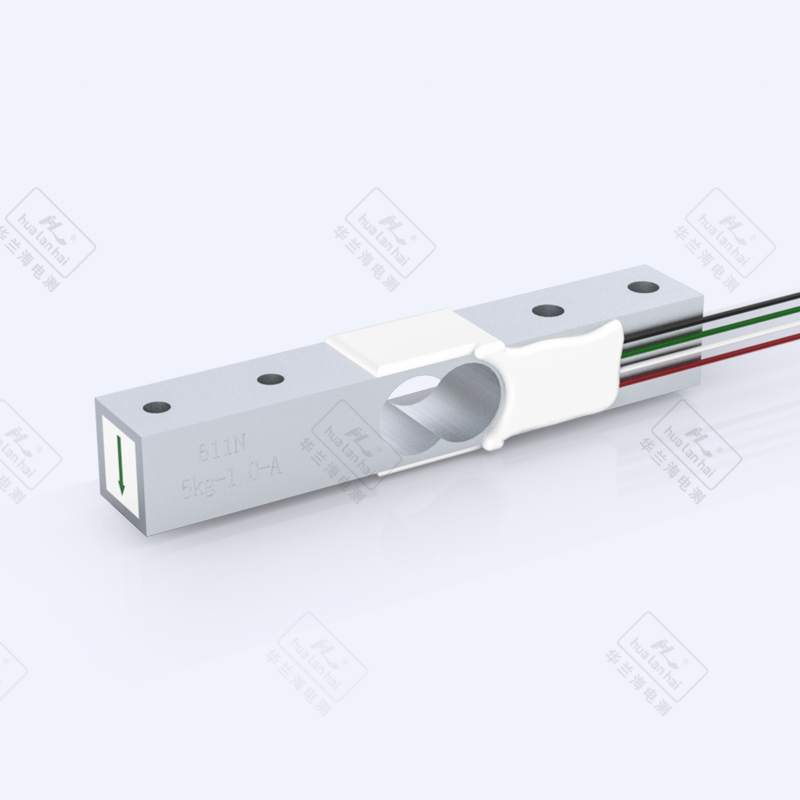
High Precision Weighing Scale - Advanced Measurement Solutions for Laboratory and Industrial Applications

All Categories

Get a Free Quote

Our representative will contact you soon.
Email
Name
Company Name
WhatsApp
Message
0/1000

high precision weighing scale

A high precision weighing scale represents the pinnacle of modern measurement technology, delivering exceptional accuracy and reliability for critical weighing applications across diverse industries. These sophisticated instruments utilize advanced load cell technology, digital signal processing, and precision electronics to achieve measurement accuracies that far exceed conventional weighing solutions. The high precision weighing scale incorporates state-of-the-art sensors capable of detecting minute weight variations, typically offering readabilities down to 0.1 milligrams or even finer resolutions depending on the model specifications. The technological foundation of these scales includes electromagnetic force restoration systems, strain gauge load cells, and advanced microprocessor-controlled electronics that continuously monitor and compensate for environmental factors such as temperature fluctuations, vibrations, and air currents. Modern high precision weighing scale units feature intuitive touchscreen interfaces, comprehensive data logging capabilities, and seamless connectivity options including USB, Ethernet, and wireless protocols for integration with laboratory information management systems. These instruments find extensive applications in pharmaceutical research and development, where precise formulation measurements are critical for drug development and quality control processes. Chemical laboratories rely on high precision weighing scale technology for accurate reagent preparation, analytical sample preparation, and compliance with stringent regulatory requirements. Manufacturing facilities utilize these scales for quality assurance programs, incoming material inspection, and production process control where even minor weight variations can impact product quality and performance. Research institutions depend on high precision weighing scale instruments for scientific experiments requiring exceptional measurement accuracy and repeatability. The scales incorporate sophisticated calibration systems, often featuring internal motorized calibration weights that automatically verify measurement accuracy at predetermined intervals. Environmental protection features include draft shields, anti-vibration chambers, and temperature compensation algorithms that ensure consistent performance across varying operating conditions. Data management capabilities allow users to store measurement results, generate comprehensive reports, and maintain detailed audit trails for regulatory compliance purposes.

Popular Products

The high precision weighing scale delivers transformative benefits that revolutionize measurement processes across professional environments. These instruments provide unmatched accuracy levels that eliminate measurement uncertainties and ensure consistent, reliable results for critical applications. Users experience significant time savings through rapid stabilization technologies that reduce waiting periods between measurements, allowing for increased productivity and workflow efficiency. The advanced calibration systems built into every high precision weighing scale automatically maintain measurement accuracy without requiring manual intervention, reducing maintenance costs and minimizing downtime. These scales offer exceptional versatility through multiple weighing modes including standard weighing, parts counting, percentage weighing, and density determination, making them suitable for diverse application requirements within single facilities. The robust construction and premium materials used in high precision weighing scale manufacturing ensure long-term durability and consistent performance even under demanding operating conditions. Users benefit from comprehensive connectivity options that enable seamless integration with existing laboratory systems, facilitating automated data transfer and reducing transcription errors. The intuitive user interfaces simplify operation procedures, allowing personnel to achieve accurate measurements without extensive training requirements, thereby reducing operational costs and improving workplace efficiency. Environmental protection features inherent in high precision weighing scale design ensure reliable operation across varying temperature, humidity, and vibration conditions, providing consistent performance regardless of installation location. The advanced filtering algorithms continuously monitor measurement signals and automatically compensate for external disturbances, delivering stable readings even in challenging environments. Quality assurance programs benefit enormously from the comprehensive documentation capabilities, including automatic data logging, measurement traceability, and detailed reporting functions that support regulatory compliance requirements. Cost-effectiveness emerges through reduced material waste achieved by precise measurements that minimize overages and ensure optimal resource utilization. The scales contribute to improved product quality through accurate formulation control and precise batch preparation, ultimately enhancing customer satisfaction and reducing quality-related costs. Maintenance requirements remain minimal due to self-diagnostic capabilities that monitor system performance and alert users to potential issues before they impact measurement accuracy, ensuring continuous operation and reducing unexpected service costs.

Tips And Tricks

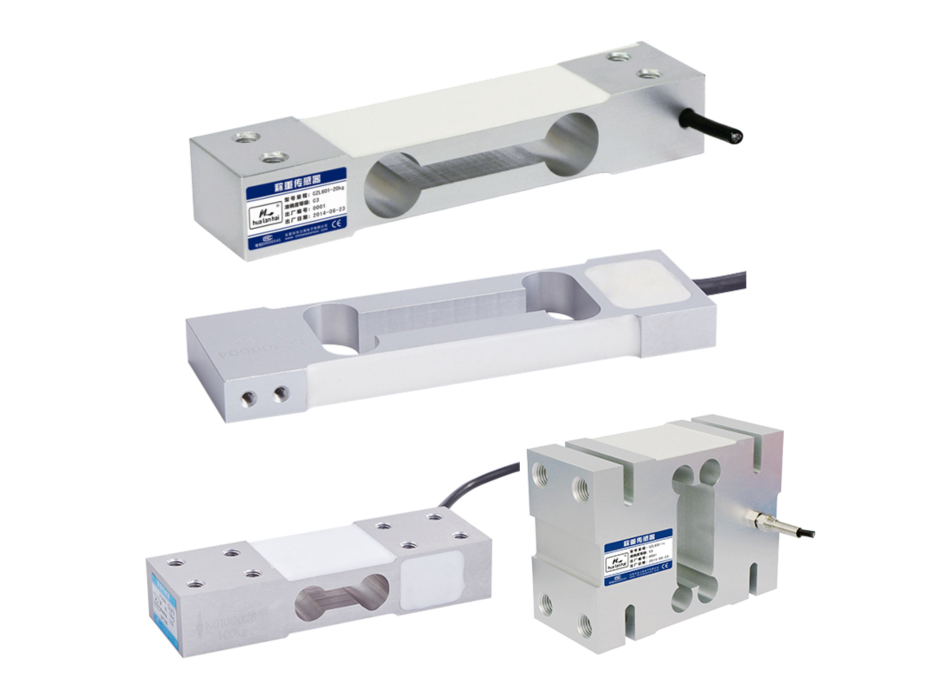
Guide to Selecting Load Cells

25

Nov

Guide to Selecting Load Cells

View More

Get a Free Quote

Our representative will contact you soon.
Email
Name
Company Name
WhatsApp
Message
0/1000

high precision weighing scale

Advanced Load Cell Technology with Temperature Compensation

Advanced Load Cell Technology with Temperature Compensation

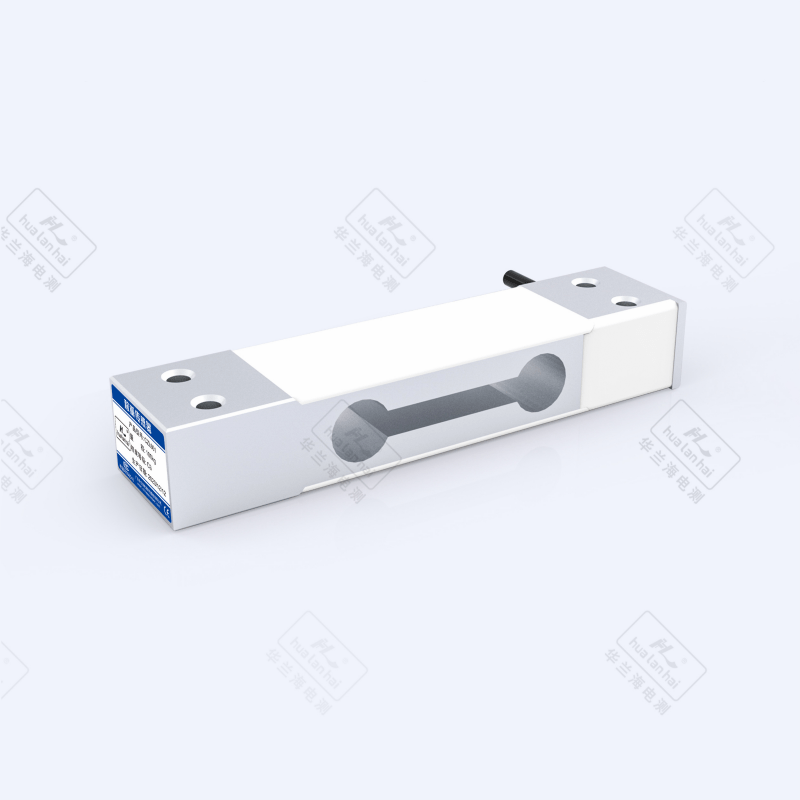
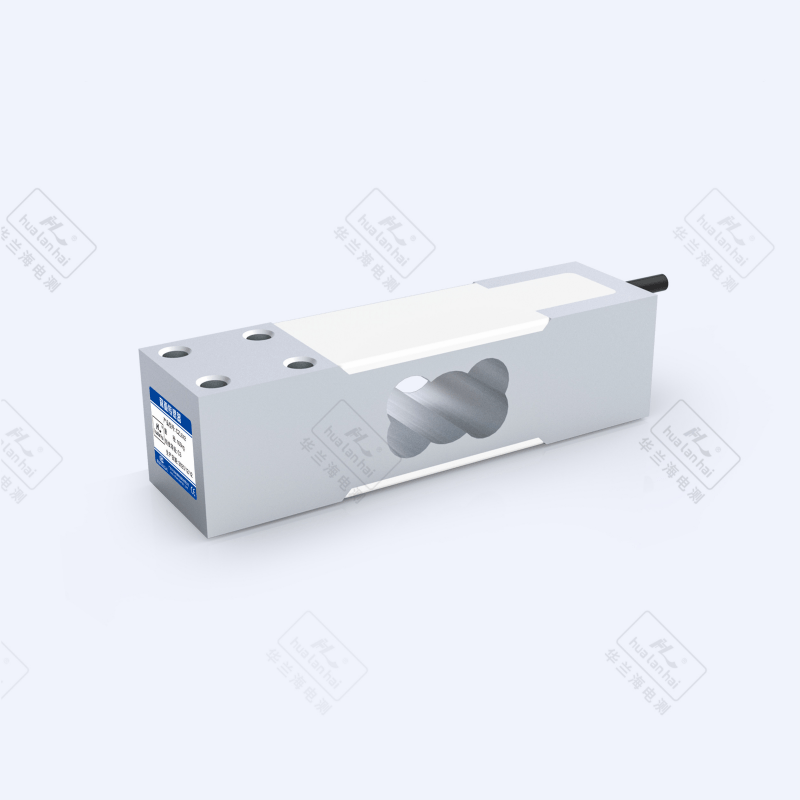
The cornerstone of every high precision weighing scale lies in its sophisticated load cell technology, which represents decades of engineering innovation focused on achieving unparalleled measurement accuracy. These advanced sensors utilize either electromagnetic force restoration or strain gauge technologies, both designed to convert mechanical force into precise electrical signals that accurately represent the applied weight. The electromagnetic force restoration systems employed in premium high precision weighing scale models operate by generating a magnetic force that exactly counterbalances the applied load, creating a null-balance condition that eliminates mechanical stress and ensures exceptional long-term stability. This technology enables the scale to maintain consistent accuracy across its entire weighing range while providing superior linearity and minimal drift characteristics. Temperature compensation algorithms continuously monitor ambient conditions and automatically adjust measurement calculations to counteract thermal expansion effects that could otherwise compromise accuracy. The load cells incorporate multiple temperature sensors strategically positioned throughout the weighing mechanism to detect thermal gradients and implement real-time corrections. This sophisticated temperature management ensures that the high precision weighing scale delivers consistent results whether operating in climate-controlled laboratory environments or variable industrial settings. The mechanical design features precision-machined components manufactured from specialized alloys that exhibit minimal thermal expansion coefficients and exceptional dimensional stability. Vibration isolation systems protect the sensitive load cell mechanisms from external disturbances, utilizing advanced dampening materials and mechanical isolation techniques that filter out environmental interference. The signal processing electronics employ high-resolution analog-to-digital converters capable of detecting minute signal variations, combined with sophisticated filtering algorithms that distinguish between actual weight changes and environmental noise. Regular calibration verification ensures continued accuracy through automated internal calibration systems that utilize precision reference weights to verify and maintain measurement integrity without requiring external calibration masses or service technician intervention.
Intelligent Environmental Monitoring and Compensation Systems

Intelligent Environmental Monitoring and Compensation Systems

Modern high precision weighing scale instruments incorporate comprehensive environmental monitoring and compensation systems that automatically adjust for external factors that could affect measurement accuracy. These intelligent systems continuously monitor multiple environmental parameters including temperature, humidity, air pressure, and vibration levels, implementing real-time corrections to maintain consistent measurement performance across varying operating conditions. The sophisticated environmental compensation algorithms analyze data from multiple sensors positioned throughout the weighing chamber and surrounding areas, creating a comprehensive picture of conditions that might influence measurement accuracy. Temperature monitoring extends beyond simple ambient readings to include detailed thermal mapping of critical components, detecting thermal gradients that could cause mechanical expansion or contraction affecting measurement results. Humidity compensation systems account for moisture effects on both the scale mechanism and sample materials, particularly important when weighing hygroscopic substances that readily absorb or release moisture from the surrounding atmosphere. Air pressure monitoring becomes crucial for high-accuracy applications where atmospheric variations can create buoyancy effects that impact measurement results, especially when weighing low-density materials or conducting comparative measurements over extended periods. The high precision weighing scale incorporates advanced vibration detection and compensation technologies that identify and filter out mechanical disturbances from building movement, nearby equipment operation, or foot traffic. These systems utilize accelerometers and sophisticated signal processing to distinguish between actual weight changes and vibration-induced measurement variations. Draft protection systems create controlled environments around the weighing chamber, utilizing ionizers to neutralize static charges that could affect measurement stability and specialized airflow management to minimize air current effects. The environmental monitoring data integrates with the scale's measurement algorithms to provide automatic corrections, ensuring that users receive accurate results without manual compensation procedures. Historical environmental data storage enables trend analysis and predictive maintenance scheduling, allowing facility managers to optimize operating conditions and identify potential issues before they impact measurement accuracy. The systems also provide alerts and warnings when environmental conditions exceed acceptable limits, protecting measurement integrity and preventing erroneous results that could compromise quality control processes or research outcomes.
Comprehensive Data Management and Connectivity Solutions

Comprehensive Data Management and Connectivity Solutions

The data management capabilities of modern high precision weighing scale systems provide comprehensive solutions for measurement documentation, traceability, and regulatory compliance requirements across diverse professional applications. These sophisticated instruments incorporate advanced data logging systems that automatically capture measurement results along with detailed metadata including timestamps, user identification, environmental conditions, and calibration status information. The comprehensive database functionality enables users to store unlimited measurement records with searchable parameters, facilitating efficient data retrieval and analysis for quality control documentation and audit trail requirements. Connectivity options include multiple interface standards such as USB, Ethernet, RS-232, and wireless protocols, enabling seamless integration with existing laboratory information management systems, manufacturing execution systems, and enterprise resource planning platforms. The high precision weighing scale supports various data formats including CSV, Excel, PDF, and specialized laboratory data formats, ensuring compatibility with downstream analysis software and reporting systems. Real-time data streaming capabilities allow for continuous monitoring applications where measurement results require immediate evaluation or automated process control decisions. The integrated reporting system generates customizable measurement reports that include statistical analysis, trend charts, and compliance documentation formatted according to industry standards and regulatory requirements. User access control features provide multiple security levels with individual login credentials, ensuring measurement data integrity and maintaining audit trail documentation for regulated environments. The scales support barcode and RFID integration for automatic sample identification and chain-of-custody documentation, reducing transcription errors and improving workflow efficiency. Cloud connectivity options enable remote monitoring capabilities and centralized data management across multiple locations, providing facility managers with comprehensive oversight of measurement activities and equipment performance. The systems include automated backup functionality that protects measurement data against loss while maintaining synchronization across multiple devices and locations. Advanced analytics capabilities process historical measurement data to identify trends, detect outliers, and provide predictive insights that support quality improvement initiatives and process optimization efforts. Integration with enterprise systems enables automated inventory management, production scheduling, and quality control workflows that streamline operations while maintaining comprehensive documentation of all measurement activities for regulatory compliance and quality assurance purposes.
Get a Free Quote

Our representative will contact you soon.
Email
Name
Company Name
WhatsApp
Message
0/1000