Dynamic Weigh in Motion Scale Solutions - Advanced Vehicle Weighing Technology

All Categories

Get a Free Quote

Our representative will contact you soon.
Email
Name
Company Name
WhatsApp
Message
0/1000

dynamic weigh in motion scale

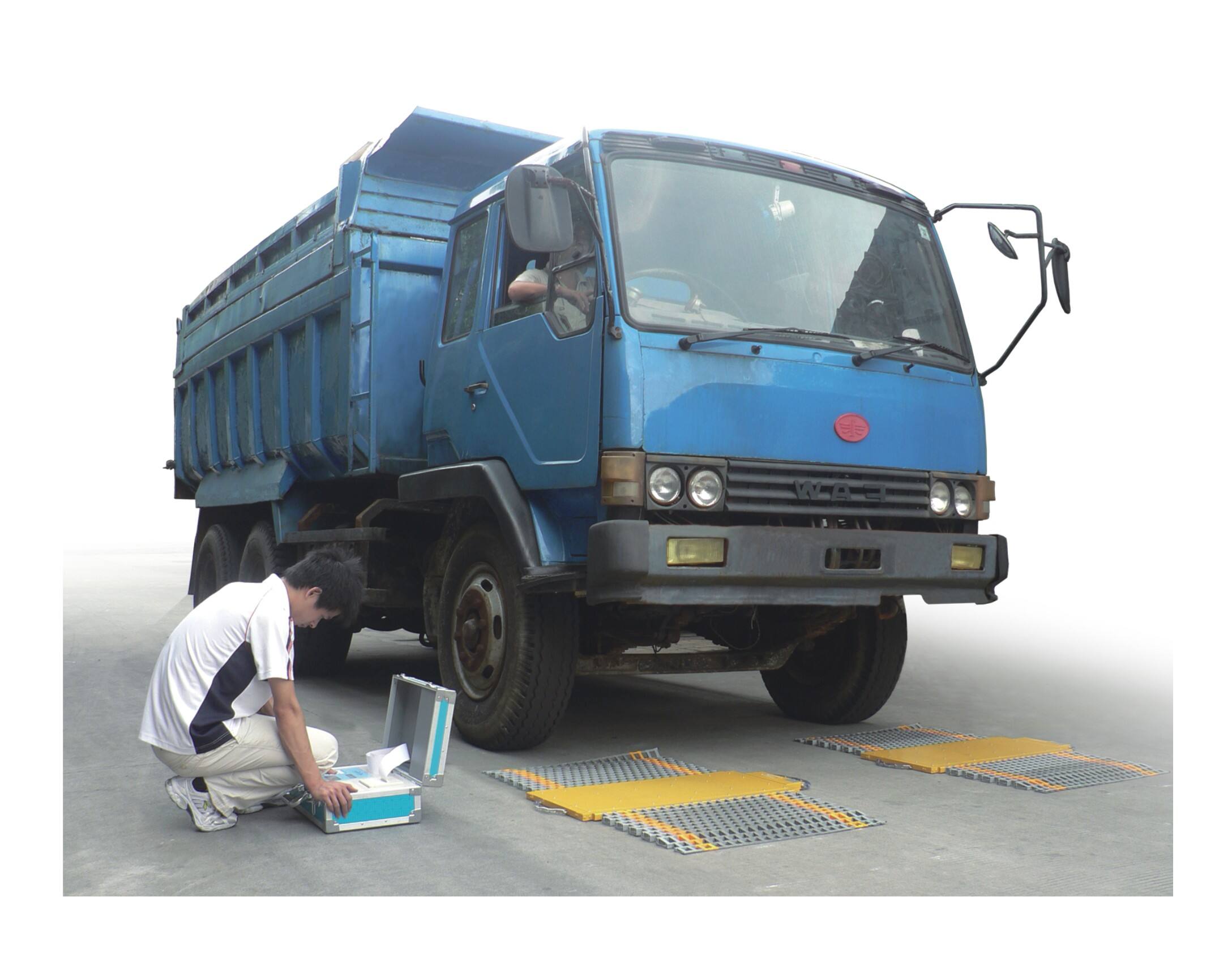
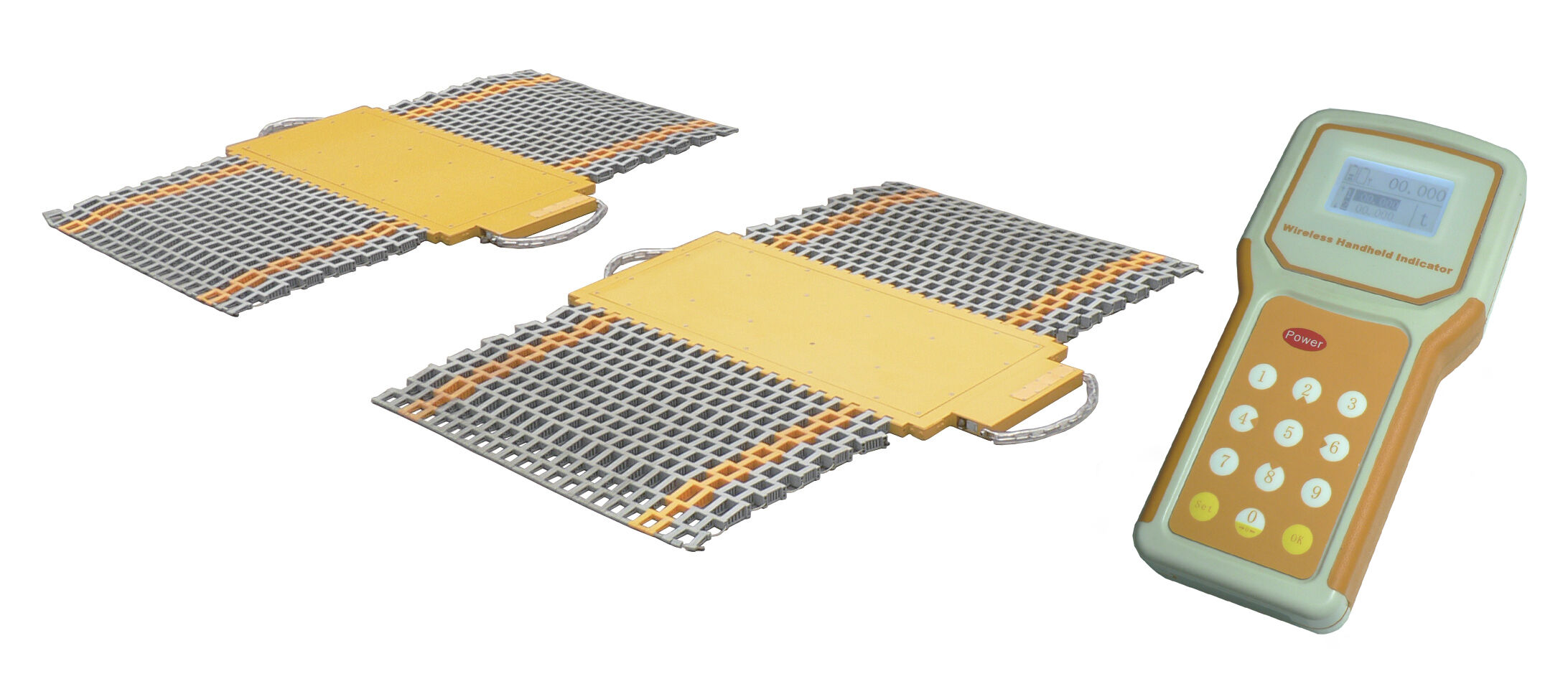
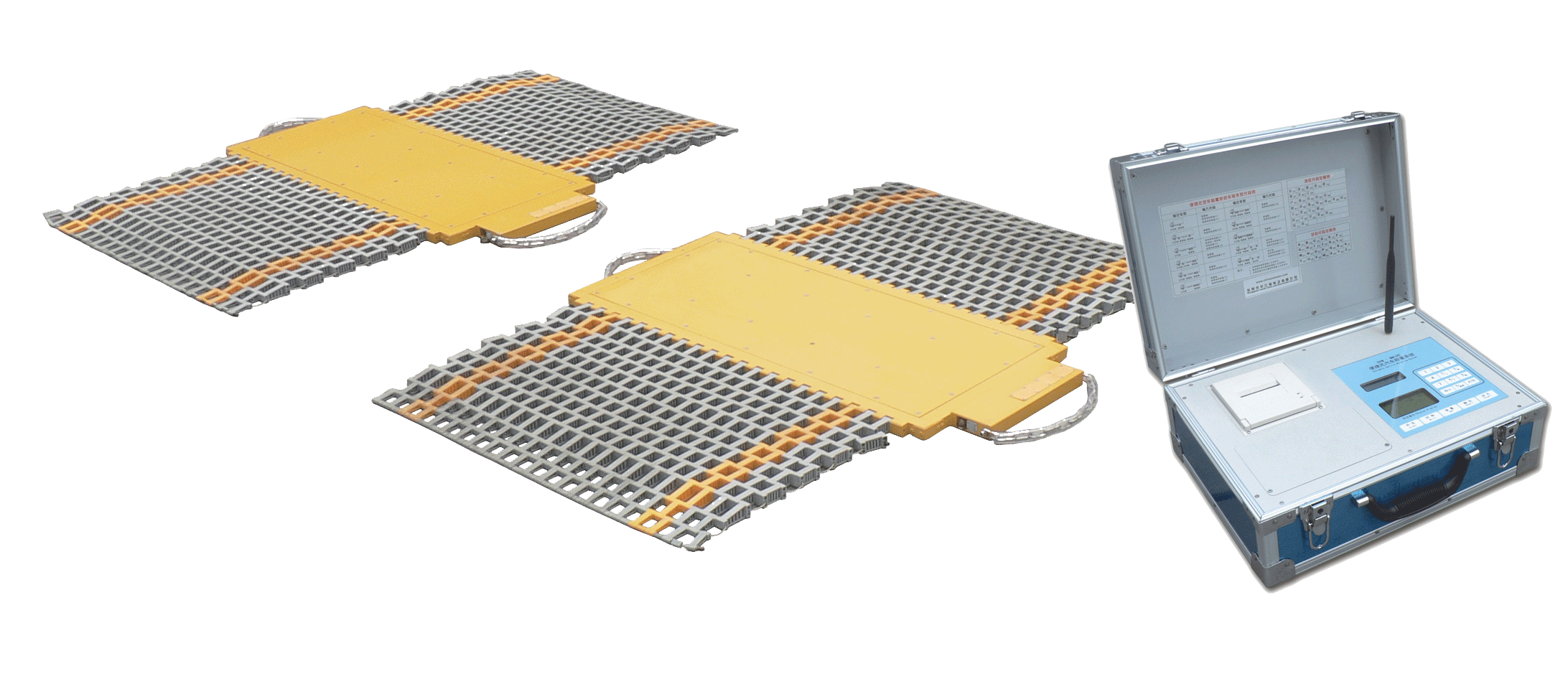
The dynamic weigh in motion scale represents a revolutionary advancement in vehicle weighing technology, designed to accurately measure the weight of moving vehicles without requiring them to stop. This sophisticated system eliminates traditional bottlenecks associated with static weighing methods, enabling continuous traffic flow while maintaining precise measurement accuracy. The dynamic weigh in motion scale operates through advanced sensor technology embedded directly into roadway surfaces or positioned alongside traffic lanes. These sensors capture real-time weight data as vehicles pass over designated measurement zones at normal driving speeds. The system processes multiple data points simultaneously, analyzing wheel loads, axle configurations, and total vehicle mass within milliseconds of contact. Modern dynamic weigh in motion scale installations feature robust construction materials capable of withstanding millions of vehicle passes while maintaining calibration accuracy. The measurement platform integrates seamlessly with existing roadway infrastructure, requiring minimal disruption during installation processes. Advanced signal processing algorithms filter environmental factors such as vehicle vibrations, road irregularities, and weather conditions to ensure consistent measurement reliability. The dynamic weigh in motion scale incorporates sophisticated data management capabilities, storing vehicle records with timestamps, weight classifications, and photographic evidence when required. Integration with traffic management systems allows real-time monitoring of overweight violations and automated enforcement protocols. The technology supports various vehicle types, from passenger cars to heavy commercial trucks, adapting measurement parameters based on detected vehicle characteristics. Environmental protection features ensure the dynamic weigh in motion scale maintains operational integrity across temperature extremes, precipitation conditions, and varying traffic loads. The system provides immediate feedback to enforcement personnel through wireless communication networks, enabling rapid response to weight violations. Advanced diagnostics continuously monitor system health, alerting maintenance teams to potential issues before they impact measurement accuracy or operational availability.

Popular Products

The dynamic weigh in motion scale delivers substantial operational benefits that transform traditional vehicle weighing processes across multiple industries and applications. Transportation authorities experience immediate improvements in traffic flow efficiency when implementing dynamic weigh in motion scale systems, as vehicles no longer need to stop for weight verification procedures. This continuous operation capability reduces congestion at weigh stations and inspection points, allowing enforcement personnel to process significantly more vehicles per hour compared to static weighing methods. Commercial trucking companies benefit from reduced operational delays and fuel consumption, as their vehicles maintain consistent speeds through measurement zones without the need for deceleration and acceleration cycles associated with traditional weigh stations. The dynamic weigh in motion scale provides enhanced safety benefits by eliminating the need for vehicles to merge into designated weighing lanes or come to complete stops on busy highways. This reduction in stopping and starting minimizes rear-end collision risks and improves overall traffic safety conditions. Enforcement agencies gain access to comprehensive data collection capabilities, enabling them to identify weight violation patterns, optimize resource allocation, and implement targeted enforcement strategies based on actual traffic flow data. The system generates detailed records automatically, reducing manual data entry requirements and minimizing human error in documentation processes. Maintenance costs decrease significantly with dynamic weigh in motion scale implementation, as the system requires fewer mechanical components compared to traditional static scales that must support full vehicle loads while stationary. The technology offers exceptional accuracy levels that meet or exceed regulatory requirements for commercial vehicle enforcement, ensuring legal compliance while maintaining operational efficiency. Revenue generation improves for toll authorities and enforcement agencies through automated fine processing and reduced administrative overhead. The dynamic weigh in motion scale enables 24/7 operations without requiring dedicated personnel at each measurement location, reducing staffing costs while maintaining continuous monitoring capabilities. Data integration features allow seamless connection with existing traffic management systems, enforcement databases, and administrative platforms, creating comprehensive operational ecosystems. Environmental benefits include reduced emissions from vehicles that no longer need to idle during weighing processes and decreased road wear from eliminated stopping and starting cycles. The system provides scalable solutions that can expand with growing traffic volumes and changing operational requirements, protecting long-term infrastructure investments.

Tips And Tricks

Conquering The

25

Nov

Conquering The "Bottleneck" Technologies Is The Greatest Motivation

View More
Guide to Selecting Load Cells

25

Nov

Guide to Selecting Load Cells

View More

Get a Free Quote

Our representative will contact you soon.
Email
Name
Company Name
WhatsApp
Message
0/1000

dynamic weigh in motion scale

Advanced Real-Time Processing Technology

Advanced Real-Time Processing Technology

The dynamic weigh in motion scale incorporates cutting-edge real-time processing technology that revolutionizes vehicle weight measurement accuracy and operational efficiency. This sophisticated system utilizes high-speed analog-to-digital converters operating at sampling rates exceeding 10,000 measurements per second, capturing precise weight data as vehicles traverse measurement zones at highway speeds up to 80 mph. The advanced processing algorithms employ digital signal processing techniques to filter road vibrations, vehicle dynamics, and environmental factors that could impact measurement accuracy. Machine learning capabilities within the dynamic weigh in motion scale continuously improve measurement precision by analyzing historical data patterns and adjusting calibration parameters automatically based on changing conditions. The system processes multiple sensor inputs simultaneously, creating comprehensive vehicle profiles that include individual wheel weights, axle loads, gross vehicle weight, and axle spacing measurements. Real-time data validation ensures measurement accuracy by cross-referencing multiple sensor readings and identifying potential anomalies before finalizing weight determinations. The processing system maintains operational continuity even during peak traffic periods, handling multiple vehicles simultaneously without compromising measurement accuracy or creating operational delays. Temperature compensation algorithms automatically adjust for thermal expansion and contraction effects on measurement sensors, ensuring consistent accuracy across varying environmental conditions. The dynamic weigh in motion scale features predictive maintenance capabilities that monitor sensor performance, processing system health, and calibration drift patterns to optimize operational uptime. Data processing speed enables immediate violation detection and alert generation, allowing enforcement personnel to respond quickly to overweight vehicles. The system stores detailed measurement records with high-resolution timestamps, enabling comprehensive traffic analysis and enforcement pattern identification. Integration capabilities allow real-time data sharing with traffic management centers, enabling coordinated responses to traffic incidents and optimized traffic flow management. Advanced filtering algorithms distinguish between different vehicle types automatically, applying appropriate measurement parameters for passenger vehicles, commercial trucks, buses, and specialized transport equipment. The processing technology supports multiple measurement modes, including individual vehicle weighing, classification counting, and traffic flow analysis, providing versatile operational capabilities for various applications.
Seamless Infrastructure Integration Design

Seamless Infrastructure Integration Design

The dynamic weigh in motion scale features innovative infrastructure integration design that minimizes installation complexity while maximizing operational compatibility with existing roadway systems. This comprehensive integration approach eliminates the need for significant roadway reconstruction, as the system adapts to current pavement conditions and traffic patterns without disrupting normal operations during installation periods. The modular design philosophy enables flexible configuration options that accommodate various roadway geometries, including straight sections, curves, bridges, and complex intersection approaches. Installation procedures require minimal lane closures, typically completed during off-peak hours to reduce traffic impact and maintain continuous transportation flow. The dynamic weigh in motion scale incorporates weather-resistant construction materials and protective housing systems that ensure reliable operation across diverse climate conditions, from extreme cold to intense heat and heavy precipitation. Power supply systems offer multiple options, including direct electrical connections, solar panel arrays, and battery backup systems, providing operational flexibility for remote locations or areas with limited electrical infrastructure. Communication capabilities support various connectivity options, including fiber optic cables, wireless networks, cellular data transmission, and satellite communications, ensuring reliable data transmission regardless of location constraints. The system integrates seamlessly with existing traffic management infrastructure, including variable message signs, traffic cameras, and automated enforcement systems, creating comprehensive monitoring and enforcement networks. Calibration procedures utilize automated processes that maintain accuracy standards without requiring specialized personnel or extended downtime periods. The dynamic weigh in motion scale supports retrofit installations on existing roadways as well as new construction projects, providing cost-effective solutions for various implementation scenarios. Environmental protection features include corrosion-resistant materials, sealed electrical connections, and drainage systems that prevent water accumulation and ice formation. The design accommodates future expansion capabilities, allowing additional measurement points, enhanced sensor arrays, and upgraded processing systems without requiring complete system replacement. Maintenance access points are strategically located to enable routine service procedures without disrupting traffic flow or requiring extensive safety precautions. Integration with emergency response systems enables automatic incident detection and notification protocols, enhancing overall roadway safety and operational efficiency.
Comprehensive Data Analytics and Reporting Platform

Comprehensive Data Analytics and Reporting Platform

The dynamic weigh in motion scale delivers an advanced data analytics and reporting platform that transforms raw measurement data into actionable intelligence for transportation authorities, enforcement agencies, and infrastructure managers. This comprehensive system captures detailed vehicle information including weight measurements, classification data, speed profiles, time stamps, and photographic evidence, creating extensive databases for traffic analysis and operational optimization. The analytics platform processes millions of vehicle records to identify traffic patterns, seasonal variations, route utilization trends, and compliance rates with weight regulations. Real-time dashboard displays provide immediate access to current traffic conditions, violation alerts, and system status information, enabling rapid response to changing conditions and enforcement requirements. Historical data analysis capabilities reveal long-term trends in commercial vehicle usage, overweight violation patterns, and infrastructure impact assessments that support strategic planning and resource allocation decisions. The dynamic weigh in motion scale generates automated reports for regulatory compliance, enforcement statistics, revenue tracking, and operational performance metrics, reducing administrative workload while ensuring accurate documentation. Custom reporting features allow users to create specialized analysis reports tailored to specific operational requirements, enforcement strategies, or research objectives. Data visualization tools present complex information through intuitive charts, graphs, and mapping interfaces that facilitate quick understanding and decision-making processes. The platform supports multiple user access levels with customizable permissions, ensuring appropriate data security while enabling collaboration between different agencies and organizations. Integration capabilities connect with external databases, including vehicle registration systems, commercial carrier databases, and law enforcement networks, creating comprehensive information resources. Predictive analytics features identify potential maintenance requirements, traffic congestion patterns, and enforcement optimization opportunities based on historical data trends and operational patterns. Export capabilities support various data formats for integration with third-party analysis tools, research applications, and reporting systems. The analytics platform maintains data integrity through automated backup procedures, redundant storage systems, and security protocols that protect sensitive information while ensuring data availability. Mobile access capabilities enable field personnel to access real-time data and generate reports from remote locations, supporting flexible operational requirements and immediate decision-making needs. The system provides comprehensive audit trails that track all data access, modifications, and report generation activities, ensuring accountability and supporting regulatory compliance requirements.
Get a Free Quote

Our representative will contact you soon.
Email
Name
Company Name
WhatsApp
Message
0/1000