Advanced Axle Weigh in Motion Systems - Precision Vehicle Weight Measurement Technology

All Categories

Get a Free Quote

Our representative will contact you soon.
Email
Name
Company Name
WhatsApp
Message
0/1000

axle weigh in motion system

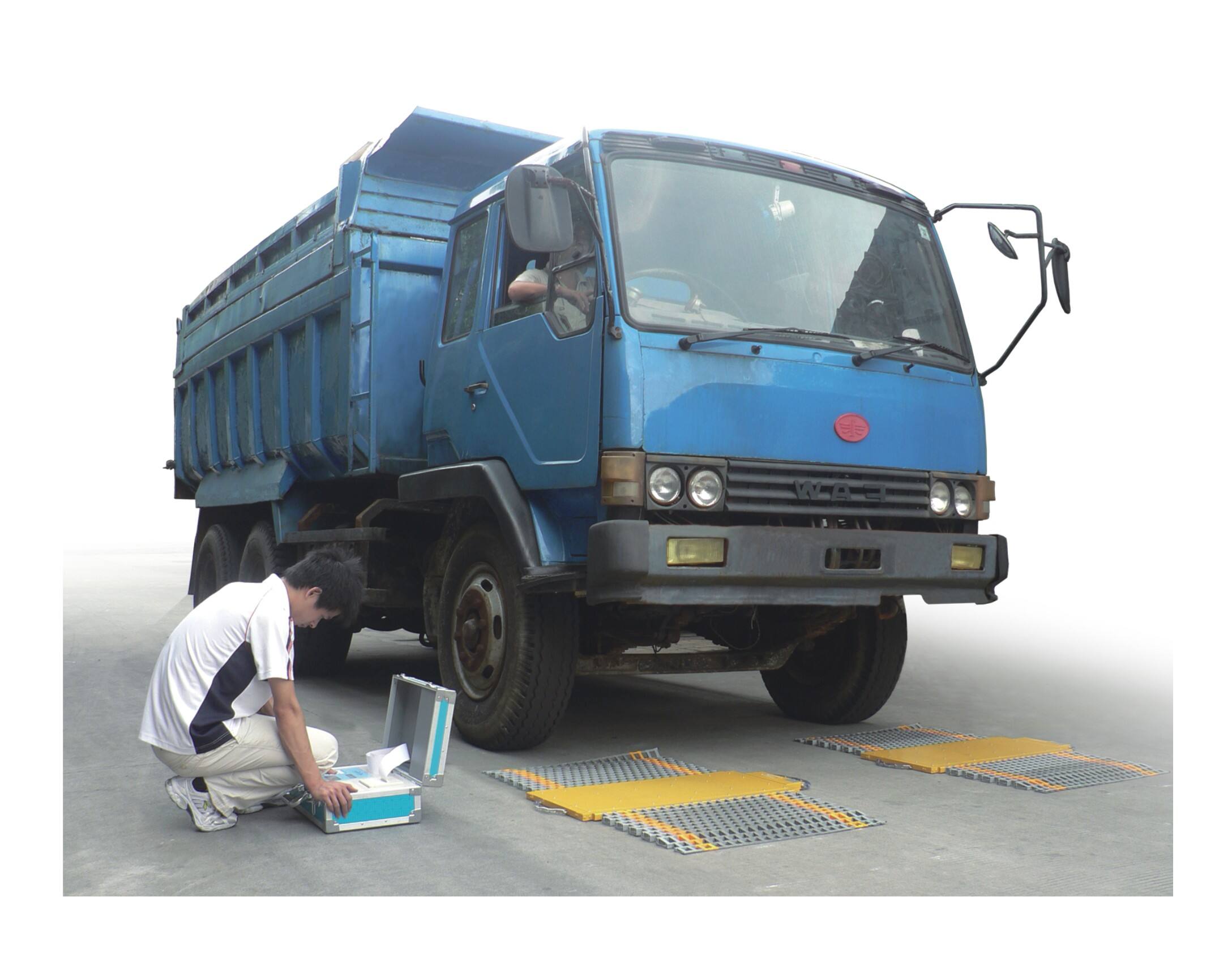
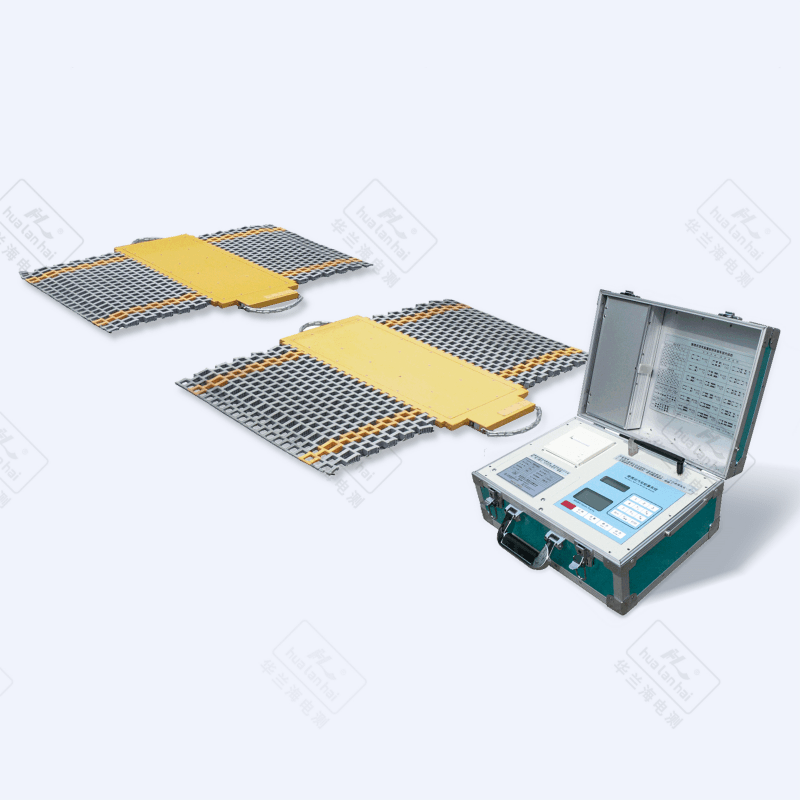
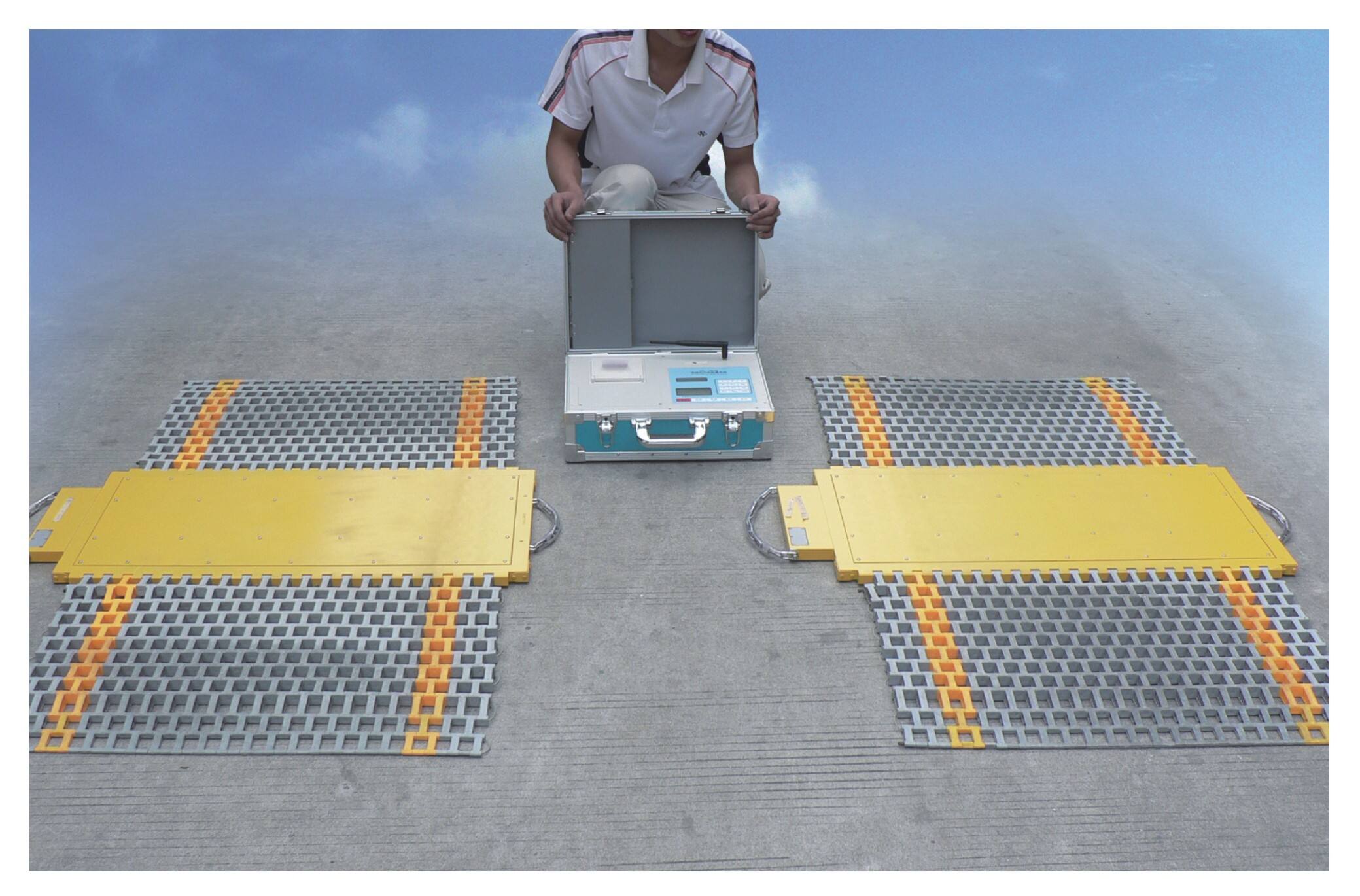
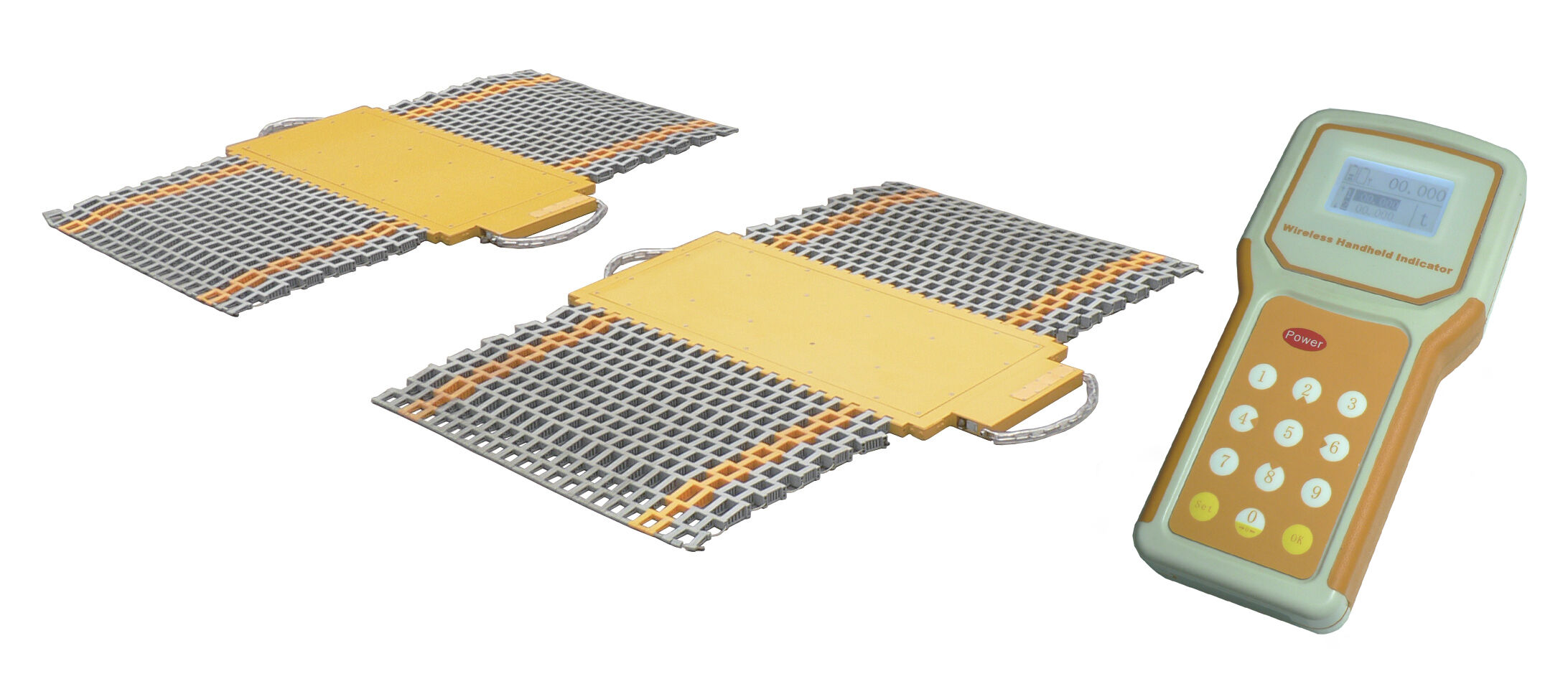
An axle weigh in motion system represents a revolutionary advancement in vehicle weight measurement technology, designed to accurately determine individual axle loads while vehicles traverse designated measurement zones at operational speeds. This sophisticated infrastructure eliminates the need for vehicles to stop during the weighing process, enabling seamless integration into existing traffic flow patterns. The axle weigh in motion system utilizes advanced sensor arrays embedded within roadway surfaces, typically incorporating piezoelectric transducers, load cells, or strain gauge technologies that capture precise weight data as each axle passes overhead. These sensors work in conjunction with sophisticated data processing units that analyze weight distribution patterns, vehicle classification parameters, and speed calculations to generate comprehensive reporting outputs. The primary functions of an axle weigh in motion system encompass real-time vehicle classification, axle load determination, gross vehicle weight calculation, and compliance monitoring for transportation regulations. Modern implementations feature weather-resistant construction materials, ensuring consistent performance across diverse environmental conditions including temperature fluctuations, precipitation, and seasonal variations. The technological architecture incorporates high-speed data acquisition systems capable of processing multiple vehicle passages simultaneously, while maintaining measurement accuracy within industry-standard tolerance levels. Installation flexibility allows for permanent roadway integration or portable deployment configurations, accommodating various operational requirements and budget considerations. Communication capabilities enable remote monitoring and data transmission to central management systems, facilitating comprehensive fleet management and regulatory compliance tracking. The axle weigh in motion system serves critical roles in infrastructure protection, revenue collection, safety enforcement, and traffic management applications across commercial transportation networks, making it an indispensable tool for modern transportation infrastructure management.

New Product Recommendations

The axle weigh in motion system delivers substantial operational benefits that transform traditional vehicle weighing approaches through enhanced efficiency and cost-effectiveness. Organizations implementing this technology experience immediate improvements in throughput capacity, as vehicles maintain normal operating speeds during weight measurement procedures, eliminating costly delays associated with static weighing stations. This continuous flow capability increases processing volumes by up to 300 percent compared to conventional stop-and-weigh methods, directly impacting revenue generation and operational productivity. The axle weigh in motion system provides unprecedented accuracy levels, with modern installations achieving measurement precision within two percent of actual vehicle weights under optimal conditions. This reliability ensures consistent regulatory compliance monitoring while reducing disputes related to weight violations and associated penalties. Maintenance requirements remain minimal due to robust sensor construction and automated calibration features, resulting in lower lifecycle costs and extended operational availability. The system generates comprehensive data analytics that support informed decision-making regarding infrastructure planning, maintenance scheduling, and traffic management strategies. Real-time monitoring capabilities enable immediate response to overweight violations, preventing potential damage to roadway surfaces and bridge structures that could result in expensive repair costs. Installation versatility accommodates diverse geographic locations and traffic patterns, from highway mainlines to industrial facility entrances, providing scalable solutions for organizations of varying sizes. The axle weigh in motion system integrates seamlessly with existing traffic management infrastructure, including cameras, communication networks, and enforcement systems, creating comprehensive monitoring platforms. Environmental benefits include reduced fuel consumption and emissions from eliminated stopping requirements, supporting sustainability initiatives while maintaining operational effectiveness. Cost recovery periods typically range from eighteen to thirty-six months, depending on traffic volumes and violation rates, making the axle weigh in motion system an attractive investment for both public and private sector implementations. Advanced reporting features provide detailed analytics for performance optimization and regulatory documentation requirements.

Practical Tips

Conquering The

25

Nov

Conquering The "Bottleneck" Technologies Is The Greatest Motivation

View More
Guide to Selecting Load Cells

25

Nov

Guide to Selecting Load Cells

View More

Get a Free Quote

Our representative will contact you soon.
Email
Name
Company Name
WhatsApp
Message
0/1000

axle weigh in motion system

Advanced Sensor Technology and Measurement Precision

Advanced Sensor Technology and Measurement Precision

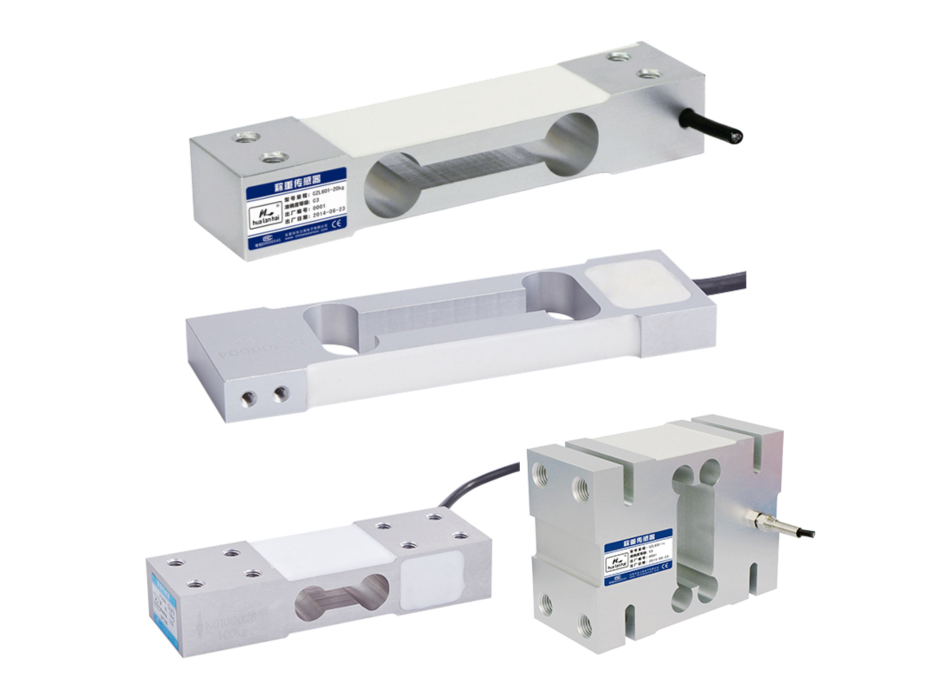
The axle weigh in motion system incorporates cutting-edge sensor technologies that deliver exceptional measurement accuracy while maintaining robust durability under challenging operational conditions. These sophisticated sensors utilize piezoelectric crystals, strain gauge arrays, or capacitive load cells strategically positioned within reinforced mounting systems that withstand millions of vehicle passages without degradation. The sensor configuration captures dynamic force measurements as each axle traverses the detection zone, converting mechanical stress into precise electrical signals that undergo advanced processing algorithms. Temperature compensation mechanisms automatically adjust readings to account for environmental variations, ensuring consistent accuracy across seasonal changes and daily temperature fluctuations. The axle weigh in motion system employs multiple sensor arrangements that provide redundancy and cross-verification capabilities, enhancing measurement reliability while identifying potential sensor malfunctions before they impact operational performance. Signal processing units utilize high-speed analog-to-digital converters operating at sampling rates exceeding ten thousand measurements per second, capturing minute variations in axle loading that contribute to overall measurement precision. Advanced filtering algorithms eliminate noise interference from vehicle vibrations, road surface irregularities, and electromagnetic disturbances, producing clean measurement data suitable for regulatory enforcement applications. The sensor arrays incorporate self-diagnostic capabilities that continuously monitor performance parameters, alerting maintenance personnel to calibration requirements or component replacement needs. Installation procedures utilize specialized mounting techniques that ensure proper sensor alignment and load distribution, critical factors in achieving specified accuracy levels. The axle weigh in motion system supports various sensor configurations including single-platform, dual-platform, and distributed arrangements, enabling optimization for specific traffic patterns and accuracy requirements. Quality control protocols during manufacturing ensure each sensor meets stringent performance specifications, while field calibration procedures verify installation accuracy using certified reference weights. This comprehensive approach to sensor technology makes the axle weigh in motion system the preferred choice for applications demanding precise weight measurements and long-term operational reliability.
Seamless Traffic Integration and Operational Efficiency

Seamless Traffic Integration and Operational Efficiency

The axle weigh in motion system revolutionizes vehicle weighing operations by enabling measurement procedures that occur transparently within normal traffic flow, eliminating disruptions and delays associated with traditional static weighing methods. This seamless integration capability allows vehicles to maintain highway speeds during the weighing process, typically accommodating speed ranges from five to one hundred kilometers per hour without compromising measurement accuracy. The system design incorporates minimal physical infrastructure requirements, utilizing flush-mounted sensors that create virtually imperceptible surface variations, ensuring driver comfort and vehicle stability during passage. Traffic management benefits extend beyond simple throughput improvements, as the axle weigh in motion system enables continuous monitoring without creating bottlenecks or backup conditions that plague conventional weighing facilities. Installation flexibility supports various deployment scenarios, from permanent highway installations to temporary monitoring locations, providing operational versatility for different project requirements and budget constraints. The system processes multiple vehicles simultaneously within designated measurement zones, utilizing advanced algorithms that separate individual vehicle signatures from overlapping traffic patterns. Integration capabilities with existing intelligent transportation systems enable comprehensive traffic management solutions that combine weight enforcement with speed monitoring, vehicle classification, and automated violation processing. The axle weigh in motion system supports both enforcement and data collection applications, providing valuable traffic statistics for infrastructure planning and maintenance scheduling purposes. Communication interfaces facilitate real-time data transmission to remote monitoring centers, enabling centralized oversight of multiple installation sites and coordinated response to violations or system maintenance requirements. Weather resistance features ensure consistent operation across diverse climatic conditions, from extreme temperature variations to heavy precipitation, maintaining operational availability when traditional weighing stations might experience service interruptions. The seamless operation reduces fuel consumption and emissions associated with vehicle acceleration and deceleration cycles, supporting environmental sustainability goals while maintaining enforcement effectiveness. Driver acceptance remains high due to the non-intrusive nature of the weighing process, reducing potential conflicts and improving overall compliance rates compared to traditional enforcement methods.
Comprehensive Data Analytics and Regulatory Compliance

Comprehensive Data Analytics and Regulatory Compliance

The axle weigh in motion system provides sophisticated data collection and analysis capabilities that support comprehensive transportation management and regulatory compliance requirements across diverse operational environments. Advanced data processing algorithms analyze weight distribution patterns, vehicle classifications, and traffic flow characteristics to generate detailed reports supporting infrastructure planning, maintenance optimization, and enforcement activities. The system captures extensive vehicle parameters including gross vehicle weight, individual axle loads, axle spacing measurements, vehicle length, speed profiles, and timestamp data, creating comprehensive databases for statistical analysis and trend identification. Real-time processing capabilities enable immediate violation detection and alert generation, facilitating prompt enforcement responses while maintaining detailed documentation for legal proceedings. Historical data storage systems accommodate years of operational records, supporting long-term analysis projects and regulatory reporting requirements mandated by transportation authorities. The axle weigh in motion system generates customizable reports tailored to specific organizational needs, from daily operational summaries to comprehensive annual compliance documentation, streamlining administrative processes and reducing manual data compilation requirements. Integration with enforcement management systems enables automated citation processing, reducing administrative workload while ensuring consistent application of regulatory standards across all monitored locations. Quality assurance protocols include automated data validation procedures that identify anomalous readings or system malfunctions, maintaining data integrity and measurement reliability throughout operational periods. Export capabilities support various data formats including spreadsheet applications, database systems, and specialized transportation analysis software, facilitating seamless integration with existing organizational infrastructure. The system provides statistical analysis tools that identify traffic patterns, peak loading periods, and violation trends, supporting evidence-based decision-making for enforcement strategy development and resource allocation planning. Compliance documentation features ensure adherence to legal metrology requirements, including calibration records, measurement uncertainty calculations, and traceability documentation necessary for regulatory approval and court proceedings. Remote monitoring capabilities enable oversight personnel to access real-time operational data and system status information from any location, supporting efficient management of distributed installation networks while reducing site visit requirements and associated operational costs.
Get a Free Quote

Our representative will contact you soon.
Email
Name
Company Name
WhatsApp
Message
0/1000