Advanced Low Speed Weigh in Motion Systems - Precision Vehicle Weighing Solutions

All Categories

Get a Free Quote

Our representative will contact you soon.
Email
Name
Company Name
WhatsApp
Message
0/1000

low speed weigh in motion system

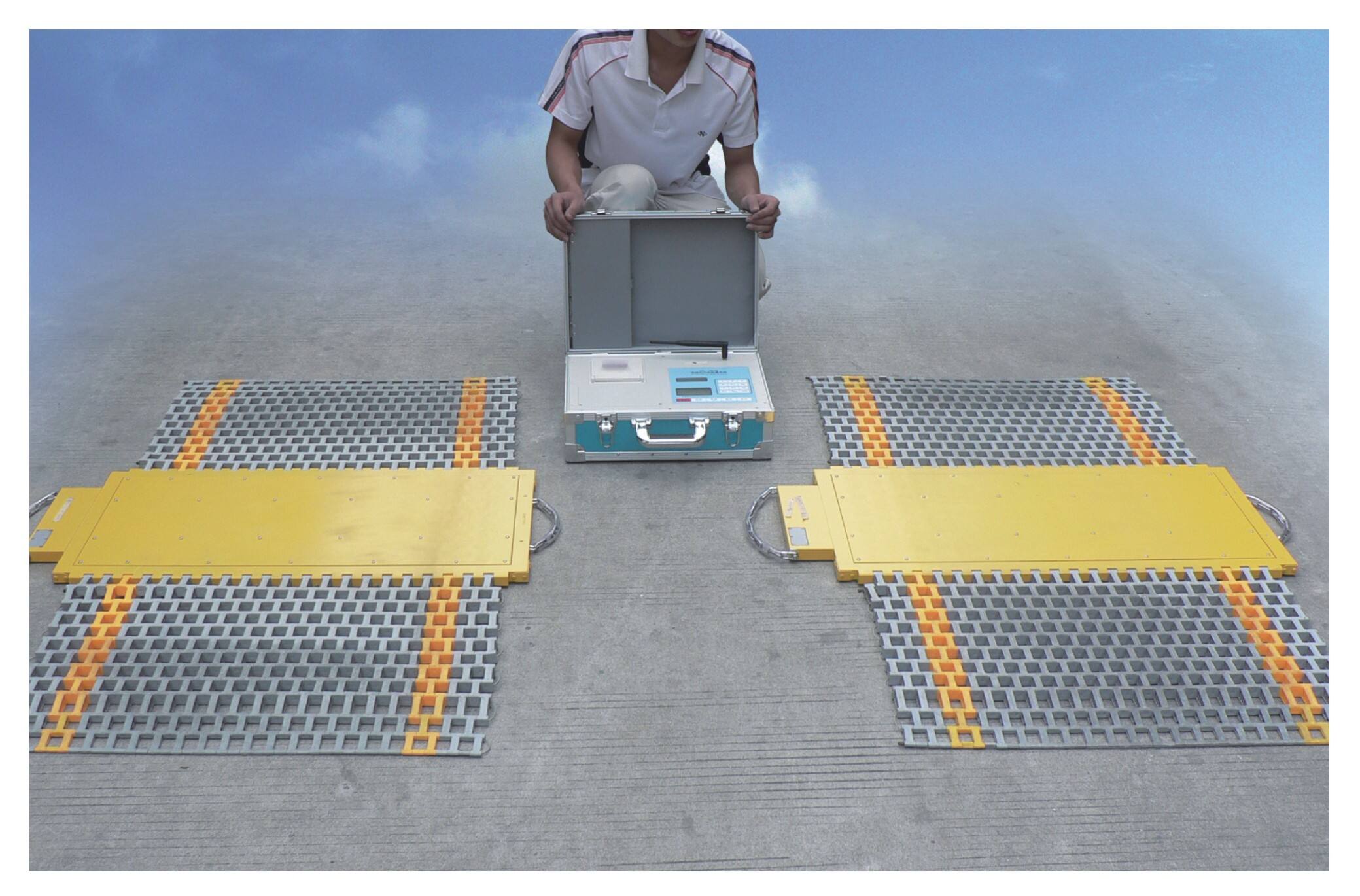
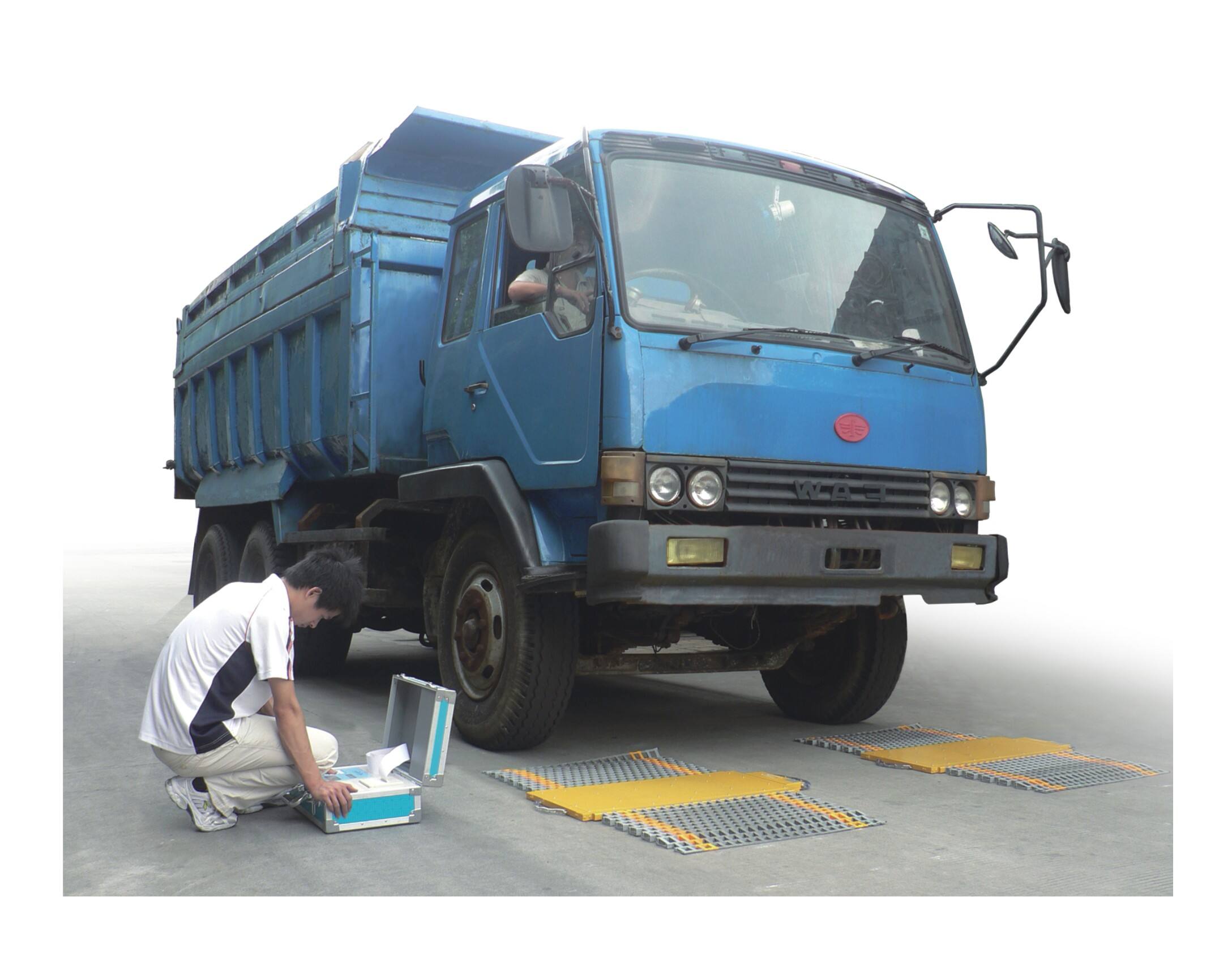
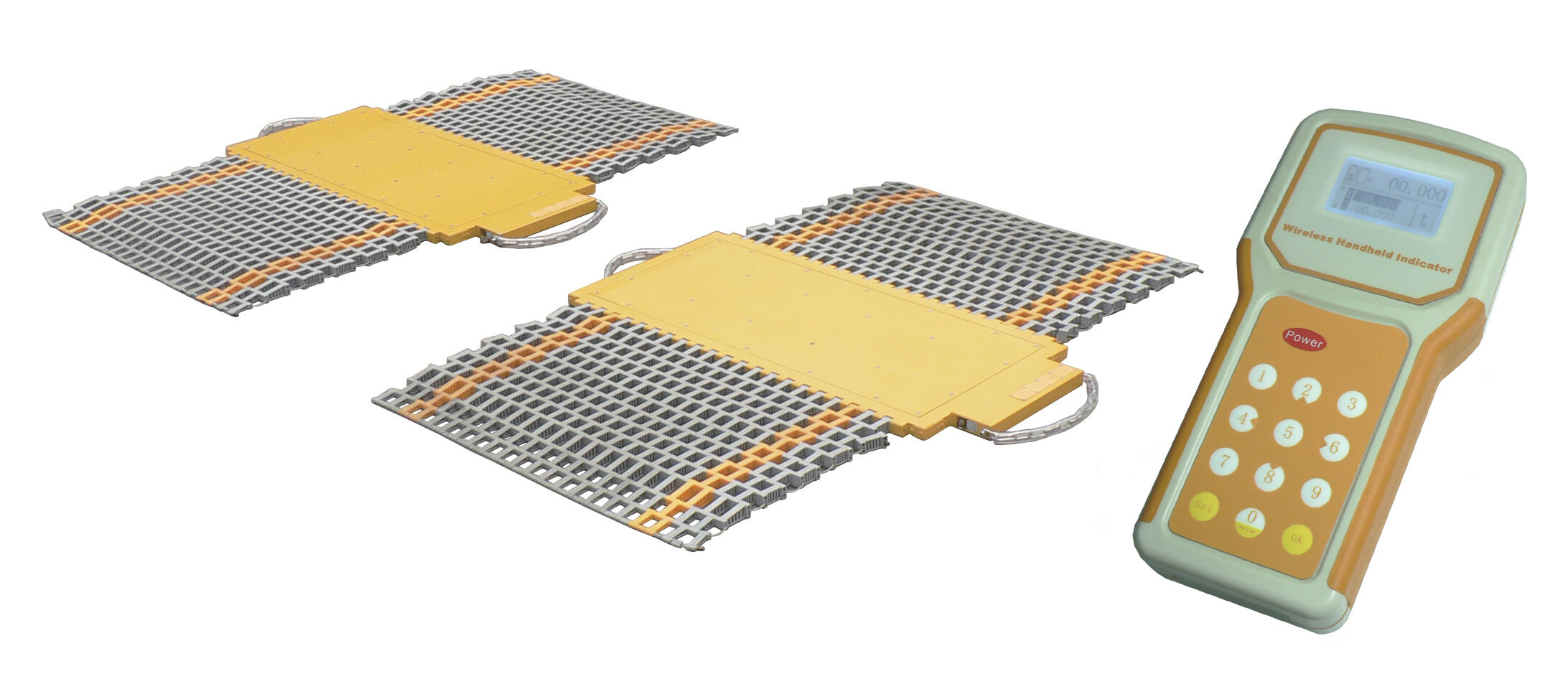
The low speed weigh in motion system represents a cutting-edge solution for accurate vehicle weighing during controlled movement conditions. This sophisticated technology enables precise weight measurement of trucks, trailers, and other commercial vehicles while they traverse specially designed weighing platforms at reduced speeds, typically ranging from 3 to 10 kilometers per hour. Unlike traditional static weighing methods that require complete vehicle stops, the low speed weigh in motion system streamlines the weighing process while maintaining exceptional accuracy levels. The system incorporates advanced load cell technology, high-precision sensors, and intelligent data processing algorithms to capture weight measurements with remarkable reliability. Modern low speed weigh in motion systems feature robust construction materials designed to withstand harsh environmental conditions and heavy traffic loads. The weighing platform typically consists of reinforced concrete foundations embedded with highly sensitive strain gauge load cells that detect even minute weight variations. Digital signal processing units convert analog sensor data into precise weight readings, automatically compensating for dynamic forces and environmental factors that might affect measurement accuracy. Integration capabilities allow seamless connection with existing traffic management systems, database networks, and regulatory compliance platforms. The low speed weigh in motion system offers significant operational advantages including reduced vehicle queuing times, improved traffic flow efficiency, and enhanced data collection capabilities. Real-time weight monitoring enables immediate identification of overloaded vehicles, supporting regulatory enforcement and road infrastructure protection. Advanced software interfaces provide comprehensive reporting functions, historical data analysis, and customizable alert systems for various operational scenarios. These systems find extensive applications across multiple sectors including logistics centers, manufacturing facilities, ports, border crossings, and highway monitoring stations where accurate weight verification is essential for operational efficiency and regulatory compliance.
New Product Releases

The low speed weigh in motion system delivers substantial operational benefits that transform traditional weighing processes across various industries. Enhanced efficiency stands as the primary advantage, eliminating the need for complete vehicle stops during weight measurements. This continuous flow approach reduces processing times by up to 70 percent compared to static weighing methods, allowing facilities to handle significantly higher vehicle volumes without expanding infrastructure. The system maintains exceptional accuracy levels, achieving measurement precision within 1-2 percent variance, which meets international standards for commercial weighing applications. Reduced labor requirements represent another significant benefit, as automated weighing processes minimize the need for manual intervention and operator supervision. The low speed weigh in motion system operates reliably in diverse weather conditions, featuring weatherproof components and temperature compensation algorithms that ensure consistent performance regardless of environmental factors. Cost savings emerge through multiple channels including reduced fuel consumption from minimized vehicle idling, decreased maintenance requirements compared to traditional scales, and improved operational throughput. The system provides comprehensive data logging capabilities, automatically recording vehicle weights, timestamps, license plate information, and other relevant parameters for regulatory compliance and business analytics. Integration flexibility allows seamless connection with existing enterprise systems, enabling real-time data sharing and automated reporting functions. Enhanced safety features eliminate risks associated with vehicle maneuvering around traditional weighing stations, reducing accident potential and insurance liabilities. The low speed weigh in motion system supports environmental sustainability goals by reducing vehicle emissions through minimized idling times and optimized traffic flow patterns. Advanced diagnostics capabilities provide predictive maintenance alerts, reducing unexpected downtime and extending equipment lifespan. Quality control improvements emerge through consistent monitoring processes that identify weight variations and ensure product compliance standards. The system adaptability accommodates various vehicle types and configurations, from single-axle trucks to multi-trailer combinations, providing versatile solutions for diverse operational requirements. Real-time monitoring capabilities enable immediate response to overweight conditions, protecting infrastructure and ensuring regulatory compliance while maintaining operational continuity.

Practical Tips

Conquering The

25

Nov

Conquering The "Bottleneck" Technologies Is The Greatest Motivation

View More
Guide to Selecting Load Cells

25

Nov

Guide to Selecting Load Cells

View More

Get a Free Quote

Our representative will contact you soon.
Email
Name
Company Name
WhatsApp
Message
0/1000

low speed weigh in motion system

Advanced Sensor Technology and Precision Engineering

Advanced Sensor Technology and Precision Engineering

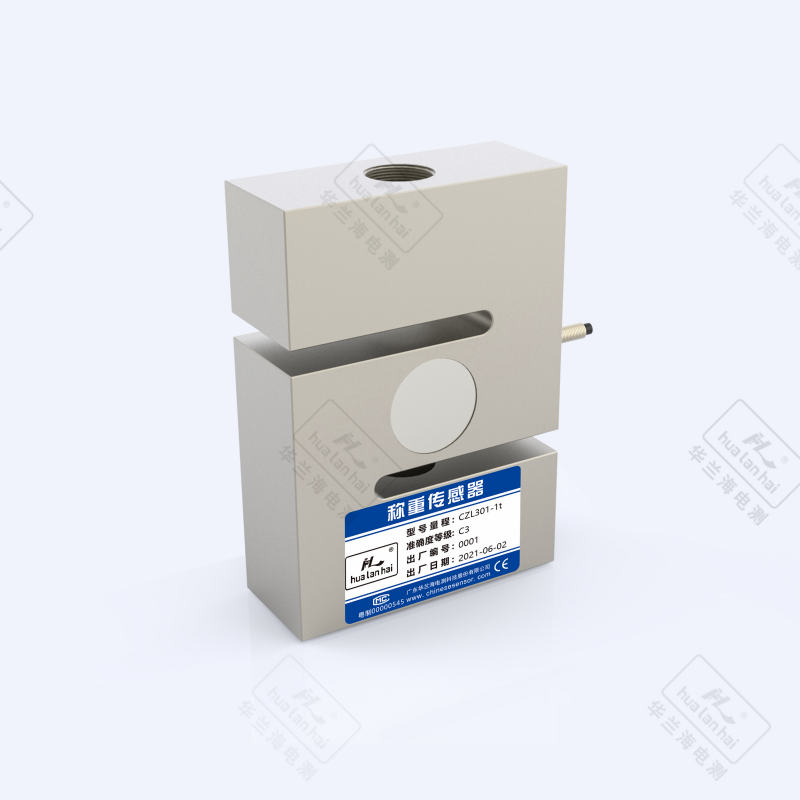
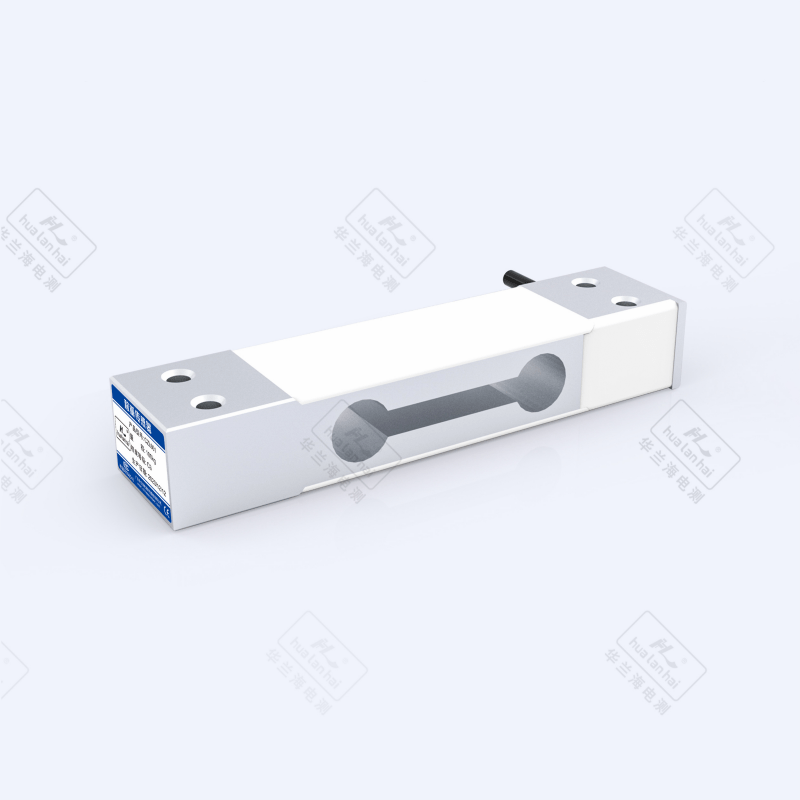
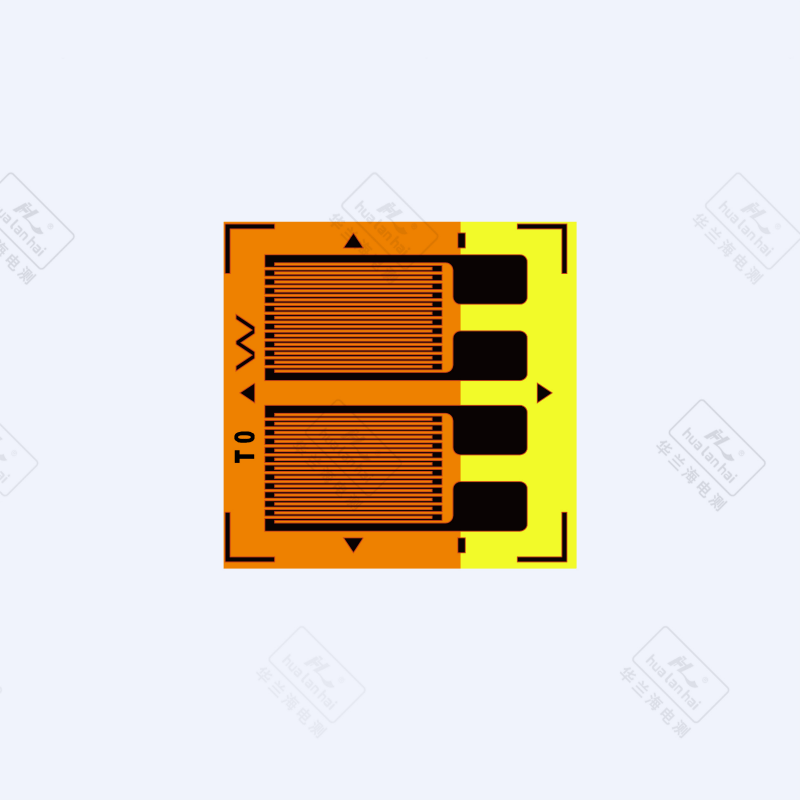
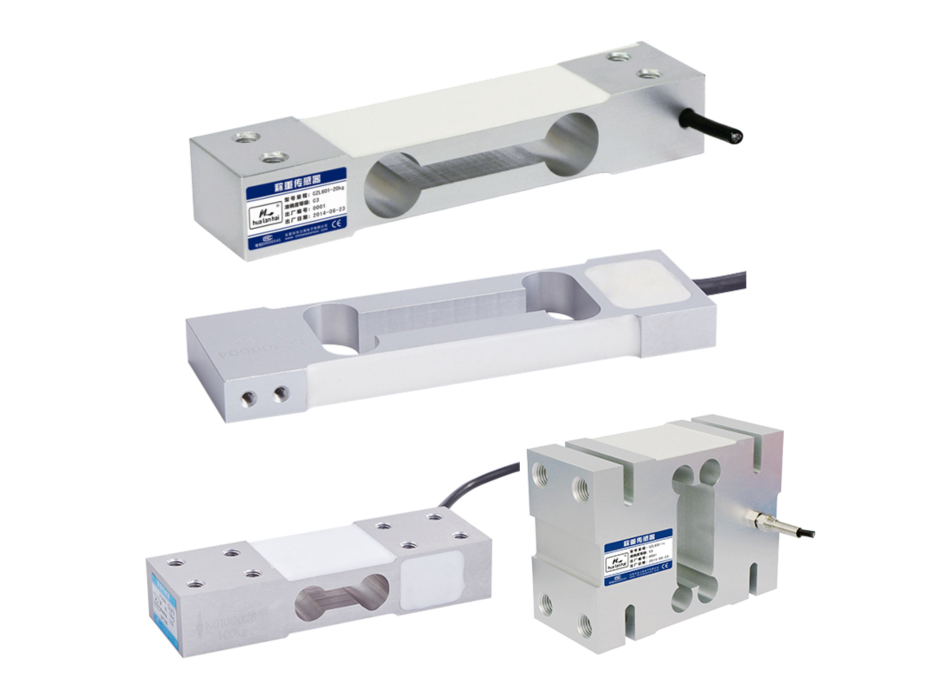
The low speed weigh in motion system incorporates state-of-the-art sensor technology that delivers unparalleled weighing accuracy while vehicles maintain controlled movement speeds. High-precision strain gauge load cells embedded within reinforced concrete platforms detect weight variations with exceptional sensitivity, capable of measuring loads ranging from lightweight delivery vehicles to heavy industrial equipment. These sophisticated sensors utilize advanced materials and manufacturing processes that ensure long-term stability and reliability under demanding operational conditions. The sensor array configuration optimizes weight distribution analysis across multiple measurement points, providing comprehensive vehicle weight profiles that account for axle loads, gross vehicle weight, and center of gravity calculations. Digital signal processing units convert analog sensor outputs into precise digital measurements, employing advanced filtering algorithms that eliminate noise interference and environmental factors that could compromise accuracy. Temperature compensation mechanisms automatically adjust measurements based on ambient conditions, ensuring consistent performance across seasonal variations and geographical locations. The low speed weigh in motion system features redundant sensor configurations that provide fail-safe operation and continuous measurement capabilities even during maintenance procedures. Calibration procedures utilize certified reference weights and automated adjustment protocols that maintain measurement accuracy within international standards. The sensor technology incorporates self-diagnostic capabilities that continuously monitor system performance, detecting potential issues before they impact operational reliability. Advanced data acquisition systems capture measurements at high sampling rates, enabling detailed analysis of dynamic loading conditions and vehicle characteristics. The precision engineering extends to mechanical components including load transfer mechanisms, structural supports, and protective housings that shield sensitive electronics from harsh environmental conditions. Quality assurance protocols ensure each sensor meets stringent performance specifications through comprehensive testing procedures that validate accuracy, repeatability, and long-term stability. The integration of cutting-edge sensor technology with precision engineering creates a robust weighing solution that delivers consistent, reliable results while minimizing maintenance requirements and operational disruptions.
Seamless Integration and Data Management Capabilities

Seamless Integration and Data Management Capabilities

The low speed weigh in motion system excels in providing comprehensive integration solutions that connect seamlessly with existing operational infrastructure and enterprise management systems. Advanced communication protocols support various connectivity options including Ethernet, wireless networks, and industrial fieldbus systems, enabling real-time data transmission to central control rooms and management databases. The system architecture accommodates diverse software platforms through standardized APIs and customizable interfaces that facilitate integration with warehouse management systems, logistics tracking platforms, and regulatory compliance databases. Data management capabilities extend beyond basic weight recording to include comprehensive vehicle profiling, historical trend analysis, and predictive analytics that support informed decision-making processes. The low speed weigh in motion system generates detailed reports automatically, providing stakeholders with actionable insights regarding vehicle weights, traffic patterns, and operational efficiency metrics. Cloud-based data storage options ensure secure, scalable information management while enabling remote access for authorized personnel across multiple locations. Real-time dashboard interfaces display critical operational parameters, allowing immediate response to unusual conditions or system alerts. The integration framework supports multiple user authentication levels, ensuring data security while providing appropriate access controls for different operational roles. Automated data backup systems protect valuable information against potential losses while maintaining compliance with data retention requirements. The system compatibility extends to various third-party applications including fleet management software, route optimization platforms, and maintenance scheduling systems. Custom reporting functions enable stakeholders to generate specific analyses tailored to unique operational requirements or regulatory compliance needs. The low speed weigh in motion system supports bi-directional data exchange, allowing external systems to influence weighing operations through predetermined triggers or scheduling protocols. Mobile device compatibility enables field personnel to access system information and control functions through smartphones and tablets, improving operational flexibility and response capabilities. The integration capabilities transform traditional weighing operations into comprehensive data-driven processes that enhance overall operational intelligence and strategic planning capabilities.
Robust Construction and Environmental Adaptability

Robust Construction and Environmental Adaptability

The low speed weigh in motion system demonstrates exceptional durability through robust construction methodologies and environmental adaptability features that ensure reliable operation across diverse climate conditions and industrial environments. Reinforced concrete foundations provide stable, vibration-resistant platforms capable of supporting heavy vehicle loads while maintaining measurement accuracy over extended operational periods. Corrosion-resistant materials including stainless steel components and protective coatings shield critical system elements from environmental degradation caused by moisture, chemicals, and temperature fluctuations. The weighing platform design incorporates advanced drainage systems that prevent water accumulation and ice formation, ensuring safe vehicle passage and consistent weighing performance throughout seasonal weather variations. Weatherproof electronics enclosures protect sensitive components from dust, moisture, and temperature extremes while maintaining optimal operating temperatures through integrated ventilation and heating systems. The low speed weigh in motion system withstands heavy traffic loads including overweight vehicles without compromising structural integrity or measurement accuracy. Flexible installation configurations accommodate various site constraints including limited space availability, existing infrastructure requirements, and specific operational workflows. Modular construction approaches enable system expansion or reconfiguration based on changing operational needs without requiring complete system replacement. Advanced sealing technologies prevent contamination infiltration while maintaining accessibility for routine maintenance procedures. The system design incorporates shock absorption mechanisms that protect sensitive components from impact forces and dynamic loading conditions. Quality construction materials undergo rigorous testing procedures to validate performance characteristics under extreme conditions including temperature cycling, humidity exposure, and mechanical stress applications. Preventive maintenance programs extend equipment lifespan through scheduled inspections, component replacements, and performance optimization procedures. The environmental adaptability extends to electromagnetic compatibility, ensuring reliable operation in environments with significant electrical interference from industrial equipment or communication systems. Installation procedures accommodate various surface conditions and site preparations while minimizing disruption to existing operations. The robust construction methodology incorporates future-proofing elements that facilitate technology upgrades and system enhancements without requiring major infrastructure modifications, protecting long-term investment value while ensuring continued operational effectiveness.

Get a Free Quote

Our representative will contact you soon.
Email
Name
Company Name
WhatsApp
Message
0/1000