conveyor belt load cell
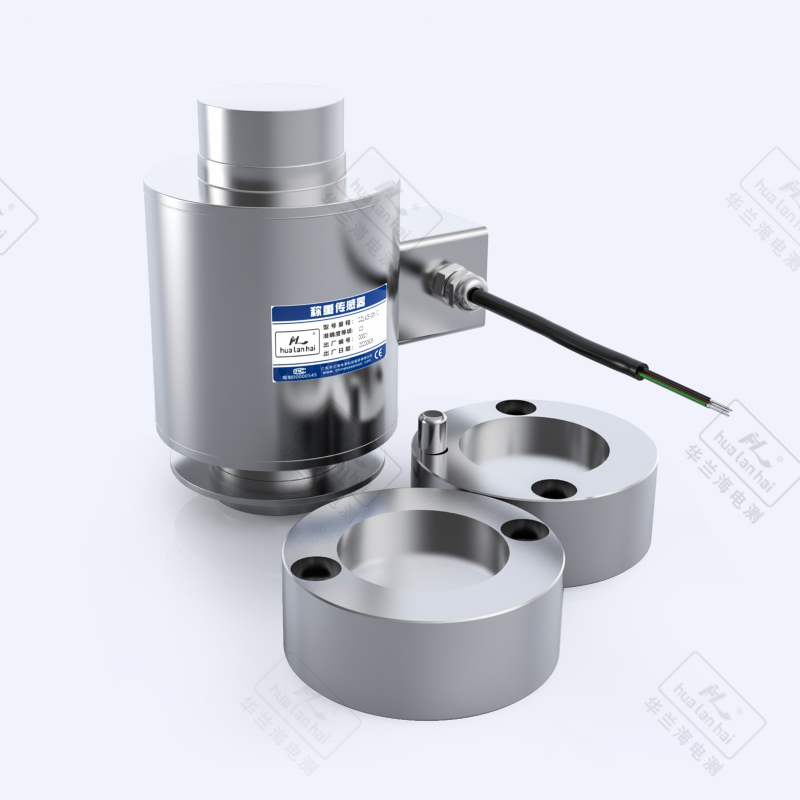
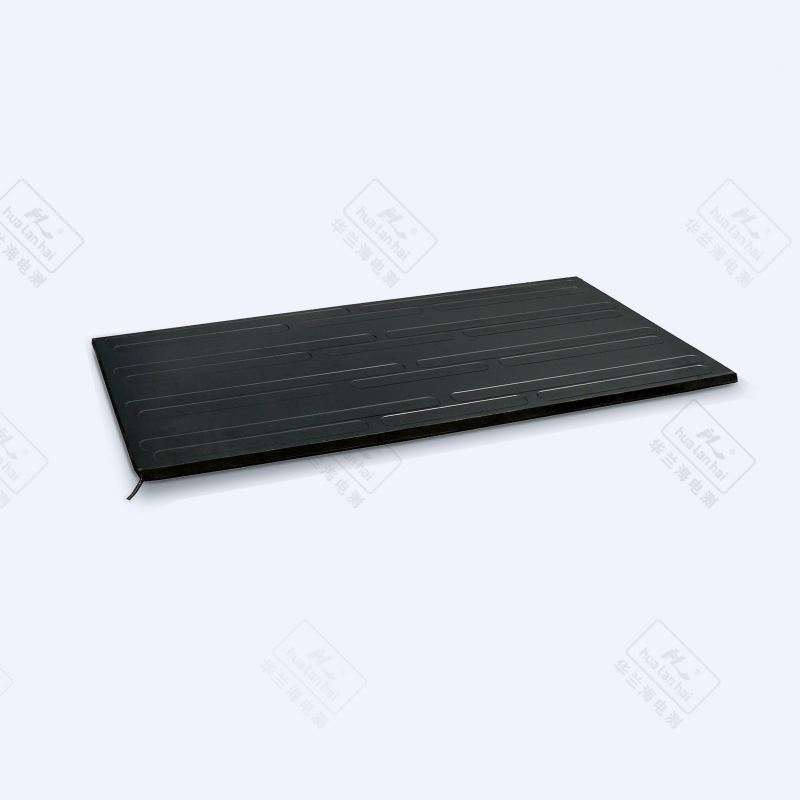
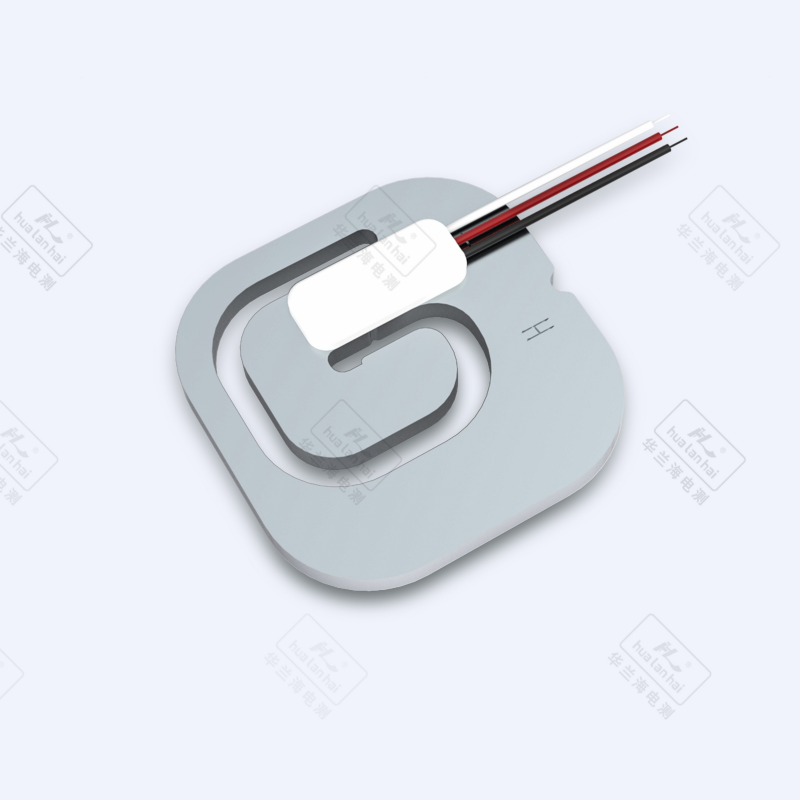
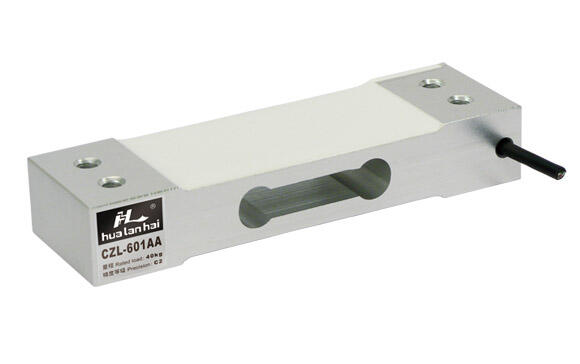
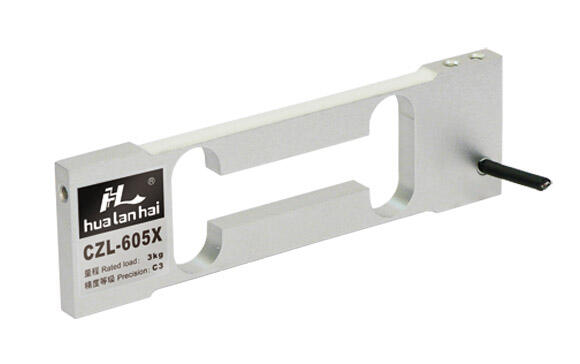
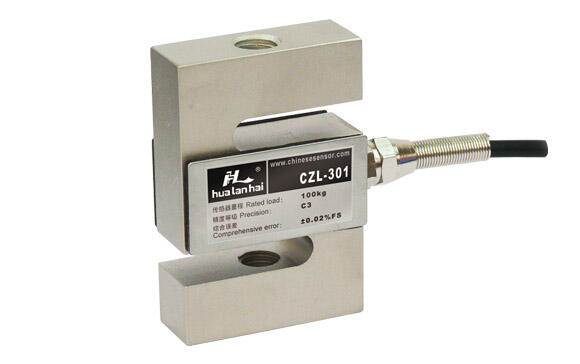
A conveyor belt load cell represents a sophisticated weighing technology specifically engineered to measure the weight of materials as they move along conveyor belt systems. This innovative device integrates seamlessly into existing conveyor infrastructure, providing continuous, real-time weight measurements without interrupting material flow. The conveyor belt load cell operates on the principle of strain gauge technology, utilizing precision sensors that detect the deformation caused by the weight of materials passing over the belt. These systems typically consist of multiple weighing points strategically positioned along the conveyor path to ensure accurate measurement across the entire belt width. The primary function of a conveyor belt load cell involves capturing weight data from moving materials, converting mechanical stress into electrical signals that can be processed and analyzed. Modern conveyor belt load cell systems feature advanced digital processing capabilities, enabling them to compensate for belt tension, speed variations, and environmental factors that might affect measurement accuracy. The technological architecture includes high-resolution analog-to-digital converters, temperature compensation mechanisms, and sophisticated filtering algorithms that eliminate noise and vibration interference. These systems are commonly deployed in industries requiring precise material handling, including mining operations, agricultural processing facilities, pharmaceutical manufacturing, food production, cement plants, and bulk material handling centers. The conveyor belt load cell provides essential data for inventory management, quality control, process optimization, and regulatory compliance. Installation flexibility allows these systems to be incorporated into new conveyor designs or retrofitted into existing equipment with minimal modification. The robust construction ensures reliable operation in harsh industrial environments, withstanding dust, moisture, temperature fluctuations, and mechanical stress. Advanced models incorporate wireless communication capabilities, enabling remote monitoring and data collection through industrial networks and cloud-based platforms.


 EN
EN