Professional Truck Load Cell Systems - Precision Weighing Solutions for Commercial Vehicles

All Categories

Get a Free Quote

Our representative will contact you soon.
Email
Name
Company Name
WhatsApp
Message
0/1000

truck load cell

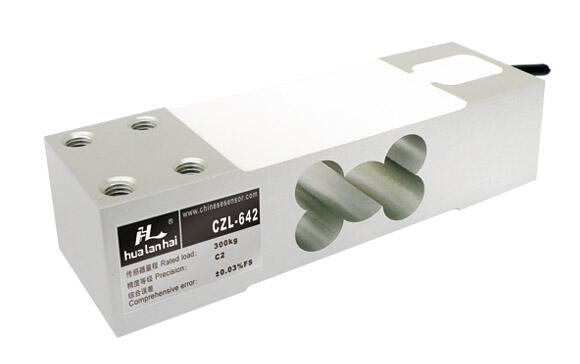
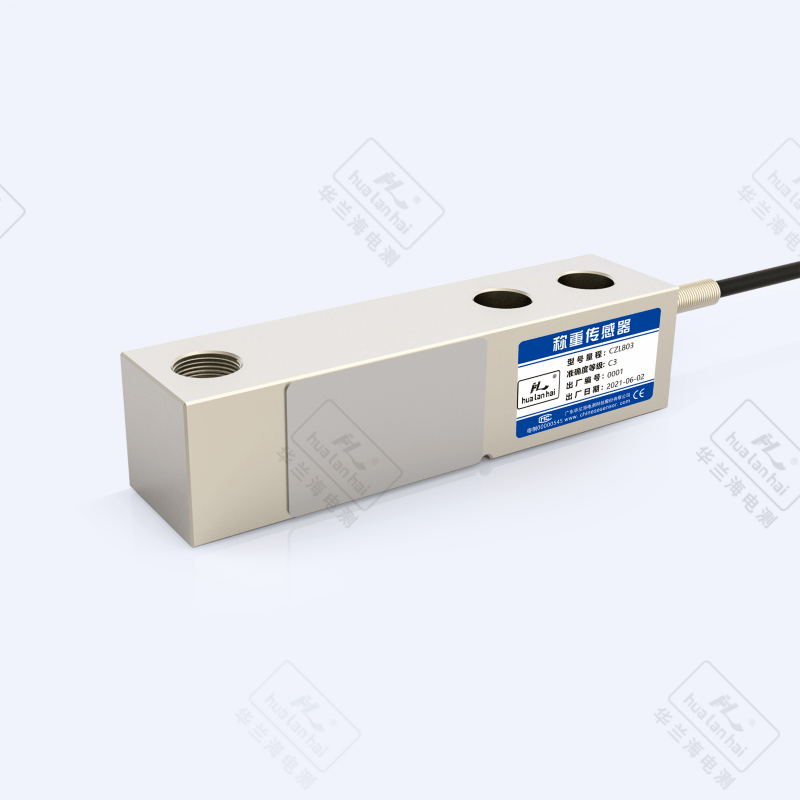
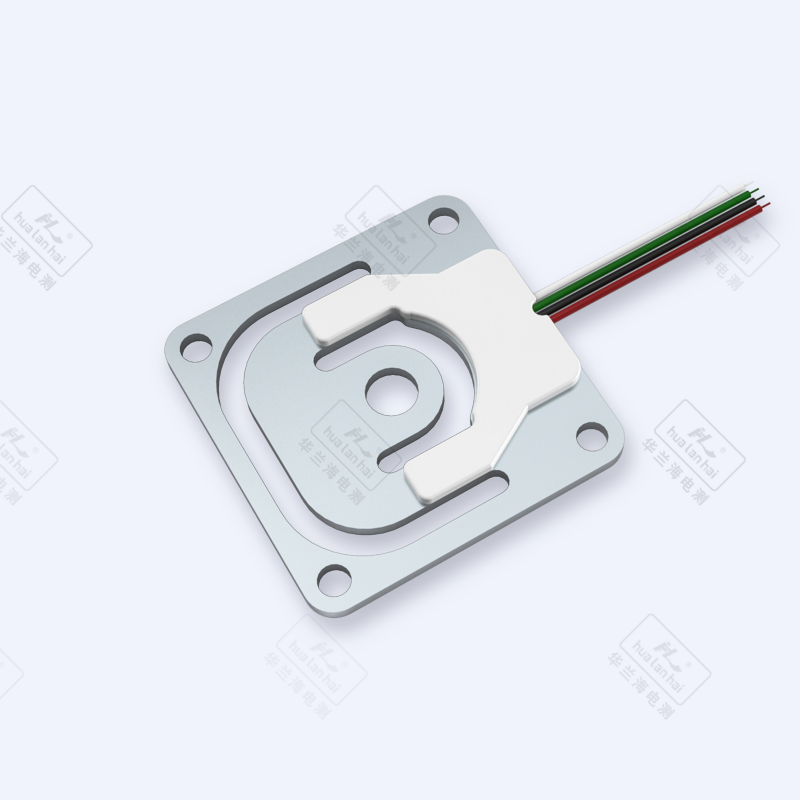
A truck load cell represents a sophisticated weighing technology specifically engineered for commercial vehicle applications, serving as the fundamental component in truck weighing systems. This precision instrument measures the weight of cargo, vehicles, and combined loads with exceptional accuracy, making it indispensable for logistics, transportation, and industrial operations. The truck load cell functions by converting mechanical force into electrical signals, utilizing strain gauge technology that responds to compression or tension when weight is applied. This conversion process enables real-time weight monitoring, ensuring compliance with transportation regulations and preventing vehicle overloading. Modern truck load cell systems integrate seamlessly with digital displays, data logging equipment, and fleet management software, providing comprehensive weight management solutions. These devices are constructed with robust materials including stainless steel and aluminum alloy, designed to withstand harsh environmental conditions including extreme temperatures, moisture, vibration, and chemical exposure. The truck load cell operates across various mounting configurations including platform scales, axle weighing systems, and onboard vehicle installations. Advanced models incorporate wireless connectivity, allowing remote monitoring and data transmission to central management systems. The precision of truck load cell technology typically achieves accuracy levels within 0.1% of full scale, meeting stringent industry standards for commercial weighing applications. Environmental protection ratings ensure reliable performance in outdoor installations, while multiple capacity ranges accommodate different vehicle types from light commercial trucks to heavy-duty freight carriers. The truck load cell technology supports both static and dynamic weighing operations, enabling weight measurement during loading, transit, and unloading processes. Integration capabilities with existing infrastructure make truck load cell systems adaptable to various operational requirements, from simple weight verification to comprehensive fleet management solutions.
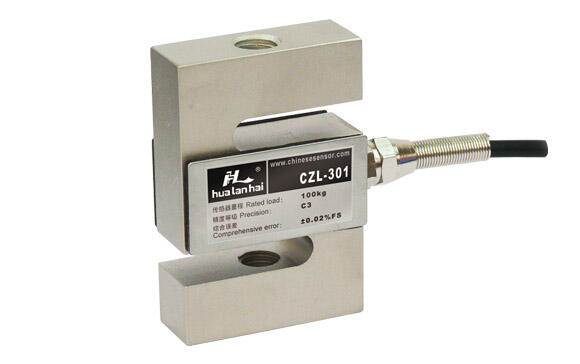
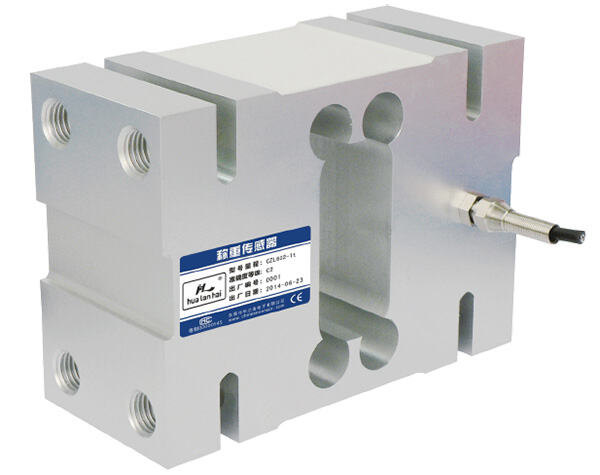
New Product Releases

The truck load cell delivers significant operational benefits that transform vehicle weighing processes across multiple industries. First, these systems provide exceptional accuracy and reliability, eliminating guesswork in weight determination and ensuring precise measurements for regulatory compliance. This precision reduces the risk of overweight violations, protecting companies from substantial fines and legal complications while maintaining driver safety on public roads. The truck load cell offers substantial cost savings through improved operational efficiency and reduced fuel consumption. By monitoring vehicle weights accurately, fleet operators can optimize load distribution, maximize payload capacity within legal limits, and minimize unnecessary trips. This optimization directly translates to reduced transportation costs and improved profit margins for businesses. Installation flexibility represents another major advantage of truck load cell systems. These devices adapt to various mounting configurations, from permanent weighbridge installations to portable weighing solutions that can be relocated as needed. This versatility allows businesses to implement weighing solutions that match their specific operational requirements without extensive infrastructure modifications. The truck load cell enhances safety standards by preventing vehicle overloading, which reduces tire wear, brake stress, and structural damage to vehicles. Proper weight management extends vehicle lifespan, reduces maintenance costs, and improves overall fleet reliability. Real-time monitoring capabilities enable immediate weight verification, allowing operators to make instant decisions about load adjustments before vehicles leave the facility. Data collection and reporting features of modern truck load cell systems provide valuable insights for business optimization. These systems generate detailed weight records, track loading patterns, and identify trends that support strategic decision-making. Integration with fleet management software creates comprehensive operational dashboards that streamline administrative processes and improve customer service through accurate delivery scheduling. The durability and low maintenance requirements of truck load cell technology ensure long-term value. These systems operate reliably in challenging environments with minimal service needs, reducing operational disruptions and maintenance expenses. Advanced diagnostic capabilities alert operators to potential issues before they affect system performance, ensuring continuous operation and protecting investment value.

Tips And Tricks

Conquering The

25

Nov

Conquering The "Bottleneck" Technologies Is The Greatest Motivation

View More
Selection Method of Resistance Strain Gauges

25

Nov

Selection Method of Resistance Strain Gauges

View More

Get a Free Quote

Our representative will contact you soon.
Email
Name
Company Name
WhatsApp
Message
0/1000

truck load cell

Advanced Strain Gauge Technology for Unmatched Precision

Advanced Strain Gauge Technology for Unmatched Precision

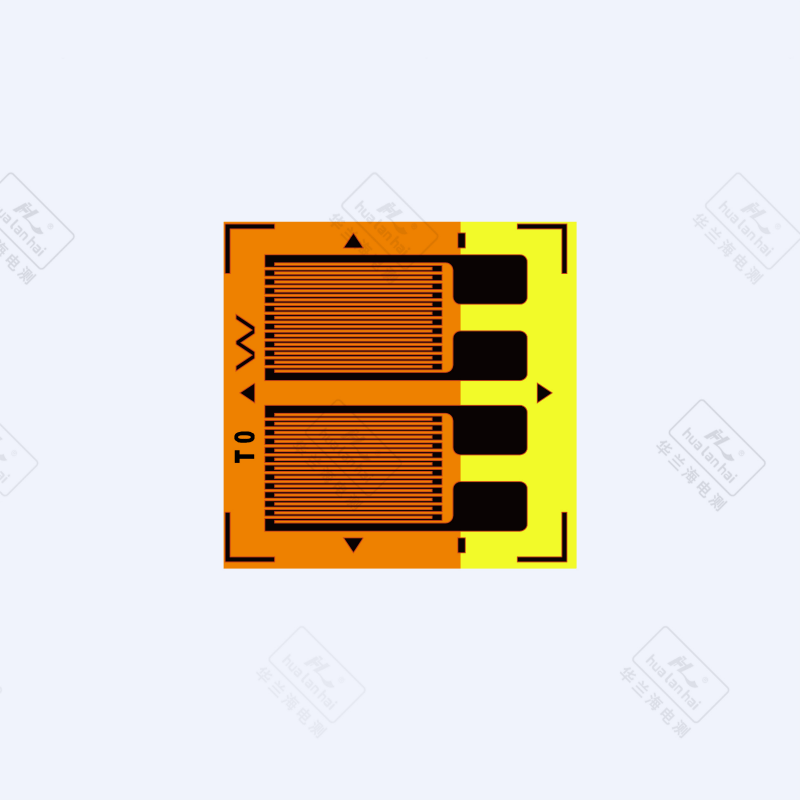
The truck load cell incorporates cutting-edge strain gauge technology that delivers exceptional measurement precision and reliability in demanding commercial applications. This sophisticated sensing mechanism utilizes multiple strain gauges strategically positioned within the load cell structure to detect minute deformations caused by applied weight. When a truck or cargo applies force to the load cell, these strain gauges experience microscopic changes in electrical resistance that correlate directly to the applied load. The truck load cell processes these resistance variations through precision amplification circuits, converting them into accurate digital weight readings with resolution capabilities often reaching 0.01% of the rated capacity. This level of precision ensures compliance with strict transportation regulations while providing operators with confidence in their weight measurements. The strain gauge configuration in truck load cell systems typically employs a full Wheatstone bridge design, which compensates for temperature variations and provides excellent linearity across the entire measurement range. This technical approach eliminates common measurement errors associated with environmental factors, ensuring consistent accuracy regardless of operating conditions. The robust construction of strain gauge elements within the truck load cell utilizes high-quality materials and protective sealing to withstand millions of loading cycles without degradation. Advanced manufacturing processes ensure each strain gauge maintains precise calibration tolerances, contributing to the overall system accuracy. Temperature compensation algorithms integrated into modern truck load cell electronics automatically adjust readings based on ambient conditions, maintaining measurement integrity across operational temperature ranges typically spanning from negative forty to positive seventy degrees Celsius. The strain gauge technology also provides excellent dynamic response characteristics, enabling the truck load cell to capture weight measurements during vehicle motion or dynamic loading situations. This capability proves invaluable for applications requiring weight verification during loading operations or for vehicles that cannot remain stationary during weighing processes.
Comprehensive Digital Integration and Connectivity Solutions

Comprehensive Digital Integration and Connectivity Solutions

Modern truck load cell systems feature advanced digital integration capabilities that seamlessly connect with existing business infrastructure and emerging technologies. These sophisticated connectivity solutions transform traditional weighing operations into comprehensive data management systems that support real-time decision-making and operational optimization. The truck load cell incorporates multiple communication protocols including Ethernet, Wi-Fi, Bluetooth, and cellular connectivity options, enabling flexible integration with various software platforms and hardware systems. This connectivity allows immediate data transmission to central management systems, eliminating manual data entry and reducing administrative overhead while improving accuracy and efficiency. Cloud-based integration capabilities enable truck load cell systems to participate in Internet of Things networks, providing remote monitoring and management capabilities that extend operational visibility beyond physical locations. Fleet managers can access real-time weight data from multiple locations through web-based dashboards, enabling centralized oversight of weighing operations across distributed facilities. The digital architecture of truck load cell systems supports integration with enterprise resource planning software, customer relationship management systems, and specialized logistics applications. This integration creates seamless data flows that enhance operational coordination and customer service delivery. Advanced truck load cell systems feature programmable logic capabilities that enable custom operational workflows and automated processes. These systems can trigger alerts based on predefined weight thresholds, automatically generate compliance reports, and initiate corrective actions when irregularities are detected. Data logging capabilities store extensive historical information that supports trend analysis, operational optimization, and regulatory compliance documentation. The truck load cell systems generate detailed audit trails that satisfy regulatory requirements while providing valuable business intelligence for strategic planning. Mobile device compatibility ensures field personnel can access truck load cell data through smartphones and tablets, enabling immediate decision-making at loading locations. Remote diagnostics capabilities allow technical support teams to monitor system performance and identify potential issues before they impact operations, reducing downtime and maintenance costs while ensuring continuous operational reliability.
Heavy-Duty Construction for Extreme Environmental Durability

Heavy-Duty Construction for Extreme Environmental Durability

The truck load cell demonstrates exceptional durability through robust construction designed to withstand the harshest operational environments encountered in commercial transportation and industrial applications. This heavy-duty engineering approach ensures reliable performance under extreme conditions while maintaining measurement accuracy throughout extended service life. The structural foundation of truck load cell systems utilizes high-grade stainless steel or aircraft-grade aluminum alloy construction that resists corrosion, impact damage, and structural deformation under heavy loads. These materials provide excellent strength-to-weight ratios while maintaining dimensional stability across temperature extremes and varying environmental conditions. Precision machining processes ensure exact tolerances that preserve calibration accuracy throughout the operational lifetime of the truck load cell. Advanced sealing technologies protect internal components from moisture, dust, chemicals, and other environmental contaminants that could compromise measurement accuracy or system reliability. The truck load cell typically achieves IP67 or IP68 environmental protection ratings, enabling operation in wash-down environments, outdoor installations, and industrial settings with aggressive atmospheric conditions. Specialized gaskets and sealing compounds maintain protective barriers while allowing necessary cable connections and mounting hardware access. Vibration resistance represents a critical design consideration for truck load cell applications, where constant vehicle movement and industrial machinery operation create challenging dynamic environments. Advanced isolation techniques and shock-absorbing mounting systems protect sensitive internal components while maintaining measurement stability during operation. The truck load cell construction incorporates redundant protection systems including overload stops that prevent structural damage from accidental excessive loading beyond rated capacity. These protective features ensure system survival during misuse or unexpected loading conditions while preserving calibration accuracy for normal operations. Lightning protection circuits and electromagnetic interference shielding protect electronic components from electrical surges and radio frequency interference common in industrial environments. Temperature compensation extends beyond simple electronic correction to include mechanical design features that minimize thermal expansion effects on measurement accuracy. The truck load cell utilizes materials with matched thermal coefficients and stress-relief designs that maintain dimensional stability across operational temperature ranges. Quality assurance testing subjects each truck load cell to extensive environmental simulation including temperature cycling, humidity exposure, vibration testing, and accelerated aging protocols that verify long-term reliability and performance consistency under real-world operating conditions.

Get a Free Quote

Our representative will contact you soon.
Email
Name
Company Name
WhatsApp
Message
0/1000