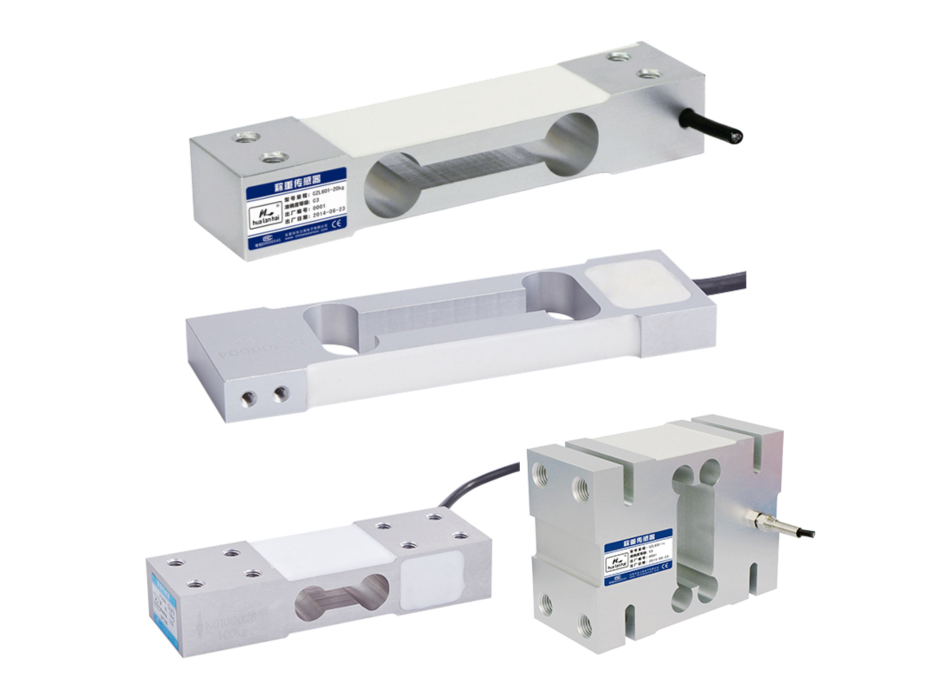
Custom Load Cells - Precision Force Measurement Solutions for Industrial Applications

All Categories

Get a Free Quote

Our representative will contact you soon.
Email
Name
Company Name
WhatsApp
Message
0/1000

custom load cells

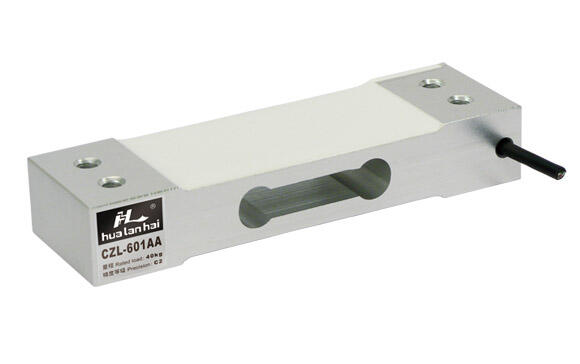
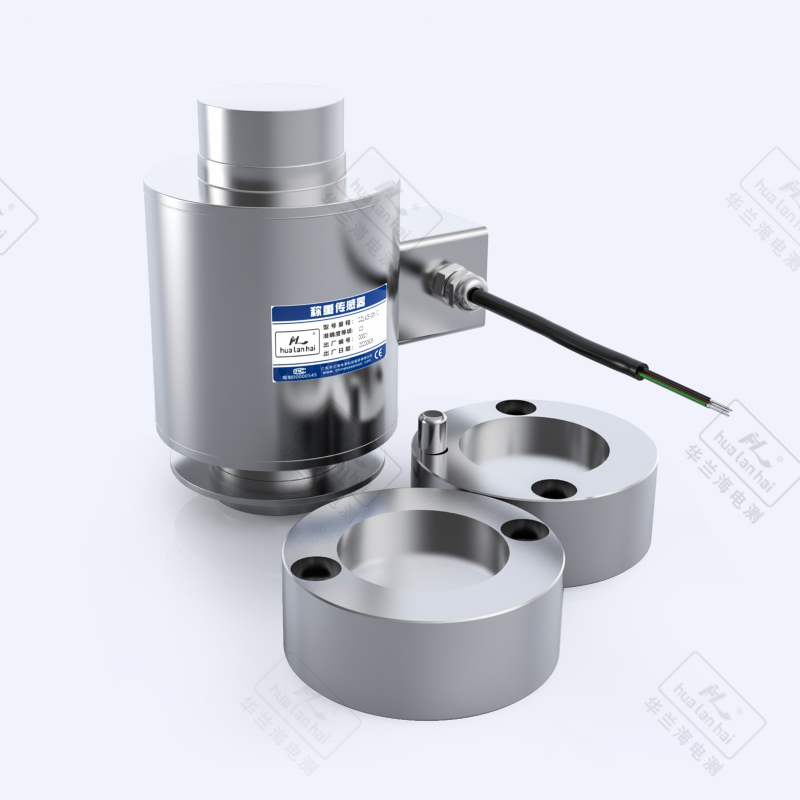
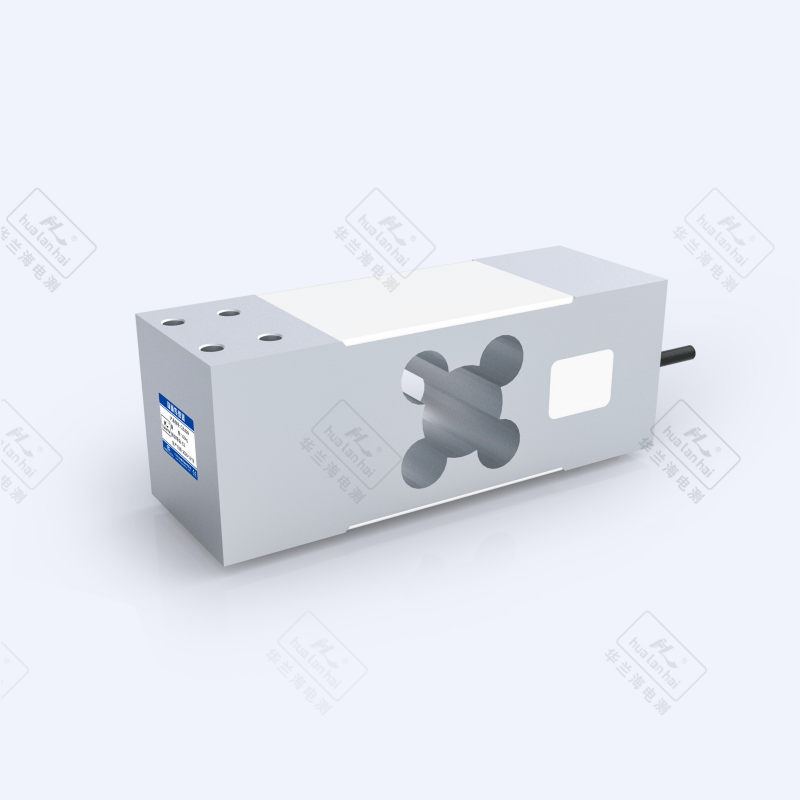
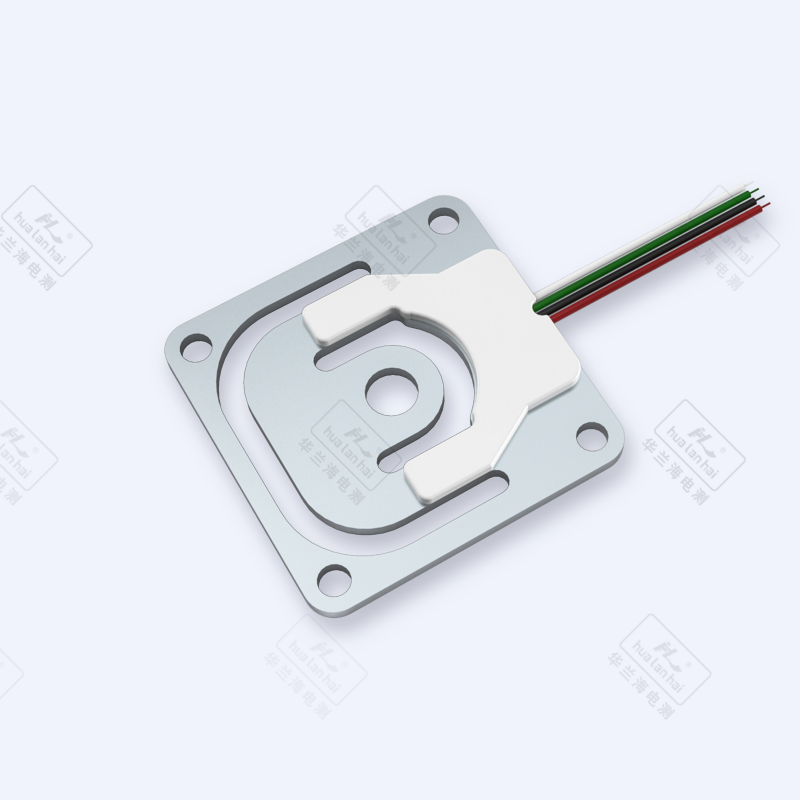
Custom load cells represent a revolutionary advancement in precision measurement technology, offering tailored solutions for specific industrial and commercial applications. These specialized force measurement devices are engineered to meet unique requirements that standard load cells cannot accommodate. Unlike off-the-shelf alternatives, custom load cells are designed from the ground up to match exact specifications, environmental conditions, and performance parameters demanded by specific projects. The primary function of custom load cells centers on converting applied force or weight into measurable electrical signals with exceptional accuracy. These devices utilize strain gauge technology, where mechanical deformation creates proportional electrical output that can be precisely calibrated and monitored. Custom load cells excel in measuring compression, tension, and shear forces across diverse weight ranges, from milligrams to thousands of tons. Their technological features include advanced strain gauge configurations, specialized materials selection, and protective housing designs that ensure reliable operation in challenging environments. Temperature compensation mechanisms maintain accuracy across extreme temperature variations, while sealed construction protects internal components from moisture, dust, and corrosive substances. Digital signal processing capabilities enable real-time data transmission and integration with modern control systems. Applications for custom load cells span numerous industries including aerospace, automotive manufacturing, medical equipment, robotics, and process control systems. In aerospace applications, these devices monitor structural loads and ensure flight safety. Manufacturing facilities use custom load cells for quality control, material testing, and automated production processes. Medical equipment relies on these precision instruments for patient monitoring and diagnostic equipment calibration. The versatility of custom load cells makes them indispensable for research laboratories conducting material analysis, universities performing engineering experiments, and companies developing innovative products requiring precise force measurement. Their ability to operate reliably in extreme conditions, from cryogenic temperatures to high-heat environments, establishes custom load cells as essential components in modern measurement systems.
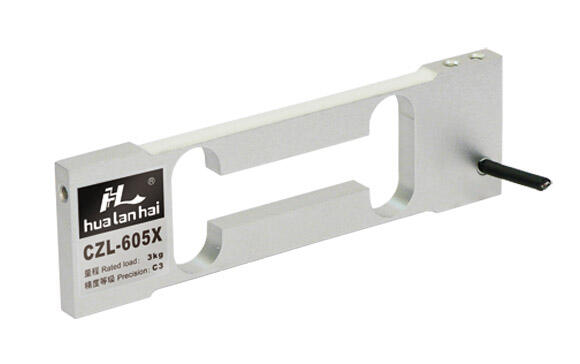
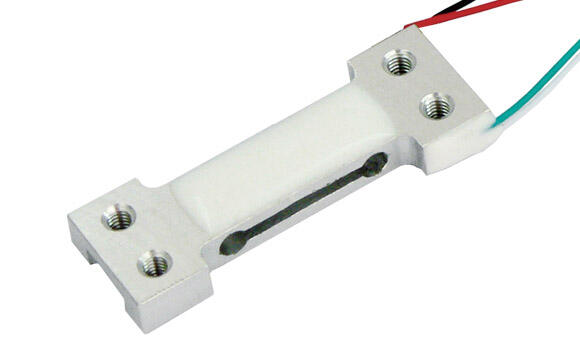
Popular Products

Custom load cells deliver significant practical benefits that directly impact operational efficiency and measurement accuracy for businesses across multiple sectors. The most compelling advantage lies in their precision-engineered design, which eliminates the compromises often required when using standard measurement equipment. Companies receive load cells specifically crafted to match their exact requirements, ensuring optimal performance from day one of installation. This tailored approach reduces installation time and eliminates costly modifications that would otherwise be necessary with generic alternatives. Cost-effectiveness emerges as another major benefit, despite the initial custom design investment. Organizations avoid the expenses associated with adapting existing systems to accommodate standard load cells, including mechanical modifications, additional hardware, and extended installation periods. Custom load cells integrate seamlessly into existing infrastructure, reducing downtime and maintaining productivity during implementation. The enhanced accuracy achieved through customization translates directly into improved product quality and reduced material waste. Manufacturing companies report significant cost savings when their custom load cells provide more precise measurements, leading to tighter quality control and fewer rejected products. Reliability improvements result from the careful selection of materials and construction methods specifically chosen for each application environment. Custom load cells withstand harsh operating conditions that would damage standard alternatives, reducing maintenance requirements and extending operational lifespan. This durability minimizes unexpected equipment failures and the associated production interruptions. Flexibility in design allows custom load cells to accommodate space constraints and mounting requirements that standard products cannot address. Engineers can specify exact dimensions, connection types, and output characteristics that perfectly match their system requirements. This precision fit eliminates the need for complex mounting brackets or signal conditioning equipment that adds complexity and potential failure points. Advanced calibration capabilities ensure that custom load cells maintain their accuracy over extended periods, reducing the frequency and cost of recalibration procedures. Many custom designs incorporate self-diagnostic features that alert operators to potential issues before they affect measurement accuracy. Long-term support and documentation provided with custom load cells enable efficient troubleshooting and maintenance planning, further reducing operational costs and ensuring consistent performance throughout the device lifespan.

Tips And Tricks

Conquering The

25

Nov

Conquering The "Bottleneck" Technologies Is The Greatest Motivation

View More
Guide to Selecting Load Cells

25

Nov

Guide to Selecting Load Cells

View More

Get a Free Quote

Our representative will contact you soon.
Email
Name
Company Name
WhatsApp
Message
0/1000

custom load cells

Precision Engineering for Unmatched Accuracy

Precision Engineering for Unmatched Accuracy

The cornerstone of superior custom load cells lies in their precision engineering approach that delivers unmatched measurement accuracy across all operating conditions. Unlike mass-produced alternatives, these specialized devices undergo meticulous design processes where every component is selected and configured to optimize performance for specific applications. The engineering team analyzes the intended use environment, expected load ranges, required accuracy levels, and environmental factors to create load cells that exceed standard performance expectations. Advanced finite element analysis guides the structural design, ensuring optimal stress distribution and minimizing measurement errors caused by mechanical deformation. Strain gauge placement follows precise mathematical models that account for the specific geometry and material properties of each custom design. This scientific approach results in load cells with accuracy levels often exceeding 0.02% of full scale, significantly better than typical commercial alternatives. Temperature compensation systems are engineered specifically for each application's thermal environment, maintaining accuracy across temperature ranges that would compromise standard load cells. The precision manufacturing process employs state-of-the-art machining centers and quality control procedures that verify dimensional accuracy to micrometers. Each custom load cell undergoes comprehensive testing protocols that simulate real-world operating conditions, ensuring consistent performance before delivery. Calibration procedures are developed specifically for each design, creating traceable accuracy standards that meet the most stringent industry requirements. The result is measurement equipment that provides reliable, repeatable results essential for critical applications in aerospace, medical devices, and precision manufacturing. This level of accuracy enables companies to implement more efficient processes, reduce material waste, and improve product quality while meeting regulatory compliance requirements that demand precise measurement capabilities.
Environmental Adaptability and Durability

Environmental Adaptability and Durability

Custom load cells demonstrate exceptional environmental adaptability through specialized design features that ensure reliable operation in the most challenging conditions. The engineering process begins with comprehensive analysis of the operating environment, including temperature extremes, humidity levels, chemical exposure, vibration patterns, and electromagnetic interference sources. This detailed assessment drives material selection and protective coating specifications that create load cells capable of withstanding conditions that would destroy standard alternatives. Stainless steel construction with specialized alloys provides corrosion resistance in marine environments, chemical processing facilities, and outdoor installations exposed to harsh weather conditions. Hermetic sealing techniques protect sensitive internal components from moisture infiltration and contamination that could compromise measurement accuracy over time. Advanced gasket materials and welded construction methods create barriers against dust, debris, and corrosive substances while maintaining the mechanical integrity required for accurate force measurement. Temperature compensation systems are calibrated for specific operating ranges, ensuring measurement accuracy from cryogenic applications below -200°C to high-temperature processes exceeding 500°C. Vibration isolation features minimize the impact of mechanical disturbances common in industrial environments, maintaining stable readings despite nearby machinery operation. Electromagnetic shielding protects against interference from motors, welding equipment, and radio frequency sources that could disrupt sensitive measurement circuits. The robust construction methods employed in custom load cells extend operational lifespan significantly beyond standard alternatives, reducing replacement costs and maintenance requirements. Field-proven designs demonstrate years of reliable service in demanding applications including offshore oil platforms, steel mills, and automated manufacturing systems. This durability translates into lower total cost of ownership and improved system reliability for critical measurement applications.
Seamless Integration and Scalability

Seamless Integration and Scalability

Custom load cells excel in providing seamless integration capabilities that eliminate the complexity and costs associated with adapting existing systems to accommodate standard measurement equipment. The design process prioritizes compatibility with existing infrastructure, control systems, and data acquisition networks to minimize implementation disruption and reduce installation expenses. Engineering teams work closely with customers to understand current system architectures, signal requirements, and communication protocols, ensuring that new custom load cells integrate effortlessly into established workflows. Mechanical interfaces are designed to match existing mounting configurations, eliminating the need for costly structural modifications or custom brackets that add complexity and potential failure points. Electrical output specifications are tailored to work directly with existing amplifiers, controllers, and data logging systems, avoiding the expense and reliability concerns associated with signal conversion equipment. Communication protocols can be customized to support legacy systems while providing upgrade paths for future technology adoption. This flexibility ensures that custom load cells remain viable investments as systems evolve and expand over time. Scalability features enable organizations to implement measurement solutions that grow with their operational needs, from single-point monitoring to comprehensive multi-channel systems covering entire production lines. Standardized interfaces within custom designs allow for easy expansion without requiring complete system redesigns or extensive recalibration procedures. Digital output options support modern industrial networks including Ethernet, Profibus, and wireless communication systems that enable remote monitoring and predictive maintenance capabilities. The modular approach used in many custom load cell designs facilitates easy replacement and upgrade procedures, protecting long-term investment value while ensuring continued performance improvements. Documentation packages include detailed integration guides, wiring diagrams, and software examples that streamline installation and commissioning processes. Technical support throughout the integration process ensures successful implementation and optimal performance from the initial startup through long-term operation, providing customers with confidence in their measurement system reliability and accuracy.

Get a Free Quote

Our representative will contact you soon.
Email
Name
Company Name
WhatsApp
Message
0/1000