Advanced Wireless Weigh in Motion System - Real-Time Vehicle Weight Monitoring Solutions

All Categories

Get a Free Quote

Our representative will contact you soon.
Email
Name
Company Name
WhatsApp
Message
0/1000

wireless weigh in motion system

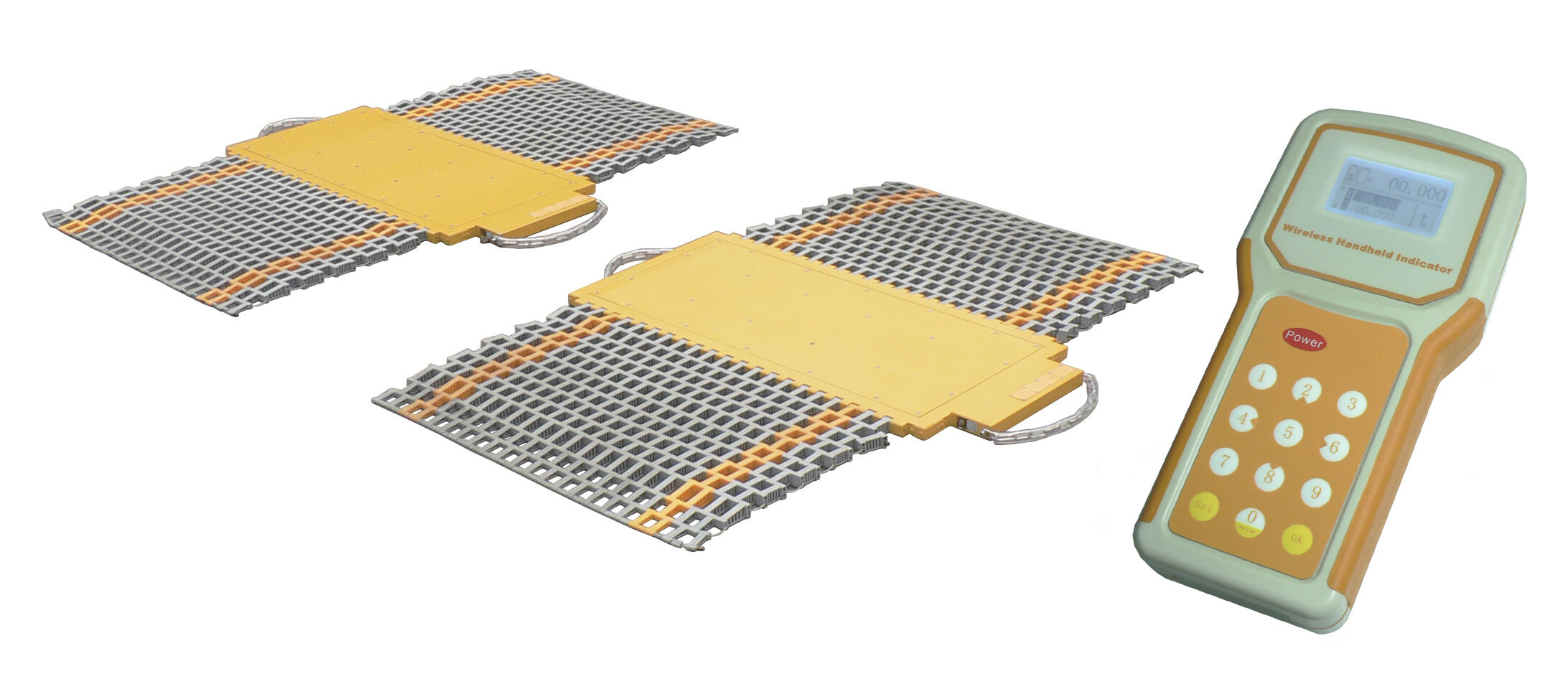
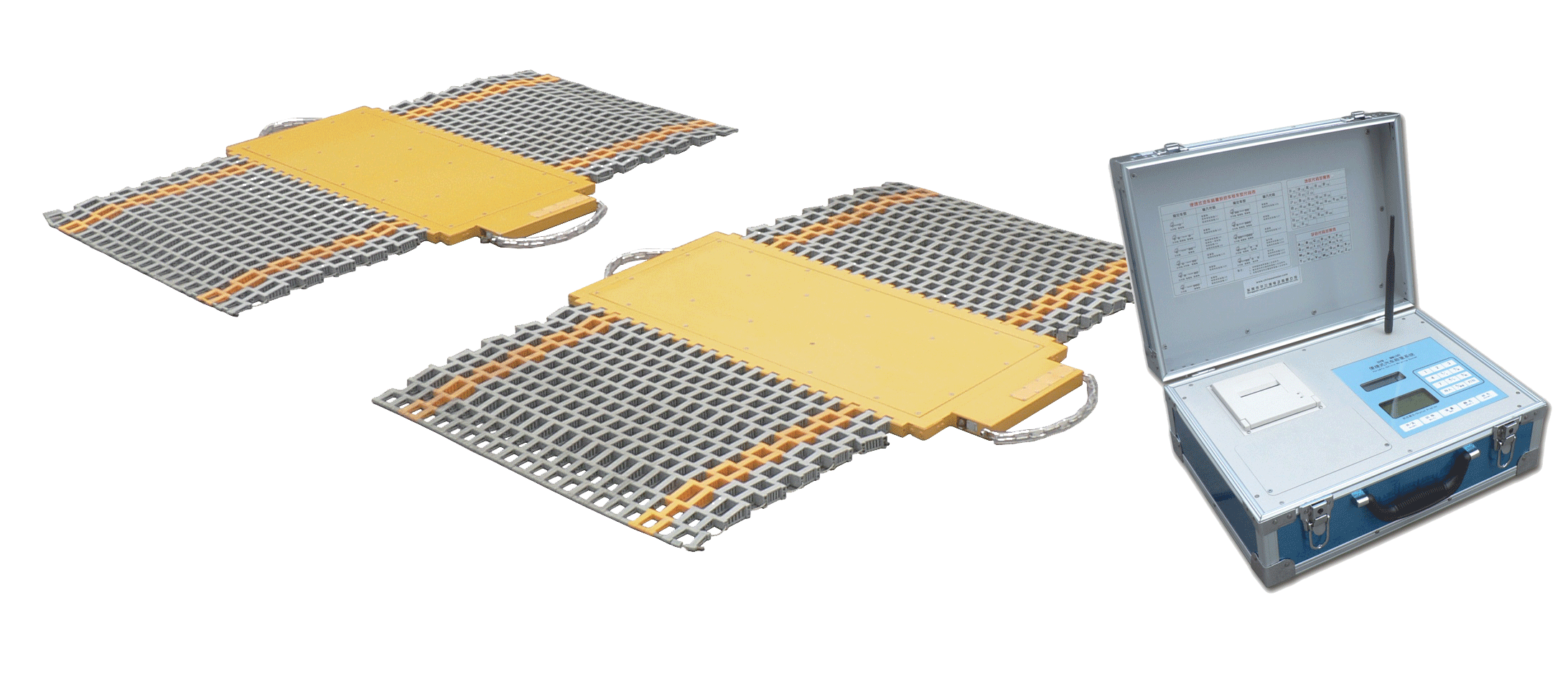
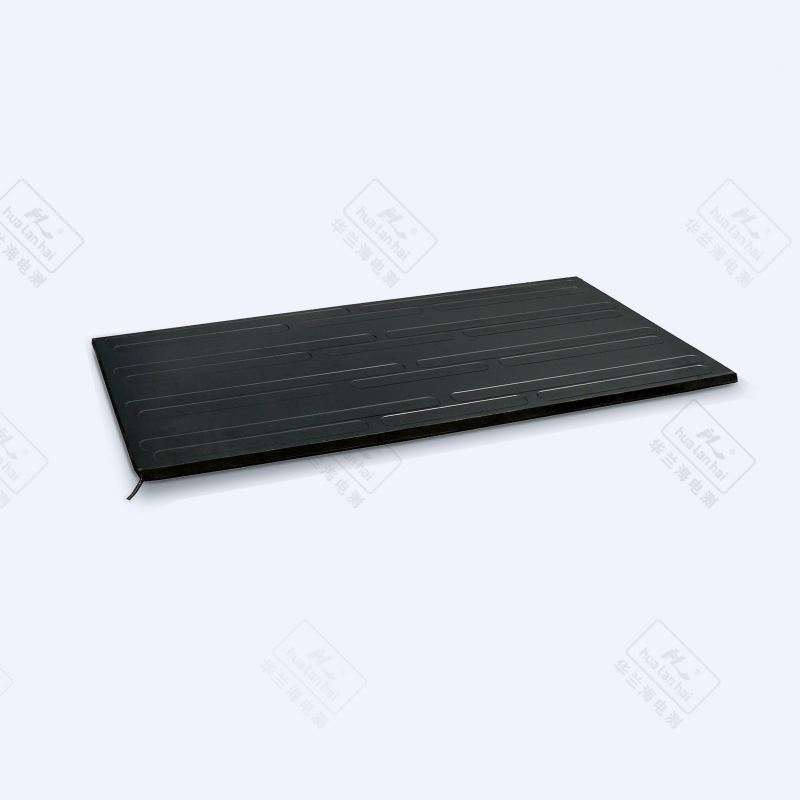
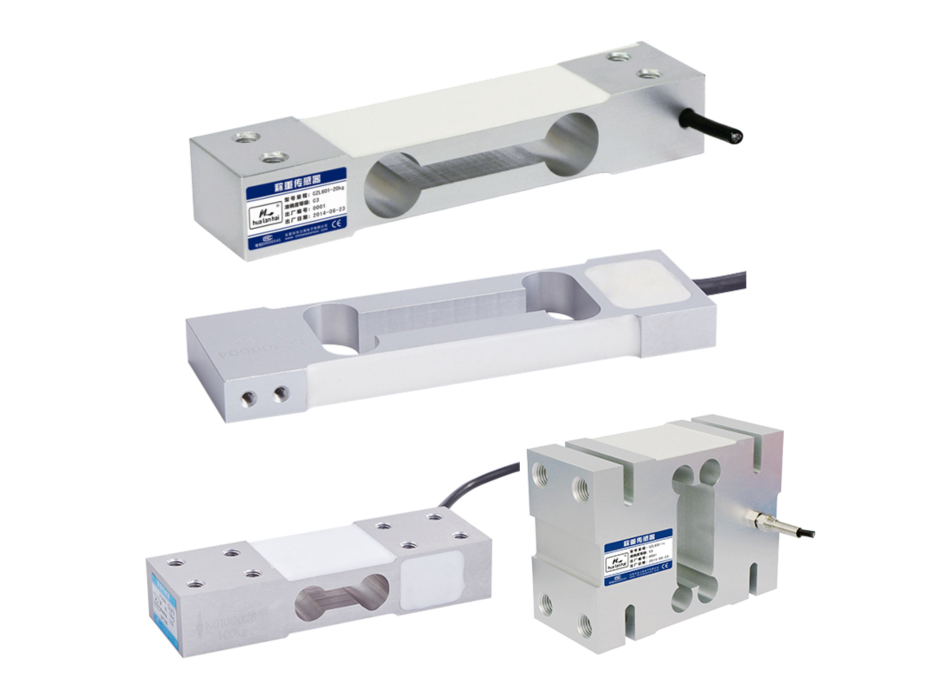
The wireless weigh in motion system represents a revolutionary advancement in vehicle weighing technology that transforms how transportation authorities, logistics companies, and industrial facilities monitor vehicle weights. This sophisticated system eliminates the need for vehicles to stop during the weighing process, enabling continuous traffic flow while capturing accurate weight measurements. The wireless weigh in motion system utilizes advanced sensor technology embedded directly into roadways or temporary installations to detect and measure vehicle weights as they pass over designated areas at normal driving speeds. The core functionality centers around piezoelectric sensors, load cells, and advanced digital processing units that work together to capture precise weight data for individual axles and gross vehicle weight. These measurements are instantly transmitted through wireless communication protocols to centralized monitoring stations where data can be analyzed, stored, and integrated with traffic management systems. The technological architecture incorporates multiple sensor types including strain gauges and quartz sensors that respond to the mechanical stress created by vehicle wheels. Signal processing algorithms filter out environmental noise and compensate for variables such as vehicle speed, temperature fluctuations, and road surface conditions to ensure measurement accuracy. The wireless weigh in motion system operates effectively across various vehicle types, from passenger cars to heavy commercial trucks, automatically classifying vehicles and recording corresponding weight data. Installation flexibility allows deployment on permanent highway locations, temporary construction zones, or portable configurations for special enforcement operations. Data transmission capabilities support real-time monitoring through cellular networks, Wi-Fi connections, or satellite communication systems, enabling remote access to weighing information from any location. The system integrates seamlessly with existing traffic management infrastructure, providing valuable data for load limit enforcement, infrastructure protection, and logistics optimization. Advanced features include automatic violation detection, comprehensive reporting capabilities, and integration with automated citation systems for regulatory compliance.

New Product Recommendations

The wireless weigh in motion system delivers exceptional operational efficiency by eliminating traffic disruptions typically associated with traditional static weighing methods. Transportation authorities benefit from continuous traffic flow monitoring without creating bottlenecks that lead to congestion, fuel waste, and driver frustration. The system operates around the clock, capturing weight data from every passing vehicle without requiring manual intervention or stopping procedures. This automation significantly reduces labor costs while increasing data collection volume and consistency. Installation costs prove substantially lower compared to permanent weigh stations, as the wireless weigh in motion system requires minimal infrastructure modifications and can be deployed rapidly across multiple locations. The portable nature of many wireless configurations allows authorities to relocate equipment based on changing enforcement priorities or seasonal traffic patterns. Maintenance requirements remain minimal due to robust sensor design and wireless connectivity that eliminates complex wiring installations vulnerable to damage from weather or construction activities. The system provides real-time alerts for overweight violations, enabling immediate enforcement actions that protect road infrastructure from damage caused by excessive vehicle loads. Data accuracy improvements result from advanced calibration systems and environmental compensation algorithms that account for temperature variations, surface conditions, and vehicle dynamics. The wireless weigh in motion system generates comprehensive databases supporting infrastructure planning decisions, load distribution analysis, and traffic pattern studies that inform long-term transportation strategies. Integration capabilities with existing enforcement systems streamline citation processes and evidence collection for legal proceedings. Revenue generation opportunities emerge through automated fine collection systems and improved compliance rates as drivers become aware of consistent monitoring presence. The technology supports environmental benefits by reducing vehicle emissions from idling in traditional weigh station queues while promoting more efficient freight movement. Scalability allows organizations to expand monitoring coverage gradually based on budget availability and operational priorities. Remote monitoring capabilities enable supervisors to oversee multiple locations simultaneously, optimizing resource allocation and response coordination. The system provides valuable data analytics supporting predictive maintenance schedules for road surfaces and bridges based on actual traffic loading patterns rather than theoretical calculations.

Practical Tips

Conquering The

25

Nov

Conquering The "Bottleneck" Technologies Is The Greatest Motivation

View More
Guide to Selecting Load Cells

25

Nov

Guide to Selecting Load Cells

View More

Get a Free Quote

Our representative will contact you soon.
Email
Name
Company Name
WhatsApp
Message
0/1000

wireless weigh in motion system

Advanced Sensor Technology and Precision Measurement

Advanced Sensor Technology and Precision Measurement

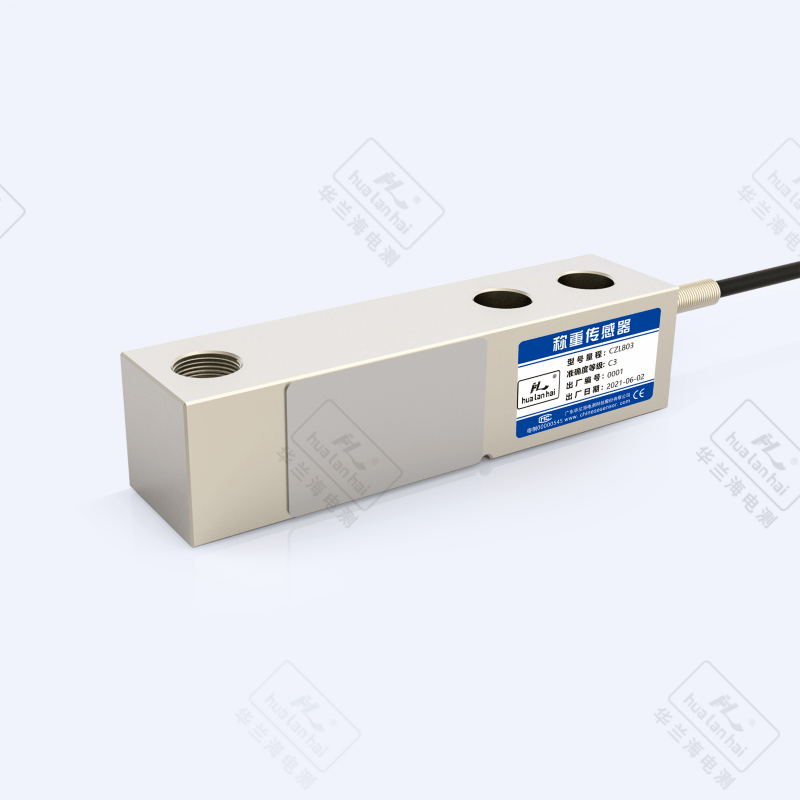
The wireless weigh in motion system incorporates cutting-edge sensor technology that delivers exceptional measurement accuracy while maintaining the flexibility of wireless operation. The foundation of this precision lies in sophisticated piezoelectric sensors and strain gauge load cells that respond instantly to vehicle weight distribution across multiple axles. These sensors utilize crystalline materials that generate electrical signals proportional to applied mechanical stress, enabling precise weight calculations even at highway speeds. The wireless architecture eliminates traditional cable installations that often suffer from environmental damage, signal interference, and maintenance complications. Advanced digital signal processing algorithms continuously analyze sensor data to compensate for variables such as vehicle speed variations, road surface irregularities, and environmental conditions including temperature fluctuations and moisture levels. The system employs multiple sensor arrays strategically positioned to capture comprehensive weight distribution data, enabling accurate gross vehicle weight calculations and individual axle load measurements. Calibration procedures utilize certified test vehicles and automated adjustment protocols that maintain measurement accuracy within industry standards over extended operational periods. The wireless weigh in motion system features self-diagnostic capabilities that monitor sensor performance and communication integrity, automatically alerting maintenance personnel to potential issues before they affect measurement quality. Temperature compensation algorithms adjust readings based on environmental conditions, ensuring consistent accuracy across seasonal variations and different geographic locations. The sensor design incorporates weatherproof housing and corrosion-resistant materials that withstand harsh environmental conditions while maintaining measurement precision. Dynamic load distribution analysis provides detailed insights into vehicle loading patterns, enabling identification of improperly loaded vehicles that may pose safety risks. The system captures high-resolution data at sampling rates sufficient to track rapid weight changes during vehicle passage, supporting accurate measurements even for vehicles traveling at varying speeds. Integration with GPS positioning systems enables precise location tracking of weight measurements, supporting enforcement actions and infrastructure impact analysis. Advanced filtering algorithms distinguish between vehicle-induced signals and environmental noise, ensuring measurement reliability in locations with heavy traffic volumes or nearby construction activities.
Seamless Integration and Real-Time Data Management

Seamless Integration and Real-Time Data Management

The wireless weigh in motion system excels in providing seamless integration capabilities with existing transportation infrastructure and management systems, delivering real-time data accessibility that transforms operational efficiency. The wireless communication architecture supports multiple connectivity options including cellular networks, satellite communication, and Wi-Fi systems, ensuring reliable data transmission regardless of installation location or existing infrastructure limitations. Real-time data processing enables immediate identification of overweight vehicles, triggering automated alerts to enforcement personnel and integration with traffic management systems for coordinated response actions. The system database architecture supports cloud-based storage solutions that provide unlimited scalability while ensuring data security and backup redundancy. Integration protocols accommodate various traffic management platforms, enabling seamless data exchange with existing monitoring systems, automated citation platforms, and regulatory reporting requirements. The wireless weigh in motion system features user-friendly dashboard interfaces that present weight data through intuitive visualizations, trend analysis, and customizable reporting formats tailored to specific operational needs. Mobile application support allows field personnel to access real-time weight data, vehicle classification information, and violation alerts directly from smartphones or tablets, enhancing response coordination and evidence collection capabilities. Automated data validation procedures cross-reference weight measurements with vehicle classification data, identifying potential measurement errors or system anomalies that require attention. The system supports configurable alert thresholds that accommodate different weight limits for various vehicle categories, road classifications, and seasonal restrictions. Historical data analysis capabilities enable transportation authorities to identify traffic patterns, seasonal variations, and infrastructure impact trends that support long-term planning decisions. Integration with automated license plate recognition systems creates comprehensive vehicle profiles combining weight data with identification information for enhanced enforcement capabilities. The wireless weigh in motion system accommodates remote configuration changes, allowing system administrators to adjust operational parameters, update weight limits, and modify alert settings without requiring on-site visits. Data export capabilities support various formats compatible with statistical analysis software, regulatory reporting systems, and infrastructure planning tools. The system maintains detailed audit trails documenting all data access, configuration changes, and maintenance activities to ensure compliance with regulatory requirements and quality assurance standards.
Cost-Effective Deployment and Operational Flexibility

Cost-Effective Deployment and Operational Flexibility

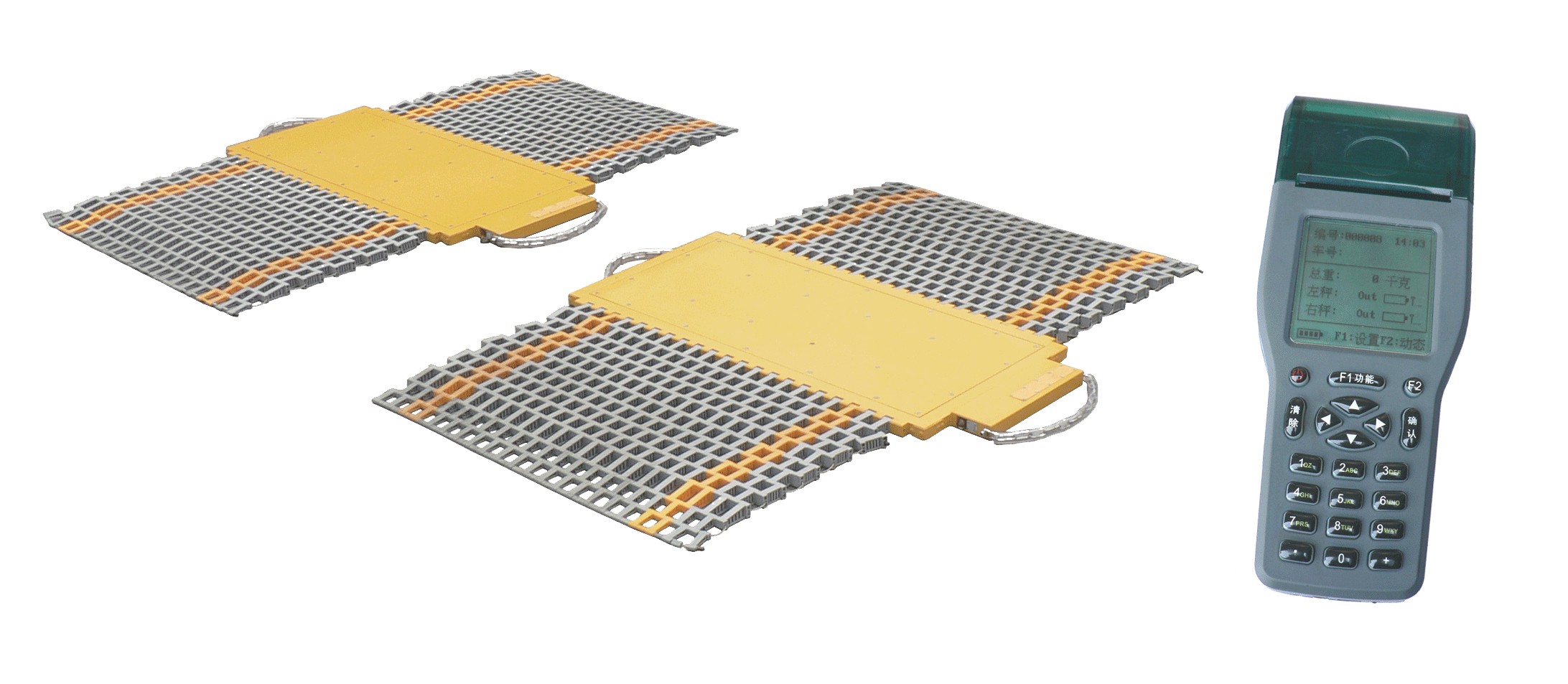
The wireless weigh in motion system delivers exceptional value through cost-effective deployment strategies and operational flexibility that adapts to diverse monitoring requirements across various transportation environments. Initial installation costs remain significantly lower than traditional permanent weigh stations, as the wireless architecture eliminates expensive infrastructure modifications including extensive electrical work, communication trenching, and permanent building construction. The modular design enables rapid deployment across multiple locations using standardized components that reduce inventory requirements and simplify maintenance procedures. Portable configurations allow temporary installations for special enforcement operations, construction zone monitoring, or seasonal weight restrictions without permanent infrastructure commitments. The wireless weigh in motion system supports scalable expansion strategies that enable organizations to implement monitoring coverage gradually based on budget availability and operational priorities. Reduced maintenance requirements result from wireless connectivity that eliminates vulnerable cable installations prone to damage from weather, construction activities, or vandalism. The system operates effectively in remote locations where traditional communication infrastructure may be limited or unavailable, utilizing satellite communication or cellular networks to maintain connectivity. Energy efficiency features including solar power options and low-power wireless components reduce operational costs while supporting environmentally sustainable monitoring practices. The flexible deployment model accommodates various road types including highways, urban streets, bridge approaches, and industrial facility entrances without requiring extensive site preparation or traffic disruption during installation. Revenue generation opportunities emerge through improved enforcement effectiveness, automated citation systems, and reduced infrastructure damage from overweight vehicles. The wireless weigh in motion system provides rapid return on investment through operational cost savings, increased citation revenue, and infrastructure protection benefits. Training requirements remain minimal due to intuitive user interfaces and automated system operation, reducing personnel costs and implementation timeframes. The system supports multiple deployment configurations including permanent installations, semi-permanent setups, and completely portable operations that can be relocated based on changing enforcement priorities. Standardized components and modular architecture facilitate spare parts management and reduce long-term maintenance costs. The wireless weigh in motion system accommodates future technology upgrades through software updates and component replacements without requiring complete system replacement. Flexible licensing models allow organizations to adjust system capabilities based on operational requirements and budget constraints while maintaining upgrade pathways for enhanced functionality.

Get a Free Quote

Our representative will contact you soon.
Email
Name
Company Name
WhatsApp
Message
0/1000