Complete Guide to Types of Load Cell for Weighbridge Systems - Accuracy, Durability & Digital Integration

All Categories

Get a Free Quote

Our representative will contact you soon.
Email
Name
Company Name
WhatsApp
Message
0/1000

types of load cell for weighbridge

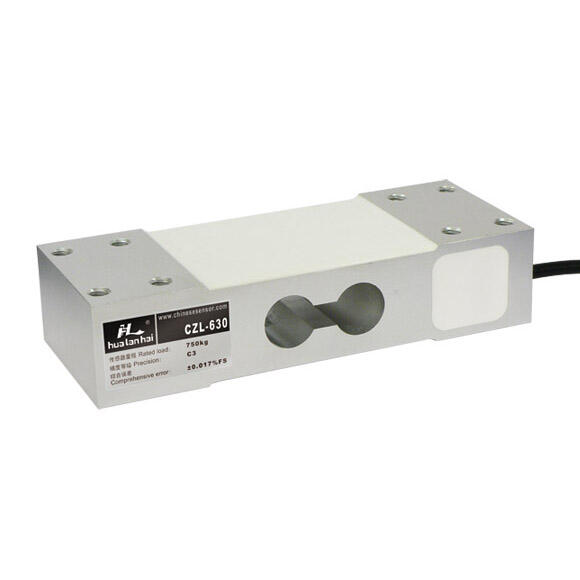
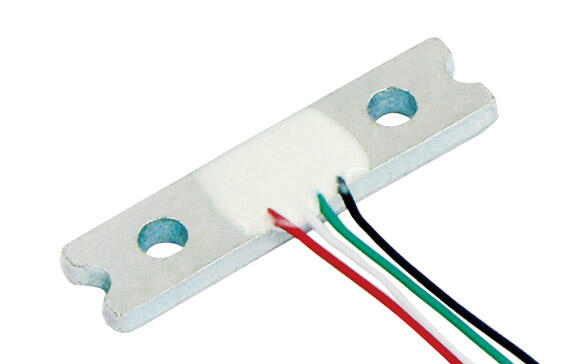
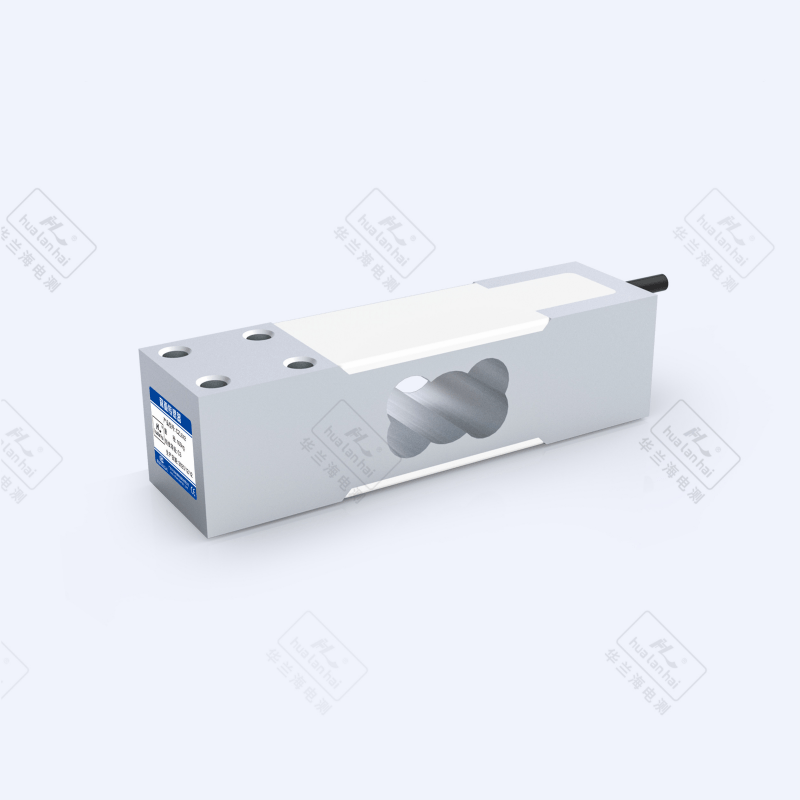
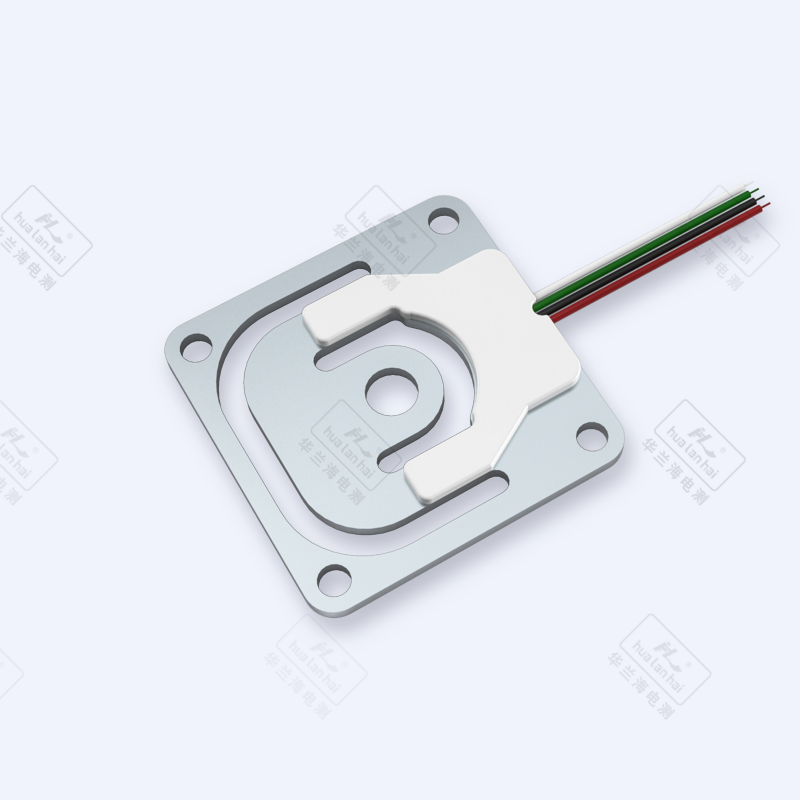
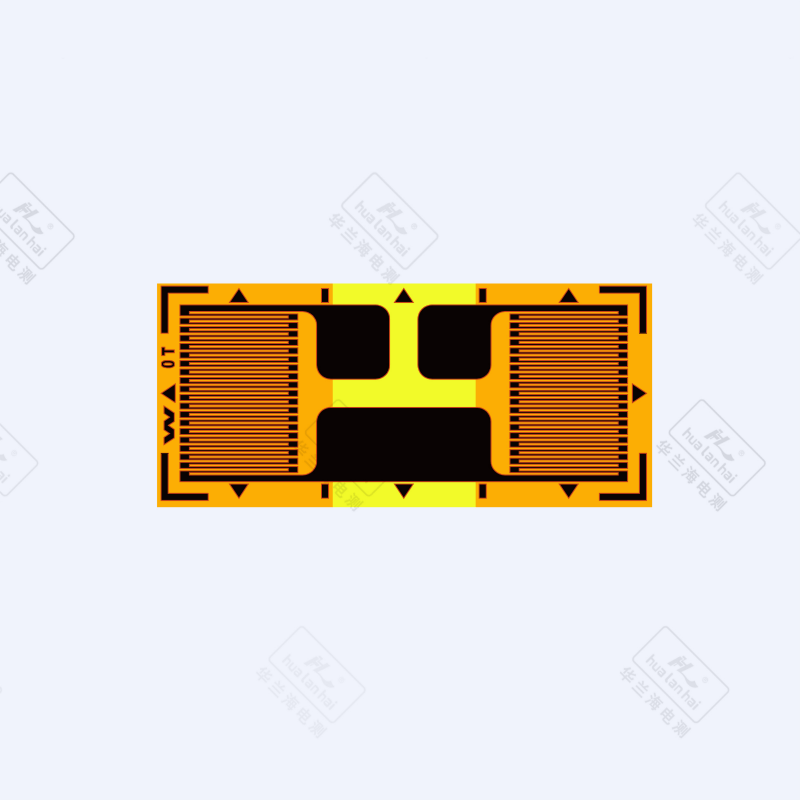
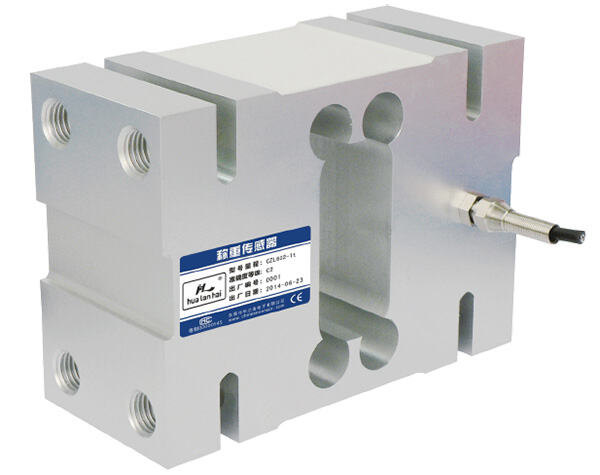
Weighbridges serve as critical infrastructure components for accurate weight measurement across numerous industries, and the selection of appropriate types of load cell for weighbridge systems directly impacts measurement precision and operational efficiency. These sophisticated sensing devices convert mechanical force into electrical signals, enabling precise weight determination for vehicles ranging from small delivery trucks to massive industrial haulers. The primary function of load cells within weighbridge applications centers on detecting the gravitational force exerted by vehicles and cargo, transforming this physical pressure into quantifiable digital data that operators can interpret and record. Modern weighbridge installations typically employ multiple load cells strategically positioned beneath the weighing platform to distribute load detection responsibilities and enhance overall measurement accuracy. The technological features of contemporary types of load cell for weighbridge systems incorporate advanced strain gauge technology, which utilizes the principle of electrical resistance changes under mechanical stress. These sensors demonstrate exceptional sensitivity to minute force variations while maintaining robust construction capable of withstanding harsh environmental conditions, including extreme temperatures, moisture exposure, and continuous heavy-duty operation. Digital signal processing capabilities integrated within modern load cell designs enable real-time data transmission to control systems, facilitating immediate weight calculations and reducing potential measurement errors. Applications for weighbridge load cells span diverse industrial sectors, including transportation logistics, mining operations, agricultural commodity handling, waste management facilities, and manufacturing plants where precise weight documentation remains essential for regulatory compliance and operational control. Construction materials vary among different types of load cell for weighbridge implementations, with stainless steel housings providing corrosion resistance for outdoor installations, while specialized alloy compositions ensure long-term dimensional stability under repeated loading cycles. Calibration procedures for these precision instruments follow stringent industry standards, guaranteeing measurement accuracy that meets legal metrology requirements for commercial transactions and regulatory reporting purposes.

Popular Products

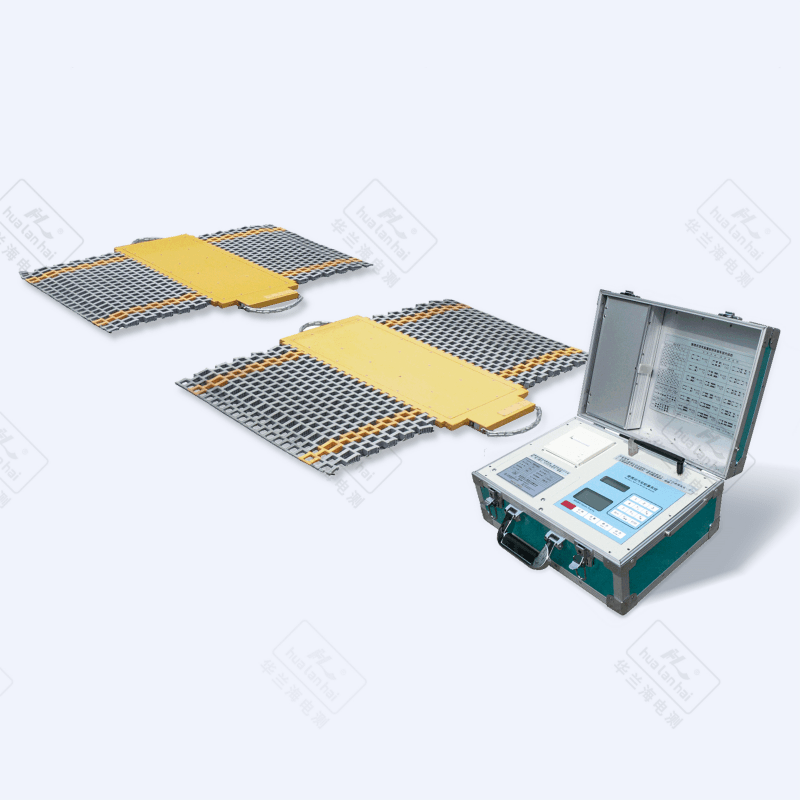
The implementation of modern types of load cell for weighbridge systems delivers substantial operational benefits that directly translate into improved business efficiency and cost savings for facility operators. These advanced sensing technologies provide unmatched accuracy levels, typically achieving measurement precision within 0.1 percent of actual vehicle weights, which significantly reduces disputes with customers and ensures compliance with transportation weight regulations. This enhanced accuracy eliminates costly penalties associated with overweight vehicle citations while optimizing cargo loading strategies to maximize payload utilization without exceeding legal limits. Durability represents another compelling advantage of quality types of load cell for weighbridge installations, as these robust devices withstand millions of loading cycles without performance degradation, resulting in reduced maintenance costs and extended service life compared to mechanical weighing alternatives. The weather-resistant construction of modern load cells ensures reliable operation across diverse climate conditions, from scorching desert heat to freezing arctic temperatures, maintaining consistent performance regardless of environmental challenges. Installation flexibility allows these systems to accommodate various weighbridge configurations, including portable units for temporary sites and permanent installations for high-volume operations, providing scalable solutions that adapt to evolving business requirements. Digital connectivity features enable seamless integration with existing facility management systems, allowing real-time weight data transmission to inventory control software, billing systems, and regulatory reporting platforms without manual data entry requirements. This automation capability reduces human error potential while accelerating transaction processing speeds, improving customer satisfaction through shorter wait times. Energy efficiency characteristics of modern types of load cell for weighbridge systems minimize power consumption requirements, reducing operational costs while supporting sustainable business practices. The modular design approach facilitates individual component replacement without complete system overhauls, ensuring cost-effective maintenance strategies that minimize downtime during repair operations. Advanced diagnostic capabilities provide early warning indicators for potential component failures, enabling proactive maintenance scheduling that prevents unexpected system interruptions and maintains continuous operational availability for critical weighing applications.

Latest News

Conquering The

25

Nov

Conquering The "Bottleneck" Technologies Is The Greatest Motivation

View More

Get a Free Quote

Our representative will contact you soon.
Email
Name
Company Name
WhatsApp
Message
0/1000

types of load cell for weighbridge

Superior Accuracy and Precision Technology

Superior Accuracy and Precision Technology

The exceptional measurement precision delivered by advanced types of load cell for weighbridge systems represents a fundamental competitive advantage that transforms operational efficiency across numerous industries. These sophisticated devices utilize cutting-edge strain gauge technology combined with digital signal processing to achieve measurement accuracy levels that consistently exceed industry standards, typically maintaining precision within 0.1 percent of actual weights even under challenging environmental conditions. This remarkable accuracy stems from the implementation of multiple redundant sensors strategically positioned throughout the weighbridge platform, creating a comprehensive measurement network that eliminates single-point failure risks while ensuring consistent results across the entire weighing surface. The technological foundation supporting this precision includes temperature compensation mechanisms that automatically adjust readings based on ambient conditions, preventing thermal expansion effects from compromising measurement integrity. Advanced filtering algorithms process raw sensor data to eliminate vibration-induced noise and electromagnetic interference, delivering stable readings even in high-traffic industrial environments where external disturbances frequently occur. Quality types of load cell for weighbridge applications incorporate self-diagnostic capabilities that continuously monitor sensor performance parameters, immediately alerting operators to potential calibration drift or component degradation before accuracy becomes compromised. This proactive monitoring approach enables preventive maintenance scheduling that maintains peak performance levels throughout the system's operational lifetime. The practical benefits of superior accuracy extend far beyond simple weight determination, directly impacting profitability through optimized cargo loading strategies that maximize payload utilization without exceeding legal weight limits. Transportation companies utilizing precise weighbridge systems reduce fuel costs by ensuring optimal vehicle loading while avoiding expensive overweight fines that can significantly impact operational margins. Manufacturing facilities benefit from accurate raw material inventory control that enables just-in-time production scheduling and reduces material waste through precise batch measurements. Agricultural operations leverage accurate weighing data for crop yield analysis and commodity trading transactions where small weight variations can represent substantial financial implications.
Unmatched Durability and Environmental Resistance

Unmatched Durability and Environmental Resistance

The robust construction characteristics of premium types of load cell for weighbridge applications ensure exceptional longevity and reliable performance under the most demanding operational conditions, delivering outstanding return on investment through reduced maintenance requirements and extended service life. These precision instruments feature hardened stainless steel housings with specialized protective coatings that resist corrosion, chemical exposure, and mechanical damage from heavy vehicle traffic, maintaining structural integrity throughout decades of continuous operation. Advanced sealing technologies protect sensitive internal components from moisture infiltration, dust contamination, and temperature fluctuations, ensuring consistent performance regardless of harsh environmental challenges including extreme weather conditions, chemical spills, or corrosive atmospheric conditions commonly encountered in industrial facilities. The engineering excellence behind durable types of load cell for weighbridge systems incorporates fatigue-resistant materials specifically selected to withstand millions of loading cycles without performance degradation, utilizing advanced metallurgy techniques that prevent stress concentration points where failure typically initiates. Shock-absorbing mounting systems distribute dynamic loads evenly across the sensor structure, protecting delicate strain gauge elements from impact damage caused by aggressive vehicle approaches or sudden braking maneuvers on the weighbridge platform. Temperature stability remains critical for maintaining accuracy across seasonal variations, with premium load cells incorporating thermal expansion compensation that maintains calibration integrity from arctic conditions to desert heat extremes. The modular design philosophy enables selective component replacement without complete system replacement, significantly reducing long-term ownership costs while maintaining operational continuity during maintenance procedures. Quality manufacturers subject their types of load cell for weighbridge products to rigorous testing protocols that simulate years of operational stress within accelerated timeframes, ensuring reliable performance predictions and warranty confidence for end users. This comprehensive durability approach translates into substantial cost savings through reduced downtime, lower maintenance expenses, and extended replacement intervals that improve overall operational efficiency while minimizing capital expenditure requirements for facility operators managing tight budgetary constraints.
Advanced Digital Integration and Connectivity Solutions

Advanced Digital Integration and Connectivity Solutions

Modern types of load cell for weighbridge systems incorporate sophisticated digital communication capabilities that revolutionize data management and operational efficiency through seamless integration with existing facility management infrastructure. These intelligent sensors feature built-in analog-to-digital conversion with high-resolution output signals that eliminate external signal conditioning requirements while providing superior noise immunity compared to traditional analog systems. Advanced communication protocols including Ethernet, RS-485, and wireless connectivity options enable real-time data transmission to central monitoring systems, facilitating immediate weight calculations and automated record keeping that eliminates manual data entry errors while accelerating transaction processing speeds. The digital architecture supporting modern types of load cell for weighbridge applications includes onboard microprocessors that perform sophisticated signal processing algorithms, automatically compensating for temperature variations, non-linearity effects, and hysteresis while providing continuous self-diagnostics that monitor sensor health and performance parameters. This intelligent processing capability enables predictive maintenance scheduling based on actual component condition rather than arbitrary time intervals, optimizing maintenance costs while preventing unexpected failures that could disrupt critical operations. Integration flexibility allows these advanced systems to communicate directly with enterprise resource planning software, inventory management systems, and regulatory reporting platforms, creating comprehensive data workflows that support business intelligence analytics and operational optimization initiatives. Remote monitoring capabilities enable facility managers to access real-time weighbridge performance data from mobile devices or off-site locations, providing unprecedented operational visibility and control flexibility that supports modern business requirements for distributed management approaches. The scalability of digital types of load cell for weighbridge systems accommodates future expansion requirements through modular architecture that supports additional sensors, upgraded software capabilities, and enhanced communication features without complete system replacement. Data logging capabilities automatically maintain detailed transaction records with timestamp information, vehicle identification, and weight measurements that satisfy regulatory compliance requirements while supporting detailed operational analysis for process improvement initiatives. Cloud connectivity options enable secure data backup and multi-site monitoring capabilities that support large-scale operations with multiple weighbridge locations requiring centralized management and reporting coordination.

Get a Free Quote

Our representative will contact you soon.
Email
Name
Company Name
WhatsApp
Message
0/1000