High Speed Vehicle Weighing System - Advanced Dynamic Weighing Technology for Transportation Infrastructure

All Categories

Get a Free Quote

Our representative will contact you soon.
Email
Name
Company Name
WhatsApp
Message
0/1000

high speed vehicle weighing system

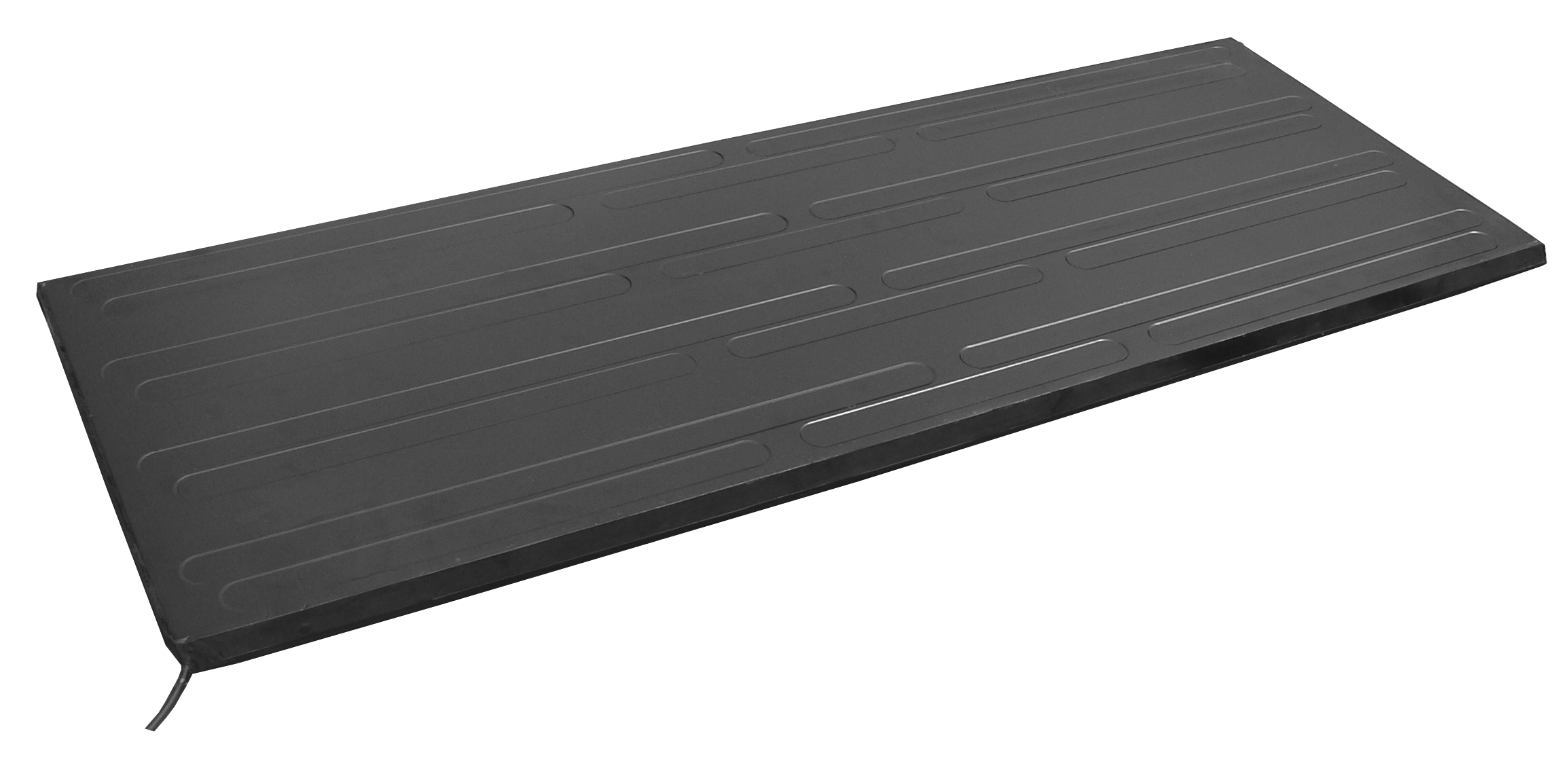
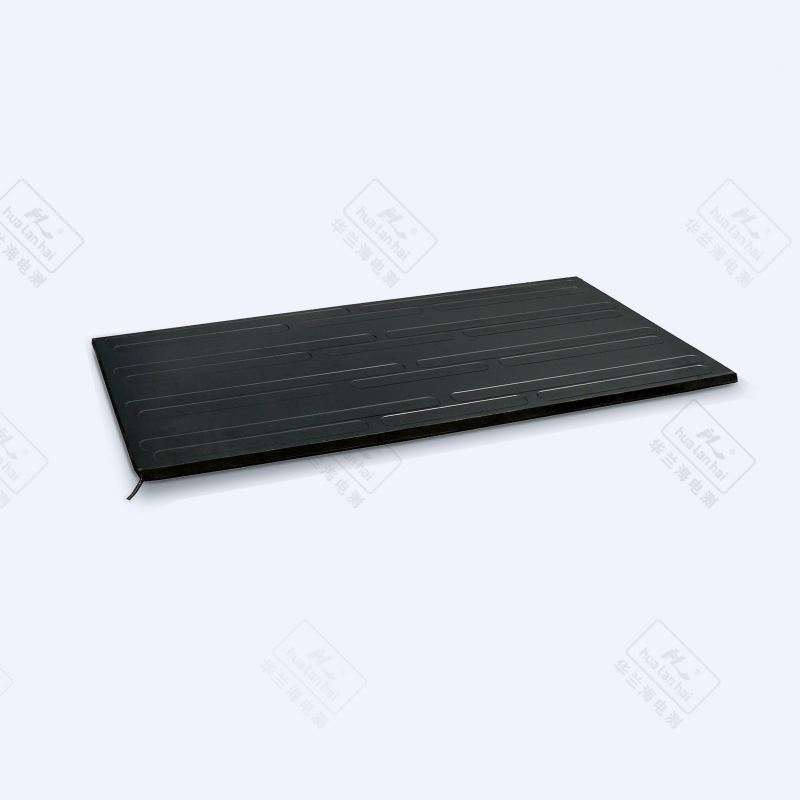
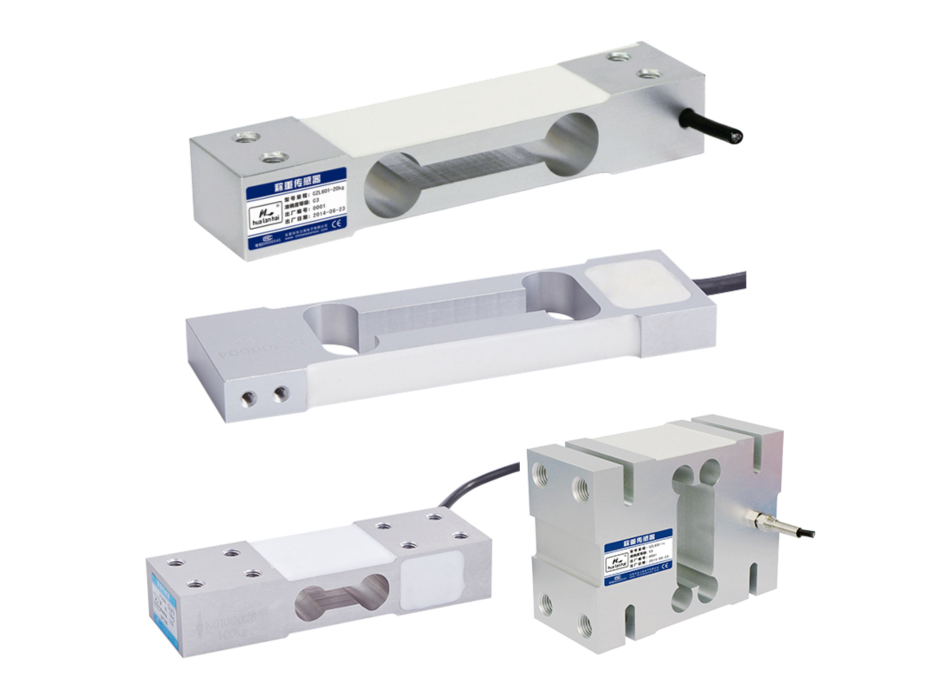
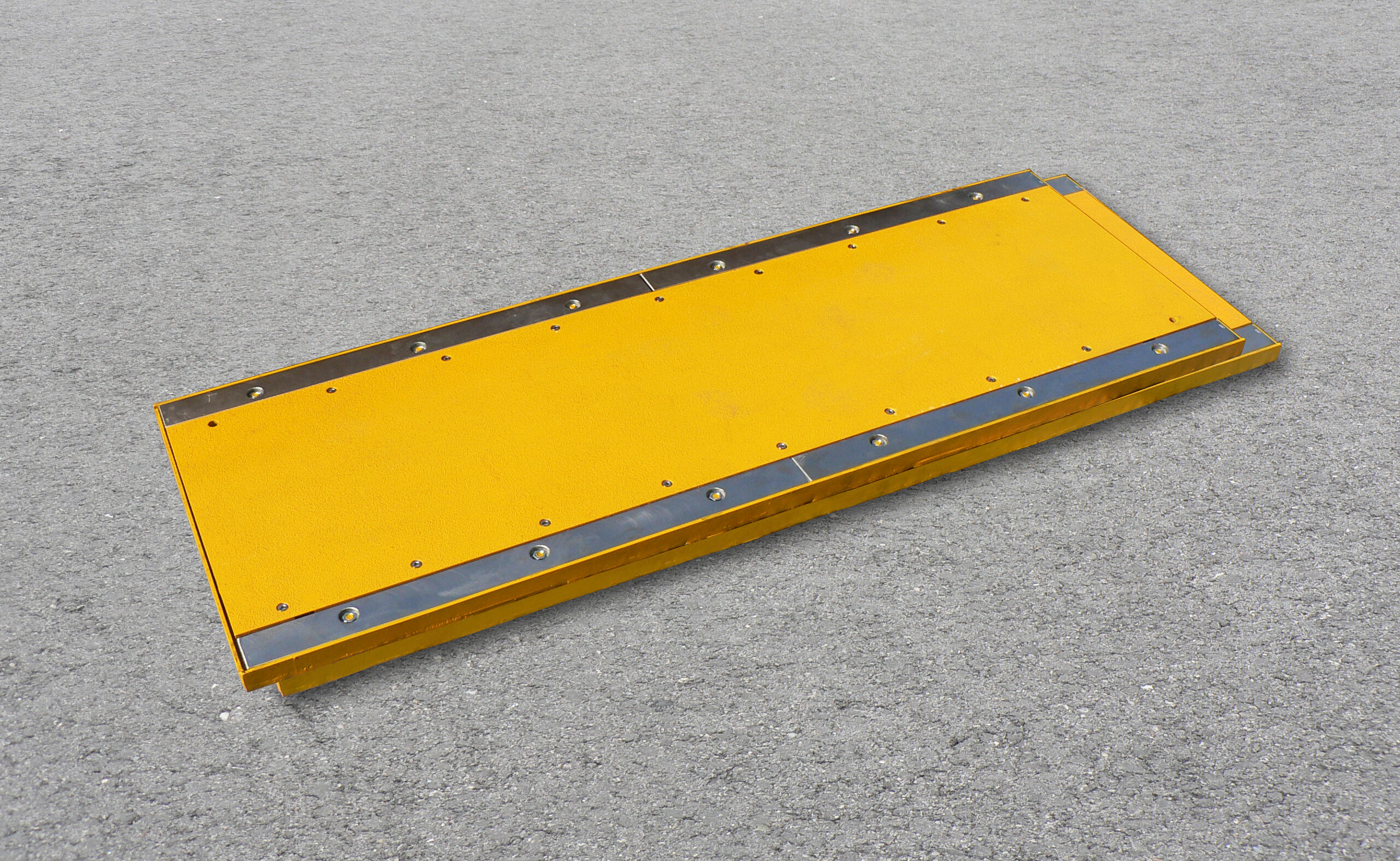
A high speed vehicle weighing system represents a revolutionary approach to measuring vehicle weights without requiring vehicles to stop or significantly reduce their speed. This sophisticated technology employs advanced sensor arrays and data processing capabilities to capture accurate weight measurements as vehicles pass over designated measurement zones at normal operating speeds. The system integrates seamlessly with existing roadway infrastructure, making it an ideal solution for various transportation monitoring applications. The core functionality revolves around dynamic weighing principles, utilizing piezoelectric sensors, load cells, and strain gauge technology to detect the forces exerted by vehicle wheels and axles. These sensors are strategically positioned beneath or alongside the roadway surface, creating a measurement zone that captures comprehensive weight data as vehicles traverse the area. The high speed vehicle weighing system processes this information in real-time, generating precise weight calculations that account for dynamic factors such as vehicle speed, acceleration, and road conditions. Modern implementations incorporate advanced algorithms that compensate for environmental variables, ensuring consistent accuracy across different weather conditions and temperature fluctuations. The system's technological architecture includes robust data collection units, wireless communication capabilities, and cloud-based analytics platforms that enable remote monitoring and management. Applications span across multiple sectors including transportation management, logistics optimization, infrastructure protection, and regulatory enforcement. Commercial trucking companies utilize these systems to monitor fleet compliance with weight regulations, while government agencies employ them for road maintenance planning and traffic pattern analysis. The technology proves particularly valuable at weigh stations, border crossings, and critical infrastructure points where traditional static weighing methods create bottlenecks and operational inefficiencies. Highway authorities implement high speed vehicle weighing systems to protect bridge structures and roadway surfaces from overweight vehicles, while logistics centers use the technology to optimize loading procedures and ensure regulatory compliance before vehicles enter public roadways.

New Product Releases

The high speed vehicle weighing system delivers substantial operational benefits that transform how organizations manage vehicle weight monitoring and compliance. Traffic flow efficiency represents the most immediate advantage, as vehicles maintain normal speeds while being weighed, eliminating the delays and congestion associated with traditional static weighing methods. This continuous flow capability significantly reduces fuel consumption for commercial fleets, as drivers avoid the stop-and-go patterns that increase operational costs and environmental impact. The system provides real-time data collection, enabling instant decision-making for logistics managers and transportation authorities. This immediate feedback allows for prompt corrective actions when weight violations are detected, preventing potential infrastructure damage and ensuring regulatory compliance. Cost reduction emerges as a major benefit through decreased labor requirements, as the automated nature of high speed vehicle weighing systems reduces the need for manual oversight and intervention. Organizations experience lower maintenance costs compared to traditional weighing infrastructure, as the technology requires fewer mechanical components and moving parts that typically require frequent servicing. The enhanced accuracy of modern high speed vehicle weighing systems surpasses older technologies, providing measurement precision that meets or exceeds regulatory standards while accounting for dynamic conditions that affect vehicle weight distribution. Safety improvements result from reduced vehicle queuing and congestion at weighing points, minimizing accident risks and creating smoother traffic patterns. The technology enables comprehensive data analytics, generating valuable insights into traffic patterns, vehicle classifications, and compliance trends that support strategic planning and resource allocation. Integration capabilities allow the high speed vehicle weighing system to connect with existing transportation management systems, creating unified platforms for monitoring and control. Environmental benefits include reduced emissions from idling vehicles and improved air quality around weighing facilities. The system's scalability accommodates growing traffic volumes without requiring proportional increases in infrastructure investment. Regulatory compliance becomes more manageable through automated documentation and reporting features that generate audit trails and compliance records. The technology supports predictive maintenance strategies by monitoring vehicle weight trends and identifying potential equipment issues before they result in system failures.

Practical Tips

Conquering The

25

Nov

Conquering The "Bottleneck" Technologies Is The Greatest Motivation

View More
Guide to Selecting Load Cells

25

Nov

Guide to Selecting Load Cells

View More
Selection Method of Resistance Strain Gauges

25

Nov

Selection Method of Resistance Strain Gauges

View More

Get a Free Quote

Our representative will contact you soon.
Email
Name
Company Name
WhatsApp
Message
0/1000

high speed vehicle weighing system

Real-Time Dynamic Weighing Accuracy

Real-Time Dynamic Weighing Accuracy

The high speed vehicle weighing system's real-time dynamic weighing accuracy represents a breakthrough in transportation measurement technology, delivering precise weight calculations while vehicles maintain operational speeds up to highway limits. This capability stems from advanced sensor fusion technology that combines multiple measurement points to create comprehensive weight profiles for each passing vehicle. The system employs sophisticated algorithms that account for dynamic forces, road surface variations, and environmental conditions that traditionally compromised measurement accuracy in mobile weighing scenarios. Unlike conventional weighing methods that require vehicles to stop completely on static scales, this technology captures weight data continuously as vehicles traverse the measurement zone, eliminating the margin of error introduced by vehicle positioning and driver behavior variations. The measurement precision typically achieves accuracy levels within two to five percent of static weighing results, meeting international standards for commercial vehicle regulation and compliance monitoring. Advanced signal processing capabilities filter out external vibrations, temperature fluctuations, and electromagnetic interference that could affect sensor readings, ensuring consistent performance across diverse operating conditions. The system's calibration procedures utilize reference vehicles with known weights to maintain accuracy standards and compensate for sensor drift over time. Multiple sensor arrays work in coordination to cross-validate measurements, identifying and correcting for anomalies that might occur due to uneven load distribution or irregular vehicle configurations. This redundancy ensures reliable results even when measuring specialized vehicles such as oversized loads or vehicles with non-standard axle configurations. The technology's ability to measure individual axle weights provides detailed insights into load distribution, enabling identification of potentially dangerous weight imbalances that could affect vehicle stability and road safety. Real-time processing capabilities generate immediate alerts when weight violations are detected, allowing for prompt intervention before vehicles continue to destinations where corrective action might be more difficult or expensive to implement.
Seamless Infrastructure Integration

Seamless Infrastructure Integration

The seamless infrastructure integration capability of high speed vehicle weighing systems revolutionizes how organizations implement weight monitoring without disrupting existing transportation networks or requiring extensive construction projects. This technology adapts to virtually any roadway configuration, from single-lane facilities to multi-lane highways, utilizing modular sensor arrays that can be customized to match specific site requirements and traffic patterns. Installation procedures minimize disruption to normal traffic operations, often completed during off-peak hours or through staged implementation that maintains lane availability throughout the process. The system's design accommodates existing pavement structures, utilizing shallow installation depths that preserve roadway integrity while providing robust measurement capabilities. Wireless communication networks eliminate the need for extensive cabling infrastructure, reducing installation costs and maintenance requirements while providing flexible positioning options for control units and data processing equipment. Integration with existing traffic management systems creates unified platforms for monitoring vehicle weights alongside other transportation metrics such as speed, volume, and classification data. The technology interfaces with automated enforcement systems, enabling seamless coordination between weight monitoring and violation processing procedures. Database connectivity allows the high speed vehicle weighing system to access vehicle registration information, commercial permitting data, and historical compliance records, creating comprehensive profiles for each measured vehicle. Cloud-based architecture supports remote monitoring and management capabilities, enabling transportation authorities to oversee multiple weighing locations from centralized control centers. The system's compatibility with various communication protocols ensures integration with legacy transportation infrastructure while supporting future technology upgrades. Power management systems optimize energy consumption through intelligent sensor activation and data processing algorithms that reduce operational costs while maintaining continuous monitoring capabilities. Weather resistance features protect sensitive electronic components from environmental conditions, ensuring reliable operation across seasonal variations and extreme weather events that might affect other monitoring technologies.
Comprehensive Data Analytics and Reporting

Comprehensive Data Analytics and Reporting

The comprehensive data analytics and reporting capabilities of high speed vehicle weighing systems transform raw measurement data into actionable insights that drive strategic decision-making across transportation and logistics organizations. Advanced analytics platforms process millions of individual weight measurements to identify patterns, trends, and anomalies that would be impossible to detect through manual analysis or traditional reporting methods. The system generates detailed compliance reports that track violation rates, repeat offenders, and seasonal variations in weight compliance, providing transportation authorities with the information needed to optimize enforcement strategies and resource allocation. Predictive analytics capabilities analyze historical weight data to forecast traffic patterns, infrastructure wear rates, and maintenance requirements, enabling proactive planning that reduces costs and extends asset lifecycles. Real-time dashboard displays provide immediate visibility into current operations, showing weight distribution statistics, violation alerts, and system performance metrics that support rapid response to emerging issues. Customizable reporting templates accommodate diverse organizational requirements, from simple daily summaries for logistics managers to comprehensive analytical reports for transportation planners and regulatory agencies. The system's data export capabilities support integration with enterprise resource planning systems, enabling organizations to incorporate weight monitoring data into broader operational analytics and business intelligence platforms. Automated alert systems notify relevant personnel immediately when critical thresholds are exceeded, ensuring prompt response to overweight vehicles that could threaten infrastructure integrity or regulatory compliance. Historical data retention capabilities maintain comprehensive records for audit purposes, regulatory reporting, and long-term trend analysis that supports strategic infrastructure planning. Geographic information system integration provides spatial analysis capabilities that identify high-risk locations, optimal enforcement positioning, and traffic pattern variations across different routes and time periods. The analytics platform supports multi-site analysis for organizations operating multiple weighing locations, enabling comparative performance assessment and standardized operational procedures. Machine learning algorithms continuously improve measurement accuracy and anomaly detection capabilities by analyzing patterns in vehicle configurations, load distributions, and environmental factors that affect weighing performance.
Get a Free Quote

Our representative will contact you soon.
Email
Name
Company Name
WhatsApp
Message
0/1000