high speed weighing scale
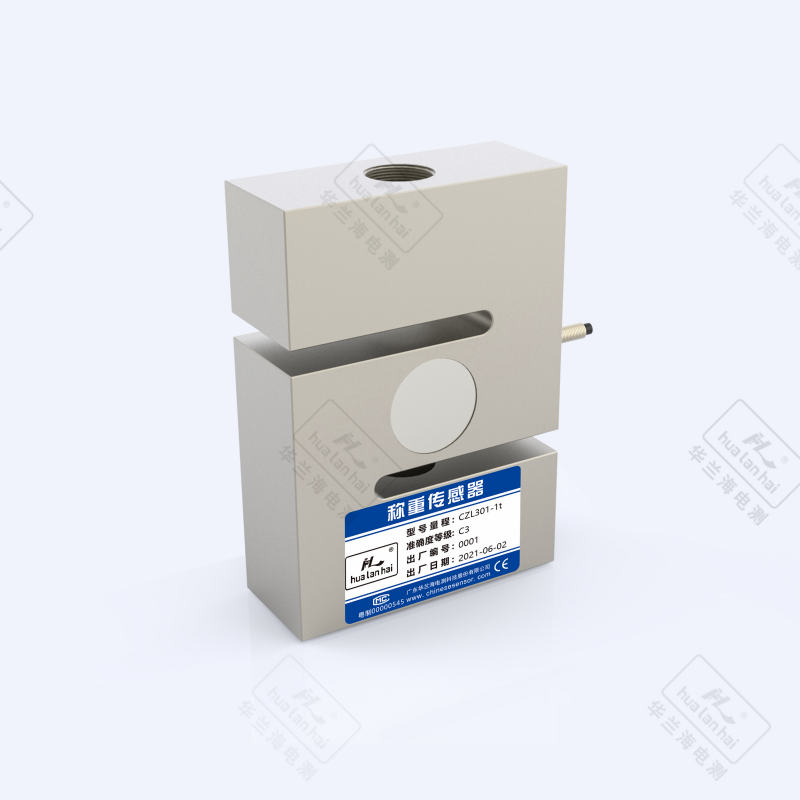
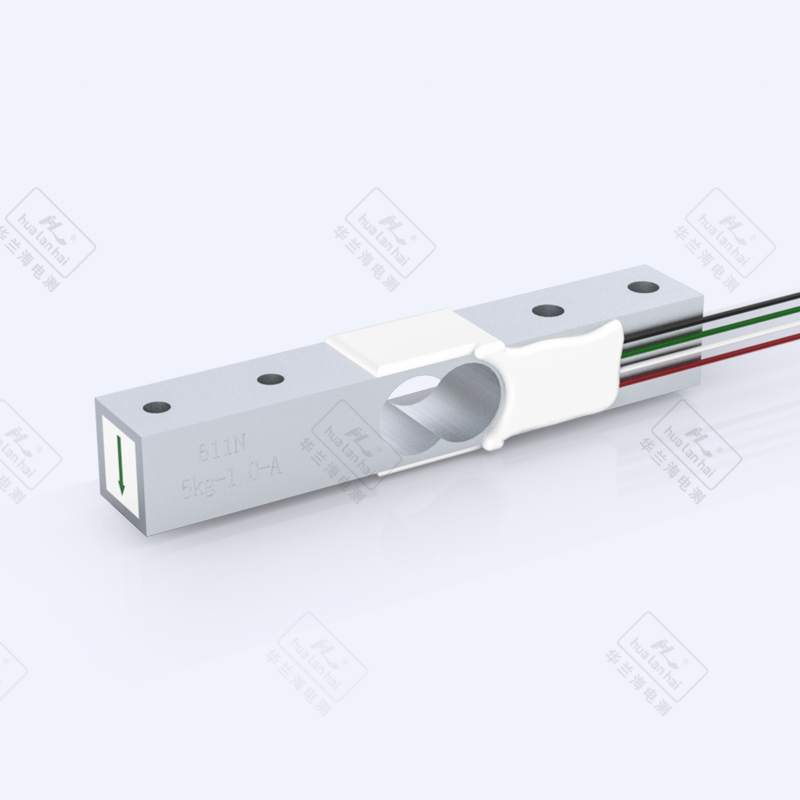
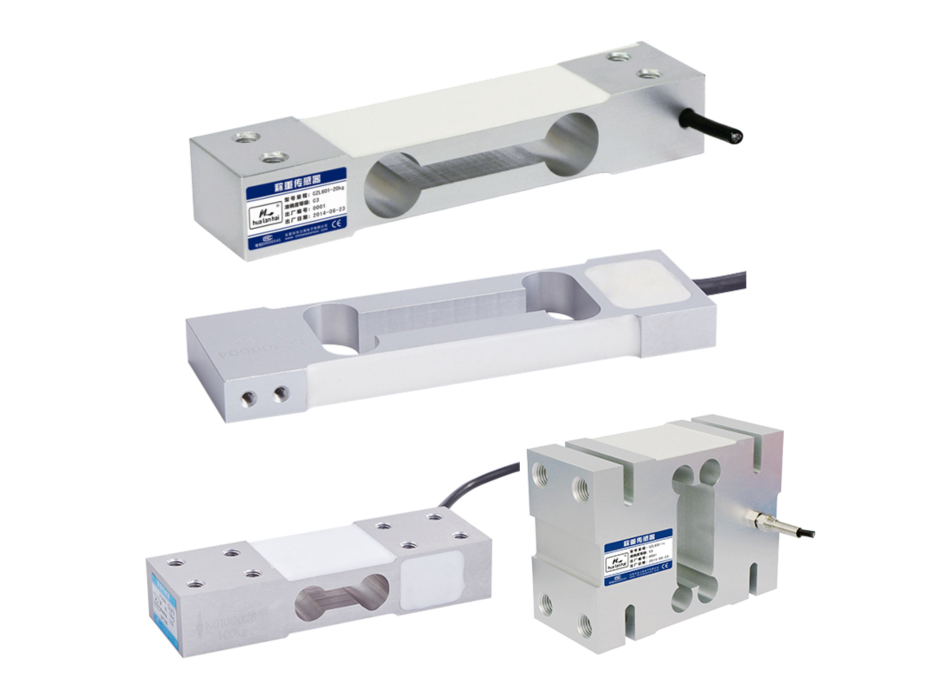
A high speed weighing scale represents a sophisticated industrial measurement solution designed to deliver precise weight determinations at exceptional processing rates. These advanced systems integrate cutting-edge load cell technology with rapid data processing capabilities, enabling manufacturers to achieve accurate measurements while maintaining high-throughput production environments. The fundamental architecture of a high speed weighing scale combines electromagnetic force restoration sensors, digital signal processing units, and automated rejection mechanisms to create seamless integration within production lines. Modern high speed weighing scale systems feature advanced vibration compensation algorithms that maintain measurement accuracy even in challenging industrial environments. The core functionality encompasses real-time weight verification, statistical process control, and comprehensive data logging capabilities that support quality management initiatives. These scales typically operate within measurement cycles ranging from 100 to 1000 products per minute, depending on specific configuration requirements. The technological foundation relies on high-resolution analog-to-digital converters that capture weight signals with exceptional precision, while sophisticated filtering algorithms eliminate environmental interference. Integration capabilities allow seamless connectivity with existing manufacturing execution systems, enabling real-time production monitoring and automated quality control processes. The mechanical construction utilizes precision-engineered load cells mounted on vibration-isolated platforms to ensure consistent performance across varying operational conditions. Advanced high speed weighing scale models incorporate predictive maintenance features that monitor system performance parameters and alert operators to potential calibration requirements. Temperature compensation mechanisms automatically adjust for environmental variations, maintaining measurement accuracy throughout extended operational periods. The user interface typically features intuitive touchscreen displays that provide operators with immediate access to performance metrics, alarm conditions, and system configuration parameters. Data management capabilities include comprehensive reporting functions, trend analysis tools, and remote monitoring options that support modern Industry 4.0 manufacturing environments. These systems prove particularly valuable in pharmaceutical, food processing, and chemical manufacturing applications where product consistency and regulatory compliance remain critical operational requirements.

 EN
EN