High Speed Rail Weighing System - Advanced Dynamic Weight Monitoring Solutions for Modern Railways

All Categories

Get a Free Quote

Our representative will contact you soon.
Email
Name
Company Name
WhatsApp
Message
0/1000

high speed rail weighing system

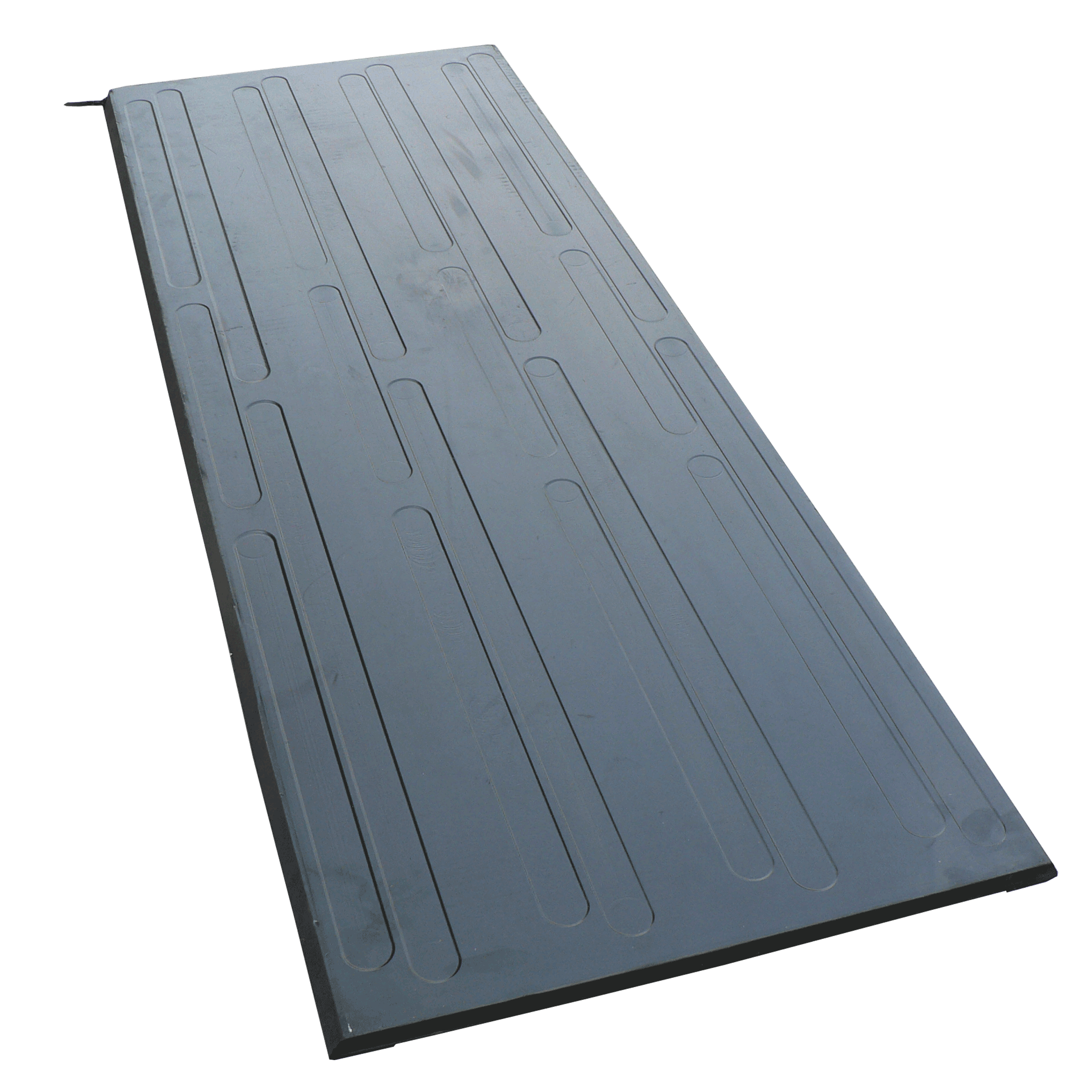
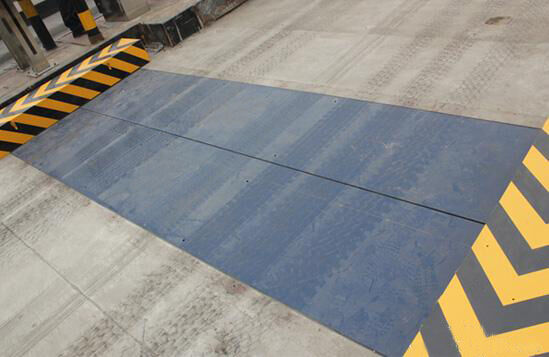
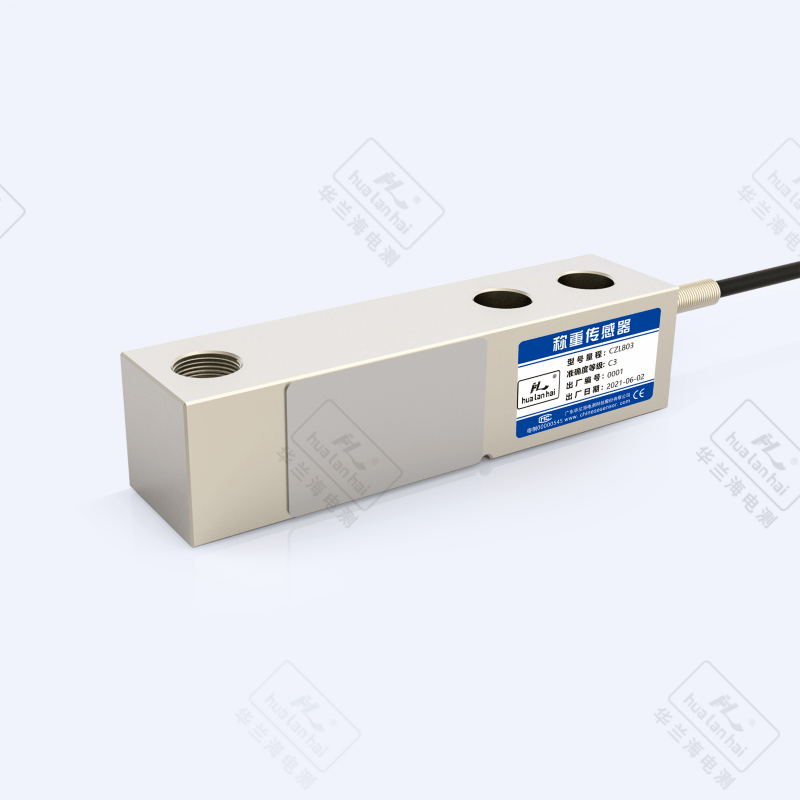
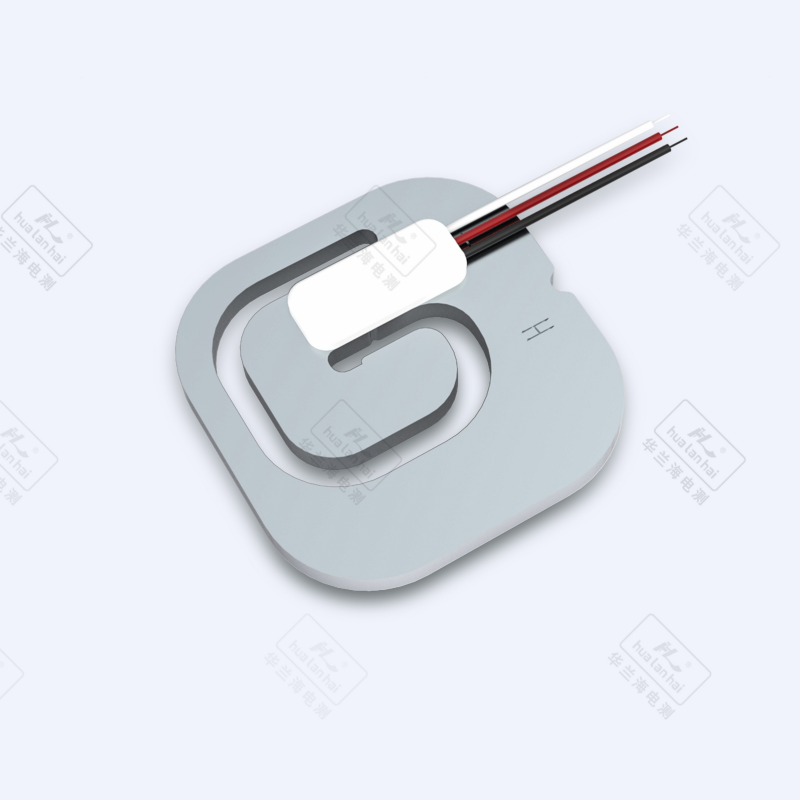
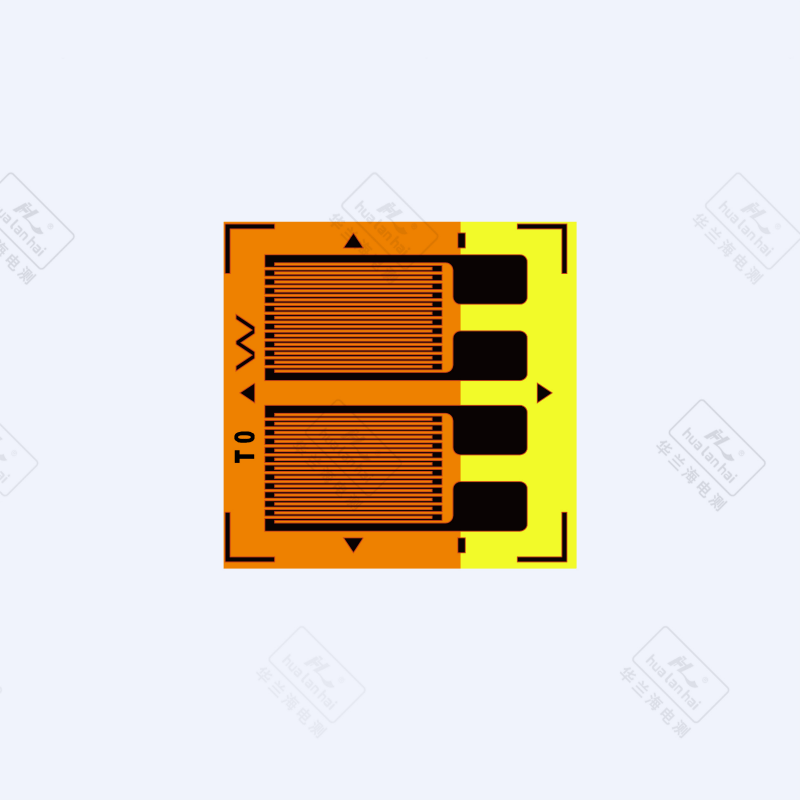
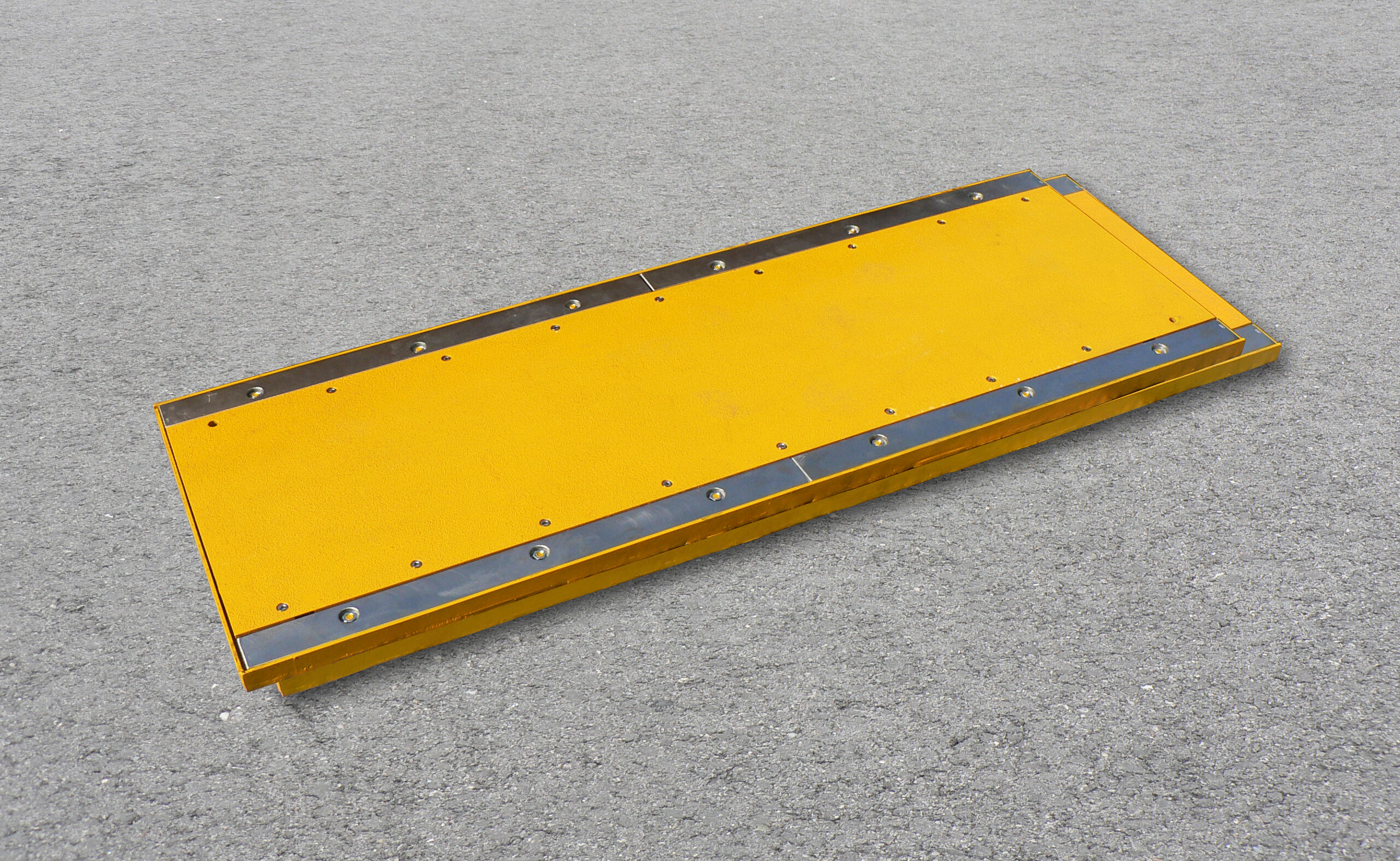
The high speed rail weighing system represents a revolutionary advancement in railway technology, designed to accurately measure and monitor train weights during high-velocity operations. This sophisticated measurement solution integrates cutting-edge sensors, data processing capabilities, and real-time monitoring features to ensure optimal railway performance and safety standards. The primary functions of this system include dynamic weight measurement of moving trains, load distribution analysis across multiple carriages, and continuous monitoring of weight variations during transit operations. The high speed rail weighing system utilizes advanced strain gauge technology combined with precise load cells strategically positioned along railway tracks to capture accurate weight data without disrupting train schedules or reducing operational speeds. Key technological features encompass wireless data transmission capabilities, weather-resistant sensor housing, and intelligent calibration systems that maintain measurement accuracy under varying environmental conditions. The system's robust design ensures reliable performance in extreme temperatures, humidity levels, and vibration conditions commonly encountered in railway environments. Real-time data processing algorithms analyze weight information instantly, providing immediate alerts for overloaded carriages or uneven load distributions that could compromise safety or track integrity. Integration capabilities allow seamless connectivity with existing railway management systems, enabling comprehensive monitoring and control from centralized command centers. The high speed rail weighing system supports multiple measurement modes, including static weighing during station stops and dynamic weighing during continuous movement. Advanced filtering algorithms eliminate interference from track irregularities, wind forces, and mechanical vibrations to deliver precise weight measurements. Data storage functionalities maintain historical records for trend analysis, maintenance scheduling, and regulatory compliance reporting. The system's modular architecture facilitates easy installation, maintenance, and expansion to accommodate growing railway networks and evolving operational requirements.

New Product Recommendations

The high speed rail weighing system delivers numerous practical benefits that directly impact operational efficiency, safety standards, and cost management for railway operators. Enhanced safety represents the most significant advantage, as continuous weight monitoring prevents dangerous overloading situations that could lead to derailments, track damage, or catastrophic accidents. Real-time alerts enable immediate corrective actions, ensuring passenger safety and protecting valuable railway infrastructure investments. Operational efficiency improvements result from optimized load management, allowing operators to maximize cargo capacity while maintaining speed requirements and schedule adherence. The system eliminates time-consuming manual weighing procedures, reducing station dwell times and increasing overall network throughput. Automated data collection streamlines reporting processes, reducing administrative workload and minimizing human error risks in weight documentation. Cost reduction benefits emerge through preventive maintenance capabilities, as early detection of irregular loading patterns helps identify potential equipment problems before expensive failures occur. Track wear reduction extends infrastructure lifespan by preventing excessive loading that causes premature deterioration of rails, ballast, and supporting structures. Energy consumption optimization occurs when trains operate within optimal weight ranges, reducing fuel costs and environmental impact while maintaining performance standards. Compliance assurance becomes effortless as the high speed rail weighing system automatically generates accurate records required by regulatory authorities, eliminating manual documentation errors and ensuring audit readiness. Improved customer satisfaction results from enhanced reliability, reduced delays, and increased cargo capacity utilization. The system's predictive analytics capabilities enable proactive decision-making, allowing operators to optimize routing, scheduling, and resource allocation based on accurate weight data trends. Revenue protection occurs through precise billing accuracy for freight services, eliminating disputes and ensuring fair compensation for transportation services. Integration benefits extend existing railway management systems, providing comprehensive operational visibility without requiring extensive infrastructure modifications. Remote monitoring capabilities reduce labor costs by minimizing on-site inspection requirements while maintaining thorough oversight of all weighing operations across extensive railway networks.

Tips And Tricks

Conquering The

25

Nov

Conquering The "Bottleneck" Technologies Is The Greatest Motivation

View More
Selection Method of Resistance Strain Gauges

25

Nov

Selection Method of Resistance Strain Gauges

View More

Get a Free Quote

Our representative will contact you soon.
Email
Name
Company Name
WhatsApp
Message
0/1000

high speed rail weighing system

Advanced Dynamic Weighing Technology

Advanced Dynamic Weighing Technology

The cornerstone feature of the high speed rail weighing system lies in its revolutionary dynamic weighing technology that accurately measures train weights while maintaining full operational speeds up to 350 kilometers per hour. Unlike traditional static weighing methods that require complete stops and time-consuming procedures, this advanced system employs precision-engineered load cells and sophisticated signal processing algorithms to capture accurate weight measurements during continuous motion. The dynamic weighing capability eliminates operational disruptions, allowing railway operators to maintain strict schedules while ensuring comprehensive weight monitoring compliance. Strategic sensor placement beneath railway tracks creates measurement zones that capture detailed weight data for individual carriages, bogies, and axles as trains pass overhead. Advanced filtering technology removes interference caused by track irregularities, environmental factors, and mechanical vibrations that typically compromise measurement accuracy in dynamic conditions. The system's intelligent calibration features automatically adjust for temperature variations, seasonal changes, and normal wear patterns to maintain consistent accuracy levels throughout extended operational periods. Real-time data processing capabilities provide instantaneous weight calculations, enabling immediate detection of overloading conditions or dangerous load imbalances that require prompt corrective action. This dynamic measurement approach significantly enhances safety by identifying potential problems before they escalate into serious incidents that could endanger passengers, damage equipment, or disrupt network operations. The technology's versatility accommodates various train types, from high-speed passenger services to heavy freight operations, making it suitable for diverse railway applications. Wireless data transmission ensures seamless communication between trackside sensors and central monitoring systems, providing comprehensive visibility across entire railway networks. The dynamic weighing technology delivers substantial operational benefits by eliminating bottlenecks associated with traditional weighing procedures, increasing network capacity, and improving overall system efficiency while maintaining the highest safety standards required for modern railway operations.
Intelligent Real-Time Monitoring and Alert System

Intelligent Real-Time Monitoring and Alert System

The intelligent real-time monitoring and alert system represents a critical advancement in railway safety management, providing continuous oversight of train weights and immediate notifications when predetermined thresholds are exceeded. This sophisticated monitoring infrastructure processes thousands of data points per second, analyzing weight patterns, load distributions, and operational parameters to identify potential safety risks before they develop into serious problems. The system's artificial intelligence algorithms learn normal operational patterns and detect anomalies that might indicate equipment malfunctions, improper loading procedures, or emerging safety concerns requiring immediate attention. Customizable alert thresholds allow railway operators to establish specific weight limits based on track conditions, seasonal variations, and operational requirements, ensuring appropriate responses to different risk levels. Multi-tier notification systems provide graduated alerts ranging from advisory warnings for minor deviations to emergency notifications for critical overloading situations that demand immediate intervention. Integration with existing railway communication networks ensures alerts reach relevant personnel instantly through multiple channels including desktop systems, mobile devices, and radio communications. Historical data analysis capabilities enable predictive maintenance scheduling by identifying trends that indicate developing problems with rolling stock, loading equipment, or operational procedures. The monitoring system maintains comprehensive audit trails documenting all weight measurements, alerts, and corrective actions taken, supporting regulatory compliance requirements and operational analysis. Dashboard visualizations provide intuitive displays of current conditions, trend information, and system status across entire railway networks, enabling effective decision-making from centralized control centers. Automated reporting features generate detailed summaries of weighing activities, compliance status, and performance metrics, reducing administrative workload while ensuring thorough documentation. The intelligent monitoring capabilities extend beyond simple weight measurement to include analysis of acceleration forces, braking patterns, and dynamic loading effects that impact track integrity and operational safety. Remote diagnostic features enable technical support teams to monitor system performance and troubleshoot issues without requiring on-site visits, minimizing maintenance costs and system downtime while ensuring continuous protection of railway operations.
Seamless Integration and Scalable Architecture

Seamless Integration and Scalable Architecture

The seamless integration and scalable architecture of the high speed rail weighing system ensures compatibility with existing railway infrastructure while providing flexibility for future expansion and technological upgrades. This comprehensive design approach eliminates the need for extensive modifications to established railway systems, reducing implementation costs and minimizing operational disruptions during installation processes. Standardized communication protocols enable direct integration with popular railway management systems, including traffic control platforms, maintenance scheduling software, and financial reporting applications. The modular architecture allows gradual system deployment across railway networks, enabling operators to implement weighing capabilities progressively based on operational priorities and budget considerations. Flexible configuration options accommodate diverse railway environments, from urban transit systems to long-distance freight corridors, ensuring optimal performance regardless of specific operational requirements. Cloud-based data management capabilities provide centralized access to weighing information across multiple locations while maintaining local processing power for real-time operations and emergency responses. The system's open architecture supports future technology integration, allowing incorporation of emerging sensors, communication methods, and analytical tools without requiring complete system replacement. Standardized interfaces facilitate connection with third-party applications and external monitoring systems, enhancing overall railway ecosystem functionality and data sharing capabilities. Scalable processing power adjusts automatically to handle varying data volumes as railway networks expand or operational complexity increases, ensuring consistent performance regardless of system growth. Redundant communication pathways guarantee continuous operation even when primary connections experience interruptions, maintaining critical safety monitoring capabilities under all operational conditions. The integration framework includes comprehensive testing protocols and validation procedures that ensure seamless operation with existing systems before full deployment, minimizing risks and ensuring reliable performance from initial activation. Professional installation services and ongoing technical support help railway operators maximize system benefits while maintaining optimal performance throughout the equipment lifecycle. This comprehensive integration approach delivers long-term value by protecting existing technology investments while providing clear pathways for future enhancements and operational improvements that keep pace with evolving railway industry requirements and safety standards.

Get a Free Quote

Our representative will contact you soon.
Email
Name
Company Name
WhatsApp
Message
0/1000