Professional Digital Weighing Sensors - High Precision Industrial Weight Measurement Solutions

All Categories

Get a Free Quote

Our representative will contact you soon.
Email
Name
Company Name
WhatsApp
Message
0/1000

digital weighing sensor

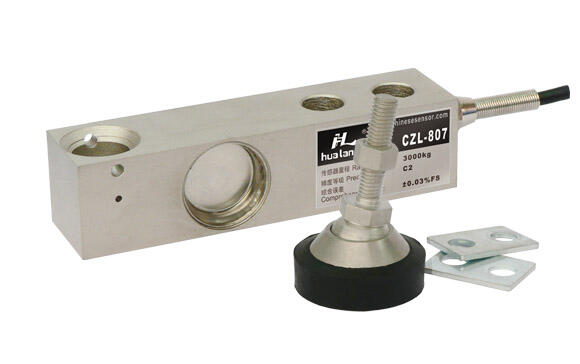
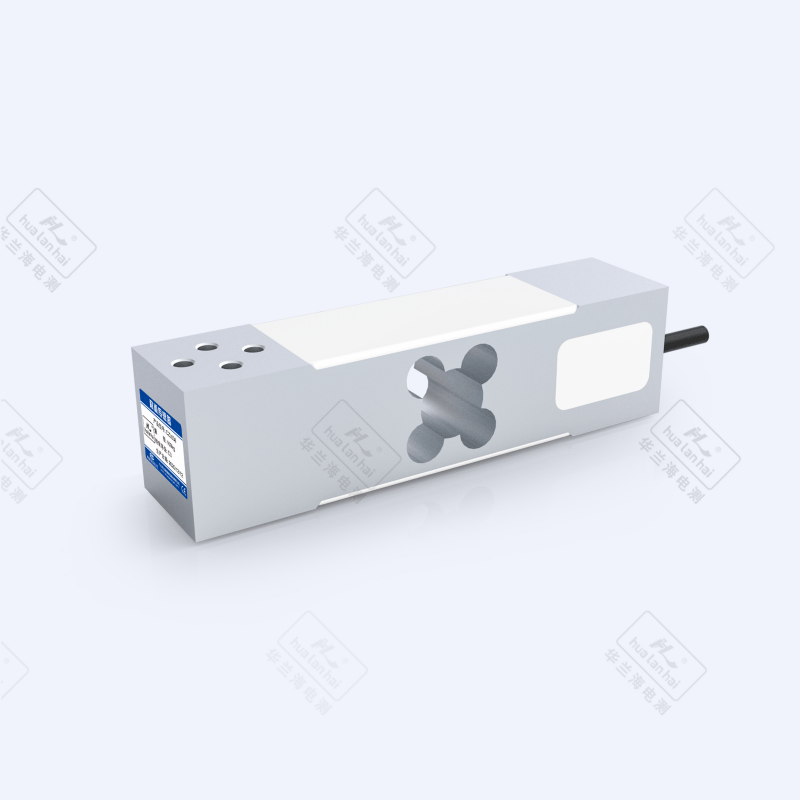
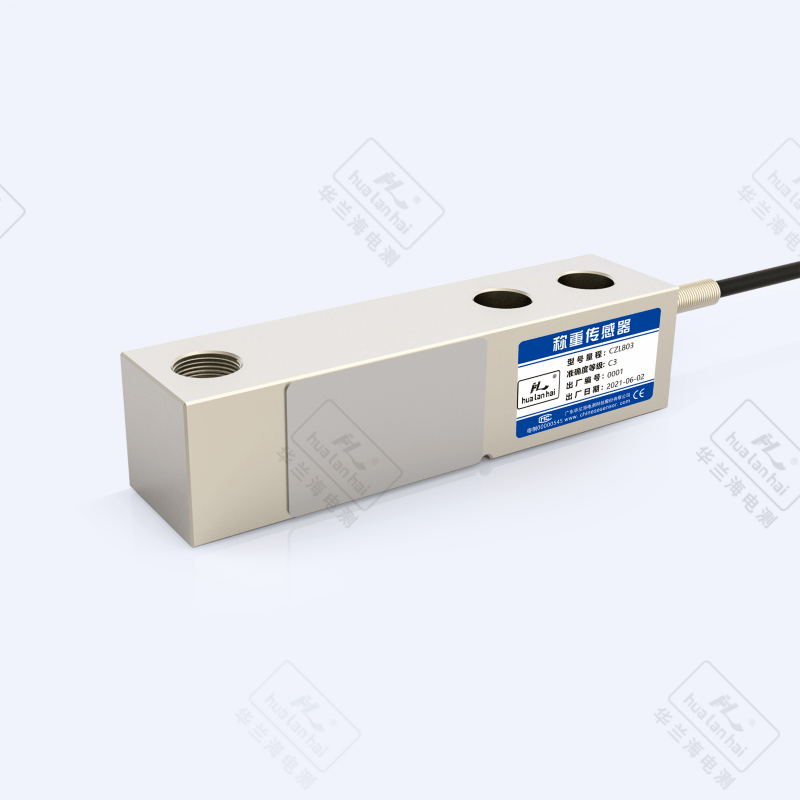
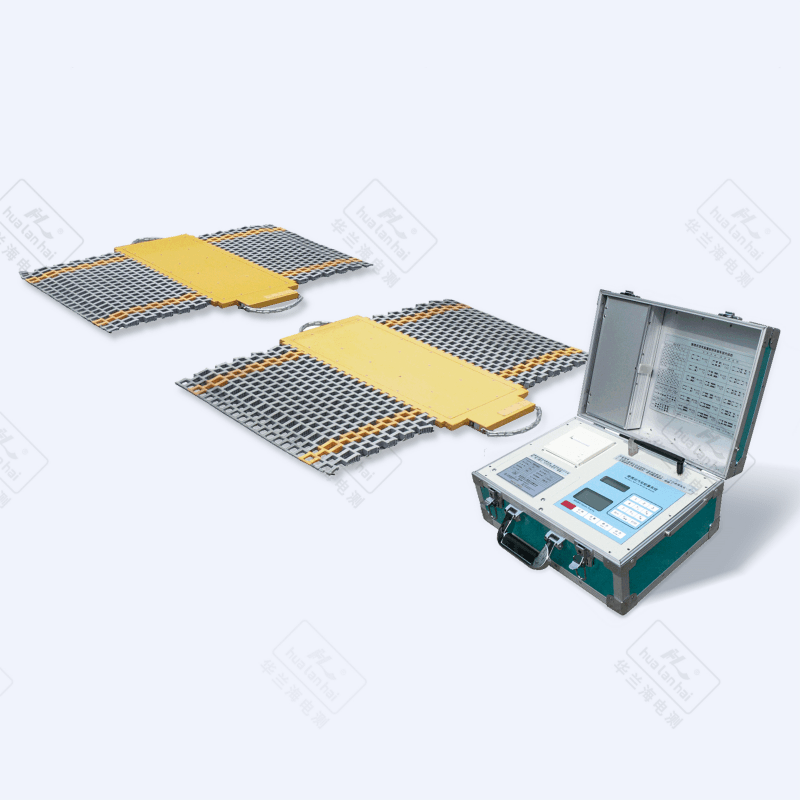
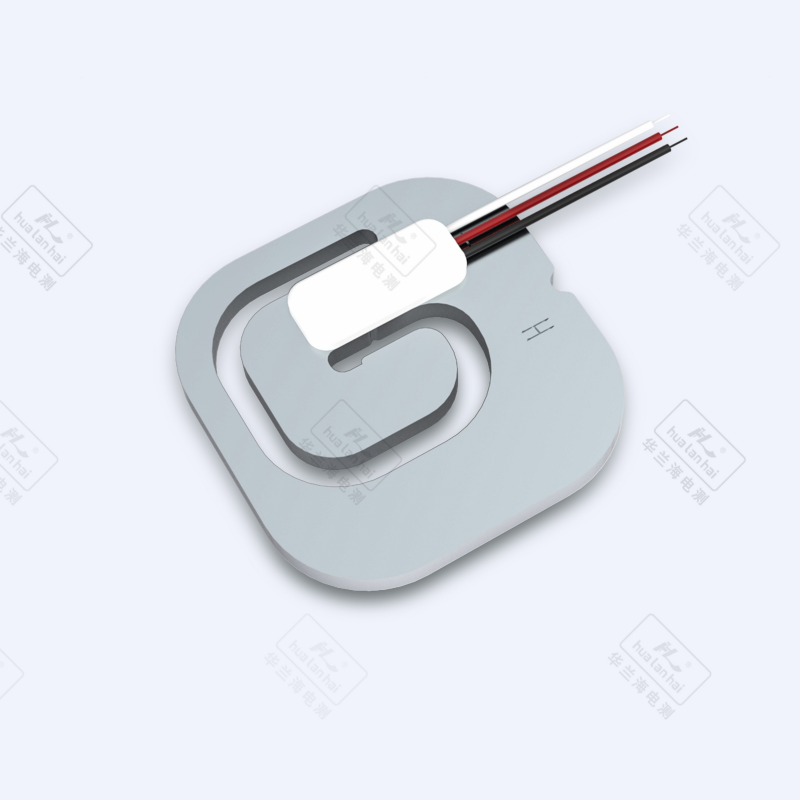
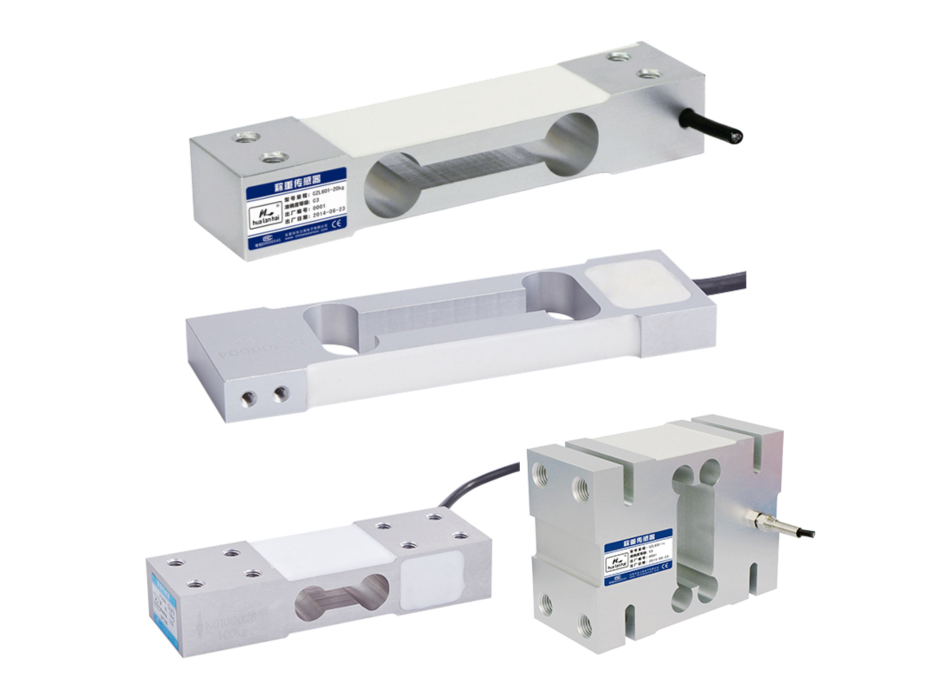
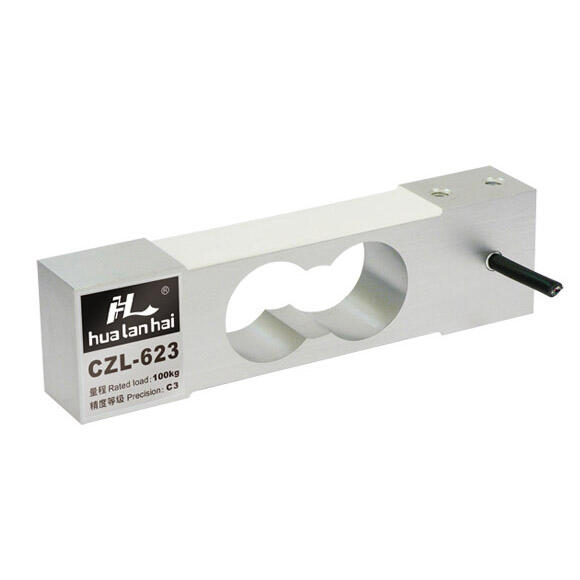
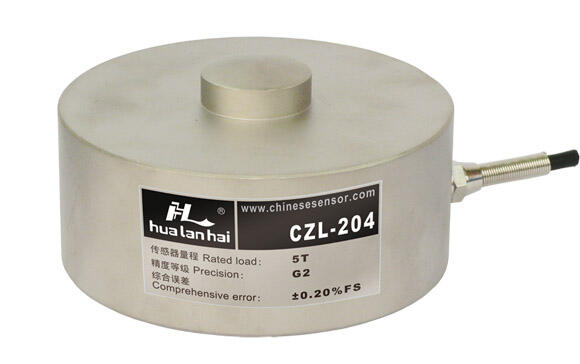
A digital weighing sensor represents a revolutionary advancement in precision measurement technology, transforming how industries and consumers approach weight detection and monitoring. This sophisticated electronic device converts physical force or weight into digital signals, providing accurate, reliable, and real-time weight measurements across diverse applications. Unlike traditional mechanical scales, digital weighing sensors utilize advanced load cell technology combined with microprocessor-based signal processing to deliver exceptional precision and consistency. The core functionality of a digital weighing sensor centers on its ability to detect minute changes in electrical resistance or capacitance when subjected to mechanical stress. When weight is applied, the sensor's internal strain gauge elements deform slightly, causing measurable changes in electrical properties that are converted into digital data through analog-to-digital converters. Modern digital weighing sensors incorporate multiple technological features that enhance their performance and reliability. These include temperature compensation algorithms that maintain accuracy across varying environmental conditions, digital filtering systems that eliminate noise and vibration interference, and built-in calibration routines that ensure long-term measurement stability. Many sensors also feature wireless connectivity options, enabling remote monitoring and data collection capabilities essential for modern industrial applications. The versatility of digital weighing sensors makes them indispensable across numerous industries. In manufacturing environments, they monitor production processes, ensure quality control, and optimize material handling operations. Healthcare facilities rely on these sensors for patient monitoring, pharmaceutical dosing, and medical equipment calibration. Retail and commercial sectors utilize them for transaction processing, inventory management, and compliance with trade regulations. Agricultural applications include livestock monitoring, grain storage management, and precision farming techniques. Transportation industries depend on digital weighing sensors for vehicle loading verification, cargo distribution optimization, and regulatory compliance. The integration capabilities of modern digital weighing sensors allow seamless connection with existing automation systems, enabling real-time data analysis and process optimization that drives operational efficiency and cost reduction across multiple sectors.
New Product Releases

Digital weighing sensors offer substantial advantages over conventional weighing systems, delivering enhanced performance that directly benefits users across various applications. The primary advantage lies in their exceptional accuracy and precision, with many models achieving measurement resolutions of 0.01 percent or better. This superior precision eliminates costly errors in production processes, reduces material waste, and ensures consistent product quality that meets stringent industry standards. Users experience immediate cost savings through reduced rework, improved yield rates, and enhanced customer satisfaction. The digital nature of these sensors provides instantaneous weight readings without the delays associated with mechanical systems. This real-time measurement capability accelerates decision-making processes, improves operational efficiency, and enables rapid response to changing conditions. Manufacturing facilities benefit from faster production cycles, while retail environments experience shorter customer wait times and improved service quality. Digital weighing sensors demonstrate remarkable durability and longevity compared to mechanical alternatives. Their solid-state construction contains no moving parts that wear out over time, significantly reducing maintenance requirements and replacement costs. The robust design withstands harsh industrial environments, extreme temperatures, and continuous operation without performance degradation. Users enjoy lower total ownership costs through reduced maintenance expenses and extended operational lifespans. Installation and setup procedures for digital weighing sensors are straightforward and user-friendly. Most models feature plug-and-play connectivity that eliminates complex wiring requirements and reduces installation time. The digital interface provides clear, easy-to-read displays with intuitive controls that minimize operator training requirements. This simplicity reduces implementation costs and accelerates system deployment across organizations. Calibration processes are automated and can be performed remotely, eliminating the need for specialized technicians and reducing operational disruptions. Digital weighing sensors offer superior connectivity and integration capabilities that enhance system functionality. Built-in communication protocols enable seamless connection with computers, networks, and automation systems for comprehensive data management. Users can implement centralized monitoring systems, generate detailed reports, and maintain compliance with regulatory requirements through automated documentation. The data logging capabilities provide valuable insights for process optimization and quality improvement initiatives. Environmental adaptability represents another significant advantage of digital weighing sensors. Advanced compensation algorithms automatically adjust for temperature fluctuations, humidity changes, and atmospheric pressure variations that affect measurement accuracy. This environmental stability ensures consistent performance across diverse operating conditions without manual adjustments. Users benefit from reliable measurements regardless of seasonal changes or facility conditions, maintaining operational efficiency throughout the year.

Tips And Tricks

Guide to Selecting Load Cells

25

Nov

Guide to Selecting Load Cells

View More
Selection Method of Resistance Strain Gauges

25

Nov

Selection Method of Resistance Strain Gauges

View More

Get a Free Quote

Our representative will contact you soon.
Email
Name
Company Name
WhatsApp
Message
0/1000

digital weighing sensor

Unmatched Precision and Reliability for Critical Applications

Unmatched Precision and Reliability for Critical Applications

Digital weighing sensors deliver exceptional measurement precision that surpasses traditional weighing methods, making them indispensable for applications where accuracy is paramount. The advanced strain gauge technology combined with sophisticated signal processing algorithms ensures measurement repeatability within 0.01 percent, providing users with confidence in their weight determinations. This precision level is crucial for pharmaceutical manufacturing, where minute dosage variations can impact patient safety and regulatory compliance. Chemical processing industries rely on this accuracy for precise formulation control, ensuring consistent product quality and minimizing expensive batch rejections. The reliability aspect extends beyond mere accuracy to encompass long-term stability and consistent performance under varying conditions. Digital weighing sensors maintain their calibration over extended periods, reducing the frequency of recalibration procedures and associated downtime. The temperature compensation features automatically adjust readings based on environmental conditions, eliminating the need for manual corrections that introduce human error. Vibration filtering technology ensures stable readings even in industrial environments with significant mechanical disturbances, providing reliable measurements where traditional scales would fluctuate wildly. The built-in diagnostic capabilities continuously monitor sensor health and alert operators to potential issues before they affect measurement accuracy. This proactive approach prevents costly production errors and maintains system reliability throughout the sensor's operational life. Users benefit from reduced quality control costs, improved product consistency, and enhanced customer satisfaction through reliable weight measurements. The precision and reliability of digital weighing sensors translate directly into competitive advantages for businesses, enabling them to meet strict quality standards while optimizing operational efficiency and reducing waste across their processes.
Seamless Integration and Advanced Connectivity Options

Seamless Integration and Advanced Connectivity Options

Modern digital weighing sensors excel in their ability to integrate seamlessly with existing systems and provide advanced connectivity options that enhance operational capabilities. The comprehensive communication protocols supported by these sensors include industry-standard interfaces such as RS-232, RS-485, Ethernet, and wireless technologies like Wi-Fi and Bluetooth. This versatility ensures compatibility with virtually any control system, data acquisition platform, or enterprise resource planning software, eliminating integration barriers that often complicate system upgrades. The plug-and-play functionality simplifies installation procedures, allowing users to connect sensors directly to their networks without extensive configuration or specialized expertise. Real-time data transmission capabilities enable immediate access to weight information across multiple locations, supporting centralized monitoring and control systems that improve operational visibility. Manufacturing facilities can implement comprehensive production monitoring systems that track material usage, optimize inventory levels, and ensure quality compliance through continuous weight verification. The data logging features automatically record measurements with timestamps, creating detailed audit trails that support regulatory compliance and quality management initiatives. Users can generate comprehensive reports for process analysis, trend identification, and performance optimization without manual data collection efforts. The remote monitoring capabilities allow facility managers to oversee multiple locations from a central control room, reducing staffing requirements while maintaining operational oversight. Cloud connectivity options enable access to weight data from anywhere, supporting mobile workforce management and remote troubleshooting capabilities. The integration with enterprise software systems provides seamless data flow from production floors to management systems, enabling real-time decision-making and automated process adjustments. This connectivity transforms digital weighing sensors from simple measurement devices into integral components of smart manufacturing systems that drive efficiency, reduce costs, and improve overall operational performance through enhanced data visibility and control capabilities.
Cost-Effective Operation with Minimal Maintenance Requirements

Cost-Effective Operation with Minimal Maintenance Requirements

Digital weighing sensors provide exceptional value through their cost-effective operation and minimal maintenance requirements, delivering significant long-term savings compared to traditional weighing systems. The solid-state construction eliminates mechanical components that typically require regular adjustment, lubrication, or replacement, reducing maintenance costs by up to 80 percent compared to mechanical scales. This robust design ensures consistent performance over extended periods without degradation, providing reliable service for decades with minimal intervention. The automated calibration features eliminate the need for frequent manual adjustments and specialized technician visits, reducing operational costs and minimizing production disruptions. Users can perform calibration procedures remotely or schedule automatic calibrations during non-production hours, maintaining accuracy without affecting operational schedules. The diagnostic capabilities continuously monitor sensor condition and provide early warning of potential issues, enabling predictive maintenance strategies that prevent unexpected failures and costly emergency repairs. Energy efficiency represents another significant cost advantage, as digital weighing sensors consume minimal power compared to traditional systems with mechanical components and heating elements. The low power consumption reduces operational costs and supports environmentally conscious initiatives while enabling battery-powered applications in remote locations. The extended operational lifespan of digital weighing sensors provides superior return on investment through reduced replacement frequencies and lower total cost of ownership. Many industrial-grade models operate reliably for 10-15 years under normal conditions, compared to 3-5 years for mechanical alternatives. The reduced downtime associated with sensor failures translates directly into increased productivity and revenue generation. Training costs are minimized through intuitive digital interfaces and automated features that reduce operator skill requirements. New personnel can learn to operate digital weighing sensors quickly, reducing training expenses and enabling faster workforce deployment. The comprehensive warranty coverage and technical support provided by manufacturers further reduce ownership risks and ensure continued operation throughout the sensor's operational life, providing users with confidence in their investment and long-term cost predictability.

Get a Free Quote

Our representative will contact you soon.
Email
Name
Company Name
WhatsApp
Message
0/1000