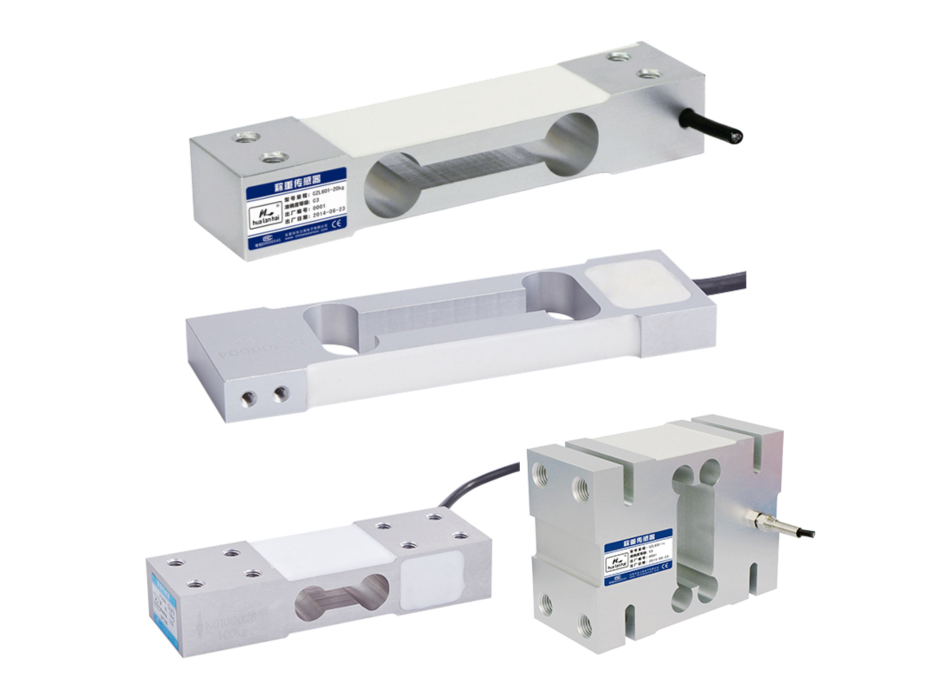
Professional Button Force Sensor Solutions - Precision Force Measurement Technology

All Categories

Get a Free Quote

Our representative will contact you soon.
Email
Name
Company Name
WhatsApp
Message
0/1000

button force sensor

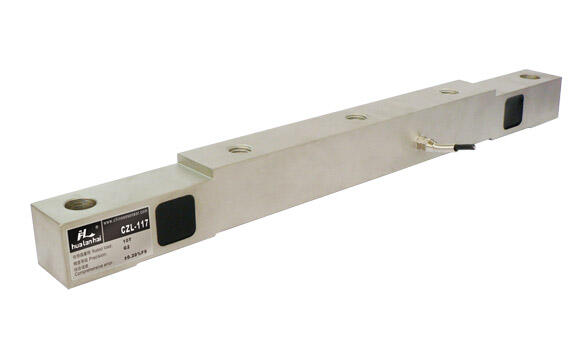
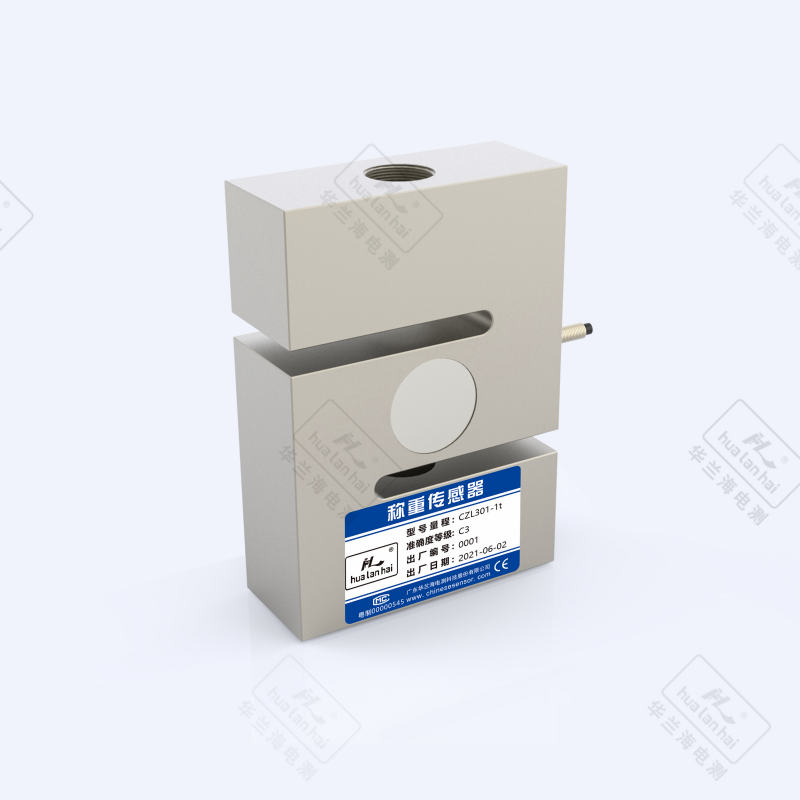
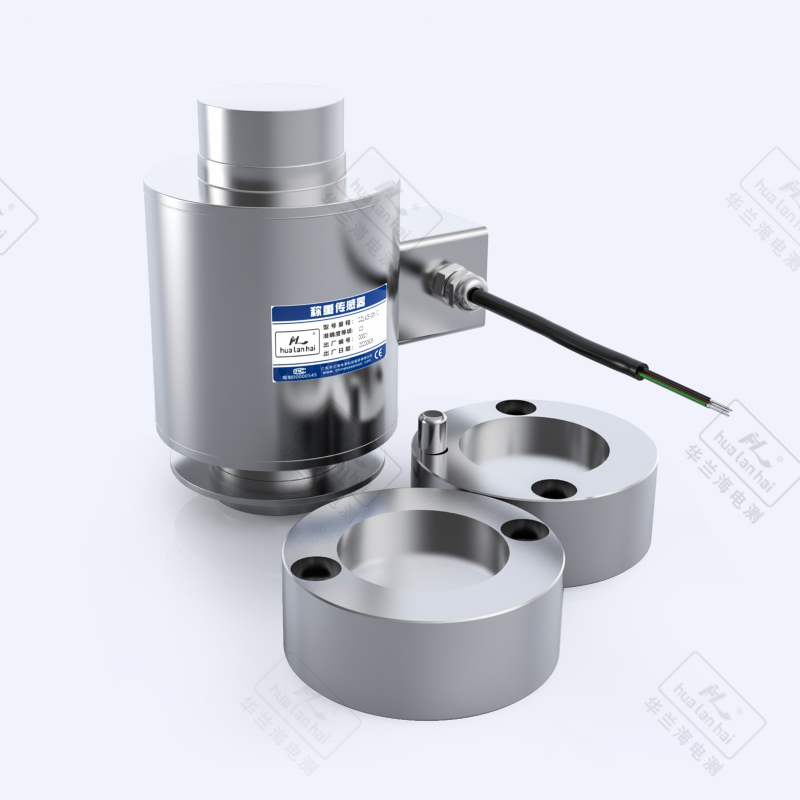
A button force sensor is a specialized electronic device designed to measure the amount of force applied when pressing buttons or switches across various applications. This advanced sensing technology transforms mechanical pressure into electrical signals, providing precise measurements that enhance user interaction and system performance. The button force sensor operates through sophisticated strain gauge technology or piezoelectric principles, converting physical compression into measurable data points that can be processed by control systems. These sensors play a crucial role in modern interface design, quality control processes, and ergonomic assessments. The primary function of a button force sensor involves detecting and quantifying the exact pressure applied during button activation. This capability enables manufacturers to establish consistent tactile feedback, ensure product reliability, and optimize user experience across different applications. The technological features of button force sensors include high-resolution measurement capabilities, rapid response times, and exceptional durability under repeated use. Most button force sensors incorporate digital signal processing to eliminate noise interference and provide accurate readings across varying environmental conditions. Temperature compensation features ensure consistent performance regardless of operating conditions, while compact design elements allow seamless integration into existing systems. The measurement range typically spans from light touch applications requiring minimal force to heavy-duty industrial controls demanding substantial pressure activation. Applications for button force sensors extend across numerous industries including automotive manufacturing, consumer electronics, medical devices, and industrial automation systems. In automotive applications, these sensors help calibrate dashboard controls and steering wheel buttons to meet safety standards and user preferences. Consumer electronics manufacturers utilize button force sensors during product development to ensure consistent tactile feedback across smartphone screens, gaming controllers, and home appliances. Medical device manufacturers rely on these sensors to verify proper operation of critical equipment interfaces, ensuring patient safety and regulatory compliance. Industrial automation systems incorporate button force sensors for quality assurance testing and equipment calibration procedures.
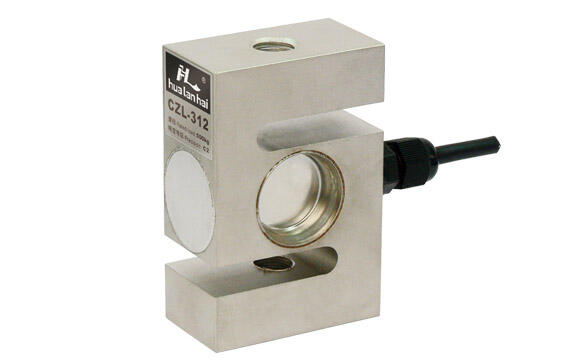
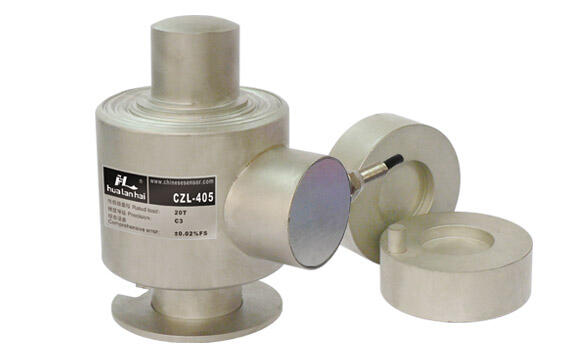
Popular Products

Button force sensors deliver exceptional precision in measuring applied pressure, providing manufacturers with reliable data for product optimization and quality control processes. This accuracy enables companies to establish consistent performance standards across their product lines, reducing customer complaints and warranty issues. The precision of button force sensors eliminates guesswork in interface design, allowing engineers to create products that meet exact specifications for user comfort and functionality. Users benefit from this precision through more responsive and predictable device interactions, leading to improved satisfaction and reduced operational errors. The durability of button force sensors represents a significant advantage for long-term applications. These sensors withstand millions of activation cycles without degradation in performance, making them ideal for high-frequency use environments. This longevity translates to reduced maintenance costs and extended product lifecycles, providing substantial value for both manufacturers and end users. The robust construction of button force sensors ensures reliable operation in challenging conditions, including exposure to vibration, temperature fluctuations, and mechanical stress. Installation and integration of button force sensors prove remarkably straightforward, reducing implementation time and associated costs. Most button force sensors feature standardized connections and mounting options that accommodate existing system architectures without requiring extensive modifications. This compatibility advantage allows companies to upgrade their measurement capabilities without disrupting current production processes or requiring specialized training for technical staff. The user-friendly nature of button force sensors extends to their operation, with most models providing intuitive calibration procedures and clear output signals. Cost-effectiveness represents another compelling advantage of button force sensors, particularly when considering their impact on overall product quality and customer satisfaction. By implementing these sensors during development phases, companies can identify and resolve tactile feedback issues before mass production, preventing costly redesigns and recalls. The relatively low initial investment in button force sensor technology generates substantial returns through improved product performance and reduced quality-related expenses. Additionally, the energy efficiency of modern button force sensors minimizes power consumption in battery-operated devices, extending operational life and reducing environmental impact. Real-time monitoring capabilities of button force sensors provide immediate feedback during testing and calibration procedures, accelerating development timelines and improving workflow efficiency. This instant data availability enables rapid decision-making and iterative design improvements, giving companies competitive advantages in fast-paced markets.

Practical Tips

Conquering The

25

Nov

Conquering The "Bottleneck" Technologies Is The Greatest Motivation

View More
Guide to Selecting Load Cells

25

Nov

Guide to Selecting Load Cells

View More
Selection Method of Resistance Strain Gauges

25

Nov

Selection Method of Resistance Strain Gauges

View More

Get a Free Quote

Our representative will contact you soon.
Email
Name
Company Name
WhatsApp
Message
0/1000

button force sensor

Ultra-High Precision Measurement Technology

Ultra-High Precision Measurement Technology

The button force sensor incorporates state-of-the-art measurement technology that delivers unparalleled accuracy in force detection and quantification. This precision stems from advanced strain gauge configurations and sophisticated signal conditioning circuits that eliminate measurement uncertainties and provide repeatable results across thousands of test cycles. The sensor's measurement resolution typically reaches sub-gram levels, enabling detection of the most subtle force variations that might otherwise go unnoticed with conventional testing methods. This exceptional sensitivity proves invaluable for applications requiring precise tactile feedback calibration, such as smartphone touchscreens, medical device interfaces, and automotive control systems. The high-precision measurement capability of button force sensors extends beyond simple force detection to include comprehensive analysis of force application patterns, including peak force measurement, force-time relationships, and activation threshold determination. These detailed measurements enable engineers to optimize user interfaces for specific demographics, ensuring that button activation forces align with user capabilities and preferences. For elderly users or individuals with limited dexterity, precise force measurement allows designers to create interfaces with appropriately reduced activation thresholds, improving accessibility and usability. Conversely, applications requiring deliberate activation, such as emergency controls or safety systems, benefit from precise high-force thresholds that prevent accidental triggering. The measurement technology within button force sensors also incorporates advanced filtering algorithms that distinguish between intentional button presses and environmental vibrations or accidental contact. This intelligent discrimination prevents false readings and ensures that only legitimate activation attempts register as valid inputs. The precision measurement capability proves particularly valuable in quality assurance applications where manufacturers must verify that production units meet exact specifications for button activation force. By implementing button force sensors in production testing, companies can identify units that fall outside acceptable force ranges, preventing defective products from reaching customers and maintaining brand reputation for quality and reliability.
Exceptional Durability and Long-Term Reliability

Exceptional Durability and Long-Term Reliability

Button force sensors demonstrate remarkable durability characteristics that enable consistent performance across extended operational periods and demanding environmental conditions. The robust construction of these sensors incorporates high-grade materials and protective housings that resist wear, corrosion, and mechanical damage from repeated use. This durability proves essential for applications involving millions of activation cycles, such as manufacturing quality control systems, automated testing equipment, and high-volume production environments. The sensors maintain measurement accuracy and responsiveness throughout their operational lifetime, eliminating the need for frequent calibration or replacement procedures that could disrupt production schedules. The long-term reliability of button force sensors stems from careful engineering of internal components and protective measures against common failure modes. Sealed housings prevent contamination from dust, moisture, and chemical exposure that might otherwise compromise sensor performance. Temperature-stable components ensure consistent operation across wide temperature ranges, making these sensors suitable for both indoor laboratory environments and harsh industrial conditions. The reliability characteristics of button force sensors provide significant economic advantages through reduced maintenance requirements and extended service intervals. Companies implementing these sensors experience fewer system downtimes and lower total cost of ownership compared to alternative measurement solutions. The predictable performance of button force sensors enables more accurate production planning and reduces the risk of unexpected equipment failures that could impact delivery schedules or customer commitments. Quality assurance teams rely on the consistent performance of button force sensors to maintain testing protocols and ensure product compliance with industry standards. The durability advantage extends to the sensor's ability to maintain calibration stability over time, reducing the need for frequent recalibration procedures and associated labor costs. This stability proves particularly valuable in automated testing systems where manual intervention should be minimized to maintain efficiency and reduce human error potential. The robust design of button force sensors also provides protection against electromagnetic interference and electrical transients that might affect measurement accuracy in industrial environments with heavy machinery or power switching equipment.
Seamless Integration and User-Friendly Operation

Seamless Integration and User-Friendly Operation

Button force sensors excel in their ability to integrate smoothly with existing systems and provide intuitive operation for users across various skill levels. The plug-and-play design philosophy incorporated into modern button force sensors eliminates complex installation procedures and reduces the technical expertise required for implementation. Standard communication protocols and connection interfaces ensure compatibility with most data acquisition systems, programmable logic controllers, and computer-based measurement platforms. This compatibility advantage allows organizations to upgrade their force measurement capabilities without requiring extensive system modifications or specialized training programs for operational staff. The user-friendly operation of button force sensors extends to their software interfaces and control systems, which typically feature intuitive graphical displays and straightforward calibration procedures. Most button force sensors include comprehensive software packages that provide real-time force monitoring, data logging capabilities, and statistical analysis tools that help users extract meaningful insights from their measurements. These software features enable users to establish testing protocols, set acceptable force ranges, and generate detailed reports for quality documentation and regulatory compliance purposes. The ease of use characteristic proves particularly valuable for organizations transitioning from manual testing methods to automated force measurement systems. The integration capability of button force sensors encompasses both hardware and software aspects, with many models offering multiple output formats including analog voltage signals, digital communication protocols, and wireless connectivity options. This versatility enables seamless connection to existing measurement infrastructure while providing flexibility for future system expansions or modifications. The sensors can integrate with automated production lines, robotic testing systems, and handheld measurement devices depending on specific application requirements. Remote monitoring capabilities available in advanced button force sensor models allow supervisors to oversee testing operations from central control rooms, improving efficiency and enabling rapid response to measurement anomalies. The configuration flexibility of button force sensors accommodates diverse measurement requirements through adjustable sensitivity settings, customizable trigger levels, and programmable sampling rates. This adaptability ensures optimal performance across different applications while maintaining consistent measurement quality and reliability standards.

Get a Free Quote

Our representative will contact you soon.
Email
Name
Company Name
WhatsApp
Message
0/1000