Superior Environmental Resilience
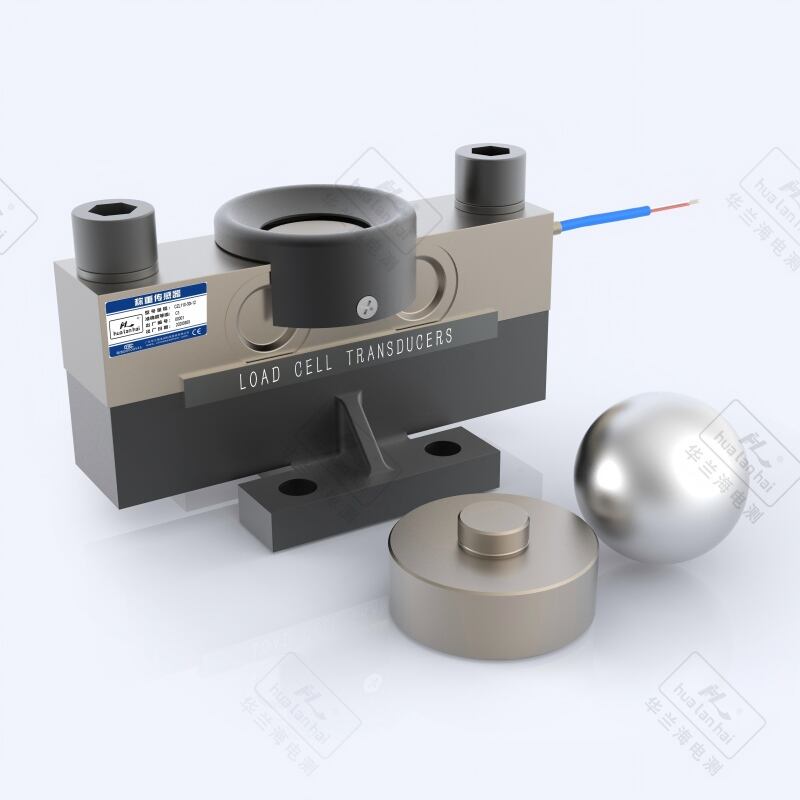
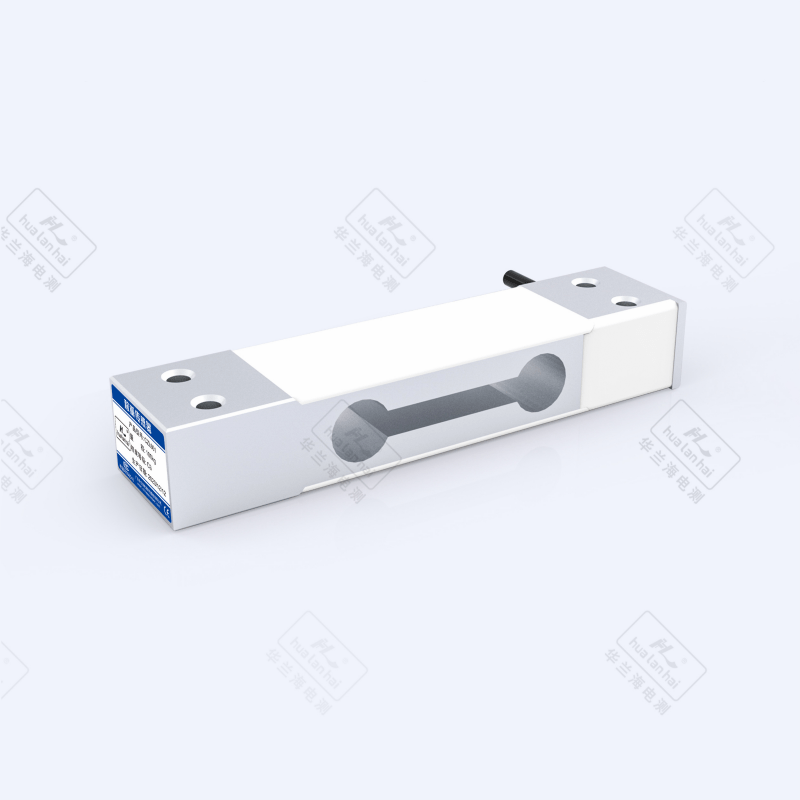
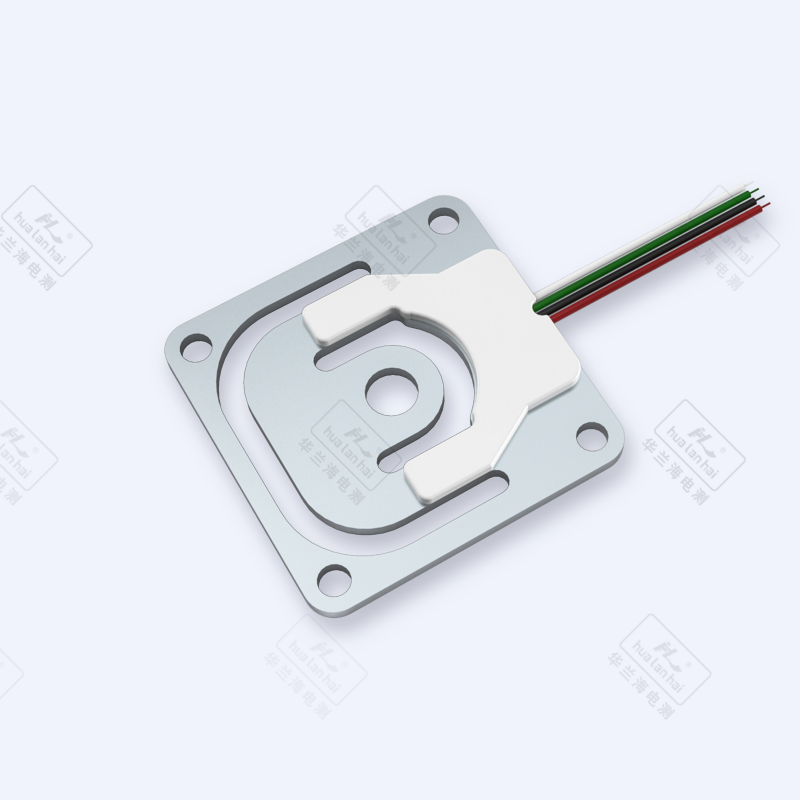
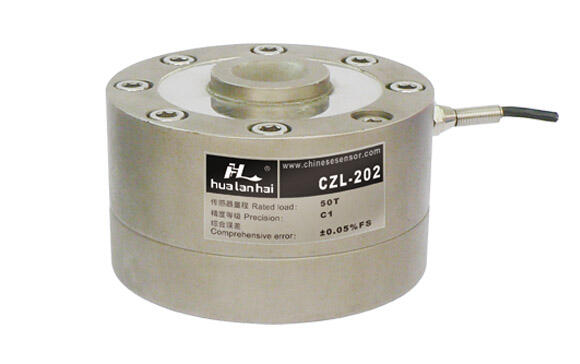
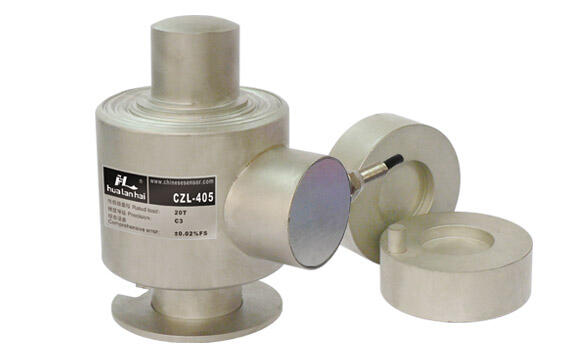
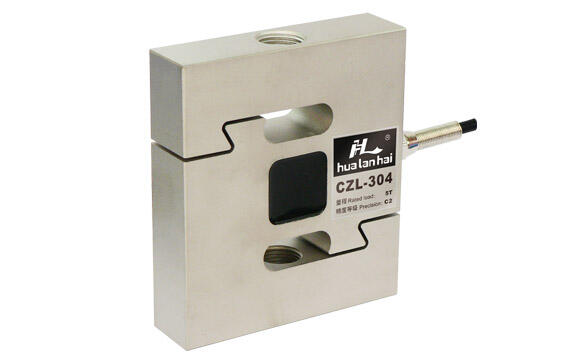
The custom force sensor demonstrates superior environmental resilience through robust design methodologies that ensure reliable operation under the most challenging industrial conditions. This resilience begins with comprehensive environmental analysis during the design phase, where engineers evaluate temperature extremes, humidity levels, chemical exposure risks, and mechanical stress factors that could impact sensor performance. Material selection plays a crucial role in achieving environmental resilience, with custom force sensor designs utilizing corrosion-resistant alloys, specialized protective coatings, and hermetic sealing technologies that prevent environmental contamination from affecting internal components. Temperature resilience extends across wide operational ranges, typically from -40°C to +200°C or higher, depending on application requirements. Advanced thermal design techniques include temperature coefficient matching, thermal isolation structures, and active temperature control systems that maintain measurement accuracy despite significant temperature variations. Vibration resilience incorporates shock-resistant mounting systems, damping materials, and structural reinforcement that enable reliable operation in high-vibration environments such as heavy machinery applications or mobile equipment installations. Chemical resistance features specialized gasket materials, protective enclosures, and surface treatments that withstand exposure to aggressive chemicals, cleaning agents, and industrial solvents without degrading sensor performance or structural integrity. Moisture protection utilizes multiple sealing layers, desiccant materials, and drainage features that prevent water ingress while allowing thermal expansion compensation. The custom force sensor design addresses electromagnetic interference through shielding technologies, filtered signal paths, and grounding strategies that maintain measurement integrity in electrically noisy environments. Pressure resistance capabilities enable operation in high-pressure applications or underwater installations through reinforced housing designs and pressure-compensated electronics. Contamination resistance includes self-cleaning surface textures, protective barriers, and easy-maintenance access points that facilitate routine cleaning procedures without compromising sensor functionality. Long-term environmental resilience receives validation through accelerated aging tests, environmental stress screening, and field deployment monitoring that confirms sustained performance over extended operational periods. This superior environmental resilience ensures that custom force sensor installations continue delivering accurate measurements regardless of operating conditions, providing users with confidence in their measurement systems while minimizing maintenance requirements and replacement costs.


 EN
EN