High Precision Tensile Force Sensor - Advanced Load Measurement Solutions

All Categories

Get a Free Quote

Our representative will contact you soon.
Email
Name
Company Name
WhatsApp
Message
0/1000

tensile force sensor

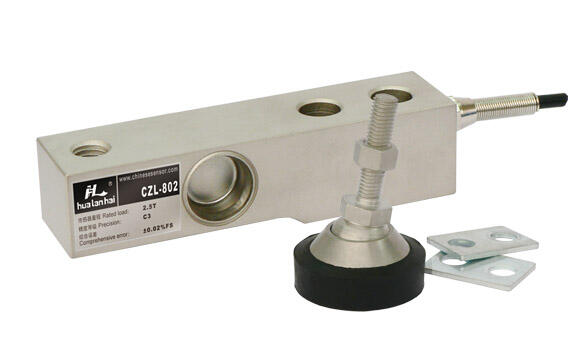
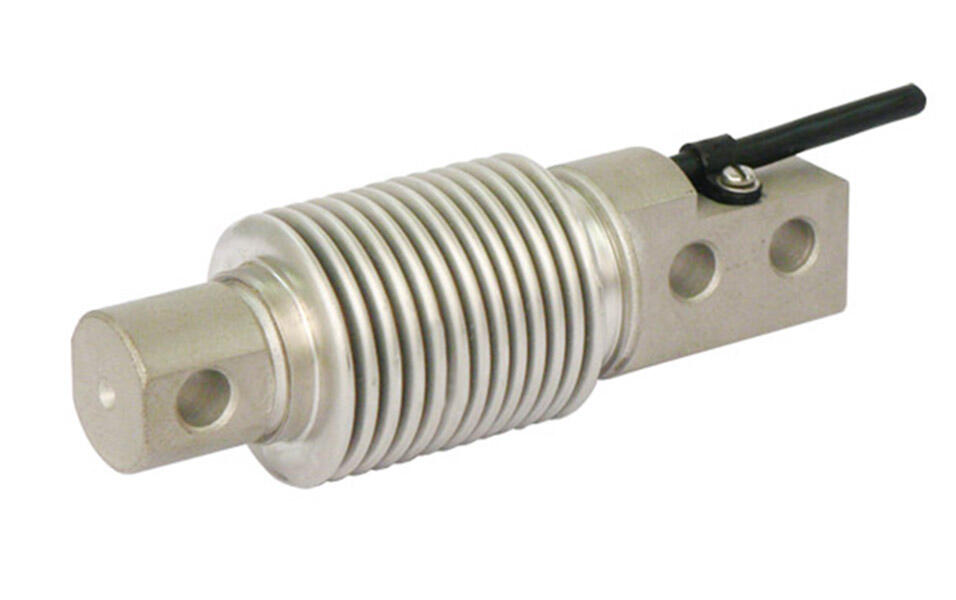
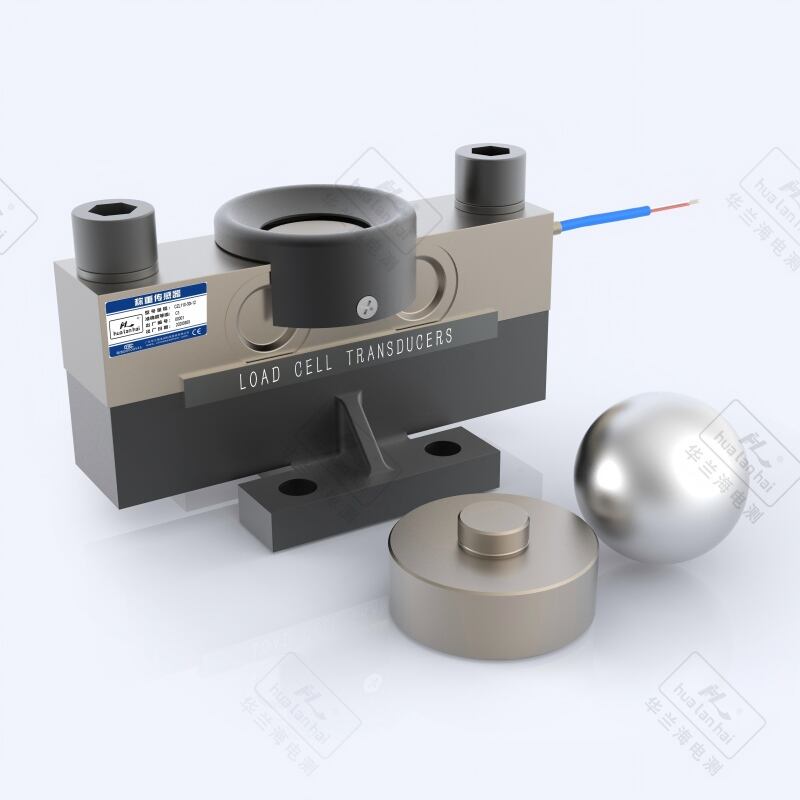
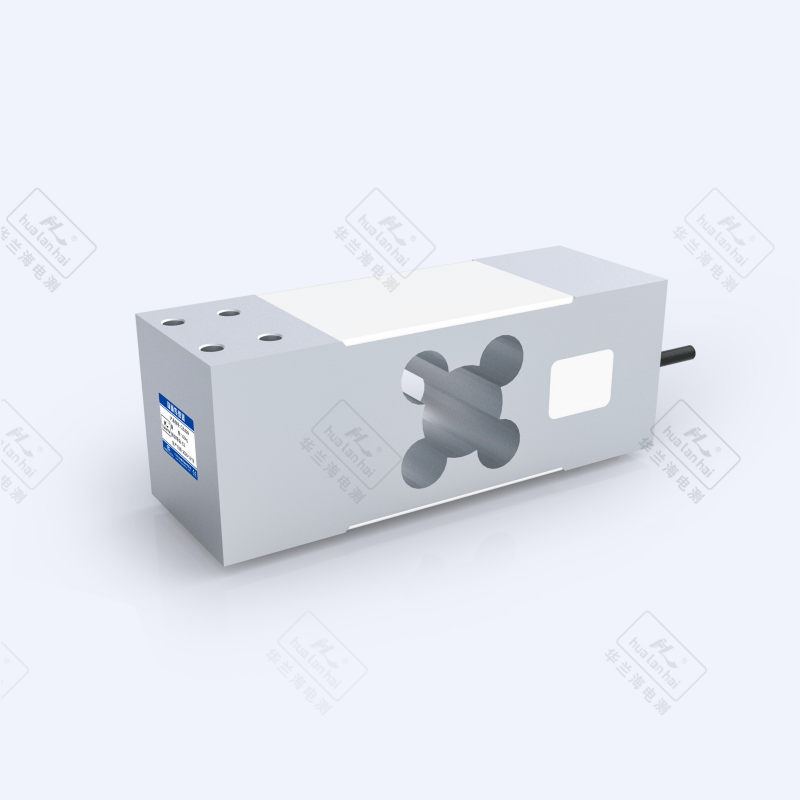
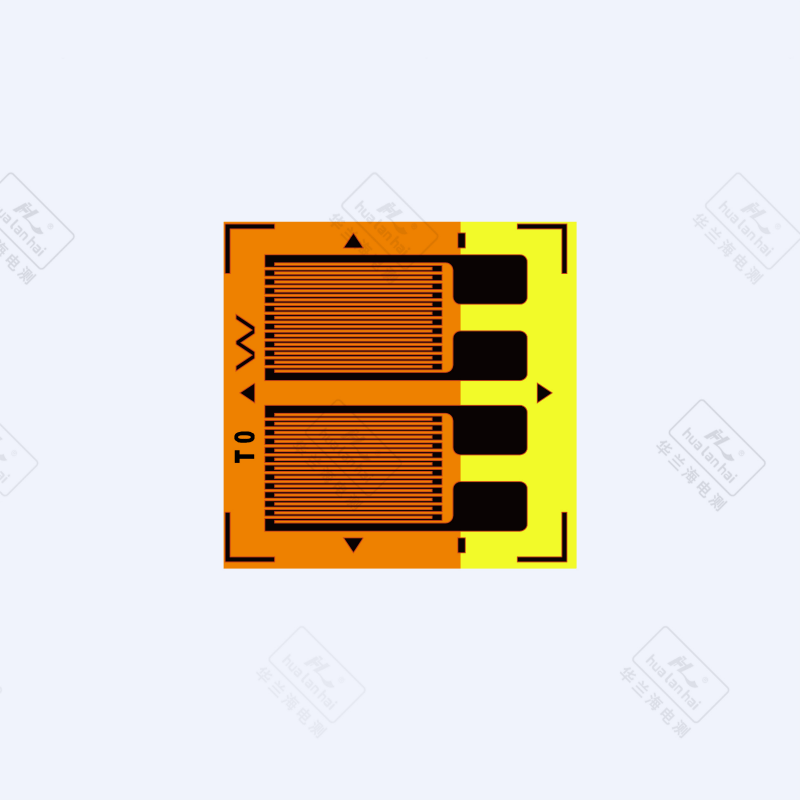
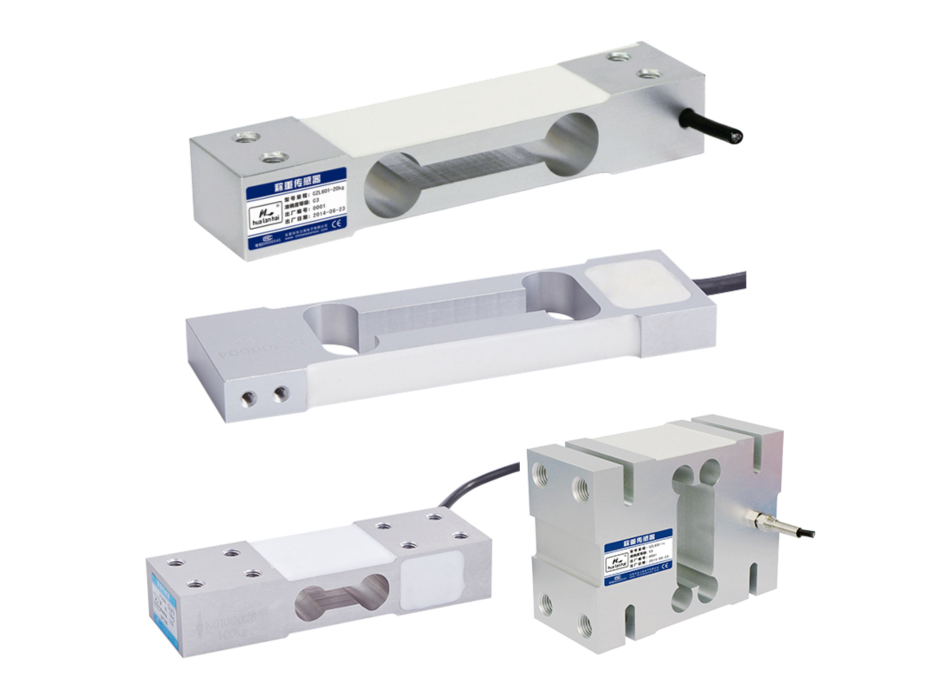
The tensile force sensor represents a sophisticated measurement device engineered to accurately detect and quantify pulling forces across diverse industrial applications. This precision instrument operates by converting mechanical stress into electrical signals, enabling real-time monitoring of tensile loads with exceptional accuracy. Modern tensile force sensor technology incorporates advanced strain gauge elements that respond to mechanical deformation, producing measurable electrical output proportional to the applied force. These sensors feature robust construction materials, typically utilizing high-grade steel or aluminum alloy housings that withstand harsh environmental conditions while maintaining measurement integrity. The tensile force sensor employs sophisticated signal conditioning circuits that amplify and filter raw electrical signals, ensuring stable and reliable force readings even in electrically noisy environments. Contemporary designs integrate digital interfaces, including RS-485, Ethernet, and wireless communication protocols, facilitating seamless integration with automated control systems and data acquisition platforms. Temperature compensation mechanisms within the tensile force sensor automatically adjust readings to account for thermal variations, maintaining accuracy across wide temperature ranges. The sensor's calibrated measurement range spans from fractional pound forces to several tons, accommodating applications from delicate material testing to heavy industrial crane operations. Advanced models incorporate intelligent diagnostics that continuously monitor sensor health, alerting operators to potential calibration drift or component degradation. The tensile force sensor demonstrates exceptional linearity characteristics, typically achieving accuracy levels within 0.1% of full scale across the entire measurement range. These devices feature standardized mounting configurations, including threaded rod ends, clevis pins, and universal joint attachments, enabling straightforward installation across various mechanical systems. Modern tensile force sensor designs emphasize compact form factors without compromising measurement performance, making them suitable for space-constrained applications where traditional load cells prove impractical.

Popular Products

The tensile force sensor delivers immediate economic benefits through enhanced operational efficiency and reduced maintenance costs. Organizations implementing these precision measurement devices experience significant productivity improvements by eliminating guesswork in force-critical applications. The sensor provides continuous real-time monitoring capabilities, allowing operators to make instant adjustments that prevent costly equipment failures and material waste. Unlike traditional mechanical force measurement methods, the tensile force sensor offers digital precision that eliminates human error and subjective interpretation of analog gauges. This advanced measurement technology enables predictive maintenance strategies by tracking force patterns over time, identifying potential equipment issues before catastrophic failures occur. The sensor's robust construction significantly reduces replacement frequency compared to conventional mechanical indicators, delivering substantial cost savings through extended service life. Installation simplicity represents another major advantage, as the tensile force sensor requires minimal setup time and no complex calibration procedures. The device integrates seamlessly with existing control systems, eliminating expensive infrastructure modifications or specialized training requirements. Energy efficiency benefits emerge through optimized process control, as precise force monitoring enables operators to minimize power consumption while maintaining required performance levels. The tensile force sensor enhances workplace safety by providing early warning of overload conditions, protecting both personnel and equipment from dangerous force excursions. Data logging capabilities built into modern sensors create valuable operational records for quality assurance, regulatory compliance, and process optimization initiatives. Remote monitoring features allow supervisors to track multiple measurement points simultaneously from centralized locations, improving operational oversight without additional staffing requirements. The sensor's versatility accommodates diverse applications across multiple industries, providing excellent return on investment through multi-purpose utilization. Accuracy consistency over extended periods eliminates frequent recalibration expenses while ensuring reliable measurement performance. Environmental resistance capabilities protect the tensile force sensor from moisture, dust, and chemical exposure, maintaining functionality in challenging industrial environments. The technology supports automated control functions that optimize production processes, reduce material consumption, and improve product quality consistency. These comprehensive advantages position the tensile force sensor as an essential component for modern industrial operations seeking improved efficiency, safety, and profitability.

Practical Tips

Guide to Selecting Load Cells

25

Nov

Guide to Selecting Load Cells

View More
Selection Method of Resistance Strain Gauges

25

Nov

Selection Method of Resistance Strain Gauges

View More

Get a Free Quote

Our representative will contact you soon.
Email
Name
Company Name
WhatsApp
Message
0/1000

tensile force sensor

Unmatched Precision and Reliability

Unmatched Precision and Reliability

The tensile force sensor achieves unprecedented measurement accuracy through advanced strain gauge technology and sophisticated signal processing algorithms. This exceptional precision stems from carefully calibrated sensor elements that respond linearly to applied forces across the entire measurement range. The sensor incorporates multiple strain gauges arranged in full Wheatstone bridge configurations, providing temperature compensation and eliminating measurement errors caused by thermal expansion. Advanced analog-to-digital conversion circuits sample force data at high frequencies, capturing rapid force variations that traditional measurement systems miss entirely. The tensile force sensor maintains accuracy specifications of ±0.1% full scale or better, ensuring reliable measurements for critical applications where precision directly impacts product quality and operational safety. Comprehensive factory calibration procedures utilize NIST-traceable standards, guaranteeing measurement traceability and regulatory compliance across diverse industries. The sensor's stability characteristics demonstrate minimal drift over extended periods, typically maintaining calibration accuracy for years without requiring adjustment. Built-in diagnostics continuously monitor sensor performance parameters, including bridge resistance, excitation voltage, and signal integrity, providing early warning of potential calibration issues. Environmental compensation algorithms automatically adjust readings for temperature, humidity, and atmospheric pressure variations, maintaining measurement accuracy across challenging operating conditions. The tensile force sensor incorporates redundant measurement channels in critical applications, providing backup measurements and enhanced reliability through signal comparison algorithms. Advanced filtering techniques eliminate electrical noise and mechanical vibrations that could compromise measurement accuracy, ensuring clean, stable force readings even in electrically harsh environments. Quality assurance protocols during manufacturing include individual sensor testing, statistical process control, and comprehensive documentation that guarantees consistent performance characteristics. The precision engineering behind each tensile force sensor ensures long-term reliability and accuracy that professionals depend upon for critical force measurement applications across aerospace, automotive, construction, and manufacturing industries.
Seamless Integration and Connectivity

Seamless Integration and Connectivity

Modern tensile force sensor designs prioritize effortless integration with existing industrial systems through comprehensive connectivity options and standardized communication protocols. These intelligent devices feature multiple output formats, including analog voltage, current loops, and digital interfaces that accommodate virtually any data acquisition or control system configuration. Standard communication protocols such as Modbus RTU, Ethernet/IP, and Profibus enable direct connection to programmable logic controllers, distributed control systems, and supervisory control networks without requiring additional interface hardware. The tensile force sensor incorporates plug-and-play functionality that dramatically reduces installation time and eliminates complex configuration procedures. Pre-configured software libraries and driver packages support popular industrial automation platforms, allowing system integrators to implement force measurement capabilities with minimal programming effort. Wireless communication options, including Wi-Fi, Bluetooth, and cellular connectivity, provide flexible installation possibilities where traditional wired connections prove impractical or expensive. The sensor's standardized mechanical mounting interfaces, including threaded connections, clevis pins, and universal joints, ensure compatibility with existing equipment configurations without requiring costly modifications. Auto-configuration capabilities allow the tensile force sensor to automatically detect and adapt to connected systems, simplifying setup procedures for non-technical personnel. Remote configuration and diagnostic capabilities enable technicians to adjust sensor parameters, update firmware, and perform troubleshooting procedures from centralized locations, reducing maintenance costs and system downtime. The device supports multiple simultaneous communication channels, allowing integration with both local control systems and enterprise-level data management platforms. Comprehensive API documentation and software development kits enable custom application development for specialized integration requirements. The tensile force sensor's compatibility with industry-standard mounting hardware and electrical connections ensures seamless retrofitting of existing force measurement systems. Cloud connectivity options provide secure data transmission to remote monitoring and analytics platforms, enabling advanced predictive maintenance and performance optimization strategies across distributed industrial operations.
Exceptional Durability and Environmental Protection

Exceptional Durability and Environmental Protection

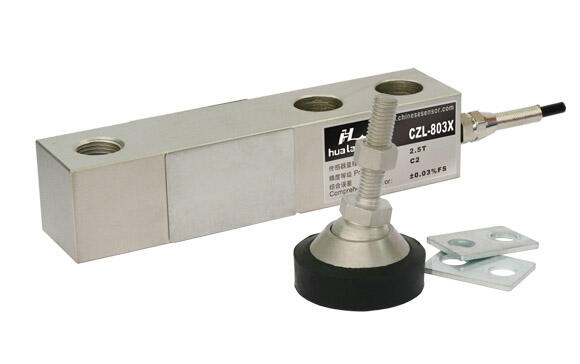
The tensile force sensor demonstrates remarkable resilience through engineered construction materials and protective design features that ensure reliable operation in demanding industrial environments. Precision-machined stainless steel and aircraft-grade aluminum components provide exceptional strength-to-weight ratios while resisting corrosion from chemicals, moisture, and atmospheric contaminants. Advanced sealing technologies, including O-ring assemblies and hermetic enclosures, achieve IP67 or higher ingress protection ratings that prevent contamination from dust, water, and aggressive cleaning agents. The sensor's robust mechanical design withstands shock and vibration loads far exceeding normal operating conditions, ensuring continued accuracy during equipment transportation and installation procedures. Temperature stability across extreme ranges, typically spanning -40°F to +200°F, accommodates applications from Arctic construction projects to high-temperature manufacturing processes. The tensile force sensor incorporates strain relief features that protect internal wiring and connections from mechanical stress during cable routing and equipment movement. Electromagnetic interference shielding prevents signal corruption from nearby electrical equipment, motors, and wireless communication devices commonly found in industrial settings. Overload protection mechanisms safeguard internal components from damage during accidental force excursions beyond rated capacity, often providing 150% or greater overload capability without permanent calibration shift. The sensor's fatigue resistance characteristics enable millions of loading cycles without degradation, supporting continuous operation in high-frequency applications such as material testing and cyclic loading systems. Chemical resistance properties protect external surfaces and internal components from exposure to hydraulic fluids, cleaning solvents, and process chemicals encountered in manufacturing environments. Lightning and electrical surge protection circuits prevent damage from power system transients and atmospheric electrical disturbances that could compromise sensor functionality. Quality materials selection and manufacturing processes ensure long service life that minimizes replacement costs and reduces maintenance scheduling requirements. The tensile force sensor's rugged construction eliminates the need for protective enclosures or environmental controls in most applications, simplifying installation and reducing total system costs while maintaining measurement performance and reliability standards that professionals expect from precision industrial instrumentation.

Get a Free Quote

Our representative will contact you soon.
Email
Name
Company Name
WhatsApp
Message
0/1000