Professional Brake Force Sensor Technology - Precision Measurement Solutions for Industrial Applications

All Categories

Get a Free Quote

Our representative will contact you soon.
Email
Name
Company Name
WhatsApp
Message
0/1000

brake force sensor

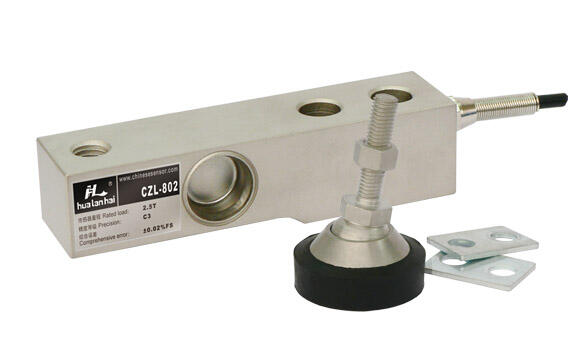
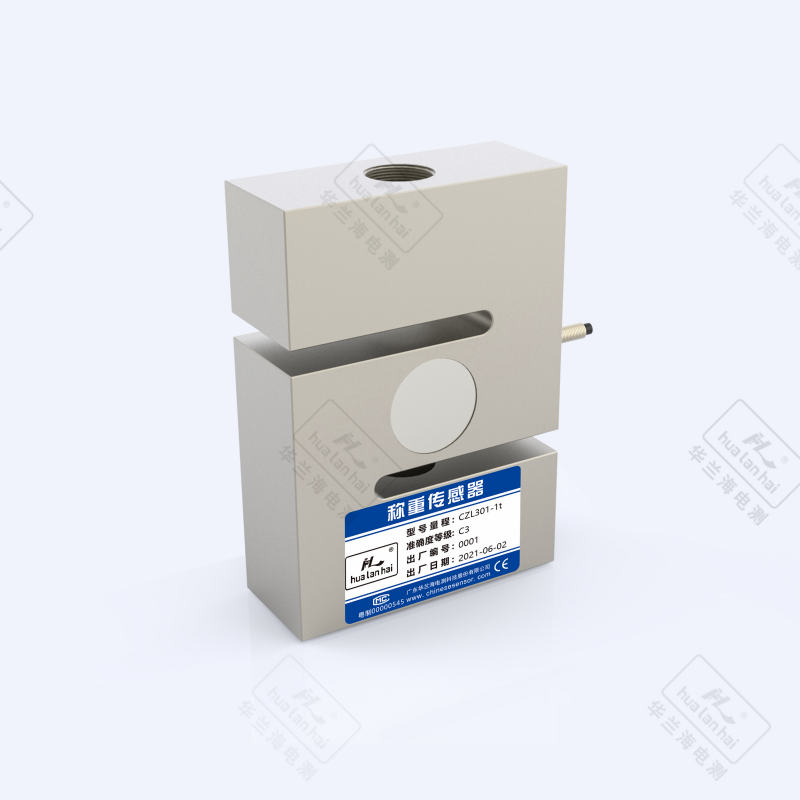
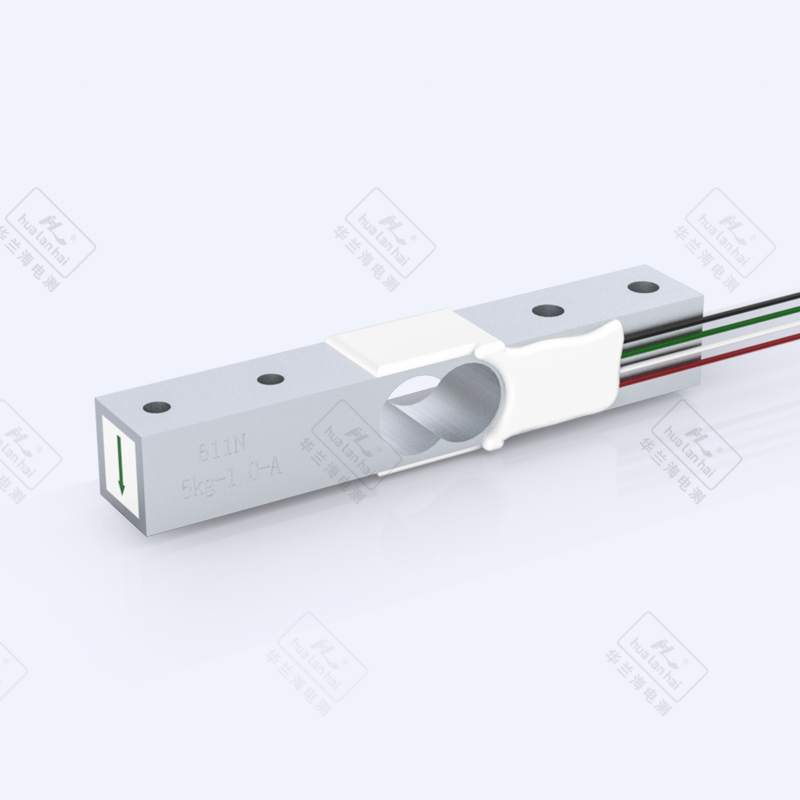
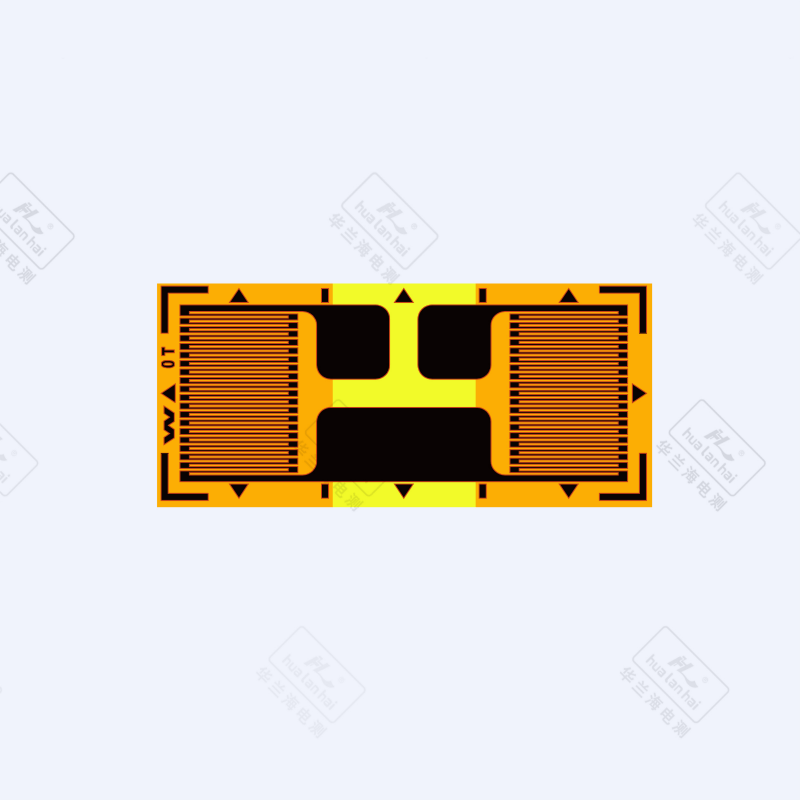
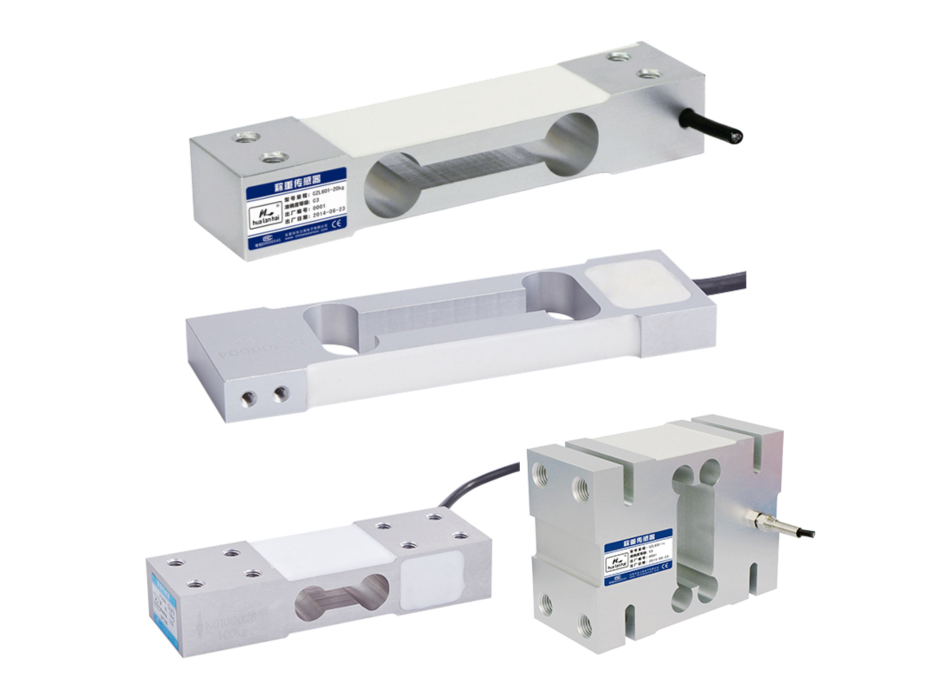
A brake force sensor represents a sophisticated measurement device designed to monitor and analyze the braking forces applied within various mechanical systems. This precision instrument plays a crucial role in ensuring optimal brake performance by providing real-time data on force distribution and brake system effectiveness. The brake force sensor utilizes advanced strain gauge technology to detect minute changes in mechanical stress when braking force is applied, converting these physical measurements into accurate electrical signals that can be processed and analyzed by control systems. Modern brake force sensor designs incorporate multiple sensing elements positioned strategically to capture comprehensive force data from different points within the braking mechanism. These sensors operate through piezoelectric or strain-based measurement principles, delivering exceptional accuracy and reliability even under extreme operating conditions. The brake force sensor technology has evolved significantly, now featuring digital signal processing capabilities that enhance measurement precision while reducing noise interference. Contemporary brake force sensor systems integrate seamlessly with electronic control units, enabling automated brake force optimization and safety monitoring. The sensor housing typically employs robust materials like stainless steel or aerospace-grade aluminum to withstand harsh environmental conditions including temperature fluctuations, moisture, and mechanical vibrations. Advanced brake force sensor models include temperature compensation mechanisms to maintain accuracy across varying operational temperatures. The measurement range of these sensors spans from light-duty applications requiring minimal force detection to heavy-duty industrial systems demanding high-capacity force measurement. Signal conditioning circuits within the brake force sensor convert raw sensor data into standardized output formats compatible with modern data acquisition systems. The technology enables both static and dynamic force measurements, making it suitable for comprehensive brake system analysis and performance optimization across diverse applications.

New Product Recommendations

The brake force sensor delivers exceptional measurement precision that transforms brake system monitoring and optimization processes. Users benefit from real-time force data that enables immediate detection of brake performance variations, allowing for proactive maintenance scheduling and preventing costly system failures. This advanced sensor technology eliminates guesswork from brake system diagnostics by providing quantifiable force measurements with accuracy levels typically exceeding 0.1% of full scale. The digital output capabilities of modern brake force sensor systems streamline data integration with existing control networks, reducing installation complexity and setup time. Maintenance teams appreciate the sensor's ability to detect gradual brake wear patterns before they compromise system safety, extending component lifespan through informed maintenance decisions. The brake force sensor operates continuously without requiring manual intervention, delivering consistent monitoring that human inspection cannot match in terms of frequency and precision. Cost savings emerge through predictive maintenance strategies enabled by brake force sensor data, as organizations can replace brake components based on actual wear measurements rather than arbitrary time intervals. The sensor's robust construction ensures reliable operation in challenging environments where traditional measurement methods fail, including high-temperature applications and vibration-heavy installations. Installation flexibility represents another significant advantage, as brake force sensor designs accommodate various mounting configurations without compromising measurement accuracy. The technology supports both wired and wireless data transmission options, enabling remote monitoring capabilities that enhance operational efficiency. Safety improvements result from continuous brake force monitoring, as the sensor immediately alerts operators to dangerous force variations that could lead to brake failure. Energy efficiency benefits emerge through optimized brake force application, as the sensor data enables precise force control that minimizes energy waste while maintaining required braking performance. The brake force sensor technology reduces training requirements for maintenance personnel, as digital displays and standardized outputs simplify data interpretation compared to complex mechanical measurement systems. Long-term reliability characteristics of these sensors minimize replacement costs and reduce system downtime associated with sensor maintenance or calibration procedures.

Tips And Tricks

Conquering The

25

Nov

Conquering The "Bottleneck" Technologies Is The Greatest Motivation

View More
Guide to Selecting Load Cells

25

Nov

Guide to Selecting Load Cells

View More

Get a Free Quote

Our representative will contact you soon.
Email
Name
Company Name
WhatsApp
Message
0/1000

brake force sensor

Advanced Strain Gauge Technology for Unparalleled Accuracy

Advanced Strain Gauge Technology for Unparalleled Accuracy

The brake force sensor incorporates cutting-edge strain gauge technology that sets new standards for force measurement precision in braking applications. This sophisticated measurement system employs multiple high-precision strain gauges strategically positioned to capture comprehensive force data from all critical points within the brake mechanism. The strain gauge elements respond to mechanical deformation with exceptional sensitivity, detecting force variations as small as 0.01% of the full-scale range. This remarkable precision enables users to identify subtle changes in brake performance that traditional measurement methods cannot detect. The brake force sensor technology utilizes temperature-compensated strain gauges that maintain measurement accuracy across extreme temperature ranges from -40°C to +85°C, ensuring reliable performance in diverse environmental conditions. The multi-axis measurement capability of these strain gauge arrays provides complete force vector analysis, revealing not only the magnitude of applied brake force but also its directional components. This comprehensive data enables engineers to optimize brake pad alignment, reduce uneven wear patterns, and maximize braking efficiency. The signal conditioning electronics integrated within the brake force sensor amplify and filter the strain gauge signals, eliminating noise interference while preserving measurement accuracy. Advanced digital signal processing algorithms further enhance the sensor's capability to distinguish between actual force signals and environmental disturbances. The brake force sensor design incorporates redundant strain gauge elements that provide backup measurement capability, ensuring continuous operation even if individual gauges experience failure. This fault-tolerant architecture makes the sensor ideal for critical safety applications where measurement continuity is essential. The high-frequency response characteristics of the strain gauge technology enable dynamic force analysis, capturing transient brake force events that occur during rapid braking scenarios. Calibration procedures for the brake force sensor are streamlined through automated calibration routines that maintain measurement accuracy over extended operational periods without requiring external calibration equipment.
Real-Time Data Processing and Intelligent Monitoring Systems

Real-Time Data Processing and Intelligent Monitoring Systems

The brake force sensor features sophisticated real-time data processing capabilities that transform raw force measurements into actionable intelligence for brake system optimization. This advanced processing system continuously analyzes brake force patterns, identifying trends and anomalies that indicate potential maintenance requirements or performance degradation. The integrated microprocessor within the brake force sensor executes complex algorithms that filter signal noise, compensate for temperature variations, and calculate derived parameters such as brake efficiency and force distribution balance. Real-time monitoring capabilities enable immediate alert generation when brake force measurements exceed predetermined safety thresholds, providing crucial early warning of potential brake system failures. The brake force sensor communication protocols support multiple industry-standard interfaces including CAN bus, Ethernet, and wireless connectivity options, ensuring seamless integration with existing control systems and data acquisition networks. Advanced data logging functionality stores historical brake force measurements in non-volatile memory, creating comprehensive performance records that support predictive maintenance strategies and system optimization initiatives. The sensor's intelligent monitoring system automatically adapts to changing operational conditions, adjusting measurement parameters and alert thresholds based on learned brake system characteristics. This adaptive capability ensures optimal performance across varying load conditions, brake pad materials, and environmental factors. The brake force sensor technology includes built-in diagnostics that continuously monitor sensor health, detecting potential issues such as wiring faults, calibration drift, or mechanical damage before they affect measurement accuracy. Remote monitoring capabilities enable centralized brake force surveillance across multiple installations, reducing maintenance costs and improving overall system reliability. The data processing system generates standardized reports that simplify brake system analysis for maintenance personnel, presenting complex force data in easily interpretable formats. Statistical analysis functions within the brake force sensor calculate key performance indicators such as average brake force, peak force events, and force distribution patterns, providing valuable insights for system optimization. The real-time processing capability extends to predictive analytics, where machine learning algorithms analyze historical brake force patterns to forecast maintenance requirements and optimize brake system performance.
Versatile Application Range and Industrial-Grade Durability

Versatile Application Range and Industrial-Grade Durability

The brake force sensor demonstrates exceptional versatility across diverse industrial applications, from automotive testing facilities to heavy machinery monitoring systems, delivering consistent performance regardless of the operational environment. This adaptability stems from the sensor's modular design architecture that accommodates various force ranges, mounting configurations, and output specifications to meet specific application requirements. In automotive applications, the brake force sensor enables comprehensive brake system testing and validation, supporting both development testing and production quality assurance processes. The sensor's high-speed measurement capability captures transient brake force events during emergency braking scenarios, providing critical data for safety system development. Industrial machinery applications benefit from the brake force sensor's ability to monitor crane brake systems, elevator safety mechanisms, and conveyor belt brake assemblies, ensuring compliance with safety regulations and preventing costly equipment failures. The sensor's industrial-grade construction features IP67-rated environmental protection that shields sensitive measurement components from dust, moisture, and chemical exposure common in harsh industrial environments. Vibration resistance characteristics enable reliable operation in applications subject to mechanical shock and continuous vibration, such as mining equipment and marine installations. The brake force sensor temperature stability ensures accurate measurements in extreme thermal conditions, from refrigerated storage facilities to high-temperature manufacturing processes. Material compatibility considerations in the sensor design prevent corrosion and degradation when exposed to hydraulic fluids, brake cleaner chemicals, and other automotive service materials. The sensor's compact form factor facilitates installation in space-constrained applications where traditional force measurement systems cannot fit, expanding its applicability across various industries. Customization options for the brake force sensor include specialized mounting hardware, extended cable lengths, and modified output ranges to accommodate unique installation requirements. The technology scales effectively from light-duty applications requiring minimal force measurement to heavy-duty systems demanding high-capacity force detection, maintaining measurement accuracy across the entire range. Long-term stability characteristics of the brake force sensor minimize calibration requirements and reduce maintenance overhead, making it cost-effective for continuous monitoring applications. The sensor's compatibility with various brake fluid types and hydraulic systems ensures broad applicability without concerns about chemical compatibility or performance degradation.
Get a Free Quote

Our representative will contact you soon.
Email
Name
Company Name
WhatsApp
Message
0/1000