EN
EN

- Overview
- Recommended Products
Product Introduction
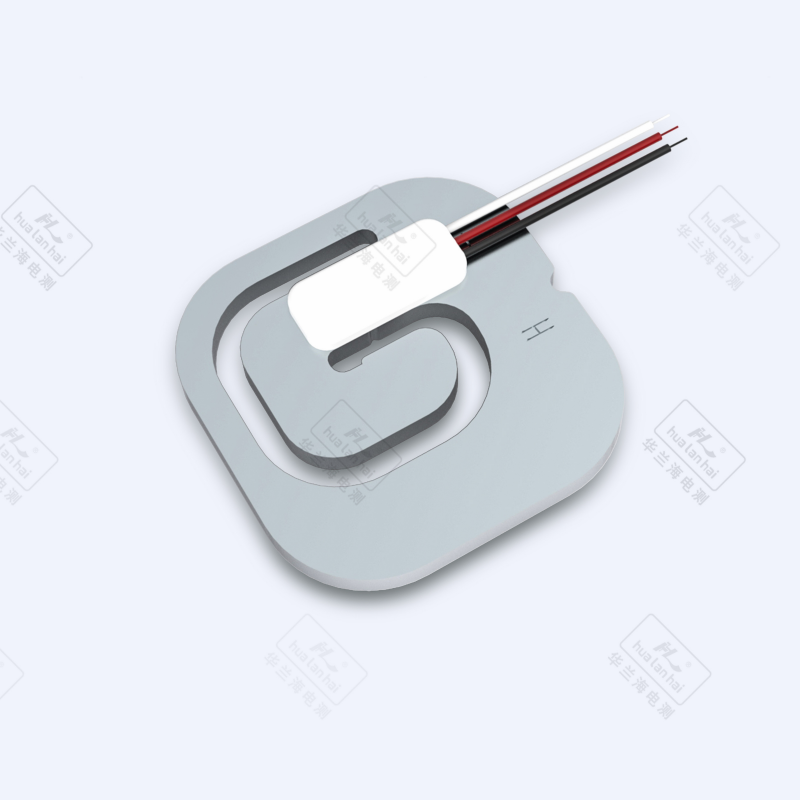
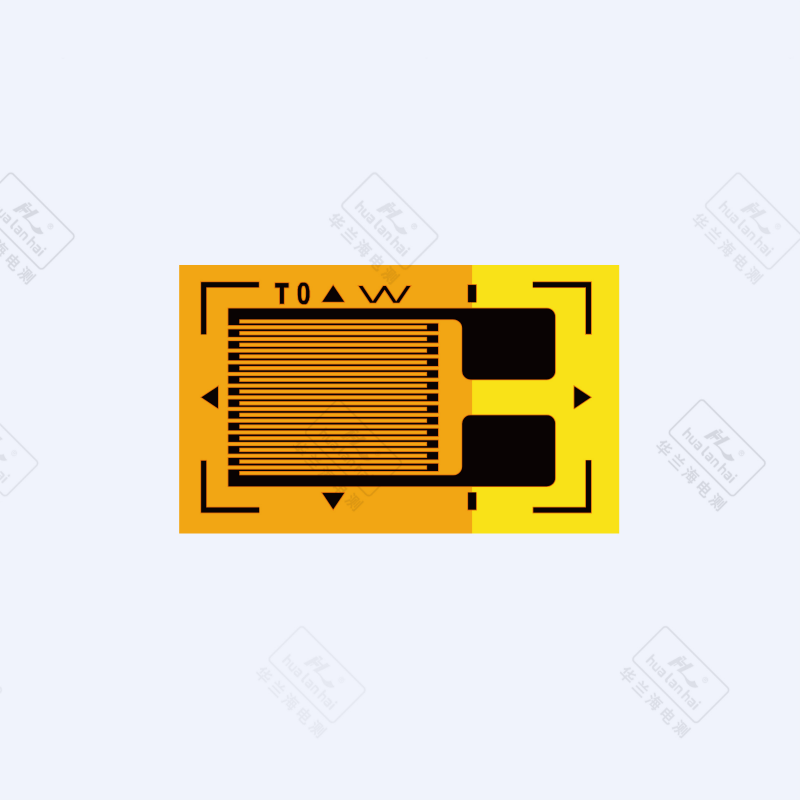
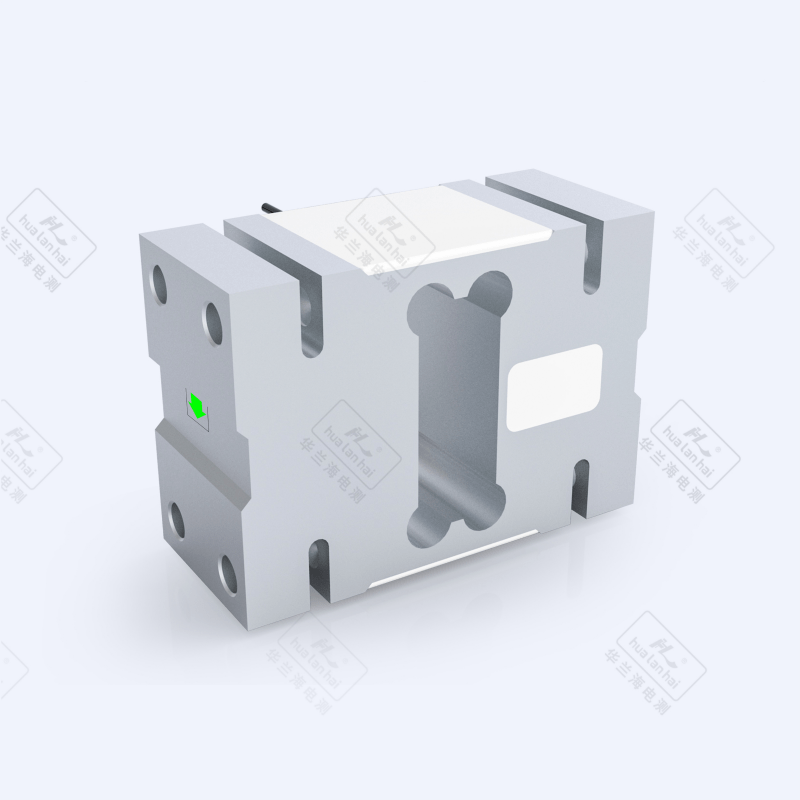
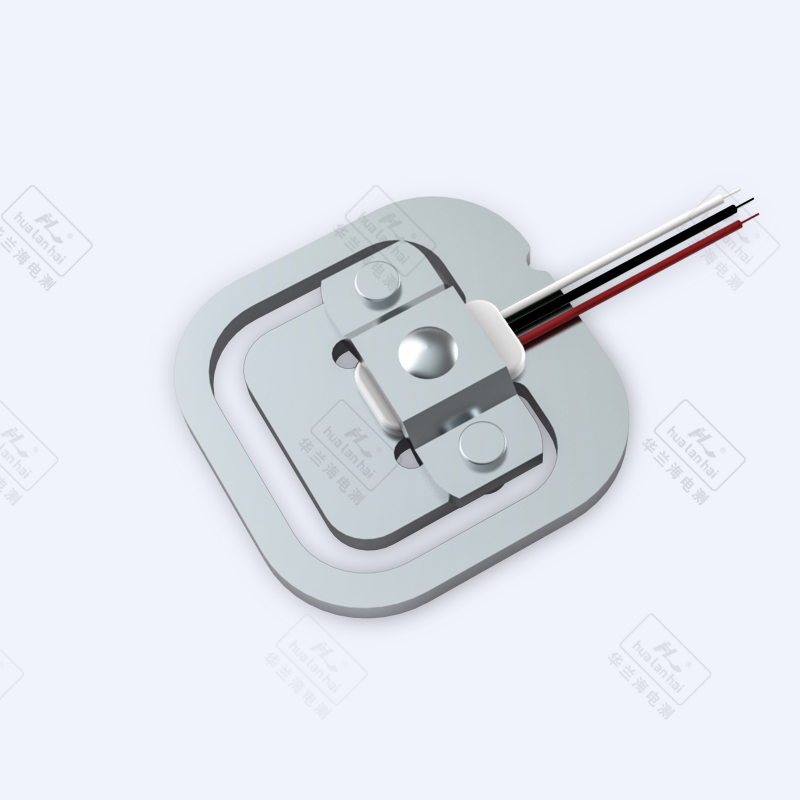
The Steel Micro Sensor CZL902 represents a sophisticated miniaturized weight measurement component developed through advanced strain gauge technology. This micro load cell converts weight signals into measurable electrical signals through precision-engineered sensitive structures, delivering exceptional performance in confined spaces. The Steel Micro Sensor CZL902 features a compact volume typically ranging from a few cubic centimeters to several tens of cubic centimeters, with measurement capabilities spanning from grams to kilograms. This combination of "small size" and "high precision" makes the micro load cell an indispensable solution for modern weighing applications. As the core component for accurate weight measurement in light-load and space-restricted environments, the Steel Micro Sensor CZL902 is extensively deployed across medical equipment, consumer electronics, intelligent devices, and scientific research facilities, establishing the essential foundation for weight sensing in micro-devices.
1. Core Features and Functions
1) Miniaturization Core Characteristics
• Ultra-small volume and lightweight: The Steel Micro Sensor CZL902 regular size ranges from 5mm×5mm×2mm to 30mm×20mm×10mm, with customized models reducible to millimeter level precision. The weight specification of only 0.1g to 5g enables seamless embedding into confined spaces such as smart watches and micro pumps without compromising the overall structural design of host devices.
• Compact structural design: The micro load cell adopts integrated packaging, consolidating sensitive elements and signal conditioning circuits into a micro housing. Multiple models support thin and light installation forms including surface mount and lead type configurations, enabling direct soldering or snap-fit fixation on PCB boards for optimal space utilization.
2) Weighing Performance Advantages
• Wide-range accurate measurement: The Steel Micro Sensor CZL902 measurement range encompasses 0.1g to 50kg, with core measurement accuracy of ±0.01%FS to ±0.1%FS and resolution capability reaching 0.001g. This steel sensor delivers exceptional precision for both microgram-level sample weighing in laboratories and gram-level weight monitoring in consumer electronics applications.
• Fast dynamic response: With response time specifications of ≤10ms, the micro load cell enables real-time capture of instantaneous weight changes. This performance characteristic proves essential for high-speed light-load weighing on automated sorting lines and precise drip rate weight monitoring in medical infusion systems, preventing measurement deviations caused by signal delay.
• Stable anti-interference ability: The integrated temperature compensation module adapts to -10℃ to +60℃ working environments, effectively offsetting environmental temperature fluctuation impacts. The load cell employs differential signal output or electromagnetic shielding design configurations to resist electromagnetic interference from internal device circuits, ensuring consistent data stability.
3) Integration and Adaptation Functions
• Multi-signal output adaptation: The Steel Micro Sensor CZL902 supports analog signals (0-5V, 4-20mA) and digital signals (I2C, SPI, UART) output capabilities. This versatility enables direct connection to micro control units including MCUs, single-chip microcomputers, and small PLCs without requiring additional signal amplification modules.
• Material and medium compatibility: Sensitive elements predominantly utilize 316L stainless steel, titanium alloy, or engineering plastics with anti-corrosion housing treatment. This steel sensor design ensures compatibility with diverse weighing media including medical body fluids, food raw materials, and electronic components, preventing contamination or corrosion-related damage.
• Low power consumption characteristics: Static power consumption remains at ≤10mA, with sleep mode capabilities achieving as low as 10μA consumption levels. These specifications make the micro load cell ideally suited for battery-powered portable devices such as handheld weighing scales and smart wearable equipment, substantially extending operational battery life.
2. Core Industry Pain Points Addressed
Traditional load cells demonstrate significant limitations in light-load and miniaturized weighing scenarios, exhibiting excessive size, high power consumption, insufficient accuracy, and integration difficulties. The Steel Micro Sensor CZL902 and comparable micro load cell solutions specifically address these core pain points:
• Integration obstacles in miniature devices: The micro load cell solves the critical problem that traditional sensors cannot be embedded within small devices, including body weight monitoring functions in smart bracelets and liquid medicine weight control in miniature medical pumps. The compact form factor design fulfills dual requirements of "weighing function plus miniaturization."
• High-precision measurement challenges under light loads: This steel sensor addresses insufficient accuracy limitations of traditional sensors in gram-level and milligram-level weighing applications, such as trace sample weighing in laboratories and electronic component pin weight detection, providing reliable data for precision production and scientific research initiatives.
• Power consumption issues in portable devices: The micro load cell resolves short battery life problems caused by high-consumption traditional sensors in handheld express weighing scales and outdoor sample collection equipment. Low power consumption characteristics extend single-use operational time significantly.
• Complex installation space limitations: The load cell meets weighing requirements in narrow and specially structured spaces, including internal component weighing in automated equipment and fluid weight monitoring within pipeline systems, effectively breaking through spatial constraints via patch-type and embedded installation methods.
• Signal compatibility challenges across scenarios: The micro load cell resolves signal incompatibility issues between traditional sensors and miniature control units. Digital signal output models connect directly to single-chip microcomputers and MCUs, significantly reducing circuit design complexity and lowering equipment R&D costs.
3. Highlights of User Experience
• High integration convenience: Standardized pin layout and package dimensions enable direct soldering or snap-fit fixation on PCB boards, eliminating complex mechanical structure requirements. Integration time reduces to within 30 minutes, substantially improving equipment production efficiency.
• Simple debugging operation: Digital signal models support one-key calibration of zero point and range through command protocols. Analog signal configurations provide excellent linearity, requiring only straightforward circuit debugging for operational deployment and lowering technical thresholds for R&D personnel.
• Strong stability in use: Temperature compensation and anti-interference engineering design ensure data drift remains at ≤±0.05%FS annually. This stability eliminates frequent calibration requirements in portable and embedded scenarios, substantially reducing post-maintenance workload demands.
• Flexible and diverse model selection: An extensive range of models featuring different measurement ranges, signal types, and installation methods allows direct selection based on equipment size, power supply voltage, and accuracy specifications. Manufacturers frequently support small-batch customization addressing personalized application needs.
• Reasonable cost control: Bulk procurement pricing typically ranges between tens and hundreds of yuan per unit, with costs reduced by more than 50% compared to customized miniature sensing solutions. Simultaneously, low power consumption characteristics substantially reduce overall equipment energy consumption costs throughout the operational lifecycle.
4. Typical Use Scenarios
Healthcare Applications
• Infusion Monitoring Devices: Embedded within infusion pumps, the micro load cell monitors real-time medicinal solution weight changes, calculates precise infusion rates, and triggers alarms when solutions approach depletion, preventing empty bottle risks in intensive care unit environments.
• Laboratory and Analytical Equipment: The steel sensor functions within micropipettes and biochemical analyzers, measuring reagent or sample weights to ensure accurate sample addition and analysis precision in critical testing procedures.
Consumer Electronics and Smart Wearables
• Smart Wearable Integration: The micro load cell integrates into smart bracelets and watches, enabling indirect body weight measurement, body composition analysis, and exercise force monitoring capabilities.
• Smart Home Applications: Used in kitchen scales and coffee makers for precise ingredient measurement, or monitoring smart trash can fullness through weight assessment functionality.
Industrial Automation and Manufacturing
• Electronics Production: The load cell monitors component weights on SMT pick-and-place lines, identifying defective products and ensuring semiconductor packaging colloid weight compliance.
• Micro Assembly Applications: Integrated within robotic end-effectors, the micro sensor detects grasped component weights and confirms successful grasping during precision assembly operations.
Scientific Research and Environmental Monitoring
• Materials Testing: The steel sensor measures material sample weights during stretching and compression analysis, supporting comprehensive materials science research initiatives.
• Environmental Sampling: Integrated within water quality monitors and air sampling devices, the micro load cell measures collected sample weights for pollutant concentration calculations.
Summary
The Steel Micro Sensor CZL902, distinguished by core competencies in "small size, high precision, and low power consumption," fundamentally transforms traditional weighing device limitations regarding spatial constraints and measurement range. This micro load cell precisely fulfills light-load weighing requirements across medical, consumer electronics, and micro manufacturing sectors. The convenient integration methodology, stable performance characteristics, and reasonable cost structure not only drive functional advancement of micro devices but also provide reliable foundational support for various industries achieving "precision, miniaturization, and intelligence" in weighing applications. The micro load cell represents an indispensable and critical branch within modern sensing technology infrastructure.
Detail Display
Parameters
| Parameter Name | Parameter Value |
| Rated load | 10kg |
| Zero output | ±0.5 mV/V |
| Output sensitivity | 0.7±0.15 mV/V |
| Linear | 0.2% FS |
| lagging | 0.2% FS |
| Repeatability | 0.1% FS |
| Creep | 0.1% FS/3min |
| Output (input) impedance | 1000±10Ω |
| Service temperature | -10℃ ~ +40 ℃ |
| Zero temperature effect | ±0.3% FS/10℃ |
| Sensitivity temperature effect | ±0.3% FS/10℃ |
| Insulation resistance | ≥2000MΩ |
| Excitation voltage | 5VDC ~ 10VDC |
| Ultimate Overload | 150% FS |
| Material Science | Manganese Steel |
| Protection level | IP65 |
| Comprehensive accuracy | 0.3% FS |
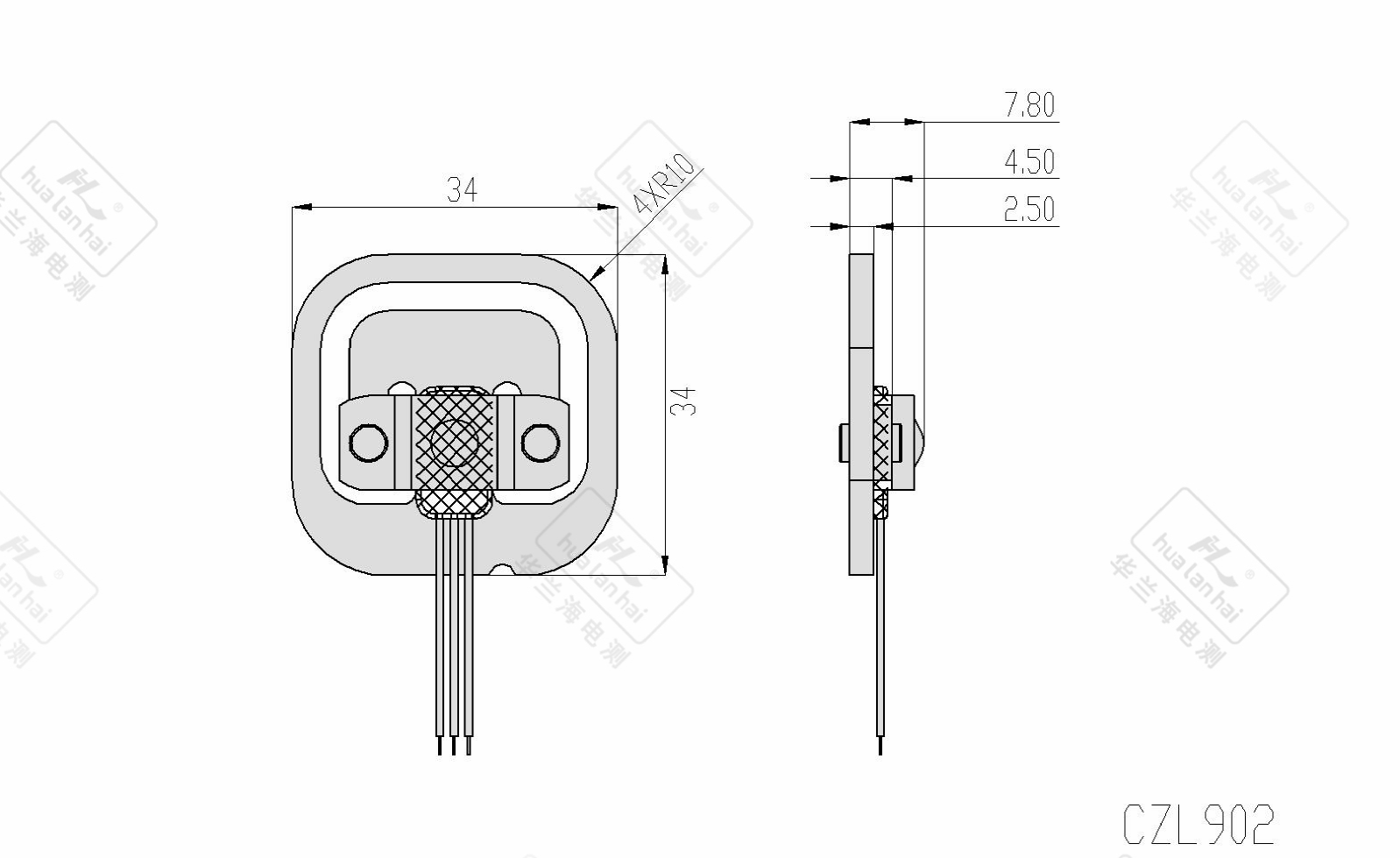
| Overall dimension of sensor | 34341.5 |