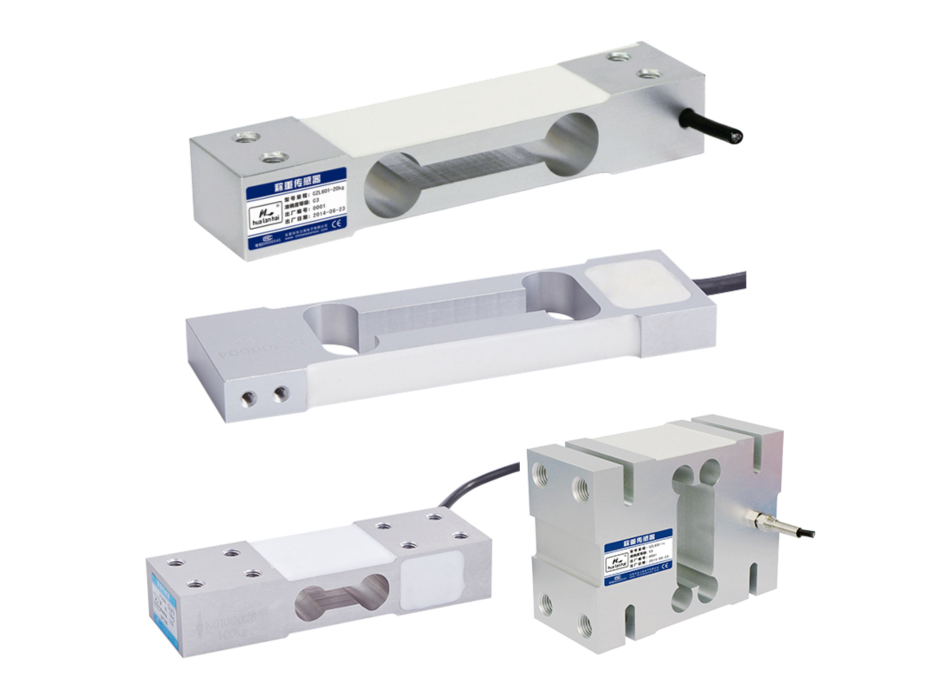
Temperature Compensated Load Cells - High Precision Force Measurement Solutions

All Categories

Get a Free Quote

Our representative will contact you soon.
Email
Name
Company Name
WhatsApp
Message
0/1000

temperature compensated load cell

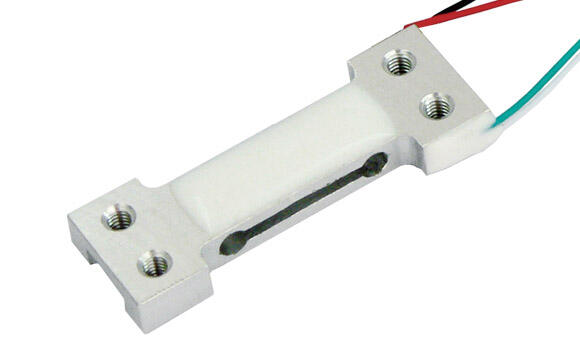
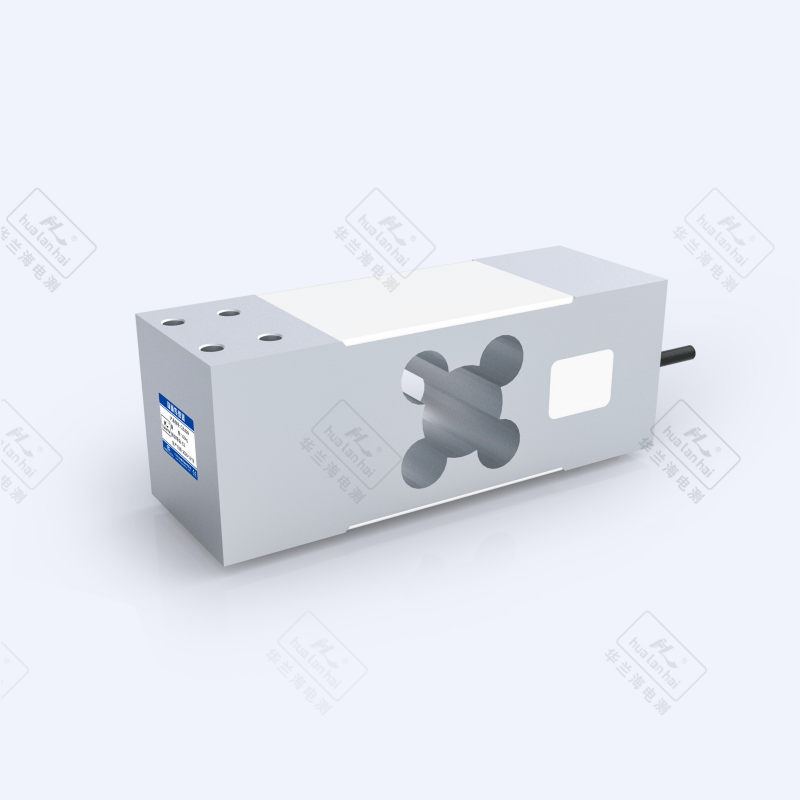
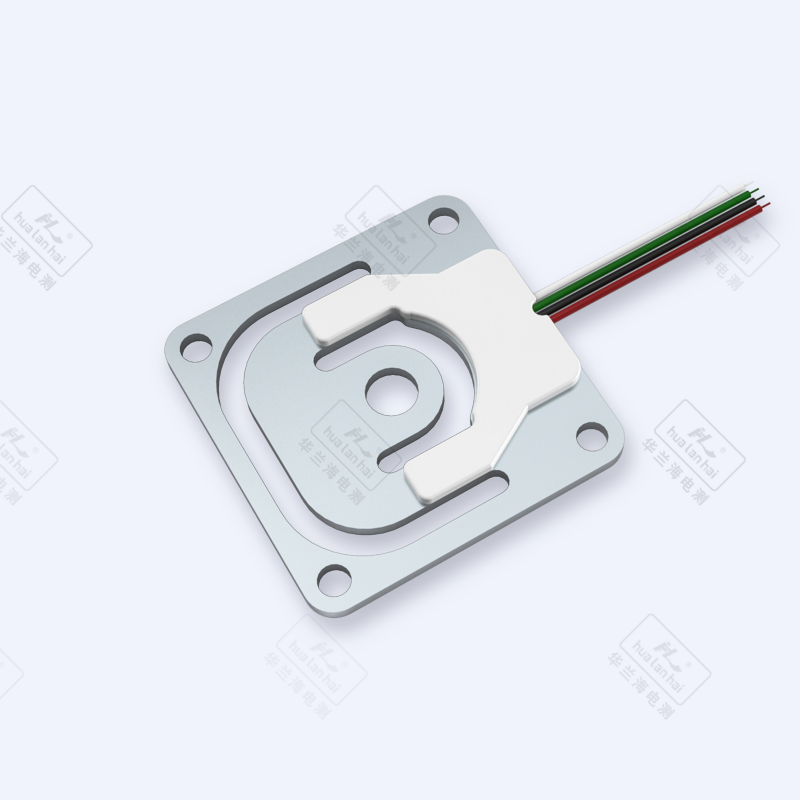
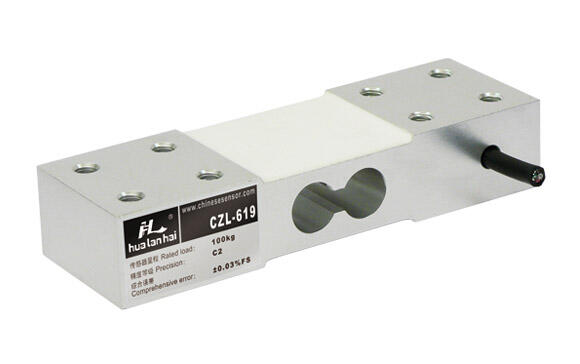
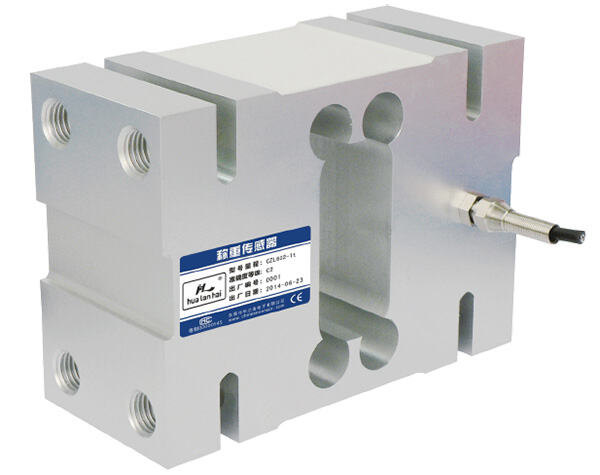
A temperature compensated load cell represents a sophisticated force measurement device engineered to deliver precise weight readings across varying environmental conditions. This advanced sensor technology incorporates specialized compensation mechanisms that automatically adjust for thermal fluctuations, ensuring consistent accuracy regardless of ambient temperature changes. The temperature compensated load cell operates through strain gauge technology, where mechanical stress creates electrical resistance variations that correlate directly with applied force. What distinguishes this load cell from standard variants is its built-in temperature compensation circuitry that counteracts thermal drift effects. The device features multiple strain gauges arranged strategically on a metal structure, typically made from high-grade stainless steel or aluminum alloy. These strain gauges detect minute deformations when weight is applied, converting mechanical stress into measurable electrical signals. The compensation system monitors ambient temperature continuously and applies corrective algorithms to maintain measurement integrity. Modern temperature compensated load cells employ digital signal processing to enhance precision further. The internal electronics include temperature sensors that feed real-time data to compensation algorithms, automatically adjusting output signals to eliminate temperature-induced errors. These load cells support various communication protocols including analog voltage output, current loops, and digital interfaces for seamless integration with control systems. The robust construction ensures reliable operation in harsh industrial environments where temperature fluctuations are common. Installation flexibility allows mounting in tension, compression, or shear configurations depending on application requirements. Calibration procedures verify accuracy across the entire operating temperature range, typically spanning from negative forty to positive eighty degrees Celsius. The temperature compensated load cell maintains exceptional linearity and repeatability, making it ideal for critical measurement applications where precision cannot be compromised by environmental factors.
New Products

Temperature compensated load cells deliver exceptional measurement accuracy that remains stable across wide temperature ranges, eliminating the need for frequent recalibration in varying environmental conditions. This reliability translates directly into reduced maintenance costs and improved operational efficiency for businesses relying on precise weight measurements. The advanced compensation technology ensures that thermal expansion and contraction of materials do not affect reading accuracy, providing consistent results whether operating in freezing warehouses or heated manufacturing facilities. Users benefit from significant time savings as these load cells require minimal adjustment once installed, allowing operators to focus on core business activities rather than constant calibration procedures. The robust construction of temperature compensated load cells withstands harsh industrial environments, reducing replacement frequency and lowering total ownership costs over the device lifetime. Enhanced precision capabilities enable better quality control processes, helping manufacturers maintain strict product specifications and reduce waste from measurement errors. The digital compensation algorithms respond instantly to temperature changes, providing real-time accuracy without manual intervention or complex adjustment procedures. This automation reduces human error potential and ensures consistent performance across different shifts and seasonal variations. Installation versatility allows these load cells to function effectively in diverse applications, from outdoor truck scales experiencing weather extremes to indoor process equipment with varying thermal loads. The superior signal stability minimizes noise interference and drift, resulting in cleaner data for process control and inventory management systems. Long-term stability characteristics mean measurement accuracy degrades slowly over time, extending calibration intervals and reducing maintenance scheduling complexity. The temperature compensated load cell design incorporates sealed electronics that protect sensitive components from moisture, dust, and temperature fluctuations, ensuring reliable operation in challenging environments. Users experience improved process consistency as measurement variations due to temperature effects are eliminated, leading to better product quality and reduced material waste. The enhanced accuracy also supports compliance with industry standards and regulatory requirements that demand precise weight documentation. Investment in temperature compensated load cells typically pays for itself through reduced maintenance costs, improved process efficiency, and decreased measurement uncertainty over the equipment lifespan.

Practical Tips

Conquering The

25

Nov

Conquering The "Bottleneck" Technologies Is The Greatest Motivation

View More
Guide to Selecting Load Cells

25

Nov

Guide to Selecting Load Cells

View More

Get a Free Quote

Our representative will contact you soon.
Email
Name
Company Name
WhatsApp
Message
0/1000

temperature compensated load cell

Advanced Digital Temperature Compensation Technology

Advanced Digital Temperature Compensation Technology

The cornerstone feature of modern temperature compensated load cells lies in their sophisticated digital compensation algorithms that continuously monitor and correct for thermal effects on measurement accuracy. This technology represents a significant advancement over traditional mechanical compensation methods, offering superior precision and reliability across extreme temperature variations. The digital compensation system employs high-resolution temperature sensors strategically positioned within the load cell structure to detect even minute thermal changes. These sensors feed real-time temperature data to advanced microprocessors that calculate precise correction factors based on predetermined calibration curves. The compensation algorithms account for multiple thermal effects including material expansion, strain gauge sensitivity variations, and electronic component drift that would otherwise compromise measurement accuracy. This intelligent system responds within milliseconds to temperature changes, ensuring that weight readings remain stable and accurate regardless of environmental fluctuations. The digital approach allows for complex compensation models that consider non-linear thermal responses, providing superior accuracy compared to simple linear compensation methods. Users benefit from this technology through consistent measurements in applications where temperature varies significantly, such as outdoor installations, cold storage facilities, or high-temperature manufacturing processes. The compensation system also includes self-diagnostic capabilities that monitor sensor performance and alert operators to potential issues before they affect measurement quality. This predictive maintenance feature reduces unexpected downtime and ensures continuous accurate operation. The digital compensation technology enables remote calibration adjustments through communication interfaces, allowing technicians to fine-tune performance without physical access to the load cell. This capability proves particularly valuable in installations where load cells are mounted in difficult-to-reach locations or hazardous environments. The advanced algorithms also store calibration data in non-volatile memory, protecting compensation parameters from power disruptions and ensuring consistent performance after system restarts.
Exceptional Environmental Durability and Reliability

Exceptional Environmental Durability and Reliability

Temperature compensated load cells excel in harsh environmental conditions through their robust construction and protective design features that ensure long-term reliability in challenging industrial applications. The engineering approach prioritizes durability without compromising measurement precision, resulting in sensors that maintain accuracy specifications even when subjected to extreme temperature cycles, moisture exposure, and mechanical stress. The load cell housing typically utilizes high-grade stainless steel or specialized alloys that resist corrosion while providing excellent thermal conductivity for accurate temperature sensing. Sealed construction techniques prevent moisture ingress and contamination that could degrade internal components over time. The strain gauge installation process employs advanced bonding materials and protective coatings that maintain electrical integrity across temperature extremes. These protective measures ensure that the sensitive measurement components remain stable despite external environmental challenges. The internal electronics feature conformal coatings and ruggedized circuit boards designed to withstand thermal cycling without component failure or drift. Shock and vibration resistance capabilities allow these load cells to operate reliably in dynamic environments where mechanical disturbances are common. The temperature compensation system itself contributes to durability by preventing thermal stress accumulation that could cause premature failure in conventional load cells. Environmental testing validates performance across extended temperature ranges, humidity variations, and exposure to common industrial chemicals. The robust design philosophy extends to connection methods, with sealed cable entries and corrosion-resistant terminals that maintain electrical integrity throughout the operational lifetime. Many temperature compensated load cells achieve IP67 or higher ingress protection ratings, confirming their suitability for washdown environments and outdoor installations. The combination of materials science and protective design ensures reliable operation in food processing plants, chemical facilities, marine environments, and other demanding applications where standard load cells would fail prematurely.
Superior Measurement Precision and Long-Term Stability

Superior Measurement Precision and Long-Term Stability

The precision capabilities of temperature compensated load cells represent a significant advancement in force measurement technology, delivering accuracy levels that remain consistent over extended periods without frequent recalibration requirements. This superior performance stems from the integration of high-quality strain gauge technology with advanced compensation algorithms that eliminate multiple sources of measurement error. The strain gauge selection process prioritizes components with exceptional stability characteristics and minimal temperature coefficients, ensuring that the fundamental sensing elements maintain their accuracy properties across varying conditions. The compensation system addresses not only temperature effects but also creep, hysteresis, and non-linearity errors that can accumulate over time in conventional load cells. This comprehensive error correction approach results in measurement accuracy that typically exceeds industry standards by significant margins. The long-term stability characteristics mean that calibration intervals can be extended substantially compared to standard load cells, reducing maintenance costs and operational disruptions. Users benefit from measurement uncertainty levels that support critical applications such as legal trade, pharmaceutical manufacturing, and aerospace component testing where precision requirements are stringent. The stability performance enables these load cells to serve as reference standards in calibration laboratories and quality control environments. The precision capabilities extend across the entire measurement range, maintaining accuracy at both low and high load conditions through sophisticated linearization algorithms. This full-scale accuracy proves essential in applications requiring precise measurements of varying load magnitudes. The temperature compensated load cell design minimizes drift phenomena that typically degrade accuracy over time, ensuring that measurement quality remains consistent throughout the operational lifetime. Statistical analysis of long-term performance data demonstrates measurement repeatability that supports process improvement initiatives and quality management systems. The enhanced precision also enables detection of subtle changes in measured parameters that might indicate process variations or equipment conditions requiring attention. This sensitivity capability transforms the load cell from a simple measurement device into a valuable diagnostic tool for predictive maintenance and process optimization programs.

Get a Free Quote

Our representative will contact you soon.
Email
Name
Company Name
WhatsApp
Message
0/1000