Premium Stainless Steel Load Cells - Precision Force Measurement Solutions

All Categories

Get a Free Quote

Our representative will contact you soon.
Email
Name
Company Name
WhatsApp
Message
0/1000

stainless steel load cell

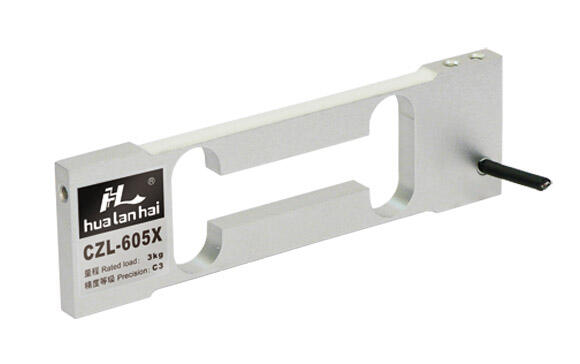
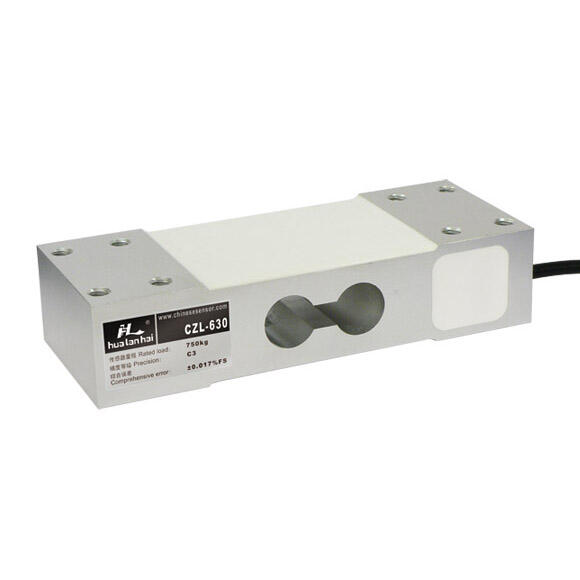
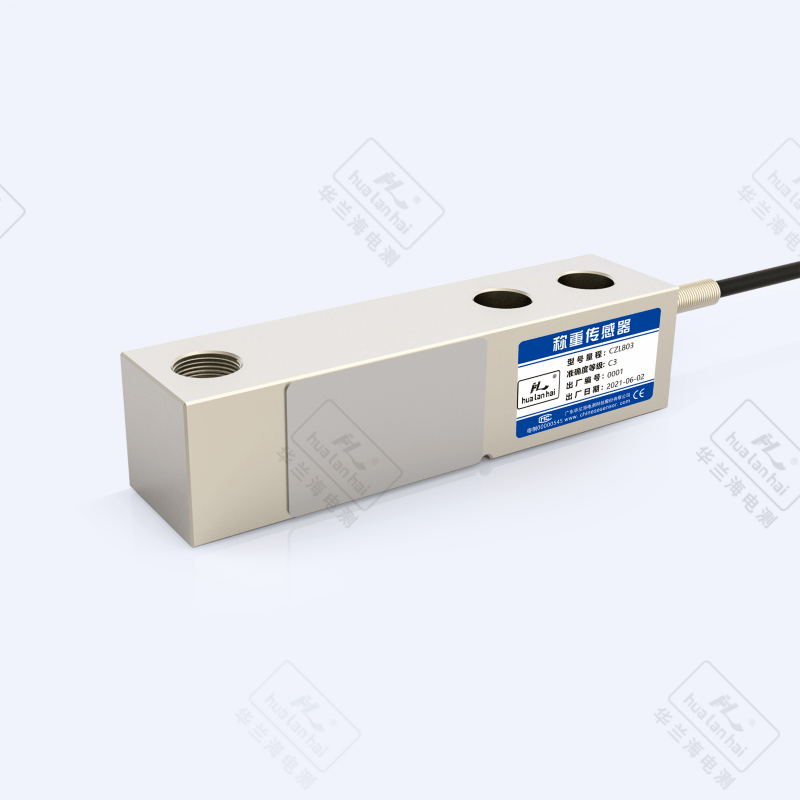
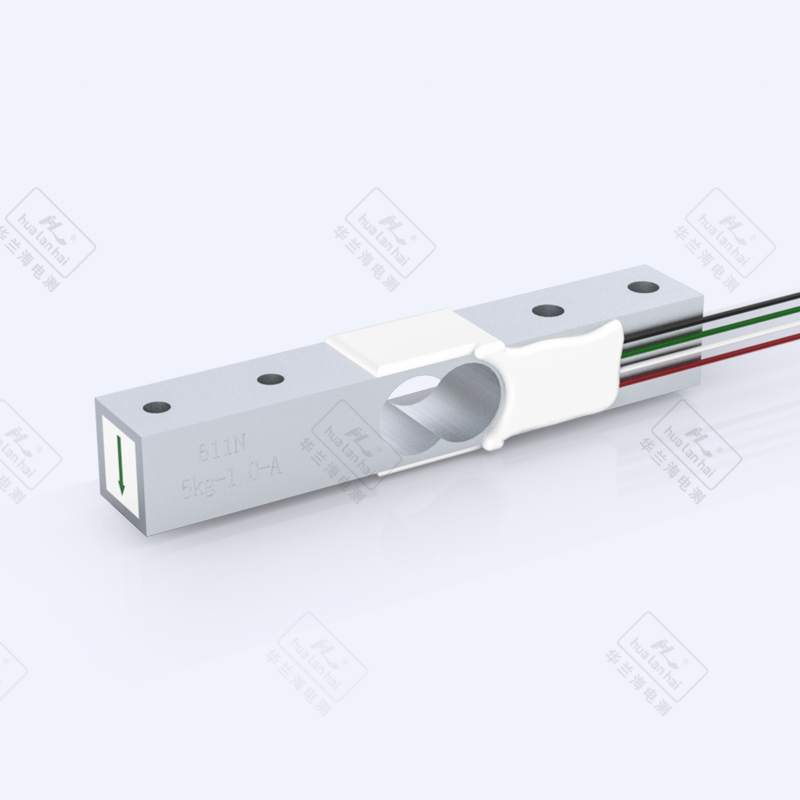
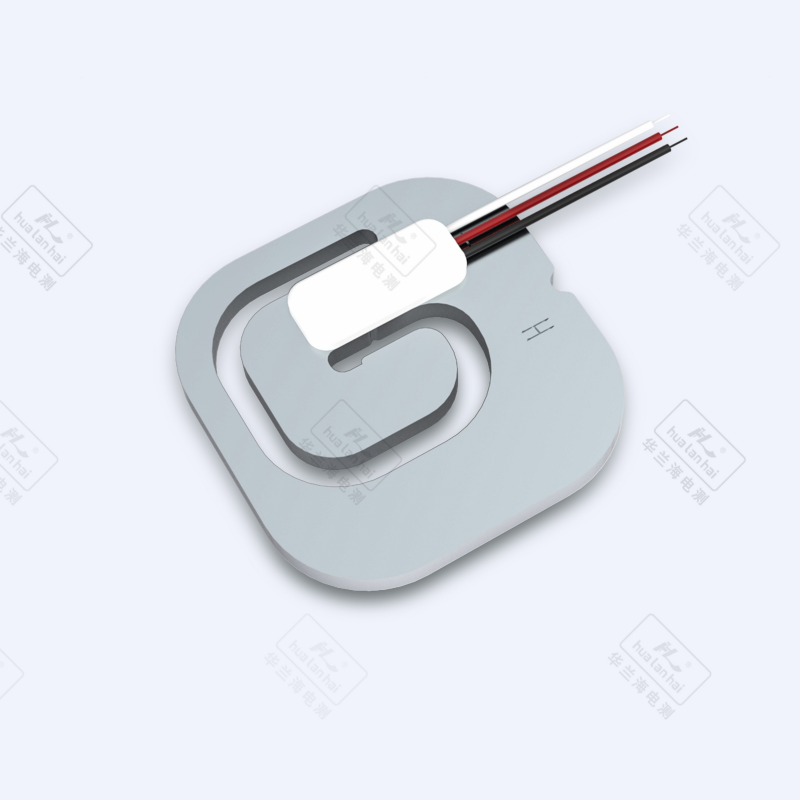
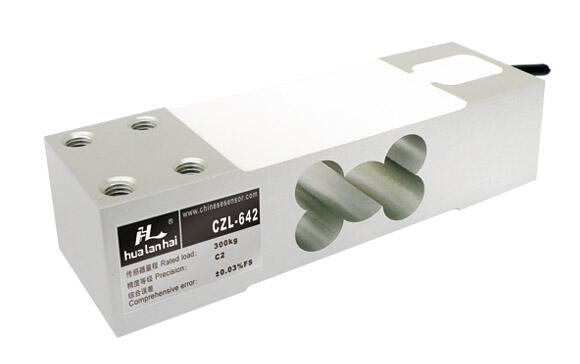
A stainless steel load cell represents a critical precision measurement instrument designed to accurately determine weight, force, and pressure across diverse industrial applications. This sophisticated device converts mechanical force into electrical signals through advanced strain gauge technology, enabling precise data collection and monitoring in demanding environments. The stainless steel construction provides exceptional durability and corrosion resistance, making these load cells ideal for harsh operating conditions where standard materials would quickly deteriorate. The primary function involves measuring applied loads by detecting minute deformations in the stainless steel structure, which are then translated into proportional electrical outputs for digital processing and display systems. Technological features include high-precision strain gauges strategically positioned on the stainless steel body to maximize sensitivity and accuracy. These sensors detect microscopic changes in the metal structure when force is applied, generating electrical signals that correspond directly to the measured load. Advanced signal conditioning circuitry ensures stable, reliable readings even in environments with electrical interference or temperature fluctuations. The stainless steel construction offers superior mechanical properties, including excellent elastic recovery, minimal hysteresis, and outstanding fatigue resistance under repeated loading cycles. Applications span numerous industries including food processing, pharmaceutical manufacturing, chemical production, marine operations, and industrial automation systems. In food processing facilities, stainless steel load cells enable precise ingredient measurement while meeting strict hygiene standards. Pharmaceutical companies rely on these devices for accurate batch weighing and quality control processes. Chemical plants utilize them for safe handling of corrosive materials, while marine applications benefit from their saltwater corrosion resistance. The versatility of stainless steel load cells makes them indispensable in tank weighing systems, conveyor belt monitoring, crane load measurement, and automated packaging lines where precision and reliability are paramount.

New Product Recommendations

The stainless steel load cell delivers remarkable advantages that make it the preferred choice for demanding measurement applications across multiple industries. Superior corrosion resistance stands as the most significant benefit, as the stainless steel construction withstands exposure to moisture, chemicals, acids, and alkaline substances without degrading performance or accuracy. This corrosion resistance translates directly into longer service life and reduced maintenance costs, providing excellent return on investment for businesses operating in challenging environments. The exceptional durability of stainless steel load cells ensures consistent performance under extreme conditions, including temperature variations, humidity, and aggressive cleaning procedures required in sanitary applications. Enhanced accuracy represents another crucial advantage, as the stable material properties of stainless steel minimize drift and maintain calibration over extended periods. This reliability eliminates frequent recalibration requirements and reduces operational downtime, contributing to improved productivity and cost savings. Easy cleaning and maintenance procedures make stainless steel load cells particularly valuable in food processing and pharmaceutical applications where hygiene standards are critical. The smooth, non-porous surface prevents contamination buildup and allows thorough sanitization using standard cleaning protocols without damaging the instrument. Temperature stability provides consistent measurements across wide operating ranges, ensuring accurate readings regardless of environmental conditions. The robust construction handles shock loads and vibrations without permanent damage, making these load cells suitable for heavy industrial applications where equipment must withstand harsh treatment. Cost-effectiveness becomes apparent through extended service life, reduced replacement frequency, and minimal maintenance requirements compared to alternative materials. Installation flexibility allows integration into existing systems without extensive modifications, while standardized electrical connections ensure compatibility with various display and control equipment. The non-magnetic properties of stainless steel prevent interference with nearby electronic equipment, ensuring measurement integrity in complex industrial environments. Overload protection capabilities safeguard the load cell from damage during unexpected force spikes, preserving investment and maintaining operational continuity. These combined advantages make stainless steel load cells an intelligent choice for applications requiring precision, reliability, and longevity in challenging operating conditions.

Practical Tips

Conquering The

25

Nov

Conquering The "Bottleneck" Technologies Is The Greatest Motivation

View More

Get a Free Quote

Our representative will contact you soon.
Email
Name
Company Name
WhatsApp
Message
0/1000

stainless steel load cell

Unmatched Corrosion Resistance for Extreme Environments

Unmatched Corrosion Resistance for Extreme Environments

The outstanding corrosion resistance of stainless steel load cells represents their most valuable characteristic, delivering unparalleled performance in environments where traditional materials fail rapidly. This exceptional resistance stems from the chromium content in stainless steel, which forms a protective oxide layer that self-repairs when damaged, providing continuous protection against corrosive elements. In chemical processing facilities, stainless steel load cells maintain accuracy and structural integrity when exposed to acids, bases, and aggressive solvents that would quickly destroy conventional load cells made from standard materials. The marine industry particularly benefits from this corrosion resistance, as saltwater environments present severe challenges to measurement equipment longevity. Offshore platforms, shipyards, and coastal facilities rely on stainless steel load cells to provide accurate measurements despite constant exposure to salt spray and humid conditions. Food processing operations require equipment that withstands frequent cleaning with sanitizing chemicals and high-pressure washdowns, making stainless steel load cells indispensable for maintaining both accuracy and hygiene standards. The pharmaceutical industry depends on this corrosion resistance for processes involving aggressive cleaning agents and sterilization procedures that would compromise lesser materials. Beyond chemical resistance, stainless steel load cells resist atmospheric corrosion, preventing rust and oxidation that could affect measurement accuracy over time. This resistance extends equipment service life significantly, often lasting decades in properly maintained applications compared to months or years for alternative materials. The economic impact proves substantial, as reduced replacement frequency and maintenance requirements translate into lower total cost of ownership. Facility managers appreciate the reliability of stainless steel load cells in critical applications where measurement failure could result in production delays, safety hazards, or regulatory compliance issues. The consistent performance in corrosive environments ensures continuous operation and accurate data collection, supporting efficient production processes and quality control systems that depend on precise weight and force measurements.
Superior Accuracy and Long-Term Stability

Superior Accuracy and Long-Term Stability

The exceptional accuracy and long-term stability of stainless steel load cells make them the gold standard for precision measurement applications where reliable data is essential for operational success. The inherent material properties of stainless steel provide outstanding elastic characteristics, ensuring that the load cell returns to its original shape after load removal without permanent deformation that could affect calibration. This elastic recovery property maintains measurement accuracy over millions of loading cycles, making stainless steel load cells ideal for high-frequency applications such as dynamic weighing systems and continuous production monitoring. Temperature compensation features built into stainless steel load cell designs minimize measurement drift caused by thermal expansion and contraction, ensuring consistent readings across wide temperature ranges commonly encountered in industrial environments. The crystalline structure of stainless steel exhibits minimal creep under sustained loads, maintaining accuracy during extended measurement periods without the gradual signal drift that affects other materials. Advanced manufacturing techniques ensure precise strain gauge placement and optimal stress distribution throughout the stainless steel structure, maximizing sensitivity while maintaining linearity across the full measurement range. Quality control procedures during production include extensive testing under various load conditions and environmental stresses to verify performance specifications and long-term stability. Calibration stability represents a significant operational advantage, as stainless steel load cells maintain their calibration for extended periods, reducing the frequency of costly recalibration procedures and associated production downtime. This stability proves particularly valuable in automated systems where consistent accuracy is crucial for process control and quality assurance. The superior signal-to-noise ratio achieved through optimized stainless steel construction enhances measurement resolution, enabling detection of small weight changes critical for precision applications such as pharmaceutical batching and laboratory research. Hysteresis characteristics remain minimal due to the excellent elastic properties of stainless steel, ensuring that measurements are independent of loading history and direction. This consistency supports reliable process control and accurate inventory management in applications ranging from bulk material handling to precision manufacturing where measurement uncertainty must be minimized.
Versatile Application Range and Easy Integration

Versatile Application Range and Easy Integration

The remarkable versatility of stainless steel load cells enables seamless integration across an extensive range of applications, from heavy industrial processes to precision laboratory measurements, making them invaluable assets for diverse operational requirements. This adaptability stems from the availability of multiple capacity ranges, mounting configurations, and output options that accommodate virtually any weighing or force measurement challenge. Tank and vessel weighing applications benefit enormously from stainless steel load cells, as they provide accurate inventory monitoring for liquids, powders, and granular materials while withstanding the chemical exposure and cleaning requirements common in these environments. Conveyor belt systems utilize stainless steel load cells for continuous material flow monitoring, enabling real-time process control and inventory management in production facilities. The food and beverage industry relies heavily on these versatile devices for recipe control, portion management, and packaging operations where hygiene requirements and cleaning procedures demand stainless steel construction. Installation flexibility allows stainless steel load cells to be incorporated into existing equipment with minimal modifications, supporting both new installations and retrofit projects. Standard mounting hardware and electrical connections ensure compatibility with various mechanical configurations and control systems, simplifying integration processes. The wide range of available capacities, from gram-scale precision measurements to multi-ton industrial applications, ensures that stainless steel load cells can meet diverse operational needs within a single facility. Environmental adaptability enables operation in extreme conditions, from freezer applications in cold storage facilities to high-temperature processes in industrial furnaces, expanding the potential application range significantly. Automated systems benefit from the reliable signal output and consistent performance of stainless steel load cells, supporting sophisticated process control algorithms and data collection systems. The ability to withstand shock loads and vibrations makes these load cells suitable for mobile applications such as vehicle scales and portable weighing systems. Modular design concepts allow multiple stainless steel load cells to be combined for large-scale weighing systems, distributing loads effectively while maintaining accuracy. This scalability supports applications ranging from small bench scales to massive industrial weighing platforms, providing consistent performance across all size ranges and ensuring reliable measurement data for critical business operations.

Get a Free Quote

Our representative will contact you soon.
Email
Name
Company Name
WhatsApp
Message
0/1000